

Choosing between an electric breast pump and a manual one can feel bigger than it sounds. It is not just about gadgets. It is about comfort, time, noise, money, and how pumping fits into your actual day. When you are feeding a baby and trying to function on little sleep, the best pump is often the one that makes life simpler, not the one with the longest feature list.
Some moms need to pump several times a day and want speed. Others only need a backup for occasional use. Some want something light they can toss into a bag. Some want both hands free whenever possible. So when people ask which pump is better, the honest answer is pretty simple. Better for what kind of life?
If you want the wider context on how hand-operated pumping works in daily life, this complete manual breast pump guide helps connect the big picture before you decide.
table of contents
- why this choice matters
- what an electric breast pump does best
- what a manual breast pump does best
- comfort and control
- speed and efficiency
- noise, privacy, and daily life
- cost and long-term value
- cleaning and maintenance
- which pump fits which kind of mom
- conclusion
why this choice matters
A pump is not just a product. It becomes part of your routine. That means the right choice can save time, lower stress, and help feeding feel more manageable. The wrong one can sit in a drawer, annoy you every time you use it, or make pumping feel way harder than it needs to be.
Some women buy an electric pump because it seems like the default choice. Others pick a manual pump because it is cheaper, then wonder if they are missing something important. The truth sits somewhere in the middle. Both types can be useful. The key is matching the pump to your needs, not to somebody else’s highlight reel.
what an electric breast pump does best
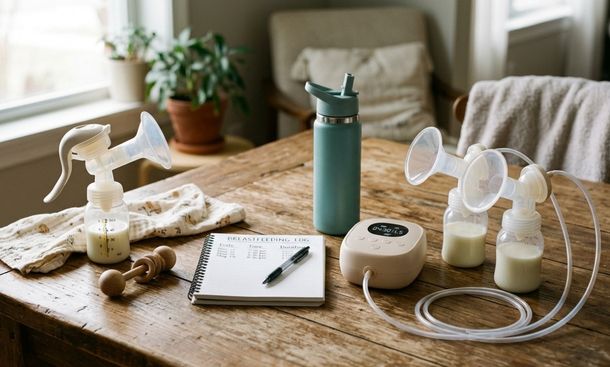
An electric breast pump uses a motor to create suction. That motor does the repeated work for you, which is a big deal if you pump often. Many electric pumps let you adjust suction levels and speed settings. Some can pump both breasts at the same time, which can cut session time and feel more efficient when your schedule is packed.
Electric pumps tend to work best for moms who:
- pump multiple times a day
- return to work and need a regular pumping routine
- want a more automatic process
- need to save time by double pumping
- are exclusively pumping or pumping frequently
That convenience can be real. You set it up, position the flanges, turn it on, and let the motor handle the rhythm. For moms with a demanding schedule, that can make pumping easier to repeat consistently.
Still, electric does not always mean perfect. Some moms find the noise annoying. Some dislike carrying cords, charging parts, or large bags. Some respond well to the pump, and others do not. The extra technology can be helpful, but it can also add another layer of stuff to manage.
what a manual breast pump does best
A manual breast pump is powered by your hand. You squeeze a handle or lever to control the suction and pace. That sounds basic, and honestly, that is part of its charm. It is simple. Quiet. Portable. Usually much cheaper.
Manual pumps often work best for moms who:
- pump occasionally, not all day
- want a lightweight pump for travel
- need a quiet option
- like controlling the rhythm themselves
- want an affordable backup
A manual pump can also feel less intense. You are in charge of how fast or slow you go. For some women, that direct control helps them stay comfortable and respond to their own body a little better.
The tradeoff is obvious. Your hand does the work. If you pump often, that can get tiring. If you need speed, a manual pump may feel slow. But for occasional use, it can be more than enough.
comfort and control
Comfort is one of the biggest differences between these pumps, and it does not get talked about enough. A lot of moms assume comfort comes down to power, but that is not really the whole story.
With a manual pump, you control the suction rhythm yourself. You can start gently, pause when needed, and adjust in real time based on how your body feels. That can make a manual pump feel more natural for some women, especially in the early postpartum period.
With an electric pump, you usually control comfort through settings. You can increase or decrease suction and switch modes, but the rhythm is still machine-driven. Some moms love that consistency. Others find it too strong, too repetitive, or just less personal.
There is one detail that matters with both. Flange fit, meaning the size and shape of the part that sits around the nipple, can make or break comfort. A poor fit can cause rubbing, pinching, or weak output no matter how good the pump is.
speed and efficiency
This is where electric pumps usually pull ahead.
If you need to pump often, especially on a schedule, electric pumps are usually more efficient. A double electric pump can remove milk from both breasts at once. That matters if you are squeezing sessions into short breaks, commuting, or trying to pump before your baby wakes up again.
Manual pumps are slower by nature. You are pumping one side at a time and creating suction by hand. That does not mean they are ineffective. It just means they are better suited to short sessions, occasional use, or moments when convenience matters more than speed.
A good way to think about it is this:
- electric pumps are often better for volume and routine
- manual pumps are often better for flexibility and simplicity
If you only pump here and there, a manual model may still be the more practical choice, even if it is slower.
noise, privacy, and daily life
Noise is one of those things you do not think about until you are trying to pump in a shared room, a parked car, or while the baby naps beside you.
Manual pumps are almost silent. That is a real advantage. They are discreet, easy to carry, and do not require an outlet or battery. If privacy matters to you, this can be a huge win.
Electric pumps vary. Some are pretty quiet. Some are definitely not. Even a decent electric pump can make you feel more aware of the process because there is a machine sound in the background and more visible equipment involved.
Daily life counts too. A manual pump can fit into a tote bag or diaper bag without taking over your day. An electric pump may come with more pieces, chargers, bottles, and accessories. That is not always a dealbreaker, but it is something to be real about.
cost and long-term value
Manual pumps are usually much more affordable upfront. If your pumping needs are light, that lower cost can make a ton of sense. You may not need to spend big money on something you will only use now and then.
Electric pumps cost more, but they may offer better long-term value if you pump often. Paying more for efficiency can be worth it if pumping is part of your routine for months.
The value question is really about use:
- if you pump often, an electric pump may save enough time to justify the price
- if you pump occasionally, a manual pump may give you everything you need for much less money
There is also the middle-ground option. Some moms use both. An electric pump for regular sessions and a manual pump as a backup or travel tool. That combo can work really well if your budget allows it.
cleaning and maintenance
Cleaning pump parts is nobody’s favorite hobby, so this part matters more than it sounds.
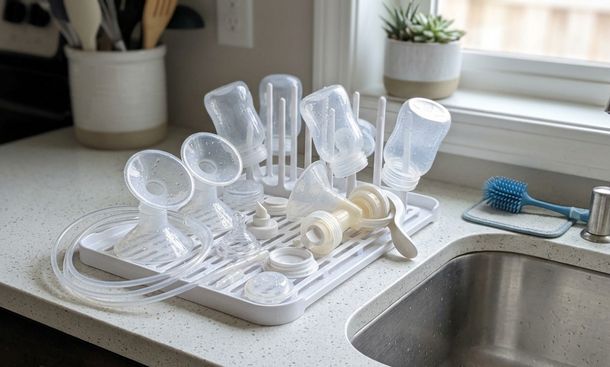
Manual pumps usually have fewer parts. That means faster cleanup and less assembly. If you are already exhausted, that simplicity can make you more likely to actually use it.
Electric pumps can involve more pieces depending on the model. Tubes, membranes, connectors, flanges, bottles, cords, and charging parts can all add up. Again, not a reason to avoid them if you need one, but definitely a factor in daily convenience.
If you like low-maintenance tools, manual pumps have a strong case.
which pump fits which kind of mom
No single answer works for every feeding journey, but certain patterns show up again and again.
An electric pump may be better for you if:
- you pump several times a day
- you need efficiency
- you are going back to work soon
- you want double pumping
- you are exclusively pumping
A manual pump may be better for you if:
- you only pump occasionally
- you want a quiet and portable option
- you need a simple backup
- you are budget-conscious
- you like having direct control over suction
And if you are still torn, that does not mean you are behind. It just means you are making a thoughtful choice. A lot of moms figure out what works only after the baby is here and real life starts shaping the routine.

If your main goal is speed, regular pumping, and a more automated routine, an electric pump may be the better fit. If you want something simple, quiet, portable, and easier on the budget, a manual pump can be a very smart choice. Neither option makes you more prepared or more devoted. The right one is the one that works in your real life. If comfort is the next thing you want to solve, understanding breast pump flange size will help,

As a Felyro.com content author, I develop actionable content on breastfeeding, translating research-backed information into practical advice for mothers. My goal is to help families establish healthy feeding habits, improve maternal confidence, and support infant development.