
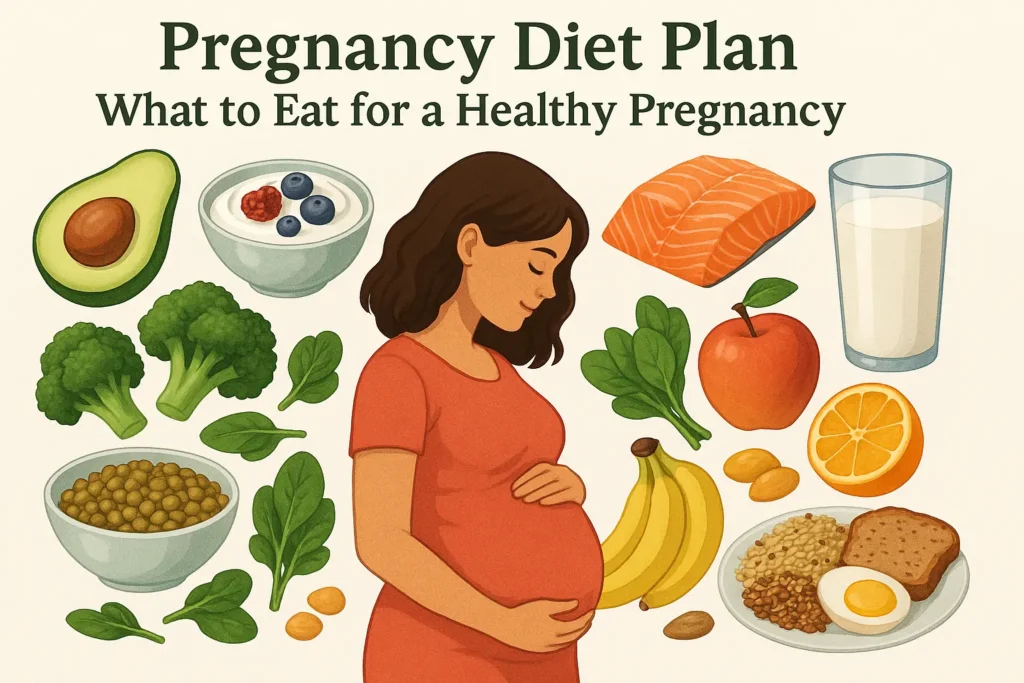
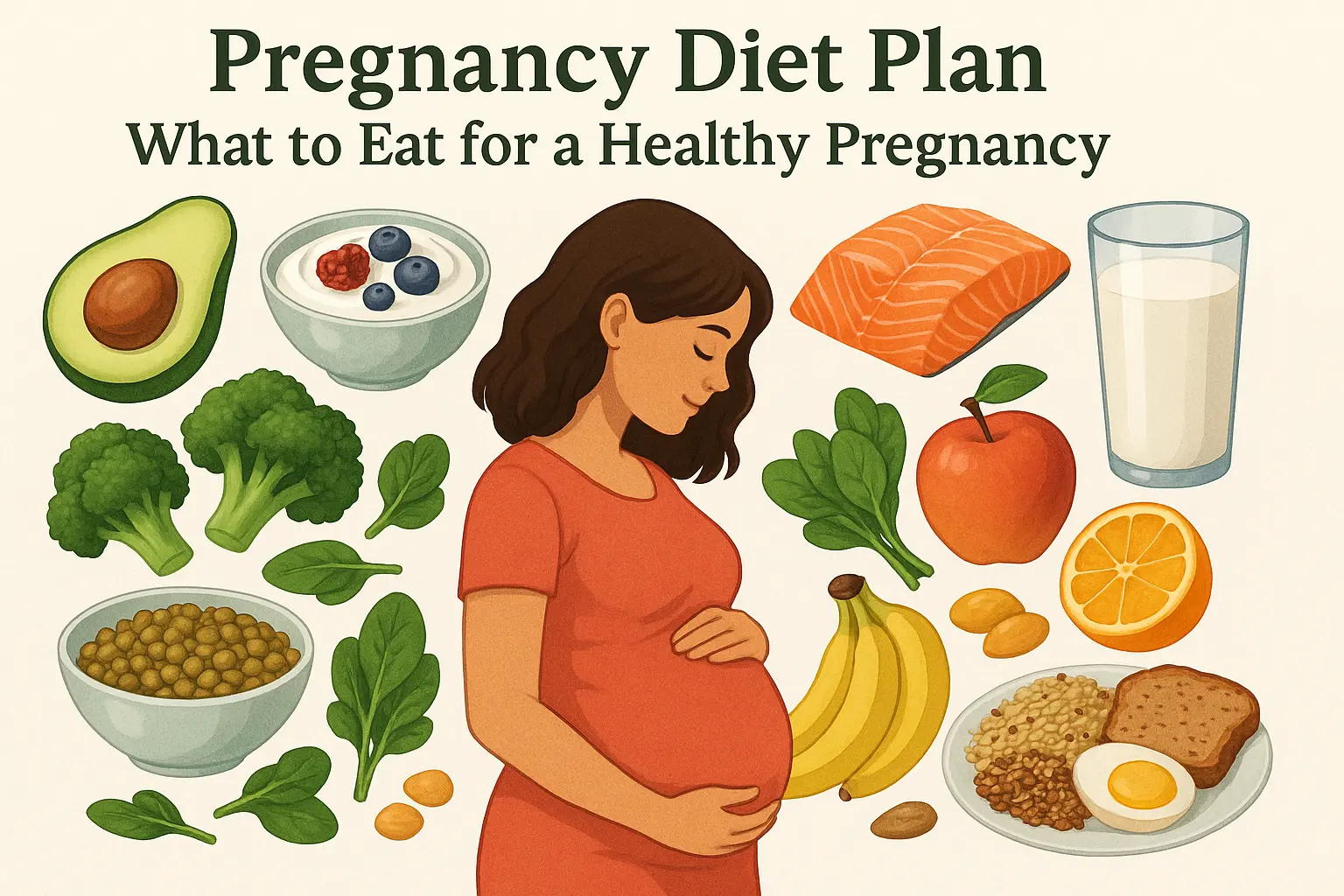
pregnancy is one of the most transformative journeys in a woman’s life both physically and emotionally. during these nine months, your body works tirelessly to grow, nourish, and protect your baby. one of the most powerful ways to support this journey is through the food youeat. a well-balanced pregnancy diet plan ensures you’re providing essential nutrients for your baby’s development and keeping yourself healthy and energized.
in this comprehensive guide, we’ll walk you through what to eat, what to avoid, and how to build a simple yet effective pregnancy meal plan for every trimester.
why a healthy pregnancy diet plan matters
your baby’s growth and development depend directly on the nutrients you consume. eating well can help prevent complications like anemia, gestational diabetes, and preeclampsia while supporting your baby’s brain, bone, and organ development.
a well-balanced pregnancy diet helps you:
-
maintain a healthy weight
-
improve digestion and reduce constipation
-
balance hormones
-
stabilize blood sugar levels
-
promote strong bones and immunity
even though cravings and nausea can make eating challenging, focusing on nutrient-dense foods ensures both you and your baby thrive.
key nutrients every pregnant woman needs
to create an effective pregnancy diet plan, you must understand which nutrients are essential and where to find them naturally.
1. folate (vitamin b9)
-
importance: reduces the risk of neural tube defects (spina bifida).
-
found in: spinach, kale, lentils, oranges, fortified cereals, and avocados.
2. iron
-
importance: supports red blood cell production and prevents anemia.
-
found in: lean meats, beans, chickpeas, fortified grains, and leafy greens.
-
tip: pair with vitamin c-rich foods like oranges or bell peppers to boost absorption.
3. calcium
-
importance: builds strong bones and teeth for both you and your baby.
-
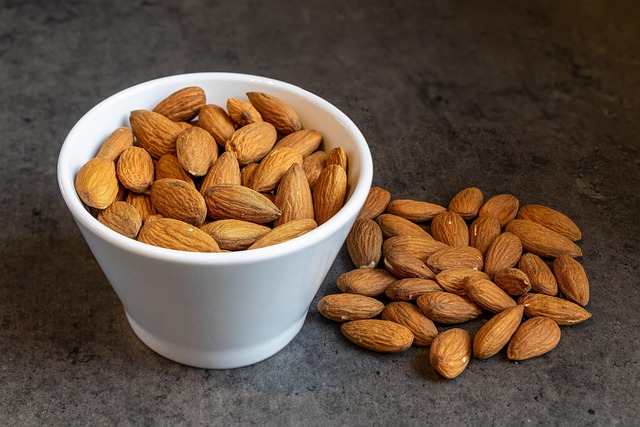
found in: dairy products, almonds, broccoli, and fortified plant-based milks.
4. protein
-
importance: helps build your baby’s tissues, organs, and cells.
-
found in: eggs, fish, chicken, beans, tofu, and greek yogurt.
5. omega-3 fatty acids
-
importance: supports brain and eye development.
-
found in: salmon, chia seeds, flaxseeds, and walnuts.
6. vitamin d
-
importance: helps your body absorb calcium and supports immune function.
-
found in: sunlight, eggs, and fortified dairy products.
7. fiber
-
importance: helps with digestion and prevents constipation.
-
found in: fruits, vegetables, oats, and whole grains.
daily pregnancy diet plan (sample)
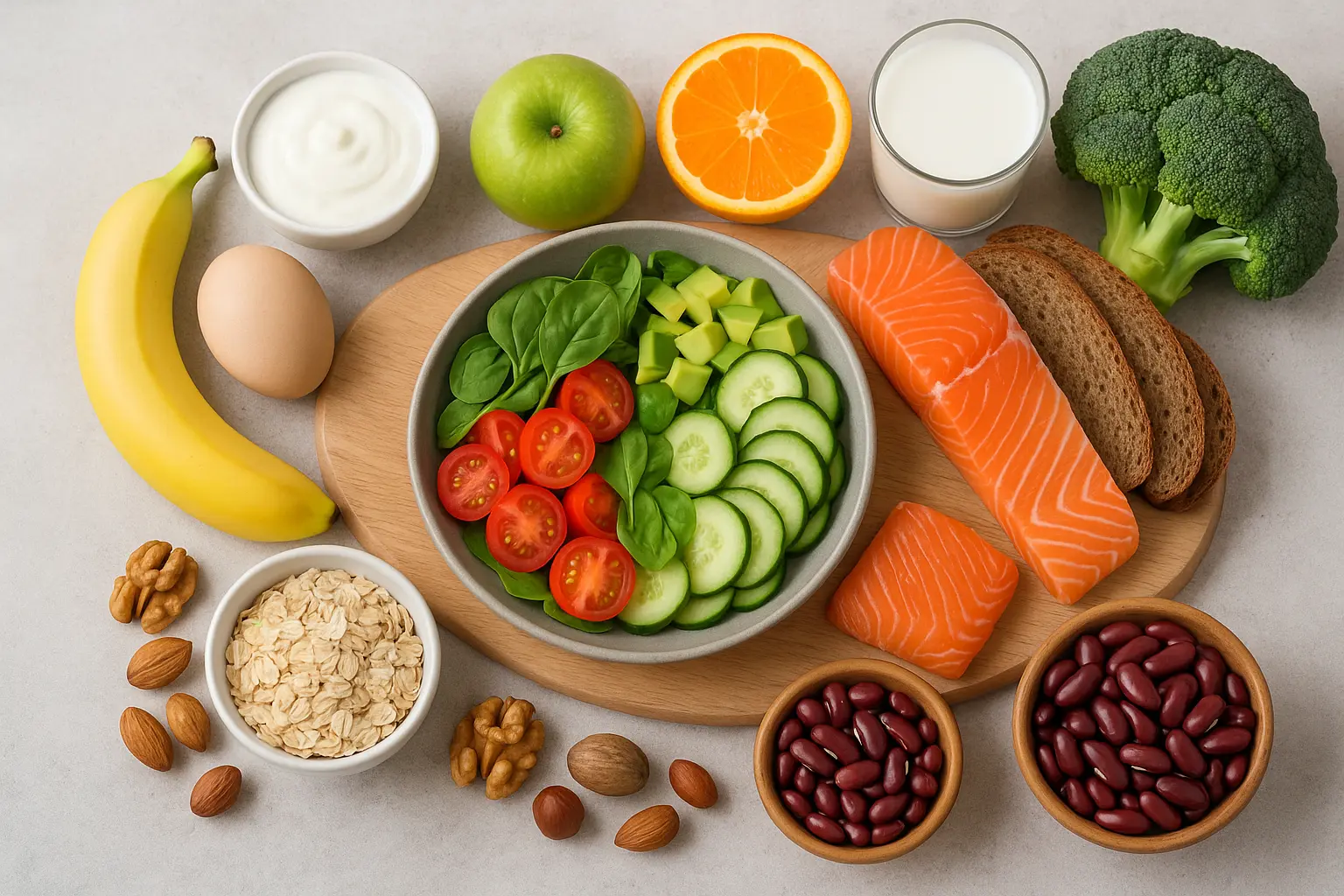
here’s a sample structure for a healthy day during pregnancy:
breakfast
-
oatmeal topped with banana slices and chia seeds
-
a glass of fortified milk or almond milk
mid-morning snack
-
a handful of almonds or walnuts
-
one apple or orange
lunch
-
grilled chicken or lentil salad
-
brown rice or quinoa
-
sautéed vegetables (spinach, bell peppers, carrots)
afternoon snack
-
greek yogurt with berries
-
one boiled egg or cheese cubes
dinner
-
baked salmon or tofu stir-fry
-
sweet potatoes
-
mixed green salad with olive oil dressing
before bed
-
a cup of warm milk or herbal tea
what to avoid during pregnancy

some foods can harm your developing baby or increase the risk of complications. here are key things to avoid:
-
raw or undercooked meats (risk of toxoplasmosis and listeria)
-
unpasteurized dairy products (can contain harmful bacteria)
-
high-mercury fish such as swordfish, king mackerel, or tilefish
-
caffeine (limit to under 200 mg per day — about one small cup of coffee)
-
alcohol (no safe level has been established during pregnancy)
-
processed foods high in sodium, sugar, and preservatives
managing cravings and aversions
cravings are completely normal during pregnancy, but moderation is key. if you’re craving sweets, choose healthier alternatives like dark chocolate, fruit smoothies, or yogurt with honey.
for aversions, experiment with different textures or temperatures. for example, if you can’t stand warm vegetables, try them cold in salads or smoothies.
trimester-by-trimester diet guide
each trimester comes with unique nutritional needs and challenges. here’s how to adjust your meals accordingly:
first trimester (weeks 1–13): building the foundation

morning sickness, fatigue, and nausea are common, so focus on small, frequent meals that are easy to digest.
foods to include:
-
ginger tea to ease nausea
-
whole grains for steady energy
-
smoothies with leafy greens and fruits for folate
-
lean proteins like eggs or lentils
tips:
-
keep crackers by your bed for early morning nausea
-
stay hydrated with water, soups, and herbal teas
second trimester (weeks 14–27): baby’s rapid growth
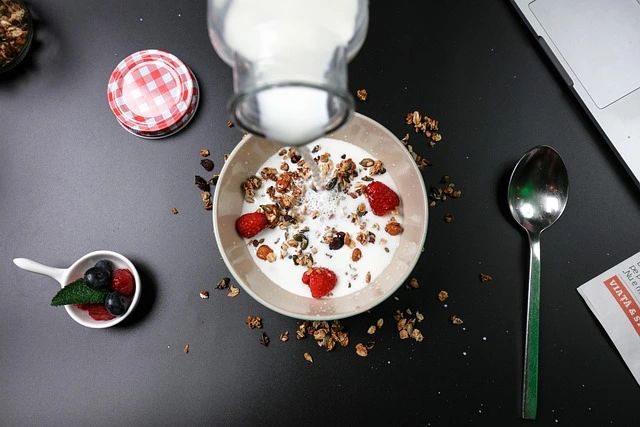
energy levels usually improve, and your baby starts growing quickly. you’ll need extra calcium, protein, and iron.
foods to include:
-
yogurt, cheese, and milk for calcium
-
chicken, beans, and spinach for iron
-
nuts and seeds for omega-3 fatty acids
tip:
midday fatigue can hit hard — snack smartly to stay energized. for example, pair an apple with peanut butter or have a handful of mixed nuts.
third trimester (weeks 28–40): preparing for birth
this stage focuses on maintaining strength and preventing late-stage complications like constipation, heartburn, or swelling.
foods to include:
-
fiber-rich fruits and vegetables
-
whole grains for digestion
-
water to prevent dehydration and swelling
-
lean proteins for tissue repair
avoid:
-
salty snacks (can cause bloating)
-
large meals before bed (can worsen heartburn)
to learn more about how your body changes throughout these stages, check out what to expect in each trimester of pregnancy. it’s a helpful companion to this guide, offering trimester-specific insights.
meal planning tips for pregnant women
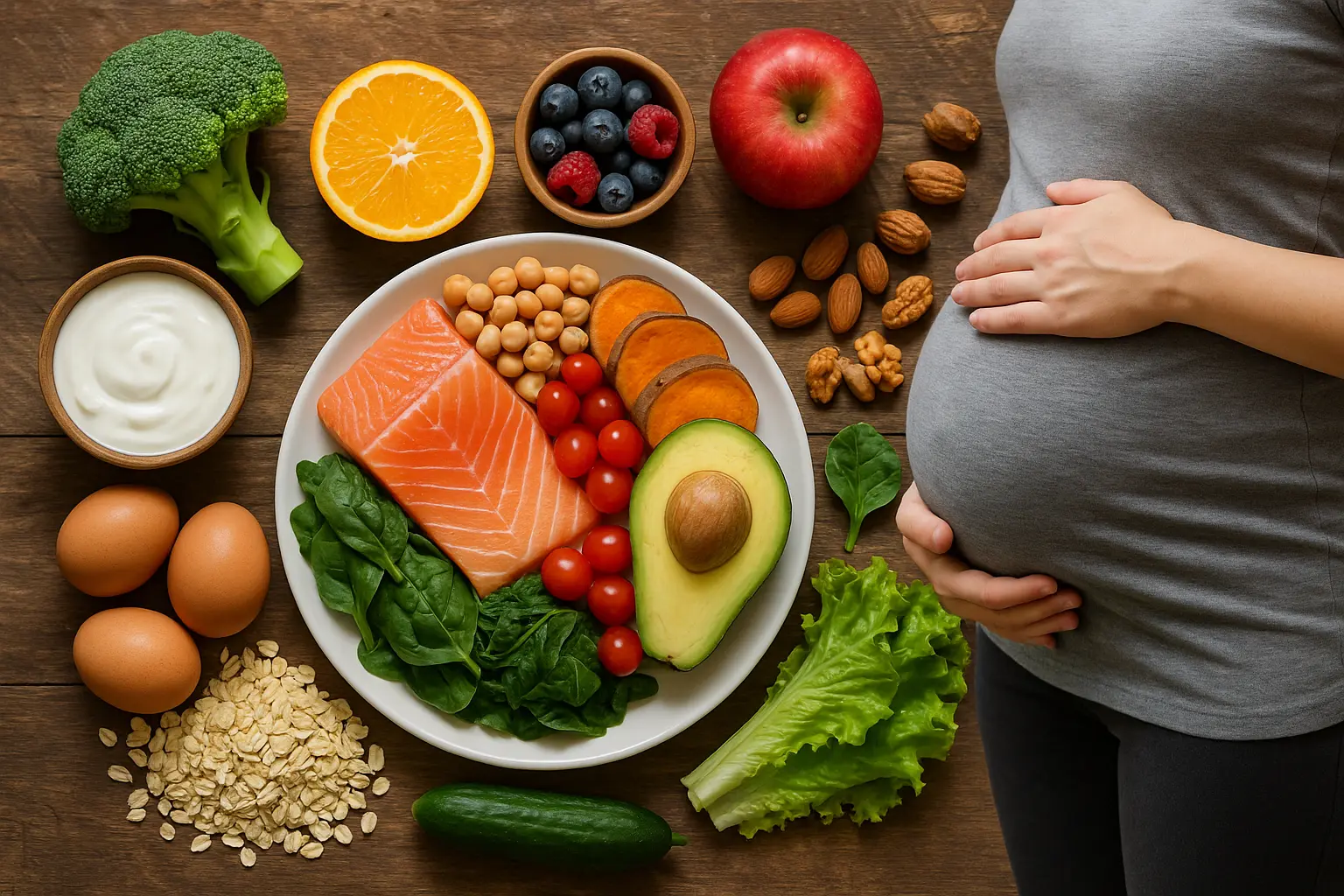
-
eat small, frequent meals: helps with digestion and nausea.
-
stay hydrated: aim for 8–10 glasses of water daily.
-
cook safely: avoid raw foods and ensure meats are thoroughly cooked.
-
limit junk food: occasional treats are fine, but prioritize whole foods.
-
take prenatal vitamins: they fill nutritional gaps your diet might miss.
dealing with common pregnancy diet challenges
morning sickness:
-
eat dry toast or crackers first thing in the morning
-
avoid greasy or spicy foods
-
stay hydrated with lemon-infused water
constipation:
-
increase fiber intake (fruits, vegetables, oats)
-
stay active with gentle walking or prenatal yoga
heartburn:
-
eat smaller meals
-
avoid lying down immediately after eating
-
skip acidic foods like citrus or tomato sauces
healthy pregnancy superfoods
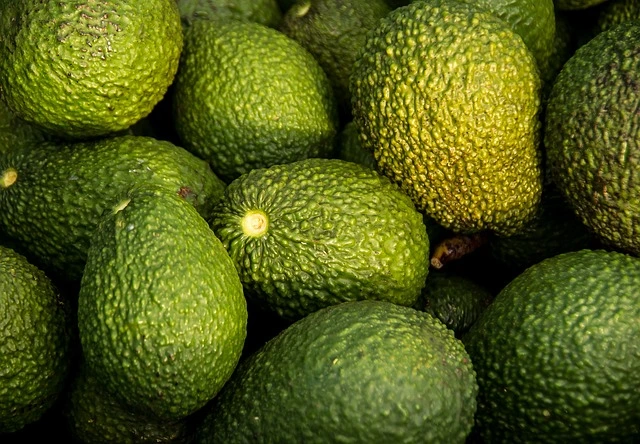
incorporate these power-packed foods into your diet for an added nutritional boost:
-
avocado: rich in folate, potassium, and healthy fats
-
sweet potatoes: high in vitamin a for baby’s cell growth
-
eggs: excellent protein and choline source
-
berries: antioxidants for immune support
-
lentils: great plant-based protein
-
leafy greens: calcium, iron, and fiber combo
hydration and fluids

hydration is often overlooked but critical during pregnancy. water helps with nutrient transport, amniotic fluid levels, and digestion.
drink options:
-
plain or infused water (add mint, cucumber, or lemon)
-
coconut water (natural electrolytes)
-
milk or fortified plant-based alternatives
avoid sugary sodas or high-caffeine drinks.
the role of supplements
while food should be your main source of nutrients, prenatal vitamins ensure you’re meeting key requirements, especially folic acid, iron, and vitamin d. always consult your doctor before taking any supplement.
a healthy pregnancy diet plan isn’t about restriction it’s about nourishment, balance, and care. by choosing nutrient-rich foods and listening to your body, you support both your baby’s growth and your own well-being throughout pregnancy.
from managing cravings to balancing nutrients across trimesters, the right meal choices can make pregnancy smoother, safer, and more enjoyable.

Carlene R. Priddy offers strategic advice and practical guidance for governorsbefore, during, and after their mandatesto strengthen governance and public leadership.