
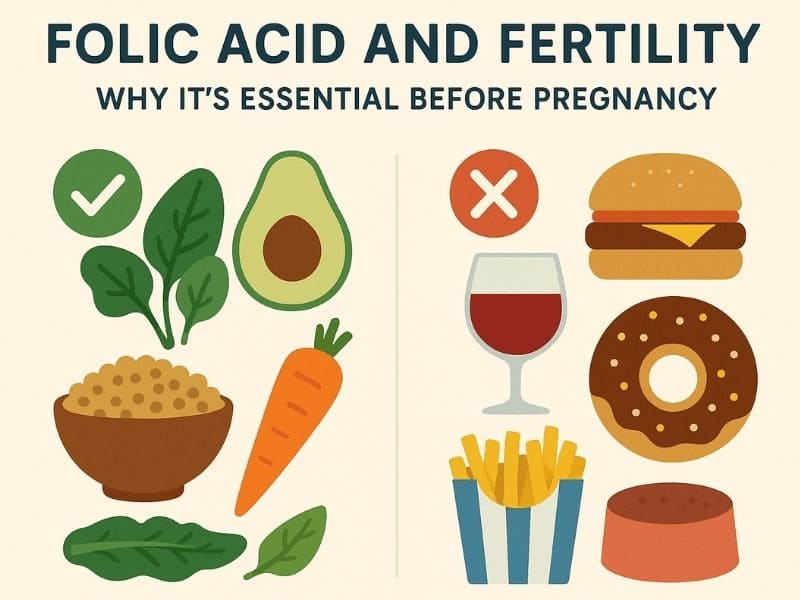
your fertility journey begins long before conception and one of the most powerful factors that can influence your chances of getting pregnant is your diet. what you eat affects hormone balance, ovulation, egg quality, sperm health, and even the uterine environment that supports early pregnancy. nourishing your body with the right nutrients can help prepare both you and your partner for conception, while avoiding harmful foods reduces the risk of hormonal disruption and inflammation.
this article explores which foods to include in your fertility diet and which ones to limit or avoid entirely. we’ll also cover how lifestyle, hydration, and meal timing can play a key role in boosting fertility naturally.
understanding the link between diet and fertility
fertility depends on many factors age, genetics, hormones, and overall health. however, research shows that nutrition plays a significant role in improvingreproductive outcomes. a balanced diet provides the essential vitamins, minerals, and antioxidants your body needs for:
-
regular ovulation
-
proper egg and sperm development
-
balanced estrogen and progesterone levels
-
healthy implantation
-
reduced oxidative stress on reproductive cells
on the other hand, diets high in processed fods, trans fats, and refined sugars can increase inflammation and disrupt hormones that control fertility.
so, if you’re trying to conceive, focusing on nutrient-dense, whole foods is one of the most effective natural ways to improve your reproductive health.
top fertility boosting foods to eat when trying to conceive
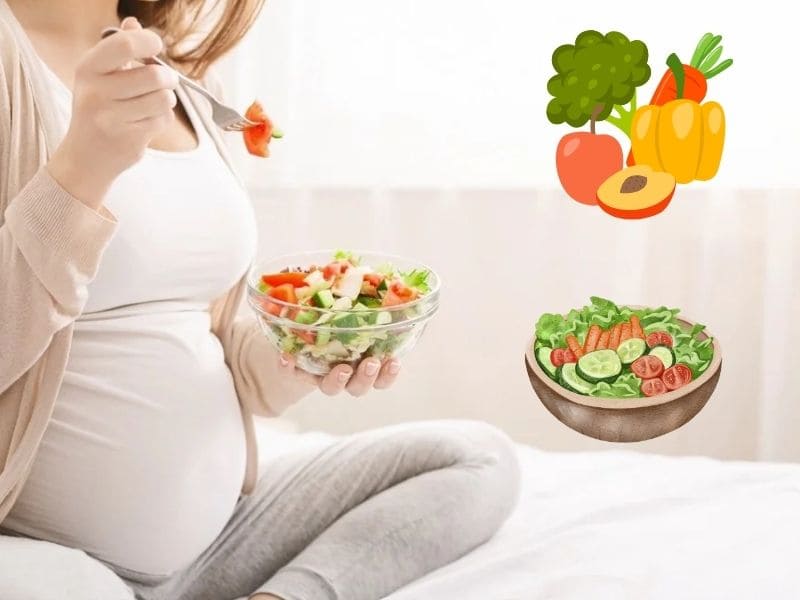
1. leafy green vegetables
dark, leafy greens like spinach, kale, swiss chard, and broccoli are packed with folate, a b-vitamin crucial for cell division and preventing birth defects in early pregnancy. folate also helps regulate ovulation and suports healthy egg development.
try adding a handful of spinach to your morning smoothie or having a kale salad for lunch. even a few servings a week can make a difference.
2. whole grains
swap refined grains (like white bread and pasta for whole grains such asquinoa, brown rice, oats, and barley. whole grains are rich in fiber, b-vitamins, and complex carbohydrates that stabilize blood sugar levels. stable blood sugar helps regulate insulin an important hormone linked to ovulation.
women with insulin resistance, such as those with pcos polycystic ovary syndrome), can particularly benefit from including more whole grains in their diet.
3. healthy fats
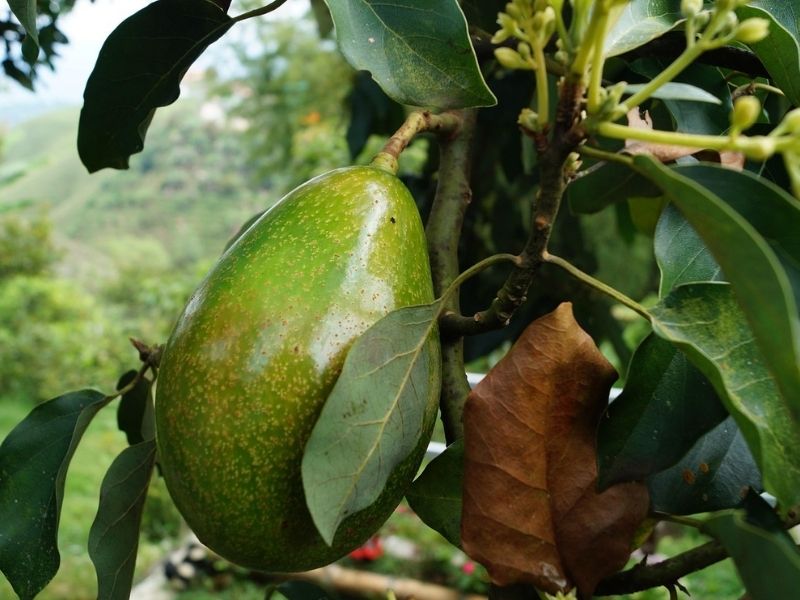
healthy fats are essential for hormone production and egg quality. focus on monounsaturated and omega-3 fatty acids, found in:
-
avocados
-
olive oil
-
fatty fish (salmon, sardines, mackerel)
-
nuts and seeds (chia, flaxseed, walnuts)
omega-3s also reduce inflamation in the body, improving blood flow to reproductive organs.
avoid trans fats commonly found in fried foods, margarine, and processed snacks as they’re linked to ovulation disorders and reduced fertility.
4. lean protein sources
your body needs protein for hormone synthesis and tissue repair. choose high-quality, lean sources like:
-
chicken
-
turkey
-
eggs
-
lentils
-
beans
-
tofu
try to balance your intake between animal and plant-based proteins. studies show that replacing some animal proteins with plant-based sources may lower the risk of ovulatory infertility.
5. dairy in moderation
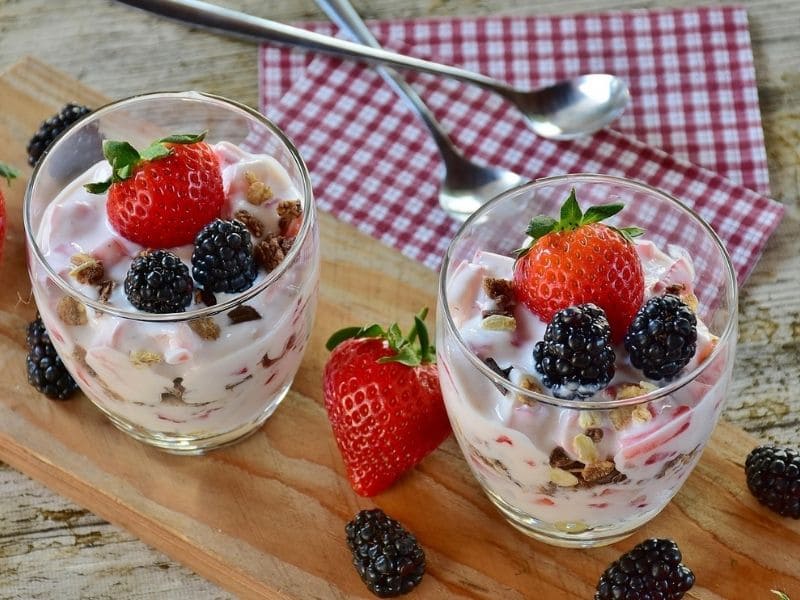
full-fat dairy products like yogurt, milk, andcheese can suport reproductive health when consumed in moderation. full-fat versions appear to improve ovulation compared to low-fat options, which may alter hormone balance.
opt for unsweetened greek yogurt topped with berries or nuts it’s rich in calcium, protein, and probiotics.
6. colorful fruits and vegetables
brightly colored produce like berries, oranges, carrots, and peppers are rich in antioxidants, which protect eggs and sperm from damage caused byfree radicals. aim for a rainbow of colors on your plate every day to get a wide range of vitamins and minerals.
-
vitamin c (in citrus fruits and bell pepers helps with iron absorption and hormone balance.
-
vitamin a (in carrots and sweet potatoes) supports healthy cell development.
-
polyphenols (in blueberries and raspberries) boost overall fertility health.
7. iron-rich foods
iron is vital for preventing anemia and supporting ovulation. low iron levels can lead to irregular cycles and reduced egg health.
good sources include lean red meat, lentils, spinach, fortified cereals, and pumpkin seeds. pair iron-rich foods with vitamin c sources to enhance absorption.
8. zinc and selenium-rich foods
zinc is necessary for egg and sperm development, while selenium protects cells from oxidative stress.
you can find zinc in oysters, beef, chickpeas, and pumpkin seeds. selenium is abundant in brazil nuts, sunflower seeds, and tuna.
9. hydration matters
staying hydrated helps maintain cervical mucus quality, which suports sperm mobility and fertilization. drink at least 2 liters of water daily and reduce caffeine intake, asexcessive caffeine can dry out cervical fluids.
10. prenatal vitamins and folic acid
if you’re trying to conceive, it’s highly recommended to start taking folic acid supplements even before pregnancy. folic acid not only prevents neural tube defects but also enhances egg health and ovulation.
in addition to folic acid, look for prenatal vitamins that include:
-
iron
-
calcium
-
vitamin d
-
b12
-
iodine
you can learn more about the importance of folic acid before conception in our detailed guide: folic acid and fertility: why it’s essential before pregnancy
foods to avoid when trying to conceive
not all foods support fertility some can actually harm your chances of conception by disrupting hormone levels, increasing inflammation, or affecting egg and sperm health. here’s what to limit or avoid altogether:
1. processed and fast foods

ultra-processed foods are high in unhealthy fats, sugars, and preservatives that can cause hormonal imbalances. trans fats, found in fried foods and packaged snacks, reduce blood flow to reproductive organs and negativel affect ovulation.
replace chips and fried snacks with homemade popcorn, baked sweet potato fries, or mixed nuts.
2. refined carbohydrates and sugar
too much sugar or refined carbs white bread, pastries, sodas) can lead to insulin resistance, especially in women with pcos. high insulin levels can interfere with ovulation and hormone balance.
choose complex carbs like brown rice and oats to keep blood sugar stable.
3. caffeine
moderate caffeine consumption is generally safe, but excessive intake (over 200 mg per day roughly two cups of coffemay increase the risk of miscarriage and delay conception.
try switching to herbal teas like chamomile or rooibos if you’re a heavy coffee drinker.
4. alcohol

alcohol can interfere with hormonal balance and reduce fertility in both men and women. it also increases oxidative stress and impacts liver function, which is vital for hormone metabolism.
for optimal fertility, limit alcohol consumption or avoid it entirely while trying to conceive.
5. high-mercury fish
some large fish, such as swordfish, shark, king mackerel, and certain types of tuna, contain high levels of mercury that can harm fetal development once pregnancy occurs. instead, opt for low-mercury options like salmon, sardines, and trout.
6. unpasteurized and raw foods
raw dairy, undercooked meats, and unpasteurized juices can carry harmful bacteria like listeria or salmonella, which can cause serious infections that impact early pregnancy.
make sure all animal products are cooked properly and dairy products are pasteurized.
7. soy in excess
while soy contains plantbased estrogens (phytoestrogen, consuming it in large quantities can disrupt hormonal balance for some women. moderate intake (like a serving of tofu or soy milk a few times a week) is typically safe.
8. artificial sweeteners
some studies suggest that artificial sweeteners, particularly aspartame and saccharin, may impact fertility and embryo development. opt for natural alternatives like honey, maple syrup, or stevia in small amounts.
fertility diet tips for both partners
fertility is not only a woman’s concern male nutrition plays an equally important role in conception. sperm quality, motility, and DNA integrity are all influenced by diet.
for men:
-
eat zinc and selenium-rich foods like oysters, brazil nuts, and eggs.
-
avoid smoking, alcohol, and processed meats.
-
maintain a healthy weight to support testosterone levels.
-
include antioxidants like vitamin c and e for sperm health.
for women:
-
track ovulation regularly to align nutrient intake with your cycle.
-
focus on healthy fats and whole grains.
-
avoid extreme calorie restriction or rapid weight loss.
lifestyle habits that support fertility
besides nutrition, your daily habits can significantly affect your fertility health.
-
manage stress: chronic stress increases cortisol, which can suppress ovulation. consider meditation, yoga, or journaling.
-
sleep well: aim for 7–8 hours of quality sleep to regulate reproductive hormones.
-
exercise moderately: both under-exercising and over-exercising can disrupt hormone levels.
-
avoid toxins: reduce exposure to plastics (especially bpa), pesticides, and synthetic fragrances.
creating your fertility-friendly meal plan
here’s a sample day for a fertility-boosting meal plan:
breakfast:
avocado toast on whole-grain bread with poached eggs and a glass of fortified orange juice
snack:
greek yogurt with blueberries and chia seeds
lunch:
quinoa salad with chickpeas, spinach, roasted vegetables, and olive oil dressing
snack:
a handful of walnuts and a piece of fruit
dinner:
grilled salmon, brown rice, and steamed broccoli
hydration:
plenty of water and herbal teas throughout the day
this plan focuses on balanced nutrition providing protein, fiber, healthy fats, and antioxidants that support hormone balance and overall fertility.
when trying to conceive, food becomes more than just fuel it’s a foundation for fertility and future health. choosing nutrient-rich, whole foods supports hormonal balance, egg and sperm quality, and overall reproductive wellness. at the same time, limiting sugar, processed foods, caffeine, and alcohol can significantly improve your chances of conception.
remember, fertility takes time and consistency. nourishing your body now not only helps you get pregnant but also lays the groundwork for a healthy pregnancy and baby. smal, intentional changes in your diet and lifestyle can make a lasting difference for both you and your future family.
