
Pregnancy is generally a healthy process, but complications can arise that require careful attention. Recognizing potential issues early allows for timely intervention, protecting both mother and baby. Understanding common conditions helps reduce anxiety and equips you to make informed choices. For a complete roadmap of prenatal health, the guide on pregnancy care offers detailed advice covering all stages and scenarios.
Gestational Diabetes
Gestational diabetes occurs when blood sugar levels rise during pregnancy. Regular screenings between 24 and 28 weeks help detect it early. Managing gestational diabetes involves monitoring blood sugar, adjusting diet, and sometimes using medication. Proper management reduces risks for both mother and child, including excessive birth weight and delivery complications. Lifestyle adjustments, including balanced meals and regular activity, are key to keeping blood sugar under control.
Hypertension and Preeclampsia
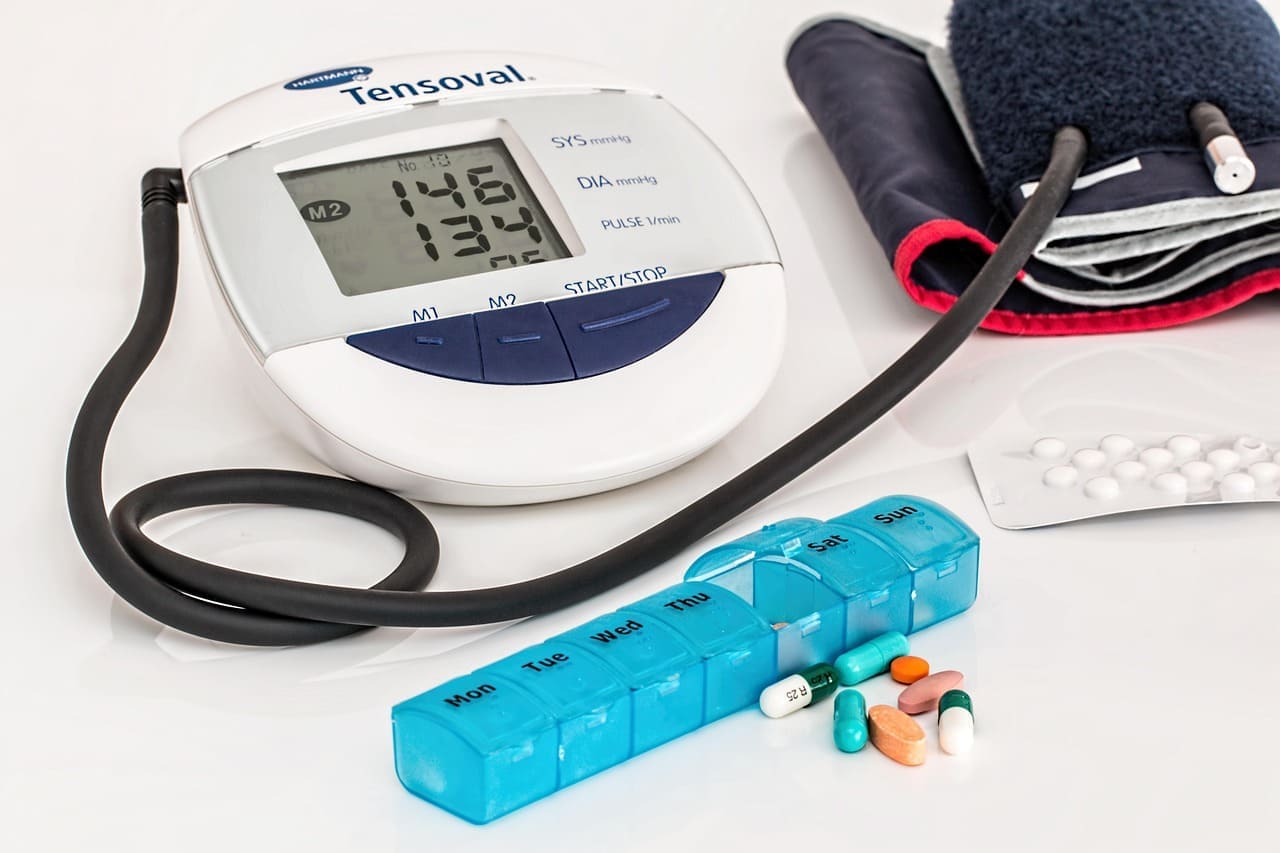
High blood pressure during pregnancy can lead to preeclampsia, a serious condition affecting organs and the placenta. Regular prenatal visits monitor blood pressure and protein levels in urine. Symptoms such as severe swelling, headaches, or vision changes should be reported immediately. Early detection allows interventions that can prevent complications, including preterm birth or growth restriction. Providers may recommend dietary adjustments, monitoring at home, or medications when necessary.
Hyperemesis Gravidarum
Some women experience extreme nausea and vomiting, known as hyperemesis gravidarum. This condition can lead to dehydration and weight loss if untreated. Management includes hydration, dietary adjustments, and sometimes medication. Support and monitoring from your healthcare provider ensure the condition is controlled while maintaining nutrient intake essential for fetal development. Understanding triggers and safe remedies helps women cope more effectively.
Placental Complications
Issues such as placenta previa or placental abruption require careful management. Regular ultrasounds detect abnormalities, and treatment plans may include modified activity, close monitoring, or planned delivery adjustments. Awareness of warning signs such as bleeding or abdominal pain allows prompt action to protect maternal and fetal health. Collaboration with your provider ensures personalized care and preparedness for any situation.
Preterm Labor Risks

Preterm labor, defined as labor before 37 weeks, can lead to complications for the baby. Recognizing signs such as regular contractions, lower back pain, or fluid leakage is essential. Prenatal visits include screening for risk factors and guidance on preventing preterm birth. Interventions may include lifestyle changes, medications, or close observation to prolong pregnancy safely.
When to Seek Extra Help
Even with regular care, some complications may arise suddenly. Persistent pain, bleeding, reduced fetal movement, or unusual symptoms should prompt immediate consultation. Knowing what is normal versus concerning empowers mothers to act quickly, improving outcomes for both parent and child.
Preventive Measures and Lifestyle

Maintaining a healthy lifestyle reduces the likelihood of certain complications. Balanced nutrition, safe exercise, stress management, and adherence to prenatal appointments all contribute to risk reduction. Vaccinations and avoiding harmful substances also play a role in protecting maternal and fetal health.
Conclusion
Being informed about potential pregnancy complications enhances preparedness and peace of mind. Early recognition and timely care help manage risks effectively. For additional guidance on supporting a healthy pregnancy through diet, see the article on nutrition during pregnancy, which complements management strategies with practical dietary advice.
