
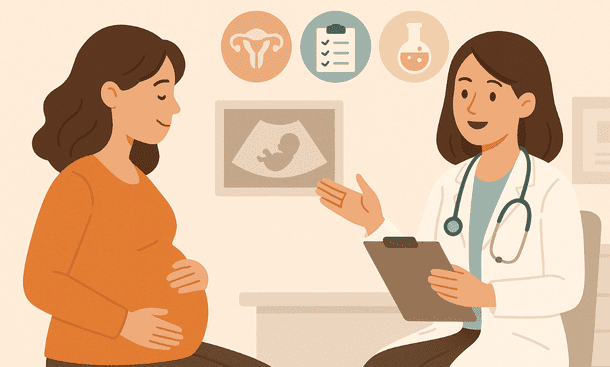
Preparing for a baby often begins long before a positive test. Many women feel the need to make sure their body is ready, strong, and safe for the months ahead. A pre pregnancy health check gives clarity and reassurance. It helps identify what needs attention and guides you toward healthier habits that support fertility. As someone who has spent years writing about pregnancy preparation, I often see how much peace of mind this first step brings. It sets the tone for a more confident journey and connects naturally with a wider pre pregnancy checklist that shapes the months before conception.
A health check before trying to conceive is simple in most cases, yet it covers powerful essentials. It blends routine exams, targeted tests and meaningful conversations with a doctor. All of these help you understand your baseline health. You gain a clear picture of your cycle, hormones, immunity and risks that may affect fertility or pregnancy. For many women it becomes the moment when planning shifts from intention to action. It is a chance to take control of your body and start preparing with purpose.
Some women delay this step because it feels intimidating. The truth is that it rarely brings complications. Most receive positive confirmation and a few helpful adjustments to improve their chances of conceiving. When something unexpected appears, it is better to know now rather than during pregnancy. Understanding your health early gives time to treat issues and build a safer foundation.
General medical assessment
The first part of a pre pregnancy health check is often a general physical exam. This includes weight, blood pressure and discussion about your medical history. It may sound basic but these details influence fertility more than many expect. Stable blood pressure reduces risks later in pregnancy. Healthy weight supports hormone balance and regular ovulation. A doctor may discuss your lifestyle, work environment, sleep routine and stress levels because each plays a role in conception.
A review of your family medical history also matters. Conditions such as diabetes, thyroid disorders or genetic diseases have patterns across generations. Identifying them early helps you understand potential risks. It does not mean a problem will appear. It simply guides your doctor to run the right tests or offer the right monitoring.
Blood tests and screenings
Blood work is usually the most helpful part of a pre pregnancy check. It gives precise information that cannot be seen in a regular exam. Many women discover small vitamin deficiencies or mild imbalances that are easy to correct but important to address before pregnancy.
Common tests include:
-
Complete blood count to check iron levels and overall health
-
Thyroid hormones, because underactive or overactive thyroid affects fertility
-
Blood sugar levels, especially if you have a family history of diabetes
-
Vitamin D, often low and linked to fertility
-
Rubella immunity to ensure you are protected
-
Screening for infections such as hepatitis B, HIV or syphilis depending on medical recommendations
These tests create a detailed picture of your internal health. When results show irregularities the solutions are usually simple. Supplements, medication or lifestyle changes can correct them. Many women experience improved cycles and easier conception after balancing iron, vitamin D or thyroid hormones.
Fertility-focused evaluation
A pre pregnancy health check often includes discussions about your menstrual cycle. Understanding its length, regularity and symptoms gives important clues about ovulation. If your cycle differs each month or you have strong cramps or irregular bleeding the doctor may suggest more assessments. These can include hormone tests such as FSH, LH and progesterone.
For some women an ultrasound is part of the check. It helps look at the uterus and ovaries to detect conditions like fibroids or ovarian cysts. These conditions do not always affect fertility but knowing about them early helps guide decisions. If you have been trying to conceive without success for a while the doctor may also recommend a partner’s sperm analysis. Fertility is a shared journey, and both sides matter.
Vaccination updates
Many women overlook vaccinations when planning pregnancy. Yet they play a crucial role in protecting you and your future baby. Doctors usually check your immunity for rubella and varicella. If your protection is low you may need a vaccine before trying to conceive. Some vaccines require waiting periods before pregnancy, which makes early planning useful.
Flu and COVID vaccines may also be recommended depending on your situation. Pregnant women face higher risks with certain infections. Starting pregnancy fully protected reduces worries and complications.
Lifestyle and medication review
A health check is an opportunity to assess your habits in a practical way. Even small changes can support fertility. Doctors often discuss nutrition, activity levels and sleep quality. They may suggest adding folic acid, improving protein intake or reducing processed foods. Smoking, alcohol and caffeine intake are also reviewed because they influence ovulation and early embryo development.
Medication review is another important step. Some prescriptions and over-the-counter drugs are not recommended during pregnancy. Your doctor can offer alternatives or adjust doses to keep you safe once you conceive.
Mental and emotional well-being
Preparing for pregnancy is not only physical. Emotional readiness plays a quiet but powerful role. Women often feel pressure, excitement and fear at the same time. A good health check includes space to talk about mood, stress and support systems. You may discuss work stress, relationship communication or previous pregnancy experiences. Mental balance supports hormonal stability and makes the process smoother.
Many women forget that anxiety, burnout and emotional load can affect the cycle and reduce the chances of conception. Opening the conversation early creates space for healthier habits. This can include better sleep, relaxation techniques or therapy if needed.
Building a personalised plan
After reviewing your results, you and your doctor can create a simple plan for the months ahead. It may include adjusting your diet, taking supplements, managing stress, tracking your cycle or addressing a medical condition. Each step should feel manageable. Preparation is about steady progress, not perfection.
This plan becomes your guide in the weeks before trying to conceive. It helps you feel informed rather than overwhelmed. Many women find that this clarity boosts confidence and reduces worry during the first months of pregnancy.
A pre pregnancy health check is a thoughtful and empowering step. It reveals how your body is functioning, what needs attention and how to improve your chances of a healthy conception. The process is not complex. It is a natural conversation between you and your doctor about your well-being and your goals. Most of the adjustments are simple and bring real benefits over time. For more support in building your preparation plan you can explore our guide on the best pre pregnancy vitamins which connects smoothly with the next steps of your journey.
