
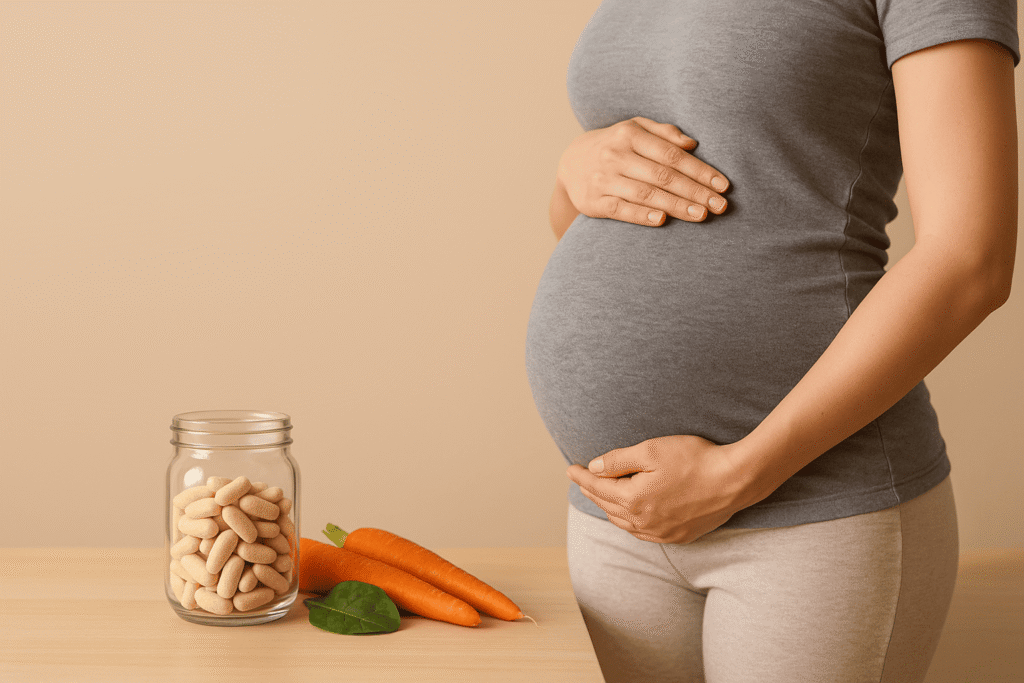
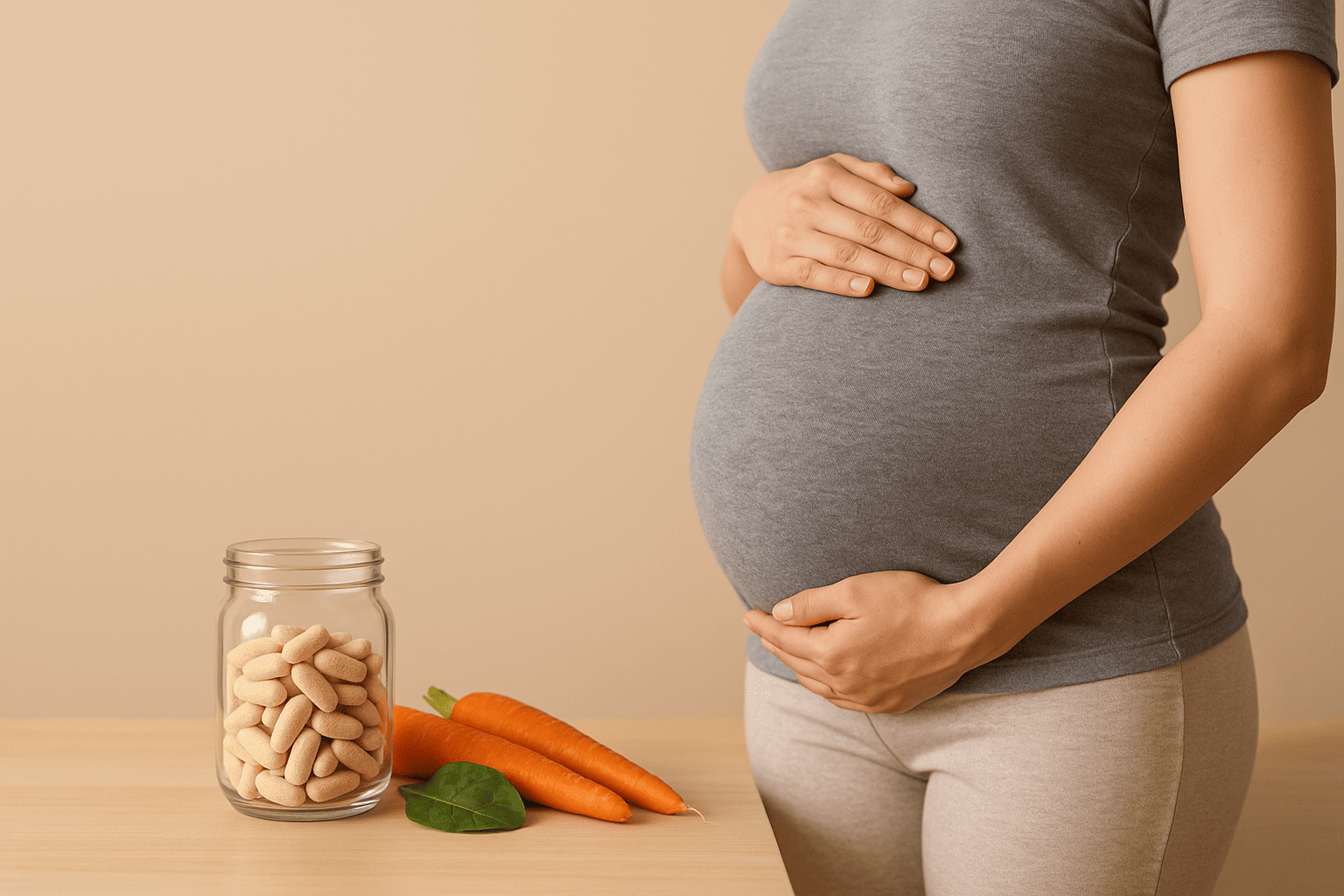
Preparing for pregnancy begins with nourishing your body. Vitamins and minerals shape hormone balance, ovulation quality and early fetal development. Many women think supplements matter only after a positive test, but the months before conception are just as important. I have seen countless women feel more energetic and confident once they start supporting their body early. It becomes part of a broader routine that blends naturally with a full pre pregnancy checklist and helps you move toward conception with clarity.
Pre pregnancy vitamins are not just a bag of pills. They are targeted nutrients that fill common gaps in a modern diet. Even with balanced meals many women lack folate, vitamin D, iron or omega 3. These nutrients influence fertility long before pregnancy begins. When levels are low cycles can become irregular or ovulation may weaken. Supporting your body early improves your chances and helps the first weeks of pregnancy progress smoothly.
Supplements do not replace food. They reinforce it. Think of them as a foundation that ensures your body has everything it needs during the delicate first days of embryo development. At that moment you may not even know you are pregnant, which is why starting early matters.
Why pre pregnancy vitamins matter
Your body uses vitamins to regulate hormones, produce healthy eggs and prepare the uterine lining. Folate reduces the risk of neural tube defects. Vitamin D supports fertility and immune balance. Iron prevents early fatigue and supports blood production. Omega 3 improves cell structure and helps early brain development.
When these nutrients are low your body works harder. Hormones may fluctuate and you may feel tired or stressed more easily. A simple supplement routine strengthens your baseline and supports regular cycles. Women often notice better energy and fewer symptoms like mood swings or headaches once deficiencies are corrected.
Key vitamins to take before conceiving
Each nutrient has a clear purpose. Building the right combination helps you prepare in a complete way.
Folic acid or methylated folate
This is the most essential nutrient for pre pregnancy care. It supports cell division and early neural tube development. Doctors usually recommend at least 400 mcg per day. Some women choose methylated folate, which is easier for the body to absorb if you have a genetic variation that affects folic acid processing.
Vitamin D
Low vitamin D is common. It affects ovulation, immune balance and energy. Healthy levels support both conception and early pregnancy. Sun exposure helps but supplements often remain necessary. Blood tests can confirm if your levels need support.
Iron
Iron deficiency leads to fatigue and can affect ovulation. It also raises the risk of anemia once you are pregnant. Women with heavy periods or a vegetarian diet often need additional iron. Taking it before conceiving helps you avoid drops later.
Omega 3 (DHA and EPA)
Omega 3 supports hormone balance and early brain development. Many women do not consume enough fatty fish to meet their needs. A good quality omega 3 supplement is useful before and during pregnancy.
Vitamin B12
B12 works closely with folate. It supports energy, mood and red blood cell production. Women who eat little animal protein or follow a plant-based diet may need supplementation.
Iodine
Iodine supports thyroid function. The thyroid plays a major role in fertility. Even slight imbalances can affect cycles. Many prenatal vitamins include iodine for this reason.
Choline
Choline contributes to neural development and cell function. Many women do not consume enough through diet alone. Adding it before pregnancy supports early fetal growth.
Choosing the right prenatal vitamin
The market offers countless prenatal vitamins. The goal is not to choose the most expensive one. It is to choose one that matches your needs. A good prenatal should include folate, B12, vitamin D, iodine and iron unless you have a specific reason to avoid iron. Omega 3 is often sold separately because it requires an oil-based capsule.
Look for a supplement with transparent doses and simple ingredients. Some products contain unnecessary additives or very high doses that offer no benefit. If you already know your blood levels for vitamin D or iron you can choose a formulation that fits your results.
Consistency is more important than perfection. Taking your vitamin at the same time every day helps your body absorb nutrients steadily.
How vitamins support fertility
Balanced nutrients help regulate hormones, support egg quality and strengthen the uterine lining. Folate and B vitamins help your body produce DNA and healthy cells. Vitamin D plays a role in ovarian function. Omega 3 helps hormonal pathways stay stable. These nutrients also help reduce inflammation, which can affect cycle regularity.
Women with irregular cycles often see improvements after correcting deficiencies. It may take a few weeks to feel changes. Your body needs time to adjust, build reserves and restore balance. Many women describe feeling calmer, more energetic and more stable emotionally. These are signs that your body is preparing well.
When to start taking pre pregnancy vitamins
Starting at least three months before trying to conceive is ideal. Egg maturation lasts around ninety days. Nutrients you take today affect the egg you will release three months from now. If pregnancy happens earlier than expected the vitamins already support the early stages of development.
If you have been off vitamins for a long time or have irregular cycles you may benefit from starting even earlier. There is no downside to supporting your body ahead of time.
Lifestyle habits that reinforce vitamin benefits
Supplements work best alongside everyday choices. Small habits amplify their effects.
-
Eat balanced meals with protein, whole grains and vegetables
-
Add healthy fats like olive oil, nuts and salmon
-
Drink enough water
-
Keep caffeine intake moderate
-
Support stress reduction through walking or gentle exercise
-
Maintain regular sleep
Each of these habits helps your body use vitamins effectively. They create a stable environment for hormone regulation.
Common mistakes to avoid
Some women take multiple supplements without checking interactions. More does not always mean better. Stick to essentials unless your doctor recommends otherwise. Avoid switching brands constantly because your body needs stability. Do not skip days often because results depend on consistency. Also remember that supplements are not a replacement for nutritious meals.
Building confidence through preparation
Pre pregnancy vitamins give you a sense of control. They make the process feel intentional rather than uncertain. Many women enjoy the routine because it marks the beginning of their journey toward motherhood. It feels meaningful to care for your body in ways that support a future baby.
If you feel unsure about which vitamins to choose a doctor or nutritionist can guide you. You can also use blood tests to personalise your routine. The key is to begin with simple steps that you can maintain easily.
The right pre pregnancy vitamins create stronger foundations for conception and early fetal development. They support your energy, balance your hormones and prepare your body in a gentle but effective way. Starting early makes a real difference. For more support in your preparation you can explore our guide on ovulation and fertility timing which fits naturally into the next stage of your journey.
