
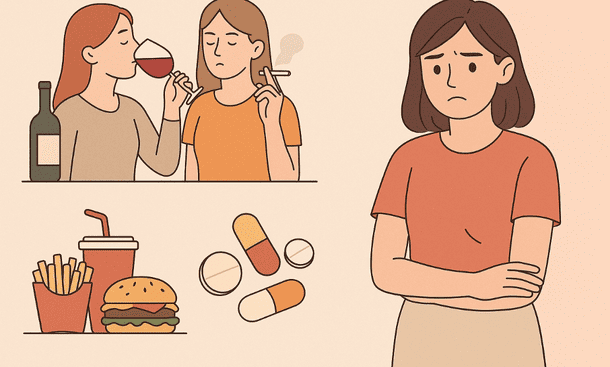
Preparing for pregnancy is as much about knowing what to avoid as it is about taking positive steps. Certain habits, substances, and environmental exposures can affect fertility or the early stages of development. Awareness of these risks allows you to make adjustments that improve your chances of conceiving and support a healthier pregnancy. This guidance naturally connects with a broader pre pregnancy checklist that helps you take control of both your body and environment.
Many women focus solely on supplements or medical tests, but the choices made in daily life can have a major impact. Small adjustments in lifestyle, diet, and exposure can enhance fertility. Understanding what to avoid empowers you to make practical, sustainable changes that support your goal of becoming pregnant.
Lifestyle habits to reconsider
Some habits can disrupt hormonal balance or interfere with ovulation. Smoking, even occasionally, reduces fertility and increases the risk of complications once pregnant. Quitting well before conception improves both your health and that of your future baby.
Alcohol consumption is another factor. Even moderate intake may affect egg quality and early fetal development. Reducing or eliminating alcohol before pregnancy gives your body a stronger start.
Caffeine in high amounts can influence hormone balance and may slightly reduce fertility. Limiting intake to moderate levels, typically under 200 mg per day, is recommended when trying to conceive.
Medications and supplements
Certain medications can impact fertility or early pregnancy. Prescription drugs for chronic conditions, over-the-counter pain relievers, and herbal supplements may need review. A doctor can help adjust medications safely. Avoid self-adjusting doses, as abrupt changes may create other risks.
Supplements are generally beneficial, but taking extremely high doses of certain vitamins can be harmful. Stick to recommended levels unless advised otherwise by a healthcare professional.
Environmental exposures
Everyday environments may contain chemicals that affect fertility. Pesticides, heavy metals, and certain cleaning products can be harmful. Minimizing exposure by choosing natural cleaning supplies, filtering water if necessary, and handling chemicals with care helps protect reproductive health.
High heat exposure, such as frequent hot tubs or saunas, may also affect ovulation or sperm quality. Moderation and awareness help reduce unnecessary risks.
Stress and sleep
Chronic stress can interfere with hormone regulation. While it is impossible to eliminate all stress, creating routines for relaxation, mindfulness, or gentle exercise helps your body function optimally.
Sleep patterns matter as well. Irregular or insufficient sleep can disrupt cycles and affect ovulation. Prioritizing consistent, quality sleep supports overall reproductive health.
Foods to be cautious about
Certain foods carry risks for conception or early pregnancy. Raw or undercooked meats and fish may contain bacteria or parasites. Unpasteurized dairy can also be risky. Limiting these foods before conception reduces exposure to harmful pathogens.
Some women benefit from reducing processed foods high in sugar or trans fats, as they may affect hormone balance and fertility. Focusing on a balanced diet supports your body’s readiness for pregnancy.
Timing and awareness
Avoiding risks before conception is most effective when done consistently for several months prior. Many substances, such as alcohol or certain medications, take time to clear from the body. Early adjustments provide a stronger foundation for conception and early development.
Creating a supportive environment
Discussing habits and exposures with your partner is also important. Lifestyle changes are easier when shared, and coordinated planning supports both partners’ reproductive health. Small, intentional steps create an environment where conception is more likely and healthier outcomes are supported.
Knowing what to avoid before getting pregnant strengthens your chances and promotes a healthier start for both mother and baby. Attention to lifestyle, medications, environmental factors, and stress creates a solid foundation for conception. To complement these precautions, you can explore our guide on building your own pregnancy preparation checklist, which offers practical steps to organize and track your pre-pregnancy readiness.
