
Introduction
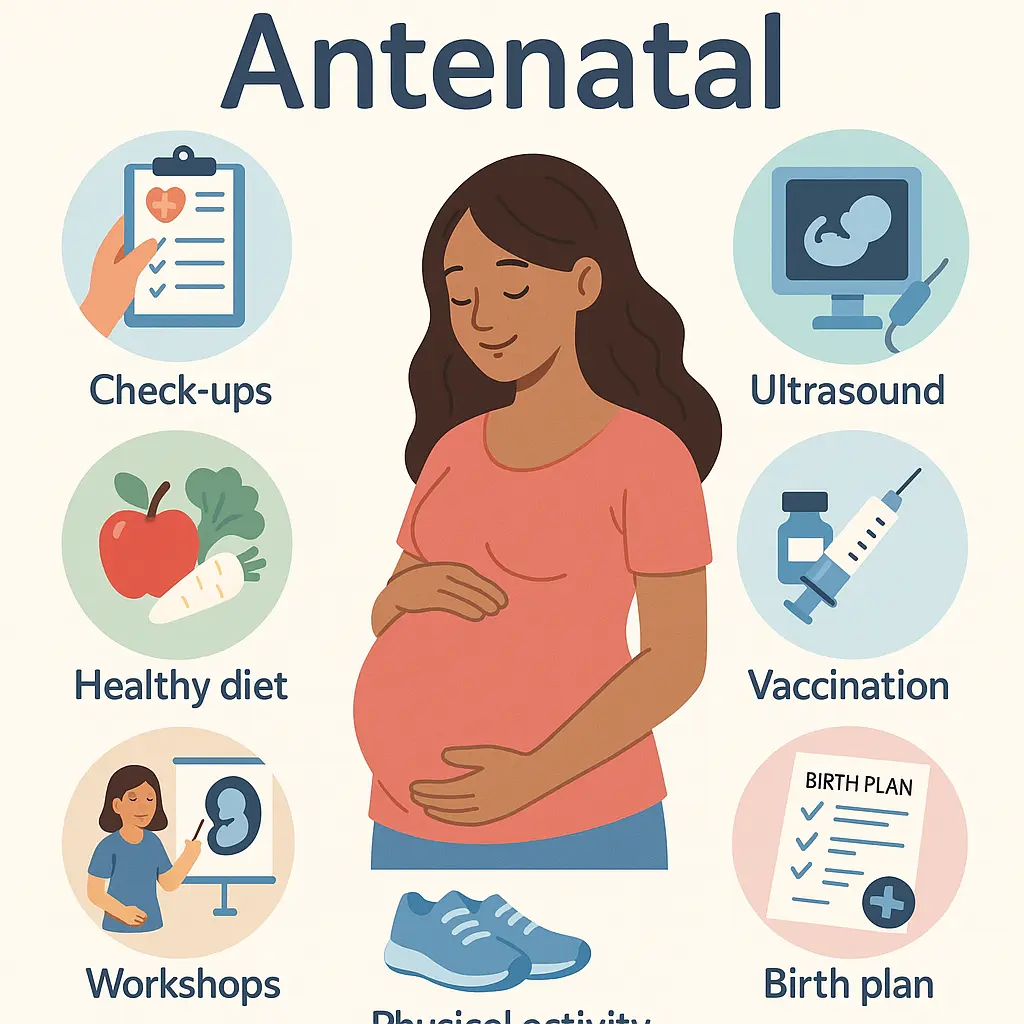
Pregnancy is a journey filled with excitement, change, and anticipation. To make sure both mother and baby remain healthy, proper antenatal care is essential. Antenatal refers to the period before birth, focusing on medical checkups,lifestyle adjustments, and emotional well-being during pregnancy.
Whether this is your first baby or your third, understanding the essentials of antenatal care will help you feel prepared and confident every step of the wa
What is antenatal care?

Antenatal care is a series of health services designed to monitor and improve the well-being of pregnant women and their babies. It include
-
Regular medical checkup.
-
Nutritional guidance
-
Screening for potential complications.
-
Emotional and physical support.
The World Health Organization (WHO) recommends at least eight antenatal visits throughout pregnancy to ensure better outcomes for both mother andchild
Why antenatal care matters
Neglecting antenatal care can put both mother and baby at risk. Here’s why antenatal visits are crucial:
-
Early detection of complications such as gestational diabetes, preeclampsia, or anemia.
-
Monitoring fetal development through ultrasounds and heartbeat checks.
-
Nutritional advice to support healthy growth.
-
Emotional support and guidance for first-time parents.
First trimester antenatal steps

The first trimester sets the foundation for a healthy pregnancy.
Book your first antenatal appointment
Schedule your initial antenatal visit as soon as pregnancy is confirmed. Your doctor will run blood tests, review medical history, and provide essential advic
Start prenatal supplements
Folic acid, iron, and vitamin D are usually recommended during this stage to support early fetal development.
Adjust lifestyle habits
Avoid smoking, alcohol, and limit caffeine. These antenatalprecautions protect your baby’s growth.
second trimester antenatal steps

During the second trimester, your energy levels usually rise, making it a good time to strengthen antenatal routines.
Regular antenatal checkups
Expect ultrasounds, blood pressure checks, and weight monitoring. These visits help ensure your baby is developing on track
Balanced nutrition and exercise
Incorporate protein, leafy greens, and omega-3s. Gentle activities such as antenatal yoga and swimming are safe and beneficial.
Gender scan and growth monitoring
Many women undergo a mid-pregnancy ultrasound (around 20 weeks) to assess baby growth and anatomy.
Third trimester antenatal steps

The final trimester prepares you for labor and delivery
Frequent antenatal visit
Checkups may increase to every two weeks, then weekly closer to delivery. These visits monitor blood pressure, baby’s position, and fetal heartbeat.
Antenatal classes
Childbirth education classes teach breathing techniques, labor stages, and newborn care. They also reduce anxiety and prepare partners for support role
Hospital preparation
Discuss your birth plan, understand pain management options, and pack your hospital bag inadvance.
Antenatal self-care practices

Alongside medical visits, selfcare is a cornerstone of antenatal health.
-
Sleep well with supportive pillow
-
Hydrate to prevent fatigue and swelling.
-
Practice relaxation through meditation or antenatal breathingexercises.
-
Stay connected with your support network to avoid isolation
Common myths about antenatal care
-
Myth Antenatal care is only necessary for first pregnancies.
-
Truth Every pregnancy is different; regular care is essential for all.
-
Myth You only need antenatal visits if you feel unwell.
-
Truth Many complications have no symptoms early on. Preventive care is key
Conclusion
Antenatal care is more than medical checkupsit’s a complete approach to ensuring a safe pregnancy and a healthy baby. From your first trimester appointment to your last hospital visit, following proper antenatal steps will help you feel informed, confident, and prepared for motherhood. Want to stay fully organized? Check out our pregnancy checklist article for a detailed step-by-step guide to pair with your antenatal journey.
