

Look I’m gonna be straight with you. Pregnancy is beautiful and miraculous and all that but it also comes with some seriously uncomfortable symptoms that nobody warned you about. I’m Carlene and I’ve been working with pregnant women here in New York City for years helping them navigate everything from morning sickness that lasts all day to back pain that makes you walk like you’re 80 years old.
The thing is most women expect some discomfort during pregnancy but they don’t realize just how miserable nausea fatigue and back pain can make you feel. You’re growing a whole human being inside your body which is incredible but it also means your body goes through massive changes that affect pretty much everything. Your hormones go crazy your center of gravity shifts your organs get squished and your energy gets redirected to building your baby.
What frustrates me is that too many women think they just have to tough it out and suffer through nine months of feeling awful. That’s not true. There are safe effective ways to manage the most common pregnancy symptoms without harming your baby. Some involve simple lifestyle changes some use natural remedies and yes sometimes medication is appropriate when used correctly.
I’ve seen women who were absolutely miserable in their first trimester barely able to function because of nausea and fatigue. Then after trying some targeted strategies they felt like themselves again. I’ve watched women with debilitating back pain learn exercises that gave them real relief without needing drugs. The difference between suffering and managing symptoms often comes down to having the right information and tools.
This guide covers the big three pregnancy symptoms that affect most women at some point. Morning sickness and nausea usually hit hardest in the first trimester though some unlucky women deal with it longer. Fatigue comes in waves hitting hard in the first trimester easing up in the second and then coming back with a vengeance in the third. Back pain tends to get worse as your belly grows and your posture changes to accommodate the extra weight up front.
I’m gonna walk you through why these symptoms happen what you can do about them safely and when you need to stop trying to handle it yourself and call your doctor. Everything I recommend here is based on solid research and real experiences from women who’ve been exactly where you are. No gimmicks no unrealistic promises just practical strategies that actually work.
The goal isn’t necessarily to eliminate every uncomfortable symptom completely. Some level of discomfort is normal during pregnancy and your body is working hard to do something amazing. But you should be able to function and enjoy your pregnancy without being completely miserable. You deserve to feel as good as possible while you’re growing your baby.
Understanding Common Pregnancy Symptoms
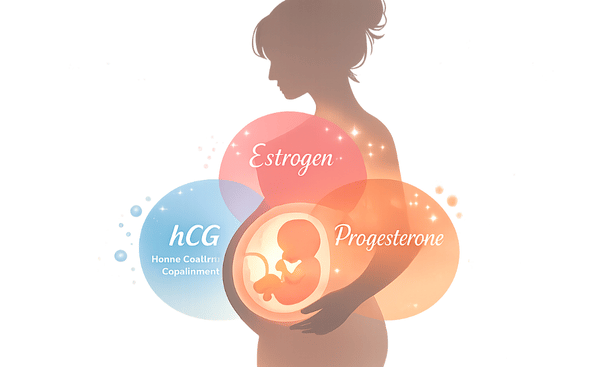
Before we dive into solutions let’s talk about why pregnancy makes you feel so crummy in the first place. Understanding what’s happening in your body helps you make sense of the symptoms and choose the right strategies to manage them.
The first culprit is hormones. When you get pregnant your body starts producing massive amounts of hormones that it didn’t need before. Human chorionic gonadotropin or HCG is the pregnancy hormone that makes your test positive and it skyrockets in early pregnancy. This hormone is largely responsible for nausea and vomiting. Your progesterone levels also shoot up and progesterone is basically nature’s sleeping pill which explains why you feel exhausted all the time.
Estrogen levels increase dramatically too and high estrogen affects your sense of smell making it superhuman in the worst possible way. Suddenly you can smell garbage from three blocks away and odors that never bothered you before make you want to throw up. All these hormonal changes peak in the first trimester which is why that’s usually the roughest time for nausea and fatigue.
Your body also goes through major physical changes that cause discomfort. Your blood volume increases by almost 50 percent during pregnancy which means your heart has to work way harder to pump all that blood around. Your metabolism speeds up to support the baby’s growth. Your organs get pushed around as your uterus expands. All of this requires massive amounts of energy which is why you feel like you could sleep standing up.
As your belly grows your center of gravity shifts forward and your posture changes to compensate. The natural curve in your lower back becomes more pronounced which puts extra strain on your back muscles and ligaments. A hormone called relaxin loosens all your joints and ligaments to prepare your pelvis for childbirth but it affects your whole body making your spine less stable and more prone to injury.
The timing of symptoms follows a pretty predictable pattern for most women though everyone’s experience is different. Nausea usually starts around week 6 peaks between weeks 9 and 11 and then starts to improve in the second trimester. About 80 percent of women get relief by week 14 but some deal with it throughout pregnancy. Fatigue hits hard in the first trimester improves significantly in the second trimester and then comes back in the third trimester when you’re carrying around a lot of extra weight and probably not sleeping well.
Back pain can start anytime but it usually gets worse as pregnancy progresses and your belly gets bigger. By the third trimester about 50 to 70 percent of pregnant women deal with some level of back pain. The good news is that all of these symptoms are completely normal and they don’t mean anything is wrong with you or your baby. Your body is just working incredibly hard to do something amazing.
Some symptoms do warrant medical attention though. Severe vomiting where you can’t keep any food or liquids down for 24 hours could be hyperemesis gravidarum which requires treatment. Extreme fatigue accompanied by pale skin dizziness or shortness of breath could indicate anemia. Severe back pain with numbness tingling or loss of bladder control needs immediate evaluation.
The key is knowing the difference between normal pregnancy discomfort and warning signs that something more serious is going on. When in doubt call your doctor. That’s what they’re there for and they’d much rather you call about something that turns out to be normal than ignore something that needs attention.
Understanding why these symptoms happen helps you feel less frustrated and more in control. You’re not weak or doing something wrong. Your body is going through one of the most intense physical transformations it will ever experience and some discomfort comes with the territory. The strategies in the rest of this guide will help you manage that discomfort so you can actually enjoy your pregnancy instead of just surviving it.
Managing Morning Sickness and Nausea Safely

Morning sickness is hands down one of the most miserable parts of early pregnancy and whoever named it morning sickness clearly never experienced it because for most women it lasts all day long. That constant queasy feeling makes it hard to work hard to take care of other kids hard to do anything except lie on the couch and pray for it to pass.
The first thing you need to know is that nausea during pregnancy is actually a good sign. Research shows that women who experience nausea and vomiting have lower rates of miscarriage. That doesn’t make it any more pleasant but it might help you feel less frustrated when you’re hugging the toilet at 3 pm. Your body is protecting your baby by making you extra sensitive to anything that could potentially be harmful.
Let’s start with the natural remedies that actually work for morning sickness because a lot of women prefer to try non medication options first. Ginger is the gold standard and there’s solid research backing it up. Studies show that ginger can reduce nausea and vomiting by about 50 percent which is honestly incredible for a natural remedy.
The key is using real ginger not just ginger flavored products. Fresh ginger tea made by steeping thin slices of ginger root in hot water works great. Ginger candies or chews that contain actual ginger help when you’re on the go. Some women take ginger capsules which you can find at any pharmacy usually around 250 mg three times a day. Crystallized ginger kept in your purse or on your nightstand is clutch for when nausea hits suddenly.
Vitamin B6 is another natural option that’s been extensively studied and recommended by major medical organizations. Most doctors suggest 25 mg three times a day and you can buy it over the counter. The best part is B6 doesn’t make you drowsy like some medications do so you can take it and still function. A lot of prenatal vitamins contain some B6 but usually not enough to combat serious nausea so you’ll want to add a separate supplement.
The way you eat makes a huge difference. When your stomach is empty your nausea gets worse. When it’s too full your nausea gets worse. You need to find that sweet spot and keep your blood sugar stable throughout the day. Eat something small every two to three hours even if it’s just a handful of crackers. Keep bland easy to digest snacks everywhere in your nightstand drawer at work purse glove compartment.
Protein helps more than carbs alone so try to pair them together. Cheese and crackers peanut butter on toast hard boiled eggs Greek yogurt. Cold foods often sit better than hot foods because they don’t have strong smells. Smoothies are great because you can pack in nutrients without having to chew through a meal when the thought of food makes you gag.
Acupressure on a specific point on your wrist called P6 can reduce nausea. The point is located about three finger widths below your wrist crease between the two tendons. You can press on it yourself or buy Sea Band wristbands that have a button that presses on the spot for you. Some women wear them all day and night during their first trimester and swear they help.
Hydration is critical but chugging water when you’re nauseous is asking for trouble. Sip don’t gulp. Keep a water bottle with you and take small sips throughout the day. Room temperature or slightly cool water usually stays down better than ice cold. If plain water makes you gag try drinks with a little flavor like ginger ale with real ginger lemon water or peppermint tea.
Your sense of smell is working overtime right now and certain smells trigger nausea instantly. But other smells can actually help settle your stomach. Peppermint and lemon are the big ones. Keep peppermint essential oil in your bag and take a whiff when nausea hits. Cut a lemon in half and smell it. Fresh air helps too so open windows or step outside when you feel sick.
Sometimes natural remedies aren’t enough and you need medication. There’s no shame in that and there are safe options available. Unisom SleepTabs which contain doxylamine combined with vitamin B6 is basically the same thing as the prescription medication Diclegis. Your doctor might also prescribe ondansetron which is Zofran for more severe cases.
The important thing is to treat severe nausea before it becomes hyperemesis gravidarum which is extreme vomiting that leads to dehydration and weight loss. If you can’t keep any food or liquids down for 24 hours if you’re losing weight if you feel dizzy and weak call your doctor immediately. You might need IV fluids or stronger medication and that’s completely okay.
Most women find that morning sickness peaks around weeks 9 to 11 and then starts to ease up in the second trimester. Hang in there because relief is coming. In the meantime use every tool available to make yourself more comfortable because you deserve to feel as good as possible.
Fighting Pregnancy Fatigue Naturally

Let me tell you about pregnancy fatigue because it’s not like regular tired. It’s not I stayed up too late watching Netflix tired. It’s I literally cannot keep my eyes open at 2 pm and I might fall asleep in this meeting tired. It’s bone deep exhaustion that makes everything feel like you’re moving through concrete and it can be really scary if you’re not expecting it.
The fatigue usually hits hardest in the first trimester and then again in the third trimester though some women deal with it throughout their entire pregnancy. In the first trimester your progesterone levels are sky high and progesterone basically sedates you. Your body is also building the placenta and all the baby’s major organ systems which requires massive amounts of energy even though you can’t see anything happening yet.
Your blood volume increases dramatically during pregnancy and your heart has to pump all that extra blood which is exhausting work. Your metabolism speeds up to support fetal growth. You might not be sleeping well at night because you have to pee constantly or you can’t get comfortable. Plus there’s the emotional and mental load of preparing for a baby which drains energy even when you’re physically resting.
One of the biggest causes of pregnancy fatigue that often gets missed is iron deficiency anemia. Your body needs way more iron during pregnancy to make all that extra blood and if you’re not getting enough through your diet you’re gonna feel absolutely wiped out. This is something your doctor should be checking at your prenatal appointments but it’s worth being proactive about.
Load up on iron rich foods throughout the day. Red meat is the best source because it contains heme iron which your body absorbs easily. If you can’t handle meat during pregnancy other good options include chicken dark leafy greens like spinach and kale beans and lentils fortified cereals and dried fruit like apricots. Pair your iron rich foods with vitamin C because it helps your body absorb the iron better. Have orange slices with your spinach salad or drink orange juice with your fortified cereal.
Avoid drinking tea or coffee with meals because they actually block iron absorption. If you’re eating plenty of iron rich foods and still dragging yourself through each day ask your doctor to check your iron levels. You might need a supplement though iron supplements can cause constipation so your doctor will help you find the right dose and type.
Beyond iron your overall nutrition plays a huge role in your energy levels. Your blood sugar crashes when you go too long without eating which makes fatigue worse. Eat small frequent meals that combine protein and complex carbohydrates to keep your energy stable. Skip the sugary snacks that give you a quick spike followed by a crash. Instead reach for Greek yogurt with berries whole grain toast with almond butter hummus with veggies cheese and whole grain crackers or a hard boiled egg with an apple.
Quality fuel means quality energy. Think of your body like a car. You wouldn’t put cheap watered down gas in a nice car and expect it to run smooth. Same thing here. Processed foods and sugar are like bad gas. Whole foods with good protein and fiber are premium fuel that keeps you running better throughout the day.
Now here’s something that sounds counterintuitive but gentle movement actually boosts your energy instead of draining it. I know the last thing you want to do when you’re exhausted is exercise but trust me on this. A 20 to 30 minute walk outside does wonders. Fresh air and sunlight help regulate your sleep wake cycle and the movement gets your blood flowing which combats that sluggish feeling.
Swimming or water aerobics are amazing during pregnancy because the water supports your weight and you don’t overheat. Prenatal yoga combines gentle stretching with breathing exercises that reduce stress and improve sleep quality. The key is finding that sweet spot where you’re moving enough to feel energized but not so much that you’re wiped out afterward. Some days a five minute walk around the block is all you can manage and that’s perfectly fine.
Sleep quality matters more than sleep quantity during pregnancy. Yeah I know everyone tells you to sleep when you’re tired but that’s not helpful when you can’t get comfortable and your bladder has the capacity of a thimble. Focus on improving the quality of the sleep you do get. Invest in a good pregnancy pillow that supports your belly and back. The U shaped or C shaped ones help you stay on your side which is the safest sleeping position after the first trimester.
Keep your bedroom cool dark and quiet. Use blackout curtains if street lights are an issue. Establish a bedtime routine that signals to your body it’s time to wind down. Take a warm bath read a book do some gentle stretches. Avoid screens for at least an hour before bed because the blue light messes with your melatonin production. If heartburn is keeping you awake elevate the head of your bed or use a wedge pillow.
Hydration is more important during pregnancy than most people realize. Dehydration makes fatigue significantly worse and it’s easy to get dehydrated when your body needs extra fluids for increased blood volume and amniotic fluid. Aim for at least eight to ten glasses of water a day and more if you’re exercising or it’s hot outside. Keep a water bottle with you at all times and sip throughout the day.
Watch for signs of dehydration like dark yellow urine dizziness headaches and dry mouth. Sometimes what feels like exhaustion is actually your body screaming for water. A lot of women tell me they feel way more energetic once they start drinking enough water consistently. If plain water bores you add lemon cucumber or mint for flavor.
There are some safe supplements and strategies covered in detail when you explore how to safely boost energy during pregnancy but the basics are making sure your prenatal vitamin has enough B vitamins and checking with your doctor about whether you need additional iron or vitamin D. Low vitamin D is super common especially if you live somewhere with long winters and it contributes to fatigue.
Let me be real with you about accepting help and setting boundaries. You’re growing a human being and that’s hard work. You don’t get a medal for pushing through exhaustion and trying to do everything yourself. If someone offers to bring dinner or help with chores say yes. If you need to take a day off work to rest then take it. If you have other kids at home and you need to put on a movie so you can nap that’s fine.
Sometimes pregnancy fatigue signals something more serious than just normal tiredness. If you’re so exhausted you can’t function if you feel weak and dizzy all the time if you’re pale or have a rapid heartbeat you need to talk to your doctor. Anemia thyroid problems gestational diabetes and other conditions can cause extreme fatigue and they need medical treatment.
The fatigue usually gets better in the second trimester when your hormones level out a bit. Most women get a burst of energy during weeks 14 to 28 which is why that’s often called the honeymoon phase of pregnancy. Then it comes back in the third trimester when you’re carrying around a lot of extra weight and probably not sleeping well. Just take it one day at a time and be patient with yourself.
Relieving Pregnancy Back Pain Without Medication

Back pain during pregnancy is one of those symptoms that sneaks up on you and then just doesn’t let go. One day you’re fine and the next day you can’t bend over to tie your shoes without wincing. You’re walking around like a penguin trying to find a position that doesn’t hurt and honestly it’s exhausting on top of everything else you’re dealing with.
About 50 to 70 percent of pregnant women experience back pain at some point and it usually gets worse as your belly grows. The pain typically shows up in your lower back but some women also get upper back and shoulder pain from the extra weight of their growing breasts pulling their shoulders forward. Either way it’s miserable and it affects your ability to work sleep and do normal everyday activities.
Let me explain what’s happening in your body so this makes more sense. As your uterus expands your abdominal muscles stretch and weaken which means they can’t support your spine as well as they used to. Your back muscles have to pick up the slack and they get tired and tight from working overtime. Your center of gravity shifts forward as your belly grows and you naturally arch your lower back more to compensate which puts extra pressure on your lumbar spine.
The hormone relaxin loosens your joints and ligaments to prepare your pelvis for childbirth but it affects all your joints not just the ones in your pelvis. This makes your spine less stable and more prone to strain. Add in the fact that you’re carrying around extra weight and probably not sleeping well and you’ve got a perfect storm for back pain.
The good news is that targeted exercises and stretches can make a huge difference without needing any pain medication. I’m talking about movements that strengthen the muscles supporting your spine and stretch out the ones that get tight and painful. These aren’t complicated gym workouts. They’re simple exercises you can do at home in your pajamas if that’s all you can manage.
Pelvic tilts are the foundation exercise for pregnancy back pain and they’re super simple. Get down on your hands and knees with your hands directly under your shoulders and knees under your hips. Start with your back in a neutral position. Gently tilt your pelvis forward and arch your back slightly like a cow looking up. Hold for a couple seconds. Then tilt your pelvis back and round your spine like a cat arching its back tucking your chin toward your chest.
Go back and forth between these two positions moving slowly and breathing deeply. Do about 10 to 15 repetitions. This movement strengthens your abdominal muscles stretches your back and helps improve your posture. A lot of women tell me this is the one exercise that gives them immediate relief when their back is screaming. You can do it multiple times a day whenever you need it.
Cat cow stretch is basically a flowing version of pelvic tilts and it feels amazing when your back is tight. Start in the same hands and knees position. As you inhale drop your belly toward the floor lift your chest and tailbone up and look slightly forward. As you exhale round your spine tuck your tailbone under pull your belly button toward your spine and drop your head. Flow between these two positions matching your movement to your breath for about one to two minutes.
This stretch mobilizes your entire spine from your neck down to your tailbone. It also gently works your core muscles which need to stay strong to support your back. The rhythmic movement combined with deep breathing helps release tension and can be really calming when you’re stressed about the pain.
Tight hip flexors are a sneaky cause of lower back pain that most people don’t realize. When you sit a lot during the day your hip flexors get short and tight which tilts your pelvis forward and increases the arch in your lower back. Stretching them out can provide major relief. Try a kneeling hip flexor stretch where you kneel on your right knee with your left foot flat on the floor in front of you. Keep your back straight and gently push your hips forward until you feel a stretch in the front of your right hip and thigh. Hold for 30 seconds then switch sides.
Child’s pose is a resting yoga position that gently stretches your lower back hips and thighs. Start on your hands and knees then sit your hips back toward your heels and stretch your arms out in front of you on the floor. Let your forehead rest on the floor or on a folded towel. If your belly is too big to sit all the way back just go as far as you comfortably can. You can also widen your knees to make room for your belly. Hold this position for as long as it feels good breathing deeply and letting your back muscles relax.
Squats are amazing during pregnancy because they strengthen your legs glutes and core which all help support your back. Plus they prepare your body for labor by opening up your pelvis. Stand with your feet slightly wider than hip width apart toes pointing slightly outward. Keep your chest up and your back straight. Lower down like you’re sitting back into a chair keeping your knees over your ankles. Go down as far as is comfortable then push through your heels to stand back up.
Start with just body weight and focus on form. As you get stronger you can hold light dumbbells at your sides. Aim for two to three sets of 10 to 12 squats. If full squats are too hard try mini squats where you only go down a few inches. You can also hold onto a chair or countertop for balance and support.
Bridge pose strengthens your glutes hamstrings and lower back muscles. Lie on your back with your knees bent and feet flat on the floor hip width apart. Press through your heels and lift your hips up toward the ceiling squeezing your glutes at the top. Hold for a few seconds then lower back down with control. Do 10 to 15 repetitions. This exercise is safe to do on your back until about 20 weeks. After that you should modify by propping your upper back on a couch or exercise ball so you’re at an incline.
Swimming and water exercise are hands down the best activities for pregnancy back pain because the water supports your weight and takes all the pressure off your spine and joints. Simple water walking back and forth across the pool gives you a great workout. Even just floating on your back provides relief and lets your spine decompress. If you have access to a pool try to get in two or three times a week.
Now let me tell you about exercises to avoid because some can actually make back pain worse. Skip anything that requires you to lie flat on your back after 20 weeks. Avoid exercises that involve twisting your spine or exercises with weights held overhead that arch your back. Don’t do full sit ups or crunches. Listen to your body and stop immediately if you feel sharp pain dizziness shortness of breath or contractions.
The key to getting relief is consistency. Doing these exercises once isn’t gonna cut it. Try to do at least 15 to 20 minutes of stretching and strengthening every day. Start your day with cat cow stretches and pelvic tilts to wake up your spine. Take breaks during the day to do hip flexor stretches and child’s pose especially if you sit at a desk. End your day with some gentle squats to keep your muscles strong.
You’ll find more detailed instructions and variations when you check out the best exercises and stretches specifically for pregnancy back pain including modifications for each trimester and tips on proper form. Combining exercises with good posture throughout the day makes a big difference too.
Pay attention to how you move during daily activities. When you pick something up bend at your knees not your waist. When you get out of bed roll onto your side first then push yourself up with your arms. Wear supportive shoes with good arch support and avoid high heels. Sleep on your side with a pillow between your knees to keep your hips aligned.
If your back pain is severe or accompanied by numbness tingling down your legs or loss of bladder control you need to see your doctor right away. These could be signs of sciatica or a herniated disc that needs medical attention. Regular back pain that responds to rest and exercise is normal but extreme pain that interferes with your ability to function needs evaluation.
Safe Remedies and What to Avoid During pregnancy
Alright let’s talk about the million dollar question that every pregnant woman asks at some point. What can I actually take when I feel terrible and what do I need to avoid. This is where a lot of women get really anxious because suddenly everything seems dangerous and the warnings on medication labels are scary as hell. You’re standing in the pharmacy aisle staring at bottles wondering if you’re about to harm your baby by taking something for a headache.
I’m gonna give you the straight truth about what’s safe and what’s not based on actual medical evidence not internet rumors or what your cousin’s friend said. The reality is that some medications and remedies are perfectly safe when used correctly while others are a hard no. The key is knowing the difference and using everything appropriately.
Let’s start with pain relief because headaches body aches and general discomfort are pretty common during pregnancy. Acetaminophen which is Tylenol is your safest bet for pain and fever. It’s been used by millions of pregnant women and decades of data show it’s safe when taken at recommended doses. Take 325 to 650 mg every four to six hours as needed and don’t exceed 3000 mg in 24 hours during pregnancy.
Acetaminophen works for headaches muscle aches back pain and reducing fever. It doesn’t reduce inflammation like ibuprofen does so it might not work as well for severe back pain but it’s still your first choice. Some recent studies have raised questions about long term use and potential links to attention issues in kids but the data isn’t conclusive and major medical organizations still say it’s safe. Use the lowest effective dose for the shortest time necessary.
Now here’s what you need to avoid. Ibuprofen which is Advil or Motrin and naproxen which is Aleve are NSAIDs and they’re not safe during pregnancy especially after 20 weeks. After 20 weeks NSAIDs can cause problems with the baby’s heart and kidneys and reduce amniotic fluid levels. Before 20 weeks they’re usually considered okay for very short term use but most doctors recommend avoiding them entirely to be safe.
Aspirin is another NSAID and it’s generally not recommended during pregnancy except in specific situations. Some women with certain high risk conditions are prescribed low dose aspirin by their doctors to prevent preeclampsia but that’s different from taking it on your own. Don’t take regular strength aspirin without your doctor’s approval.
For nausea you’ve got several safe options if natural remedies aren’t cutting it. Vitamin B6 at 25 mg three times a day is recommended as a first line treatment. Unisom SleepTabs which contain doxylamine combined with B6 is basically the same as the prescription medication Diclegis. Your doctor might also prescribe ondansetron which is Zofran for severe cases though this one is slightly more controversial.
Heartburn and indigestion are brutal during pregnancy and you’ve got safe options there too. Antacids like Tums or Rolaids are safe and they provide extra calcium as a bonus. H2 blockers like Pepcid are also safe. Proton pump inhibitors like Prilosec are generally considered safe too though they’re usually reserved for more severe cases. Avoid taking antacids at the same time as your prenatal vitamin because they can interfere with iron absorption.
When it comes to allergies and colds antihistamines like Claritin Zyrtec and Benadryl are all considered safe. Benadryl makes you drowsy so save it for nighttime. For nasal congestion plain saline nasal spray is your safest bet and it actually works pretty well. Steroid nasal sprays like Flonase are also considered safe. Decongestant pills like Sudafed should be avoided in the first trimester and used cautiously later only if your doctor okays it.
Cough drops and throat lozenges are fine. Cough syrup is trickier because many contain multiple ingredients. Dextromethorphan which is in Robitussin DM is generally considered safe. Guaifenesin which is an expectorant is also usually okay. Just avoid any formulas that contain alcohol or NSAIDs and read labels carefully because combination cold medications often contain ingredients you should avoid.
Sleep aids are a gray area. Unisom doxylamine is considered safe and it’s the same ingredient used for morning sickness. Benadryl diphenhydramine is another option that makes you drowsy. Melatonin is controversial because there isn’t enough research on its safety during pregnancy. Some doctors say it’s fine while others recommend avoiding it. If you want to try it talk to your doctor first and use the lowest dose possible.
The detailed breakdown of which medications are safe and which to avoid along with specific dosing information is covered thoroughly when you learn about what doctors actually recommend for pregnancy symptoms including prescription options for severe cases.
Now let’s talk about herbal remedies and supplements because a lot of women assume natural equals safe and that’s not always true. Many herbal products haven’t been studied in pregnancy and some are known to be harmful. Don’t take any herbal supplements without asking your doctor first. This includes things like St John’s wort kava black cohosh and many others.
Some herbs are generally considered safe in the amounts you’d use for cooking or tea. Ginger is well studied and safe. Peppermint tea is usually fine. But taking concentrated herbal supplements is different from using small amounts in food. When in doubt ask your healthcare provider before taking anything herbal.
Essential oils are another area where you need to be careful. Some are considered safe for external use during pregnancy like lavender and peppermint. Others should be avoided like rosemary sage and clary sage especially in the first trimester. Never ingest essential oils and always dilute them properly if you’re using them on your skin. If you’re not sure whether an oil is safe skip it.
Alternative therapies like massage and acupuncture can be really helpful for managing pregnancy symptoms. Prenatal massage from a therapist trained in pregnancy massage is safe and can provide major relief for back pain and stress. Make sure you tell the therapist you’re pregnant so they can position you properly and avoid certain pressure points.
Acupuncture is considered safe during pregnancy and some women find it helpful for nausea back pain and other symptoms. Make sure you see a licensed acupuncturist who has experience treating pregnant women. They’ll know which points to avoid and which ones can help with specific symptoms.
Chiropractic care is another option some women use for back pain and other discomforts. Make sure you see a chiropractor who has experience with pregnant patients and uses techniques that are safe during pregnancy. The Webster technique is specifically designed for pregnancy and focuses on pelvic alignment.
Here’s the thing about all remedies whether medication natural or alternative. The overall principle is to use the lowest effective dose for the shortest amount of time necessary. Just because something is safe doesn’t mean you should take it every day if you don’t need to. Try non medication strategies first like rest ice or heat gentle exercise and dietary changes. When those aren’t enough add in safe remedies as needed.
Always read labels and check active ingredients. Store brands often contain the same active ingredients as name brands for less money. Just make sure you’re not accidentally doubling up on ingredients if you’re taking multiple products. Keep a list of everything you’re taking including vitamins and supplements and bring it to every doctor appointment.
If you’re ever unsure about whether something is safe call your doctor’s office or talk to your pharmacist. Most OB offices have a nurse line specifically for questions like this. It’s better to ask than to worry or worse to take something you shouldn’t. They deal with these questions all day long and they’d rather you call than stress about it.
Some situations require medical attention not over the counter remedies. Fever over 100.4 degrees that doesn’t come down with acetaminophen needs evaluation. Severe or persistent headaches especially with vision changes or swelling could be signs of preeclampsia. Severe vomiting where you can’t keep anything down might require IV fluids or prescription medication. Any vaginal bleeding severe abdominal pain or decreased fetal movement requires immediate medical attention.
The bottom line is that you do have options for managing pregnancy symptoms safely. You don’t have to just suffer through everything but you also need to be smart about what you use. When natural remedies work great use those. When you need medication there are safe options available. The key is being informed making good choices and staying in touch with your healthcare provider about what you’re taking.
Creating Your Safe Symptom Management Plan

Now that we’ve covered all the major pregnancy symptoms and how to handle them let’s talk about putting it all together into a plan that actually works for your life. Because knowing what to do is one thing but actually doing it consistently when you’re exhausted nauseous and uncomfortable is another thing entirely.
The reality is that managing pregnancy symptoms isn’t about finding one magic solution that fixes everything. It’s about having a toolbox full of strategies that you can pull from depending on what you’re dealing with on any given day. Some days you’ll need the whole toolbox and other days you’ll feel pretty good and won’t need much at all.
Start by figuring out which symptoms are hitting you the hardest right now. In the first trimester it’s usually nausea and fatigue. In the second trimester you might get a break from both and feel pretty good. In the third trimester back pain and fatigue usually dominate. Your symptom management plan needs to shift as your pregnancy progresses and different issues come up.
For nausea keep your strategies simple and accessible. Stock up on bland snacks and keep them everywhere in your car at work on your nightstand. Buy some ginger products whether that’s ginger tea ginger candies or ginger capsules. Get some vitamin B6 and Unisom if you want the medication option available. Have a lemon or peppermint essential oil in your bag for smell therapy. Set reminders on your phone to eat every two to three hours because when you get busy it’s easy to forget and then the nausea gets worse.
Create a morning routine that sets you up for success. Before you even get out of bed eat a few crackers or a piece of toast to get something in your stomach. Take your prenatal vitamin with food not on an empty stomach. If mornings are your worst time take your B6 first thing. Move slowly when you get up because rushing around makes nausea worse. Give yourself extra time in the morning so you’re not stressed and hurried.
For fatigue focus on the fundamentals of good nutrition adequate hydration and rest when you need it. Meal prep on weekends or whenever you have energy so you’ve got healthy options ready to go during the week. Keep a water bottle with you at all times and set reminders to drink if you tend to forget. Schedule rest breaks into your day even if it’s just 15 minutes to sit down and close your eyes.
Be realistic about what you can accomplish right now. You’re not gonna have the same energy and capacity you had before pregnancy and that’s okay. Lower your standards for housework and other non essential tasks. Ask for help and accept help when it’s offered. If you have a partner sit down and redistribute responsibilities so you’re not trying to do everything yourself.
For back pain make daily stretching and strengthening non negotiable. I know it’s hard to motivate yourself when you’re tired but 15 minutes of stretching makes such a difference in how you feel. Do your pelvic tilts and cat cow stretches first thing in the morning before you even get dressed. Take stretch breaks during the day especially if you sit at a desk. Do some gentle squats while you’re making dinner or waiting for coffee to brew.
Pay attention to your posture throughout the day. When you’re sitting make sure your feet are flat on the floor and your back is supported. When you’re standing distribute your weight evenly on both feet and resist the urge to stick your belly out. When you’re lying down use pillows to support your belly and keep your spine aligned. These small adjustments add up over time.
Invest in a few key support products that make your life easier. A good pregnancy pillow transforms your sleep quality. A maternity support belt helps if you’re on your feet a lot. Comfortable supportive shoes make a huge difference. You don’t need every pregnancy product on the market but the right ones are worth their weight in gold. Check out whether pregnancy support products are actually worth the investment before you spend money on things you might not use.
Keep track of what works for you because every woman is different. What helps your friend might not help you and vice versa. If ginger makes you gag try peppermint instead. If walking makes you feel better great but if it makes you more tired then swimming might be a better option. Pay attention to patterns in when your symptoms are worse and what seems to help.
Have a plan for bad days because they’re gonna happen. On days when the nausea is overwhelming and you can barely function don’t try to be a hero. Call in sick if you need to. Order takeout instead of cooking. Let the laundry pile up. Your only job on those days is to take care of yourself and your baby. Everything else can wait.
Know when to escalate and get medical help. If natural remedies and over the counter medications aren’t cutting it talk to your doctor about prescription options. If your back pain is so severe you can’t function you might need physical therapy or chiropractic care. If your fatigue is extreme and accompanied by other symptoms like dizziness or pale skin you need bloodwork to check for anemia or thyroid issues.
Stay in regular communication with your healthcare provider about how you’re feeling and what you’re doing to manage symptoms. Bring your list of medications and supplements to every appointment. Ask questions when you’re not sure about something. Your doctor has seen thousands of pregnant women and dealt with every symptom imaginable so don’t be embarrassed or feel like you’re bothering them.
Connect with other pregnant women whether that’s through a prenatal class an online forum or friends who are going through it too. Sharing experiences and tips with women who get it can be really helpful. Just remember that what works for someone else might not work for you and vice versa. Take what’s useful and leave the rest.
Be patient with yourself because pregnancy is hard and managing all these symptoms while working and taking care of life is exhausting. Some days you’ll nail it and feel pretty good. Other days you’ll barely make it through. That’s completely normal and it doesn’t mean you’re doing anything wrong. You’re growing a human being and that’s intense physical work even when you can’t see it happening.
Remember that most symptoms do improve as pregnancy progresses. The first trimester is usually the roughest with nausea and fatigue. The second trimester often brings relief and more energy. The third trimester brings back fatigue and adds back pain but you’re almost done. Take it one day at a time and focus on getting through whatever phase you’re in right now.
The strategies in this guide work when you use them consistently over time. You’re not gonna feel perfect every day but you should feel functional and able to enjoy your pregnancy at least some of the time. If you’re absolutely miserable all the time despite trying everything talk to your doctor because there might be something else going on that needs attention.
Creating a symptom management plan that works for your specific situation takes some trial and error. Start with the basics like eating regularly staying hydrated and moving your body gently. Add in targeted strategies for your worst symptoms. Use safe medications when you need them. Get support from your healthcare team and your people. And give yourself grace on the hard days because you’re doing something amazing.
Look pregnancy is hard and anyone who tells you otherwise is either lying or had some kind of magical unicorn pregnancy that the rest of us can only dream about. Between the nausea that makes you want to live in the bathroom the fatigue that has you falling asleep at your desk and the back pain that makes you walk like you’re twice your age it’s a lot to handle while also trying to work and live your life.
But here’s what I want you to take away from all of this. You don’t have to just grit your teeth and suffer through nine months of misery. There are real evidence based strategies that can help you feel so much better and most of them are simple changes that don’t require a lot of time or money. The key is being proactive about managing your symptoms instead of waiting until you’re absolutely desperate for relief.
Start with the natural approaches because they’re safe effective and often work really well. Ginger and vitamin B6 for nausea. Iron rich foods and small frequent meals for fatigue. Daily stretching and strengthening exercises for back pain. These aren’t complicated interventions and they don’t require a prescription. They just require some consistency and willingness to prioritize your comfort.
When natural strategies aren’t enough know that you have safe medication options available. Acetaminophen for pain. Antihistamines for allergies. Antacids for heartburn. Unisom and B6 for nausea. These medications have been used by millions of pregnant women and they’re considered safe when used correctly. Don’t feel guilty about taking something that helps you function especially when the alternative is being completely miserable.
Pay attention to your body and learn what triggers make your symptoms worse and what strategies give you relief. Maybe you feel better when you eat protein for breakfast or maybe cold foods sit better than hot foods. Maybe walking helps your back pain or maybe water exercise works better for you. Every woman is different so figure out what works for your body and your life.
Invest in a few key support items that make your daily life more comfortable. A good pregnancy pillow for better sleep. A support belt if you’re on your feet all day. Comfortable shoes with good arch support. These things aren’t luxuries when you’re pregnant and dealing with constant discomfort. They’re tools that help you function and they’re worth the investment.
Build your support system and use it. Ask your partner to take on more household tasks. Accept help when friends and family offer it. Join a prenatal group where you can share experiences with other pregnant women. Stay in regular communication with your healthcare provider and don’t hesitate to call when you have questions or concerns. You don’t have to do this alone.
Know the difference between normal pregnancy discomfort and warning signs that need medical attention. Severe vomiting that leads to dehydration needs treatment not just home remedies. Extreme fatigue with other symptoms might indicate anemia. Severe back pain with numbness or tingling needs evaluation. Trust your gut and call your doctor when something feels off.
Remember that pregnancy symptoms come in phases and what you’re dealing with right now won’t last forever. The brutal first trimester nausea usually eases up by week 14. The second trimester often brings a welcome burst of energy. The third trimester is uncomfortable but you’re almost to the finish line. Take it one day at a time and focus on getting through whatever phase you’re currently in.
Be kind to yourself on the hard days when nothing seems to help and you feel terrible despite doing everything right. Growing a human being is one of the most physically demanding things your body will ever do and some discomfort comes with the territory. Lower your expectations cut yourself some slack and know that you’re doing an amazing job even when it doesn’t feel like it.
The bottom line is that managing pregnancy symptoms safely is absolutely possible with the right information and tools. You deserve to feel as comfortable as possible during this incredible journey and there’s no reason to suffer in silence or feel guilty about doing what you need to do to feel better. Use every safe strategy available to you and don’t apologize for taking care of yourself.
If you’re still struggling to figure out which approach will work best for your specific situation especially when it comes to deciding between natural remedies and medication options take a closer look at what doctors actually recommend for common pregnancy symptoms so you can make informed decisions with confidence. You’ve got this mama and you’re gonna get through this one day at a time.

Carlene R. Priddy offers strategic advice and practical guidance for governorsbefore, during, and after their mandatesto strengthen governance and public leadership.
Pingback: Natural Remedies for Morning Sickness That Work – Felyro
Pingback: Pregnancy Fatigue Relief: Safe Energy Tips – Felyro