

Alright, let’s talk about somethin’ that doesn’t get nearly enough attention. Male preconception health. For way too long, pregnancy prep has been treated like it’s only the woman’s responsibility. Get your blood work done. Take your vitamins. Stop drinkin’. Meanwhile, the guy just shows up when it’s time to, well, you know.
But here’s the reality. Male health accounts for about half of all fertility struggles. That’s right, half. And a man’s health at the time of conception can affect not just whether you get pregnant, but also the health of your baby. We’re talkin’ about birth defects, developmental issues, and pregnancy complications that can be traced back to dad’s health.
So if you’re a guy readin’ this, or if you’re a woman wonderin’ what your partner should be doin’, listen up. Male preconception health testing isn’t optional. It’s not somethin’ to think about only if there’s a problem. It’s a fundamental part of responsible family planning, and it’s time we started treatin’ it that way.
Why Male Health Matters for Conception
Let’s break down why male health is so important. First, there’s the obvious fertility aspect. Healthy sperm means better chances of conception. But it goes way deeper than that. The quality of sperm at the moment of conception affects embryo development, implantation success, pregnancy health, and even long-term health outcomes for the child.
Recent research shows that a father’s health, diet, weight, stress levels, and toxic exposures can all influence his sperm and potentially affect his future child’s health. This happens through something called epigenetics, which is basically how environmental factors change the way genes are expressed without changin’ the genes themselves.
For example, a dad’s obesity or poor diet can affect his sperm in ways that increase his child’s risk of obesity and metabolic problems later in life. A dad’s exposure to certain chemicals or toxins can damage sperm DNA, potentially causin’ birth defects or developmental issues. A dad’s untreated infections can be passed to mom and then to baby.
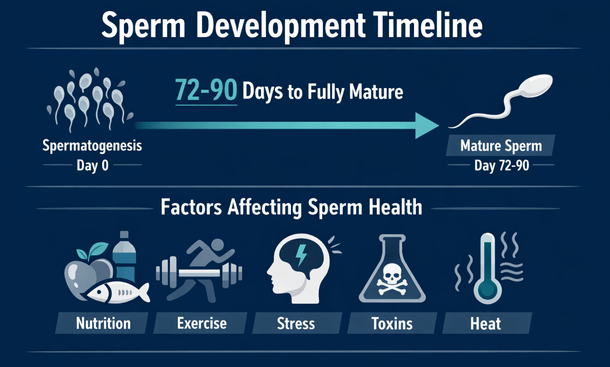
And here’s somethin’ a lotta guys don’t realize. It takes about three months for sperm to fully develop and mature. That means whatever you’re doin’ today, the health choices you’re makin’ right now, will affect the sperm you produce three months from now. So if you’re plannin’ to start tryin’ for a baby soon, you need to start optimizin’ your health now, not later.
Semen Analysis: The Foundation of Male Fertility Testing
The most important test for male fertility is a semen analysis. This test evaluates the quantity, quality, and movement of sperm in your ejaculate. It’s the first thing any fertility specialist will order if a couple’s havin’ trouble conceiving, and honestly, it should be done proactively before you even start tryin’.
A semen analysis looks at several key parameters. Sperm count measures how many million sperm are present per milliliter of semen. Normal is generally considered at least 15 million per milliliter, though higher is better. Sperm motility assesses what percentage of sperm are movin’ and how well they’re movin’. You need at least 40 percent of sperm to be motile for good fertility.
Sperm morphology evaluates the shape and structure of sperm. Normal sperm have an oval head and a long tail. Abnormally shaped sperm might have large or misshapen heads, crooked tails, or other defects that prevent them from swimmin’ properly or penetratin’ an egg. At least 4 percent of sperm should have normal morphology, though this number varies by lab.
The test also looks at semen volume, which should be at least 1.5 milliliters per ejaculate, and pH, which should be slightly alkaline. It checks for white blood cells that might indicate infection and evaluates liquefaction, which is how quickly semen changes from a gel-like consistency to liquid after ejaculation.
To get accurate results, you need to follow specific instructions. Abstain from ejaculation for two to five days before the test, but not longer than seven days. Collect the sample in a sterile container provided by the lab, ideally producin’ the sample at the lab itself or deliverin’ it within 30 to 60 minutes of collection while keepin’ it at body temperature.
One abnormal semen analysis doesn’t necessarily mean you have a fertility problem. Sperm parameters can fluctuate based on recent illness, stress, heat exposure, or other temporary factors. If your first test comes back abnormal, your doctor will repeat it in a few weeks to see if results are consistent.
Hormone Testing for Men
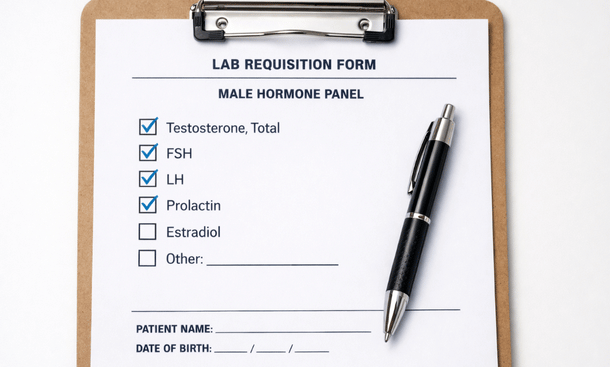
Just like women, men have reproductive hormones that need to be in balance for optimal fertility. If a semen analysis shows problems with sperm production or if you’re havin’ other symptoms like low sex drive or erectile dysfunction, your doctor will check your hormone levels.
Testosterone is the most important male hormone. It’s responsible for sperm production, sex drive, muscle mass, bone density, and overall energy. Low testosterone can cause reduced sperm production, erectile dysfunction, fatigue, depression, and difficulty concentratin’. Normal testosterone levels for adult men typically range from 300 to 1,000 ng/dL, though optimal levels for fertility are usually in the higher end of this range.
Follicle-stimulating hormone, or FSH, stimulates the testicles to produce sperm. High FSH levels suggest that your pituitary gland is workin’ overtime to stimulate sperm production, which usually means your testicles aren’t respondin’ well. This can indicate testicular failure or damage. Low FSH can mean your pituitary gland isn’t sendin’ the right signals.
Luteinizing hormone, or LH, stimulates testosterone production in the testicles. Like FSH, abnormal LH levels can indicate problems with the pituitary gland or testicles. Your doctor will interpret FSH and LH together to figure out where the problem originates.
Prolactin is a hormone that’s important for women’s milk production but is also present in men in small amounts. High prolactin levels in men can suppress testosterone production and reduce sperm production. Elevated prolactin might be caused by certain medications, pituitary tumors, or other medical conditions.
Estradiol is the main form of estrogen. Yes, men produce estrogen too, just in much smaller amounts than women. High estradiol in men can be caused by obesity, since fat tissue converts testosterone to estrogen. Elevated estrogen can reduce testosterone levels and impair sperm production.
Genetic Carrier Screening for Dads
Genetic carrier screening isn’t just for women. Men can carry genes for inherited disorders too, and if both partners are carriers of the same condition, there’s a risk their child could inherit two copies of the mutated gene and actually have the disease.
The most common conditions screened in genetic carrier panels include cystic fibrosis, sickle cell disease, thalassemia, Tay-Sachs disease, spinal muscular atrophy, and fragile X syndrome. Depending on your ethnicity and family history, your doctor might recommend additional screening for other conditions.
Cystic fibrosis is one of the most common genetic disorders in people of European descent. It causes thick mucus buildup in the lungs and digestive system, leadin’ to respiratory problems and difficulty absorbin’ nutrients. If both you and your partner are carriers, there’s a 25 percent chance each pregnancy could result in a child with CF.
Sickle cell disease is most common in people of African, Mediterranean, Middle Eastern, and South Asian descent. It causes red blood cells to become misshapen and break down, leadin’ to anemia, pain crises, and organ damage. Like CF, if both parents are carriers, there’s a 25 percent risk with each pregnancy.
Thalassemia is a blood disorder that reduces hemoglobin production and is most common in people of Mediterranean, Asian, African, and Middle Eastern ancestry. Severe forms require lifelong blood transfusions and intensive medical management.
Genetic carrier screening for men is a simple blood test or saliva test. If you test positive as a carrier for somethin’, your partner needs to be tested for the same condition. If she’s not a carrier, your children won’t have the disease, though they might be carriers themselves. If she is a carrier too, you’ll need genetic counseling to discuss your options.
STI Screening for Men
Sexually transmitted infections don’t just affect women. Men can carry STIs asymptomatically and pass them to their partners, who can then pass them to the baby during pregnancy or delivery. That’s why STI screening is just as important for men as it is for women.
All men should be screened for HIV, syphilis, hepatitis B, hepatitis C, gonorrhea, and chlamydia before their partner tries to conceive. These infections can affect fertility, harm a developin’ fetus, or be transmitted to the baby during birth.
HIV in men can be transmitted to their female partners during unprotected sex. If the woman becomes HIV positive and doesn’t know it, she can pass the virus to the baby during pregnancy, delivery, or breastfeeding. But if a man knows his HIV status and is on effective antiretroviral therapy that makes his viral load undetectable, the risk of transmission to his partner becomes extremely low.
Syphilis can be passed from man to woman during sex. If the woman becomes infected and doesn’t get treated, she can pass syphilis to the baby, causin’ serious birth defects, stillbirth, or neonatal death. But syphilis is completely curable with antibiotics if caught early.
Hepatitis B and C are blood-borne infections that can be transmitted through sexual contact, though hepatitis C is more commonly spread through blood exposure. Men with hepatitis B can infect their partners, who can then pass it to their babies during delivery. Hepatitis B is preventable with vaccination, and there are now curative treatments for hepatitis C.
Gonorrhea and chlamydia often don’t cause symptoms in men, so you might not know you’re infected. These bacterial infections can be passed to your partner and cause pelvic inflammatory disease, which damages the fallopian tubes and can lead to infertility or ectopic pregnancy. During pregnancy, gonorrhea and chlamydia can cause preterm birth and be transmitted to the baby during delivery, causin’ eye infections and pneumonia.
STI testing for men typically involves a urine sample for gonorrhea and chlamydia, and blood tests for HIV, syphilis, and hepatitis B and C. The tests are quick, relatively painless, and covered by most insurance plans as preventive care.

Chronic Disease Management for Dads
Just like women need to optimize chronic health conditions before pregnancy, men do too. Certain chronic diseases can affect male fertility and sperm quality. They can also affect your ability to be present and healthy for your partner during pregnancy and for your child after birth.
Diabetes, both type 1 and type 2, can affect male fertility in several ways. High blood sugar damages blood vessels and nerves, which can cause erectile dysfunction. Diabetes can also reduce testosterone levels and impair sperm production and quality. Men with diabetes have lower sperm counts, reduced sperm motility, and more DNA damage in their sperm compared to men without diabetes.
If you have diabetes, work with your doctor to get your blood sugar under control before your partner starts tryin’ to conceive. Your hemoglobin A1C should be below 7 percent, ideally closer to 6 percent if you can achieve that without frequent low blood sugar episodes. Good diabetes control protects your fertility and reduces the risk of passin’ epigenetic changes to your child that might increase their diabetes risk.
High blood pressure, obesity, and high cholesterol, collectively known as metabolic syndrome, also affect male fertility. These conditions damage blood vessels, reduce testosterone, and impair sperm production. Men with obesity have lower testosterone levels, more abnormal sperm, and higher rates of erectile dysfunction compared to men at healthy weights.
Losin’ even 5 to 10 percent of your body weight if you’re overweight can significantly improve fertility. Weight loss increases testosterone, improves sperm parameters, and enhances sexual function. It also reduces your risk of pregnancy complications for your partner, since paternal obesity is associated with increased rates of gestational diabetes and preeclampsia.
Thyroid disease affects men less commonly than women, but it can still impact fertility. Both hypothyroidism and hyperthyroidism can reduce sperm production and quality. If you have thyroid disease, make sure it’s well-controlled before tryin’ to conceive.
Medications and Supplements
Many medications can affect male fertility by reducin’ sperm production, impairin’ sperm function, or causin’ erectile dysfunction. If you’re takin’ any prescription medications, review them with your doctor before your partner starts tryin’ to conceive.
Testosterone replacement therapy and anabolic steroids are particularly problematic. Even though testosterone is the male sex hormone, takin’ it externally shuts down your body’s own testosterone production and stops sperm production almost completely. Men on TRT or steroids are essentially infertile. You need to stop these medications several months before tryin’ to conceive to allow sperm production to resume.
Certain blood pressure medications, particularly calcium channel blockers and beta-blockers, can cause erectile dysfunction or reduce sperm production. If you need blood pressure medication, ask your doctor about alternatives that are less likely to affect fertility.
Some antidepressants, especially SSRIs, can reduce sex drive and cause erectile dysfunction or delayed ejaculation. While these medications are important for mental health, if fertility is a concern, discuss alternatives with your psychiatrist.
Medications for hair loss like finasteride can reduce sperm count and semen volume. Anti-seizure medications, certain antibiotics, and chemotherapy drugs can also impair fertility. Don’t stop any prescribed medication without discussin’ it with your doctor first, but do have a conversation about how your medications might affect fertility.
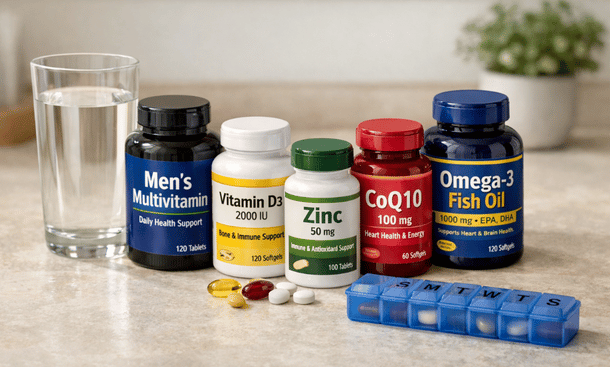
Supplements need scrutiny too. While some supplements like zinc, vitamin D, and CoQ10 might support sperm health, others can be harmful. Excessive vitamin A, for example, can damage sperm. Herbal supplements like saw palmetto might reduce testosterone. And many supplements aren’t regulated, so you don’t really know what you’re gettin’.
Lifestyle Factors That Affect Sperm Health
Your daily habits and lifestyle choices have a huge impact on sperm quality. The good news is that most of these factors are completely within your control. Makin’ positive changes now can dramatically improve your sperm health in just a few months.
Smoking is terrible for sperm. Cigarettes contain thousands of chemicals that damage sperm DNA, reduce sperm count, impair sperm motility, and increase the number of abnormally shaped sperm. Smokers have significantly lower fertility rates than non-smokers. If you smoke, quittin’ is one of the best things you can do for your fertility and your future child’s health.
Alcohol affects sperm production too. Heavy drinkin’, which is more than two drinks per day, reduces testosterone levels, shrinks the testicles, and impairs sperm production. Moderate drinkin’ might also have negative effects, though the research is mixed. To be safe, limit alcohol to no more than one or two drinks per day, or better yet, cut back significantly while you’re tryin’ to conceive.
Marijuana use, whether smoked or consumed in edibles, reduces sperm count and motility. It also affects the endocannabinoid system, which plays a role in sperm function. Regular marijuana use is associated with reduced fertility, so it’s best to stop usin’ it before tryin’ to conceive.
Heat exposure damages sperm production. Your testicles hang outside your body because sperm production requires temperatures a few degrees cooler than core body temperature. Frequent hot tub or sauna use, takin’ long hot baths, laptop use on your lap, wearin’ tight underwear, or workin’ in high-heat environments can all raise testicular temperature and reduce sperm production.
Stress affects fertility through multiple mechanisms. It reduces testosterone, increases cortisol, and can cause erectile dysfunction or reduced sex drive. Chronic stress also promotes inflammation and oxidative stress, which damage sperm DNA. Find healthy ways to manage stress like exercise, meditation, adequate sleep, and time with friends and family.
Environmental and Occupational Exposures
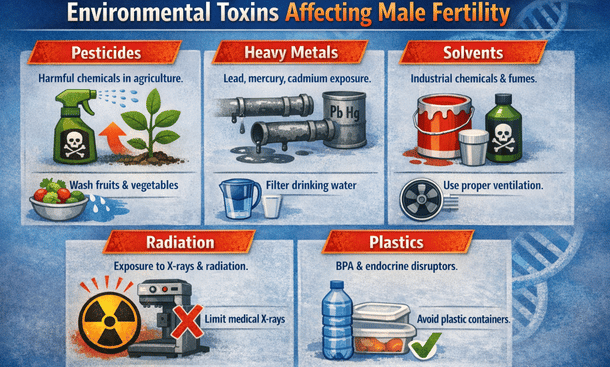
Exposure to certain chemicals and toxins can damage sperm and potentially cause birth defects or developmental problems in children. If you work in certain industries or have hobbies that involve chemical exposure, you need to take precautions.
Pesticides and herbicides used in agricultural work can disrupt hormone function and damage sperm. If you work in agriculture, wear protective equipment and follow safety guidelines. At home, minimize your use of lawn and garden chemicals, especially in the months before tryin’ to conceive.
Heavy metals like lead, mercury, and cadmium damage sperm and can cause birth defects. Lead exposure is common in construction work, battery manufacturing, and renovatin’ old buildings with lead paint. Mercury exposure comes from eatin’ large predatory fish like swordfish and king mackerel. Minimize your exposure to these metals and if you work in an industry with heavy metal exposure, discuss it with your doctor.
Solvents found in paints, degreasers, and industrial cleaners can affect sperm production and hormone levels. If you work with solvents, use proper ventilation and protective equipment. Painters, auto mechanics, and manufacturing workers are at particular risk.
Radiation exposure, whether from medical imaging or occupational sources, can damage sperm DNA. If you need X-rays or CT scans for medical reasons, always ask for a lead shield to protect your testicles. If you work with radiation, follow all safety protocols and monitor your exposure levels.
Even everyday chemicals like BPA in plastics and phthalates in personal care products can act as endocrine disruptors, affectin’ testosterone and sperm production. Use glass or stainless steel containers instead of plastic when possible, especially for hot foods and drinks. Choose personal care products free of phthalates and parabens.
Physical Examination and Testicular Health
A physical examination is an important part of male preconception health assessment. Your doctor will examine your genitals, checkin’ for any abnormalities that might affect fertility.
The doctor will examine your testicles for size, consistency, and any lumps or masses. Normal adult testicles are about 4 to 5 centimeters long. Small testicles might indicate low testosterone or impaired sperm production. A lump could be a tumor or a cyst that needs further evaluation.
Varicoceles are enlarged veins in the scrotum, similar to varicose veins in the legs. They’re present in about 15 percent of men overall but in 40 percent of men with infertility. Varicoceles can raise testicular temperature and impair sperm production. They’re usually diagnosed during physical examination, though sometimes an ultrasound is needed. If a varicocele is causin’ fertility problems, surgical repair might be recommended.
The doctor will also check for hernias and examine the epididymis, which is the coiled tube behind each testicle where sperm mature and are stored. Blockages or inflammation in the epididymis can prevent sperm from reachin’ the ejaculate.
A prostate exam might be performed, especially if you’re over 40 or have symptoms like difficulty urinating. The prostate produces fluid that nourishes sperm, and prostate infections or inflammation can affect semen quality.
Don’t skip the physical exam out of embarrassment. Your doctor examines genitals every day and it’s a completely routine part of medical care. Any abnormality found could affect your fertility or indicate a more serious health problem that needs treatment.
Sexual Health and Function
Erectile dysfunction and other sexual problems can obviously affect your ability to conceive. But beyond the mechanical aspects, sexual function is often an early warning sign of other health problems like heart disease, diabetes, or hormonal imbalances.
Erectile dysfunction, or ED, is the inability to get or maintain an erection firm enough for sex. It can be caused by physical problems like blood vessel damage, nerve damage, low testosterone, or certain medications. It can also be caused by psychological factors like stress, anxiety, or depression.
If you’re experiencin’ ED, don’t just brush it off or buy supplements online. See a doctor. ED can be an early sign of heart disease because the blood vessels in the penis are smaller than those in the heart and might show damage first. Treatin’ the underlying cause of ED might improve your overall health and certainly will improve your chances of conceiving.
Premature ejaculation can make timed intercourse difficult during the fertile window. If this is an issue, talk to your doctor about techniques or medications that can help. Low libido or reduced sex drive often indicates low testosterone or other hormonal imbalances that should be investigated.
Retrograde ejaculation is a condition where semen flows backward into the bladder instead of out through the penis. This can be caused by diabetes, certain medications, or surgery. Men with retrograde ejaculation produce little to no semen during orgasm. This condition requires specialized fertility treatment, so it’s important to diagnose it early.

Age and Male Fertility
While men don’t have a biological clock quite like women do, age does affect male fertility. Sperm quality declines gradually with age, and older fathers have increased risks of certain complications.
Sperm count, motility, and morphology all decrease as men get older. DNA fragmentation in sperm increases with age, which can affect embryo development and pregnancy success. Men over 40 take longer to conceive compared to younger men, even when their female partner is young.
Advanced paternal age is associated with slightly increased risks of miscarriage, certain birth defects, and developmental conditions like autism and schizophrenia in children. The risks are still relatively small, but they’re real and worth considerin’ when plannin’ a family.
If you’re over 40 and plannin’ to have children, it’s especially important to optimize your health. Get comprehensive preconception testing includin’ semen analysis, hormone testing, and genetic screening. Address any chronic health conditions. Improve your lifestyle habits. These steps can help compensate for age-related decline in sperm quality.
The Three-Month Preparation Window
Remember, sperm take about 72 to 90 days to fully develop and mature. That means the lifestyle changes you make today won’t affect the sperm you produce until three months from now. This is actually good news because it means you have a clear window of opportunity to improve your fertility.
If you’re plannin’ to start tryin’ for a baby, start optimizin’ your health at least three months in advance. Quit smoking. Cut back on alcohol. Lose weight if needed. Start exercising regularly. Improve your diet. Take a multivitamin. Reduce stress. Avoid heat exposure. Minimize contact with toxins.
Get your preconception testing done during this three-month window too. If tests reveal problems, you’ll have time to address them before your partner starts tryin’ to conceive. If you need to start medications, change medications, or make significant lifestyle changes, three months gives you adequate time to see results.
Some men think they can just show up when it’s time to conceive and everything will work out fine. And sure, sometimes it does. But why leave somethin’ this important to chance? Why not take active steps to give yourself, your partner, and your future child the best possible start?
Insurance Coverage and Costs
Most insurance plans cover basic male fertility testing like semen analysis as part of infertility evaluation. Some plans also cover hormone testing if there’s a medical indication. However, coverage varies widely, so check with your insurance company before schedulin’ tests.
Genetic carrier screening might or might not be covered depending on your plan and whether you meet certain criteria. Some insurance companies cover it for everyone, while others only cover it if you have a family history of genetic disorders or you’re of certain ethnicities at higher risk.
STI screening is usually covered as preventive care under the Affordable Care Act. This includes HIV, syphilis, hepatitis B, gonorrhea, and chlamydia testing for people at risk. Since you’re plannin’ a pregnancy, you should meet the criteria for coverage.
If you don’t have insurance or your plan doesn’t cover certain tests, look into low-cost options. Community health centers, Planned Parenthood, and public health departments often offer STI testing and other services on a sliding fee scale. Some at-home semen analysis kits are available for around $100 to $200, though they’re not as comprehensive as lab-based analysis.
The cost of preconception testing is minimal compared to the cost of fertility treatment if you have problems later. It’s also far less than the emotional and financial cost of pregnancy complications or health problems in your child that might have been preventable with early intervention.
Taking Responsibility as a Future Father
Here’s the bottom line. If you’re gonna be a father, you need to act like one from the very beginning. And the beginning isn’t when your partner gets pregnant or when your baby’s born. It’s now, when you’re makin’ the decision to start a family.
Your health, your lifestyle choices, your toxic exposures, your chronic diseases, and your genetic makeup all contribute to your child’s health and development. You have a responsibility to optimize these factors before conception, just like your partner does.
Too many guys think preconception health is women’s business and their only job is to show up for the fun part. That’s outdated thinkin’ and it’s not fair to your partner or your future child. Be an equal participant in family plannin’. Get tested. Make healthy changes. Take this seriously.
Your partner’s probably doin’ a lot to prepare for pregnancy. She’s takin’ prenatal vitamins, gettin’ blood work, changin’ her diet, quittin’ drinkin’, reducin’ stress. The least you can do is meet her halfway. Actually, forget halfway. Meet her at 100 percent. You’re both creatin’ this child together. You’re both responsible for givin’ that child the healthiest possible start.
Male preconception health testing and optimization are essential components of responsible family planning. From semen analysis and hormone testing to genetic screening, STI testing, and chronic disease management, these assessments help identify and address issues that could affect fertility, pregnancy, and your child’s health.
You’ve learned about the importance of chronic disease optimization for women preparing for pregnancy. Now you understand that male health is equally critical in the preconception period and that comprehensive screening for both partners creates the best foundation for a healthy pregnancy.
Now that you understand the importance of male preconception screening, make sure your partner completes her essential health assessments too. Return to preconception blood work and genetic screening to understand the baseline medical testing every woman needs before getting pregnant.
For a complete overview of all recommended preconception medical assessments for both partners, including blood work, hormone testing, immunity screenings, chronic disease management, and male partner screening, revisit our complete guide to preconception health tests. It provides a comprehensive roadmap for preparing both of you for the healthiest possible pregnancy.
