

So your doctor just dropped the words “high-risk pregnancy” during your appointment and now you’re sitting there wondering what the hell that actually means for you and your baby.
I’ve been there myself and I’ve walked alongside dozens of women through this exact moment. That split second when everything you imagined about your pregnancy suddenly feels different. Scarier maybe.
But here’s what I want you to know right off the bat. High-risk doesn’t mean hopeless. It doesn’t mean your pregnancy is doomed. What it actually means is that you need some extra attention and monitoring to make sure everything goes as smoothly as possible.
After spending years in pregnancy care and talking to countless moms who’ve been labeled high-risk, I can tell you that understanding why you’re in this category is half the battle. Once you know what you’re dealing with, you can take control instead of letting fear run the show.
The Real Definition of High-Risk Pregnancy
Let’s get one thing straight. The term “high-risk” sounds way more dramatic than it needs to be. In medical terms, it simply means there’s an increased chance of complications for you or your baby during pregnancy, labor, or delivery.
That increased chance could be small or significant depending on your specific situation. Some women are barely above the baseline risk while others need serious intervention and monitoring. The point is that high-risk isn’t a one-size-fits-all label.
Your OB-GYN or a maternal-fetal medicine specialist will usually be the one to make this determination based on your medical history, current health, and how your pregnancy is progressing. Sometimes you know from day one that you’ll need extra care. Other times complications pop up halfway through and suddenly you’re getting referred to a high-risk specialist.
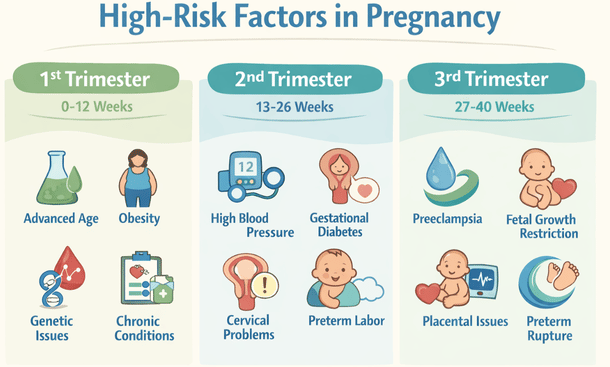
Age Really Does Matter
I hate to be the one to say it but your age plays a bigger role than most people want to admit.
If you’re under 17 or over 35, you’re automatically considered at higher risk. I know that sounds harsh, especially for those of us who waited until our thirties to start families. I was 33 when I had my first kid and yeah, I got slapped with that geriatric pregnancy label. Fun times.
Younger moms face risks related to their bodies not being fully developed for pregnancy. Teenage pregnancies have higher rates of preterm birth and low birth weight babies.
For those of us on the other end, being 35 or older means increased chances of chromosomal abnormalities like Down syndrome. We also have higher rates of gestational diabetes, preeclampsia, and placenta previa. Our bodies have just been around longer and accumulated more wear and tear.
But listen, plenty of women over 35 have completely normal pregnancies. The statistics just mean you need closer monitoring and maybe some extra tests. That’s it.
Pre-Existing Medical Conditions
This is probably the biggest category that lands women in the high-risk zone. If you walked into pregnancy already managing a chronic health condition, you’re gonna need specialized care.
Diabetes is a major one. Whether you have type 1 or type 2, your blood sugar levels need to be carefully controlled throughout pregnancy. Uncontrolled diabetes can lead to birth defects, premature birth, and babies that are too large for safe vaginal delivery.
High blood pressure is another biggie. Chronic hypertension during pregnancy increases your risk of developing preeclampsia, which is no joke. It can restrict blood flow to your baby and cause serious complications for both of you.
Autoimmune disorders like lupus or rheumatoid arthritis require careful management. Some medications you normally take might not be safe during pregnancy so your treatment plan will need adjusting.
Thyroid problems, kidney disease, heart conditions, blood clotting disorders, asthma, epilepsy – basically any ongoing medical issue means your pregnancy needs extra attention. Your regular specialist and your OB will need to work together to keep everything balanced.

When Your Pregnancy Itself Creates Risk
Sometimes you start out perfectly healthy and then the pregnancy itself causes complications.
Carrying multiples is automatically high-risk. Twins, triplets, or more put extra strain on your body and increase the chances of preterm labor, gestational diabetes, and preeclampsia. Your babies also have higher risks of low birth weight and developmental issues.
Previous pregnancy complications are a huge red flag. If you had preeclampsia, gestational diabetes, preterm labor, or a C-section before, you’re more likely to experience those same issues again. Your doctor will be watching you like a hawk from the beginning.
Pregnancy loss is another factor. If you’ve had multiple miscarriages or a stillbirth, your current pregnancy will be monitored much more closely. There might be an underlying issue that needs to be identified and treated.
Getting pregnant through fertility treatments also puts you in the high-risk category, partly because those treatments often result in multiple pregnancies but also because there may have been fertility issues to begin with.
Lifestyle Factors That Raise Your Risk
I’m not here to judge but I am gonna tell you the truth. Some lifestyle choices significantly increase pregnancy risks.
Smoking is terrible for your baby. It restricts blood flow through the placenta, increases the risk of birth defects, and can cause premature birth or low birth weight. If you’re still smoking, now is the time to quit. Your doctor can help with that.
Alcohol use during pregnancy can cause fetal alcohol syndrome and a whole range of developmental problems. There’s no known safe amount so the recommendation is zero alcohol.
Drug use, including marijuana, can cause serious complications. This includes prescription drugs that aren’t approved for pregnancy. Be completely honest with your doctor about everything you’re taking.
Being significantly overweight or underweight also affects pregnancy. Obesity increases risks of gestational diabetes, preeclampsia, and complications during delivery. Being severely underweight can lead to poor fetal growth and preterm birth.

Environmental and Social Risk Factors
Your living situation and environment matter more than you might think.
Exposure to harmful substances at work or home can create risks. If you work with chemicals, radiation, or infectious diseases, you need to talk to your employer about modifications during pregnancy.
Domestic violence is a serious risk factor that doesn’t get talked about enough. Physical abuse during pregnancy can cause miscarriage, preterm labor, and injury to both you and your baby. If you’re in an unsafe situation, tell your healthcare provider. They can connect you with resources.
Lack of prenatal care is itself a risk factor. Regular checkups throughout pregnancy are essential for catching problems early. If you don’t have insurance or access to healthcare, there are programs that can help.
High stress levels aren’t great either. Chronic stress can affect your baby’s development and increase your risk of complications. Finding ways to manage stress is important for high-risk pregnancies.
What This Means for Your Care
Being classified as high-risk means you’ll see your doctor more often. Instead of monthly visits in the first two trimesters, you might go every two weeks or even weekly.
You’ll probably have more ultrasounds to monitor your baby’s growth and development. Some women get them every few weeks instead of the standard two or three during a normal pregnancy.
You might be referred to a maternal-fetal medicine specialist, also called a perinatologist. These doctors specialize in high-risk pregnancies and work alongside your regular OB-GYN.
Additional testing is common. This could include genetic screening, glucose tolerance tests, amniocentesis, or other specialized tests depending on your specific situation.
The good news is that all this extra attention means problems get caught early when they’re easier to treat. Understanding how to navigate specialized prenatal care and what to expect throughout your pregnancy can transform anxiety into empowerment. Things that would have been catastrophic 30 years ago are now totally manageable with the right care.
When to Push for Answers
Here’s something that drives me crazy. Some doctors are quick to label a pregnancy high-risk while others are too casual about real concerns.
If your doctor says you’re high-risk, ask specific questions. What exactly is the risk factor? What does it mean for you and your baby? What will your care plan look like? Don’t leave that office confused.
On the flip side, if you have risk factors but your doctor isn’t addressing them, speak up. You know your body and your medical history. If something feels off or you think you should be getting more specialized care, say so.
Trust your gut. If you’re not comfortable with the level of care you’re receiving, get a second opinion. This is your pregnancy and your baby. You have every right to advocate for yourself.
Moving Forward with Confidence
Look, finding out you’re high-risk is scary. I won’t pretend otherwise. But knowledge really is power here.
Understanding exactly what makes your pregnancy high-risk helps you know what to watch for and what questions to ask. It puts you in the driver’s seat instead of just being a passive passenger hoping everything works out.
The vast majority of high-risk pregnancies end with healthy moms and healthy babies. The label just means you need to be more careful and more vigilant. You can do this.
Stay connected with your healthcare team, follow their recommendations, and don’t be afraid to ask questions. Every appointment, every test, every precaution is there to protect you and your baby.
And remember, plenty of women have walked this path before you and come out the other side with beautiful birth stories. Being high-risk is just one chapter in your pregnancy journey, not the whole story.
If you’re dealing with specific symptoms or complications, knowing which warning signs require immediate medical attention can make all the difference in getting timely care.

Carlene R. Priddy offers strategic advice and practical guidance for governorsbefore, during, and after their mandatesto strengthen governance and public leadership.