
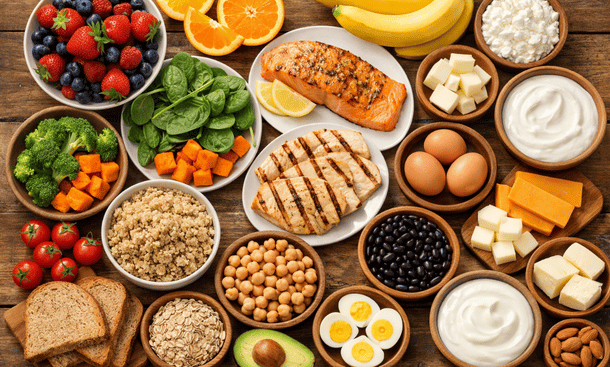
When I found out I was pregnant with my first baby, I immediately started googling what I should be eating. Big mistake. The internet threw everything at me from weird superfoods I’d never heard of to conflicting advice that left me more confused than when I started.
Here’s what I learned after talking to my doctor, a registered dietitian, and going through two pregnancies: eating well during pregnancy doesn’t have to be complicated. You don’t need exotic ingredients or a degree in nutrition. You just need to know which everyday foods pack the most nutritional punch for you and your growing baby.
Let me walk you through the best foods to eat during each trimester, organized in a way that actually makes sense for real life.
First Trimester: Fighting Nausea While Getting Key Nutrients
The first trimester is rough for a lot of women. Between the exhaustion and morning sickness that can strike any time of day, just getting food down can feel like an accomplishment.
But this is also when your baby’s neural tube is forming, their heart is starting to beat, and all their major organs are beginning to develop. So even though you might feel like garbage, nutrition really matters right now.
Whole Grains for Energy and Folate
Oatmeal, whole wheat bread, brown rice and quinoa give you steady energy without the blood sugar crashes that come from refined carbs. They’re also fortified with folic acid, which is critical for preventing neural tube defects.
I lived on plain oatmeal with a little honey during my first pregnancy. It was one of the few things that didn’t make me want to throw up.
Citrus Fruits for Vitamin C and Hydration
Oranges, grapefruits, lemons and limes are packed with vitamin C, which helps your body absorb iron. They’re also hydrating, which is important when you’re dealing with nausea.
The sour taste of citrus actually helped settle my stomach. I kept a bag of clementines in my purse at all times.
Ginger for Nausea Relief
Ginger isn’t just an old wives’ tale. Studies show it really does help with pregnancy nausea. Try ginger tea, ginger candies, or fresh ginger added to smoothies.
I kept ginger chews in my car, my desk drawer, and my nightstand. They were a lifesaver during those first few months.
Lean Proteins That Don’t Trigger Nausea
Chicken breast, turkey, eggs and Greek yogurt provide protein without being too heavy or greasy. If meat sounds disgusting right now, try plant-based proteins like hummus, nut butter or beans.
Scrambled eggs were my go-to protein source when nothing else sounded good. Simple, easy to digest, and packed with choline for baby’s brain development.
Leafy Greens When You Can Handle Them
Spinach, kale and romaine lettuce are loaded with folate, iron and fiber. If the thought of a salad makes you gag, try adding spinach to fruit smoothies. You won’t even taste it.
Second Trimester: Building Baby’s Bones and Your Energy
Welcome to the “honeymoon phase” of pregnancy. For most women, the nausea fades and your energy comes back. This is the perfect time to focus on nutrient-dense foods because your appetite is probably back and you can actually enjoy eating again.
Your baby is growing rapidly now and their bones are hardening, so calcium and protein become even more important.
Dairy Products for Calcium
Milk, yogurt and cheese provide calcium for your baby’s developing bones and teeth. Greek yogurt is especially great because it has extra protein.
Aim for three to four servings of dairy daily. If you’re lactose intolerant, try lactose-free milk or calcium-fortified alternatives.
I made yogurt parfaits with granola and berries for breakfast almost every day during my second trimester. It felt indulgent but was actually super nutritious.
Salmon and Other Fatty Fish
Salmon, sardines and anchovies are rich in omega-3 fatty acids, especially DHA, which supports your baby’s brain and eye development. They’re also great sources of vitamin D and protein.
Stick to fish low in mercury and limit your intake to two to three servings per week. Wild-caught salmon is one of the safest options.
I wasn’t a huge fish person before pregnancy, but I learned to love salmon bowls with brown rice and roasted vegetables.
Sweet Potatoes for Vitamin A
Sweet potatoes are packed with beta-carotene, which your body converts to vitamin A. This nutrient is essential for your baby’s eye development, skin and immune system.
They’re also a great source of fiber, which helps with the constipation that plagues many pregnant women.
Baked sweet potato fries became my healthy comfort food. Just toss them with a little olive oil and sea salt.
Beans and Lentils for Fiber and Iron
Black beans, chickpeas, lentils and kidney beans provide plant-based protein, fiber, iron and folate. They’re versatile and budget-friendly too.
Add them to salads, soups, tacos or pasta dishes. A can of black beans can turn a basic meal into something more substantial.
Colorful Berries for Antioxidants
Blueberries, strawberries, raspberries and blackberries are loaded with antioxidants, vitamin C and fiber. They’re perfect for snacking or adding to yogurt and oatmeal.
I kept frozen berries on hand for smoothies. They’re just as nutritious as fresh and way more convenient.
Third Trimester: Fueling Growth and Preparing for Labor
Your baby is putting on weight rapidly now and you’re probably feeling hungrier than ever. This is also when many women deal with heartburn, swelling and general discomfort that can make eating challenging.
Focus on smaller, frequent meals with foods that give you sustained energy without triggering heartburn.
Lean Meats for Iron and Protein
Beef, pork and chicken provide heme iron, which your body absorbs more easily than plant-based iron. You need extra iron now to support your increased blood volume and prevent anemia.
Choose lean cuts and pair them with vitamin C-rich foods to maximize iron absorption.
I made a big batch of slow-cooker pulled chicken every week and used it in different ways throughout the week.
Whole Eggs for Choline
Eggs are one of the best sources of choline, a nutrient that’s crucial for your baby’s brain development and may help prevent neural tube defects. One egg provides about 150 milligrams of choline.
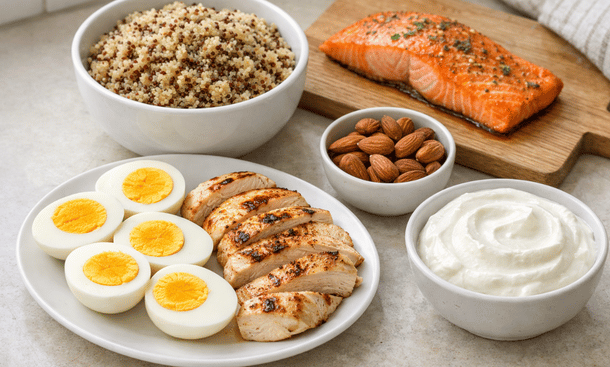
Protein-Packed Kitchen Spread
Eat the whole egg, not just the whites. The yolk is where most of the choline and other nutrients are found.
Bananas for Potassium
Bananas help prevent leg cramps, which are super common in the third trimester. They’re also easy to digest and great for quick energy.
I always had bananas in my bag for when hunger hit between meals.
Avocados for Healthy Fats
Avocados provide healthy monounsaturated fats, fiber, folate and potassium. They’re also incredibly versatile and satisfying.
The healthy fats help your body absorb fat-soluble vitamins and support your baby’s brain development.
Avocado toast was my afternoon snack most days. Simple but it kept me full.
Dates for Natural Energy
This might sound random, but eating dates in the last few weeks of pregnancy may help with labor. Some studies suggest that dates can help soften the cervix and reduce the need for medical induction.
Even if the labor benefits are debatable, dates are still a great source of natural sugars, fiber and minerals.
Protein Powerhouses You Should Eat Regularly
Protein needs increase significantly during pregnancy. You need about 70 to 100 grams daily, especially in the second and third trimesters.
Greek yogurt packs about 15 to 20 grams of protein per serving. Chicken breast has about 30 grams per three-ounce serving. Lentils provide 18 grams per cooked cup.
Cottage cheese, nut butters, tofu, edamame and hard-boiled eggs are all excellent protein sources that are easy to grab when you need a quick snack.
I tried to include protein with every meal and snack. It helped keep my blood sugar stable and my energy consistent.
Hydration Heroes Beyond Plain Water
Staying hydrated is just as important as eating the right foods. You need more fluids during pregnancy to support your increased blood volume and amniotic fluid.
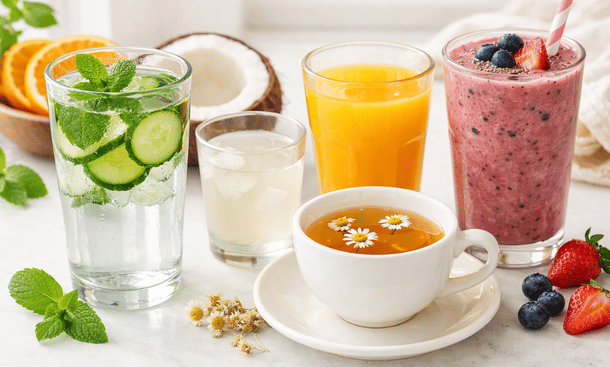
Coconut water provides natural electrolytes. Herbal teas like ginger or peppermint can soothe nausea and digestion issues. Just avoid teas with high caffeine content.
Fruit-infused water made with cucumber, lemon, berries or mint makes hydration more interesting without added sugar.
Bone broth is surprisingly hydrating and provides minerals and collagen.
I kept a big water bottle with me everywhere and set reminders on my phone to drink throughout the day. It made a huge difference in how I felt.
Foods That Prevent Common Pregnancy Complaints
For Constipation: Prunes, pears, flaxseeds, chia seeds and plenty of water. Fiber-rich foods keep things moving.
For Heartburn: Oatmeal, bananas, melons, fennel and ginger. Avoid spicy, fatty or acidic foods that trigger symptoms.
For Swelling: Foods high in potassium like bananas, sweet potatoes and spinach help balance sodium and reduce water retention.
For Leg Cramps: Bananas, leafy greens, yogurt and almonds provide the potassium, calcium and magnesium that prevent cramping.
For Low Energy: Complex carbs like oatmeal, quinoa and whole grain bread provide steady energy without crashes.
Smart Snacking Throughout the Day
Keeping your blood sugar stable helps prevent nausea, fatigue and mood swings. Aim for small meals and snacks every two to three hours.
Apple slices with almond butter combine fiber, healthy fats and protein. Trail mix with nuts and dried fruit gives you quick energy. Hummus with vegetables provides protein and vitamins. Greek yogurt with granola satisfies sweet cravings while delivering protein and calcium.
I kept snacks everywhere. In my car, in my purse, at my desk, on my nightstand. Being prepared made all the difference.
Eating for Two Doesn’t Mean Eating Twice as Much
Here’s something nobody tells you: you only need about 300 extra calories per day during pregnancy. That’s like a banana with peanut butter and a glass of milk.
The focus should be on nutrient density, not quantity. Every bite should work harder for you and your baby.
I stopped worrying about the number on the scale and started paying attention to how food made me feel. When I ate nutrient-dense whole foods, I had more energy and felt better overall.
Building Balanced Meals
A good pregnancy meal includes protein, complex carbohydrates, healthy fats and plenty of colorful vegetables or fruits.
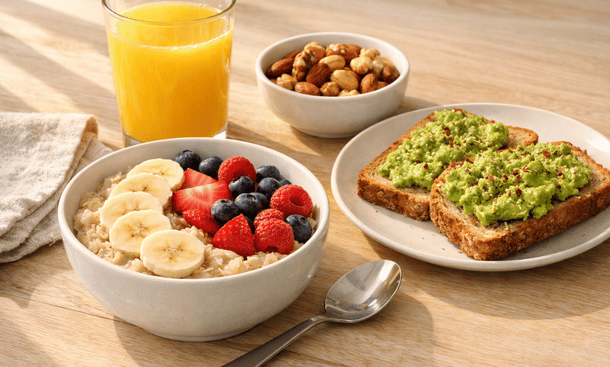
Example breakfast: scrambled eggs with spinach, whole wheat toast with avocado, and berries on the side.
Example lunch: grilled chicken salad with mixed greens, chickpeas, bell peppers, quinoa and olive oil dressing.
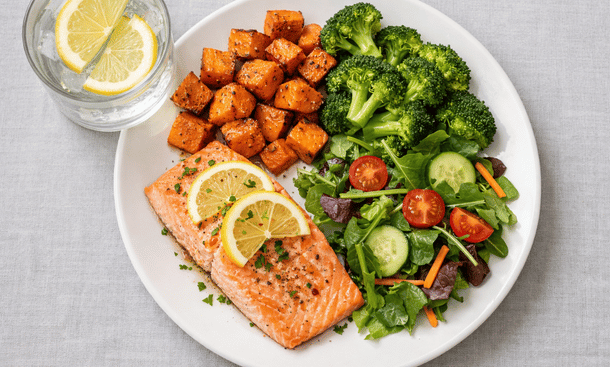
Example dinner: baked salmon with roasted sweet potato and steamed broccoli.
You don’t need fancy recipes or expensive ingredients. Simple, whole foods prepared in basic ways are honestly the best approach.
When Morning Sickness Ruins Everything
Some women have severe nausea that makes it nearly impossible to eat a balanced diet. If that’s you, please don’t stress about eating perfectly right now.
Focus on whatever you can keep down. Crackers, toast, plain pasta, smoothies. Your prenatal vitamin is working overtime to fill nutritional gaps.
The nausea will pass for most women by the second trimester, and you’ll have plenty of time to make up for it with nutritious foods.
Building Your Grocery List
Stock your kitchen with versatile staples that you can mix and match throughout the week.
Proteins: eggs, Greek yogurt, chicken breast, salmon, beans, tofu, nuts.
Grains: oatmeal, brown rice, quinoa, whole wheat bread, whole grain pasta.
Fruits: bananas, berries, oranges, apples, avocados.
Vegetables: spinach, broccoli, sweet potatoes, bell peppers, carrots.
Healthy fats: olive oil, avocados, nuts, seeds.
Having these basics on hand means you can always throw together a nutritious meal without a complicated recipe.
The Bottom Line
Eating well during pregnancy doesn’t require perfection or complicated meal plans. It’s about consistently choosing whole, nutrient-dense foods that support your changing body and your baby’s development.
Focus on getting enough protein, calcium, iron and healthy fats. Eat a rainbow of fruits and vegetables. Stay hydrated. Listen to your body and don’t stress about the occasional indulgence.
Every woman’s pregnancy journey is different. What works for someone else might not work for you, and that’s completely fine. The goal is nourishing yourself and your baby in a way that feels sustainable and realistic for your life.
For a complete overview of pregnancy nutrition including vitamins, protein needs, cravings and meal planning, see our full pregnancy nutrition guide. Now that you know which foods to prioritize, you’ll also want to know which ones to avoid for safety reasons. Check out our comprehensive guide on foods to avoid during pregnancy…

Carlene R. Priddy offers strategic advice and practical guidance for governorsbefore, during, and after their mandatesto strengthen governance and public leadership.