
When I found out I was pregnant with my first baby, one of the first things I did was google what I should be eating. Big mistake. The internet hit me with a tsunami of conflicting advice that left me more confused than when I started.
One website told me I needed to eat for two. Another said I barely needed any extra calories. Some sources had me terrified of basically every food in my kitchen. Others were way too casual about things that actually posed real risks.
After two pregnancies, countless conversations with my doctor and a lot of trial and error, I learned that nutrition during pregnancy doesn’t have to be complicated or stressful. You don’t need exotic superfoods or a degree in nutrition. You just need to understand some basic principles about what your body and your growing baby actually need.
Your body is doing something incredible right now. It’s building organs, bones, a nervous system and an entire human being from scratch. That requires specific nutrients in amounts that are genuinely difficult to get from a regular diet alone. At the same time, your immune system is naturally suppressed to protect the pregnancy, which means certain foods that wouldn’t normally make you sick can cause serious problems.
The goal isn’t perfection. It’s making informed choices most of the time while giving yourself grace for the days when nothing goes according to plan. This guide breaks down everything you need to know about pregnancy nutrition in a way that’s actually practical for real life.
We’ll cover the essential nutrients you need and why they matter, the best foods to prioritize for each trimester, which foods to avoid and why, how to get enough protein, managing cravings and aversions, and putting it all together with realistic meal planning. By the end, you’ll have a clear understanding of how to nourish yourself and your baby without the overwhelm.
Essential Nutrients Every Pregnant Woman Needs
Your nutritional needs change dramatically during pregnancy. You’re not just feeding yourself anymore. Every vitamin and mineral you consume is being used to build your baby’s body and support your own changing physiology.
The most critical nutrient during early pregnancy is folic acid. This B vitamin prevents neural tube defects like spina bifida, which develop in the first 28 days of pregnancy, often before most women even know they’re expecting. You need 400 to 800 micrograms daily, starting at least one month before conception if possible.
I started taking prenatal vitamins three months before we even started trying for a baby. My doctor explained that building up folic acid stores early provides the best protection right from conception. Natural food sources include fortified cereals, leafy greens, citrus fruits and beans, but it’s really hard to get enough from food alone.
Iron becomes increasingly important as your pregnancy progresses. Your blood volume increases by almost 50 percent, which requires iron to make hemoglobin. You need about 27 milligrams daily compared to the 18 milligrams non-pregnant women need. Low iron leads to anemia, which can cause extreme fatigue, dizziness and increased risk of preterm delivery.
Red meat provides heme iron that your body absorbs more easily than plant-based iron. Other sources include chicken, fish, fortified cereals, beans and dark leafy greens. Taking your iron supplement with vitamin C helps absorption, while calcium can interfere with it.
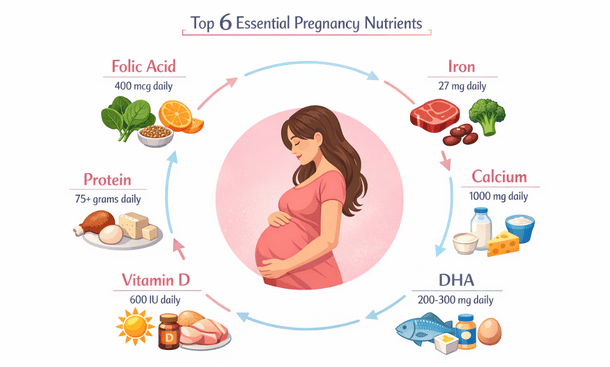
Calcium builds your baby’s bones and teeth. If you don’t get enough, your body will pull it from your own bones to give to your baby. You need about 1000 milligrams daily from dairy products, fortified plant milks, tofu, canned sardines with bones or dark leafy greens. Most prenatal vitamins don’t contain the full amount because it would make the pill too large.
DHA is an omega-3 fatty acid that’s crucial for your baby’s brain and eye development, especially during the third trimester when brain growth accelerates. Aim for at least 200 to 300 milligrams daily from fatty fish like salmon, sardines and anchovies, or from algae-based supplements if you don’t eat fish.
Vitamin D works with calcium to build strong bones and supports immune function. Many women are deficient without realizing it. You need 600 IU daily from sunlight exposure, fatty fish, fortified milk or supplements. Your doctor can check your levels with a simple blood test.
Other important nutrients include vitamin B12 for nervous system development, iodine for thyroid function and brain development, choline for brain development and neural tube defect prevention, and zinc for cell growth and immune function.
Not all prenatal vitamins are created equal. Look for one with at least 400 micrograms of folic acid, 27 milligrams of iron and 200 milligrams of DHA. If one brand makes you nauseous, try a different formulation. There are gummies, liquids and smaller pills available.
Understanding which vitamins and minerals you need and in what amounts forms the foundation of good pregnancy nutrition. For a deeper dive into each nutrient, including specific food sources and supplementation strategies, check out our detailed guide on essential pregnancy vitamins and minerals.
Best Foods to Eat While Pregnant (Trimester by Trimester)
Knowing which nutrients you need is one thing. Actually getting them from food you can tolerate and enjoy is another challenge entirely, especially when your appetite and food preferences are all over the place.
The best approach is focusing on nutrient-dense whole foods that pack the most nutritional value per bite. Your needs change as your pregnancy progresses, so what works in the first trimester might need adjustment later on.
First Trimester Priorities
The first trimester is survival mode for a lot of women. Between nausea, exhaustion and food aversions, just getting food down can feel like a victory. But this is also when your baby’s neural tube is forming and all major organs are beginning to develop.
Whole grains like oatmeal, whole wheat bread, brown rice and quinoa provide steady energy without blood sugar crashes. They’re also fortified with folic acid, which is critical right now. I lived on plain oatmeal with a little honey during those first rough weeks because it was one of the few things that didn’t make me sick.
Citrus fruits including oranges, grapefruits and lemons pack vitamin C to help iron absorption, plus they’re hydrating. The sour taste actually helped settle my stomach. I kept clementines in my purse at all times.
Ginger isn’t just an old wives’ tale. Studies show it genuinely helps with nausea. Try ginger tea, ginger candies or fresh ginger in smoothies. Lean proteins like chicken breast, turkey, eggs and Greek yogurt provide essential amino acids without being too heavy. If meat sounds disgusting, plant proteins like hummus, nut butter or beans work too.
Leafy greens such as spinach, kale and romaine are loaded with folate, iron and fiber. If salad makes you gag, blend spinach into fruit smoothies where you won’t even taste it.
Second Trimester Nutrition
Welcome to the honeymoon phase. For most women, nausea fades and energy returns. This is your opportunity to rebuild nutrient density now that you can actually enjoy eating again.
Your baby is growing rapidly and their bones are hardening, so calcium and protein become even more important. Dairy products like milk, yogurt and cheese provide calcium for developing bones and teeth. Greek yogurt is especially great because it has extra protein. Aim for three to four servings daily.
Salmon and other fatty fish including sardines and anchovies are rich in DHA for brain and eye development, plus vitamin D and protein. Stick to low-mercury options and limit intake to two to three servings weekly. I wasn’t a fish person before pregnancy but I learned to love salmon bowls with brown rice and roasted vegetables.
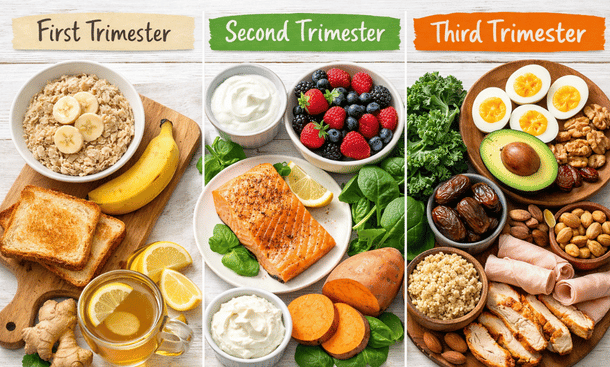
Sweet potatoes are packed with beta-carotene that your body converts to vitamin A for eye development, skin and immune function. They’re also high in fiber, which helps with the constipation that plagues many pregnant women. Baked sweet potato fries became my healthy comfort food.
Beans and lentils provide plant-based protein, fiber, iron and folate. They’re versatile and budget-friendly. Add them to salads, soups, tacos or pasta. A can of black beans can turn a basic meal into something substantial.
Colorful berries like blueberries, strawberries, raspberries and blackberries are loaded with antioxidants, vitamin C and fiber. Perfect for snacking or adding to yogurt and oatmeal. I kept frozen berries for smoothies because they’re just as nutritious as fresh.
Third Trimester Focus
Your baby is putting on weight rapidly and you’re probably hungrier than ever. Focus on smaller frequent meals with sustained energy that won’t trigger heartburn.
Lean meats including beef, pork and chicken provide heme iron and protein. Your iron needs are highest now to support increased blood volume and prevent anemia. Choose lean cuts and pair with vitamin C-rich foods for better absorption.
Whole eggs are one of the best sources of choline, crucial for brain development. One egg provides about 150 milligrams of choline. Eat the whole egg, not just whites, because the yolk contains most nutrients.
Bananas help prevent leg cramps, which are super common in late pregnancy. They’re also easy to digest and great for quick energy. I always had bananas in my bag for when hunger hit between meals.
Avocados provide healthy monounsaturated fats, fiber, folate and potassium. The healthy fats support brain development and help your body absorb fat-soluble vitamins. Avocado toast was my afternoon snack most days.
Dates might sound random, but eating them in the last few weeks may help with labor. Some studies suggest dates can soften the cervix and reduce need for medical induction. Even if labor benefits are debatable, they’re still a great source of natural sugars, fiber and minerals.
Greek yogurt, cottage cheese, nut butters, tofu, edamame and hard-boiled eggs are all excellent protein sources that are easy to grab when you need quick snacks. I tried to include protein with every meal and snack to keep blood sugar stable.
Staying hydrated is just as important as food choices. Coconut water provides natural electrolytes. Herbal teas like ginger or peppermint soothe nausea and digestion. Fruit-infused water with cucumber, lemon or berries makes hydration more interesting without added sugar.
The key is variety. Eating a rainbow of colorful fruits and vegetables ensures you’re getting a wide range of vitamins, minerals and antioxidants. Don’t stress about eating perfectly every single day. Focus on making nutritious choices most of the time while allowing flexibility for cravings and off days.
For a complete breakdown of the best foods to prioritize during each trimester, including specific meal ideas and portion recommendations, take a look at our comprehensive guide on what to eat during pregnancy.
Foods to Avoid When You’re Expecting: Complete List
Understanding what to eat is only half the equation. Knowing what to avoid is just as important for keeping you and your baby safe.
Your immune system is naturally suppressed during pregnancy so your body doesn’t reject the baby. That’s great for the pregnancy but it means you’re more vulnerable to foodborne illnesses that wouldn’t normally make you super sick. Certain bacteria and parasites can cause miscarriage, stillbirth, preterm labor or severe illness in your baby.
Some foods also contain mercury or other contaminants that affect your baby’s developing brain and nervous system. The good news is that most food safety rules are straightforward once you understand the reasoning.
Raw and Undercooked Seafood
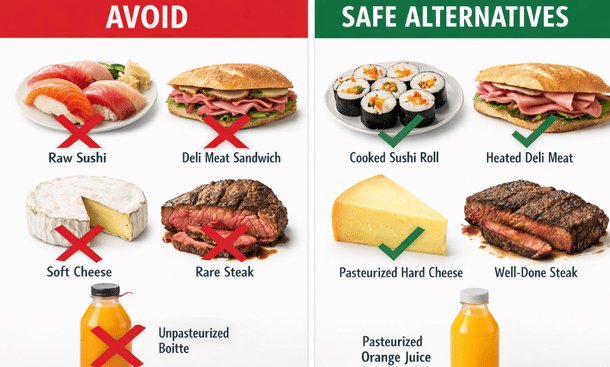
Sushi, sashimi, oysters, clams and any raw seafood are off limits. Raw fish can harbor parasites and bacteria like listeria and salmonella that pose serious risks. I was genuinely sad about giving up sushi because it was one of my favorite foods, but the risk wasn’t worth it.
Some women eat vegetarian sushi rolls or fully cooked options like California rolls with cooked crab or shrimp tempura rolls. Just make sure everything is fully cooked and from a reputable restaurant with good food safety practices.
Cooked seafood is actually really beneficial during pregnancy because of omega-3 fatty acids. Just heat it to at least 145 degrees Fahrenheit.
High-Mercury Fish
Not all fish are created equal when it comes to mercury. Large predatory fish accumulate mercury over time, and high levels can damage your baby’s developing nervous system.
Avoid shark, swordfish, king mackerel, tilefish, bigeye tuna and marlin completely. Limit albacore tuna to six ounces per week. Chunk light tuna has less mercury and you can have up to 12 ounces weekly.
Safe options include salmon, sardines, anchovies, trout, herring and pollock. These are low in mercury and high in beneficial omega-3s. I ate salmon twice a week throughout both pregnancies.
Deli Meats and Hot Dogs
This one surprised me at first. Deli meats, lunch meats, hot dogs and other processed meats can be contaminated with listeria, a bacteria that survives and even grows in refrigerator temperatures. Pregnant women are about 10 times more likely to get listeria infection.
The solution is simple though. Heat deli meats and hot dogs until they’re steaming hot, at least 165 degrees. The heat kills potential bacteria. By my second pregnancy, I just heated turkey or ham in the microwave for 30 seconds before making sandwiches.
Unpasteurized Dairy Products
Unpasteurized milk and cheeses made from raw milk can contain harmful bacteria including listeria, salmonella, E. coli and campylobacter.
Soft cheeses are the main concern. Avoid brie, camembert, feta, queso blanco, queso fresco, blue cheese and goat cheese unless the label specifically says it’s made with pasteurized milk.
Hard cheeses like cheddar, Swiss, parmesan and mozzarella are generally safe because lower moisture content makes them less likely to harbor bacteria. Read labels carefully because many soft cheeses sold in regular grocery stores are actually made with pasteurized milk and totally safe.
The same goes for unpasteurized juice or cider. Stick to pasteurized versions or freshly squeezed juice you make at home.
Raw or Undercooked Eggs
Raw or undercooked eggs can contain salmonella. That means no runny yolks, no cookie dough, no homemade Caesar dressing, no raw cake batter.
Cook eggs until both white and yolk are firm. Scrambled eggs should be fully cooked with no liquid remaining. Store-bought products like mayonnaise, salad dressings and ice cream are usually made with pasteurized eggs and are safe.
I really missed over-easy eggs with runny yolks. That was probably my biggest food sacrifice during pregnancy. Fully cooked scrambled eggs became my morning protein staple instead.
Raw or Undercooked Meat and Poultry
Raw or rare meat and poultry can contain harmful bacteria and parasites like toxoplasma, E. coli and salmonella.
Cook beef, pork and lamb to at least 145 degrees with a three-minute rest time. Ground meats should reach 160 degrees. Poultry needs to hit 165 degrees. Use a meat thermometer because color alone isn’t reliable.
This meant no more medium-rare steaks during pregnancy. Everything had to be well done. I made peace with it by focusing on flavor through marinades and seasonings.
Be careful about cross-contamination too. Use separate cutting boards for raw meat and wash hands thoroughly after handling it.
Unwashed Produce
Fruits and vegetables can carry harmful bacteria and parasites from soil or contaminated water. Toxoplasma in particular can live on unwashed produce and cause serious problems.
Wash all produce thoroughly under running water, even if you plan to peel it. Use a produce brush for firm fruits and vegetables. Pre-washed salad greens should still get an extra rinse at home.
I got into the habit of washing everything as soon as I got home from the grocery store. It became routine and gave me peace of mind.
Raw Sprouts
Alfalfa, clover, radish and mung bean sprouts are risky because bacteria can get into seeds before sprouts even grow. The warm humid conditions needed for sprouting are ideal for bacterial growth.
Several outbreaks of salmonella and E. coli have been linked to raw sprouts. Cooked sprouts are safe if heated to 165 degrees, but I just avoided them entirely. Not worth the risk for something I didn’t crave anyway.
Excess Caffeine
Caffeine crosses the placenta and your baby’s developing system can’t metabolize it efficiently. High intake has been linked to miscarriage and low birth weight.
Most experts recommend limiting caffeine to 200 milligrams daily, about one 12-ounce cup of coffee. Remember that tea, soda, energy drinks and chocolate also contain caffeine. It adds up quickly.
I switched to half-caff coffee in the morning and made sure I wasn’t having other caffeine sources throughout the day. Some days I went fully decaf and didn’t miss it as much as I thought I would.
Alcohol
There is no known safe amount of alcohol during pregnancy. Alcohol passes directly to your baby and can cause fetal alcohol spectrum disorders including physical abnormalities, learning disabilities, behavioral problems and developmental delays.
The safest choice is avoiding alcohol completely. If you drank before knowing you were pregnant, don’t panic. Just stop now and talk to your doctor if you’re concerned.
Excess Vitamin A
High doses of vitamin A, particularly from supplements or liver, can cause birth defects. Avoid liver, liver products like pate, and supplements containing retinol or retinyl palmitate.
Vitamin A from plant sources like carrots and sweet potatoes is fine because your body only converts what it needs. Check your prenatal vitamin to ensure it doesn’t contain more than 3,000 micrograms of preformed vitamin A.
What About Occasional Slip-Ups
If you accidentally eat something from the avoid list, don’t panic. The risks are real but relatively small for any single exposure. I once ate salad with blue cheese crumbles before realizing it wasn’t pasteurized. I called my doctor, she reassured me, and everything was fine.
The guidelines exist to minimize risk over your entire pregnancy. One mistake doesn’t mean something bad will definitely happen. That said, don’t use this as an excuse to regularly ignore food safety rules.
For a complete breakdown of which foods pose risks and why, plus safe alternatives for common cravings, visit our detailed guide on foods to avoid during pregnancy.
Safe Protein Sources for a Healthy Pregnancy
Protein is literally the building block for every single cell in your baby’s body. From tiny fingernails to developing brain tissue, your baby needs adequate protein to grow properly.
But here’s what nobody tells you upfront. Your protein needs change dramatically as pregnancy progresses, and most women have no idea how much they actually need or where to get it from quality sources.
Before pregnancy, most women need about 46 grams of protein daily. During pregnancy, that number jumps to 70 to 100 grams depending on your trimester and body weight. First trimester you can generally stick to pre-pregnancy intake since your baby is still tiny. But once you hit second trimester, needs increase significantly.
A good rule of thumb is about 1 gram of protein per kilogram of body weight, plus an extra 25 grams. If you weigh 150 pounds, that’s roughly 68 kilograms, meaning you need about 93 grams of protein daily.
That sounds like a lot because it is. Most women underestimate how much protein they’re actually eating. I started paying attention to protein content in everything and realized I was consistently coming up short. Once I made a conscious effort to include protein at every meal and snack, I noticed a huge difference in my energy levels.
Best Animal-Based Protein Sources
Animal proteins are complete proteins containing all nine essential amino acids your body needs. They’re also more easily absorbed than most plant proteins.
Chicken and turkey provide about 26 grams of protein per three-ounce serving. Both are lean, versatile and easy to prepare multiple ways. I meal-prepped grilled chicken every Sunday and used it throughout the week in salads, wraps, pasta dishes and grain bowls. Just cook poultry to 165 degrees internal temperature.
Beef and pork offer about 25 grams of protein per three-ounce serving, plus iron and B vitamins. Choose lean cuts like sirloin or pork tenderloin and trim visible fat. Cook beef and pork to at least 145 degrees with a three-minute rest time. Ground meat should reach 160 degrees.
I wasn’t a huge red meat eater before pregnancy, but I started having it once or twice weekly for the iron benefits along with protein.
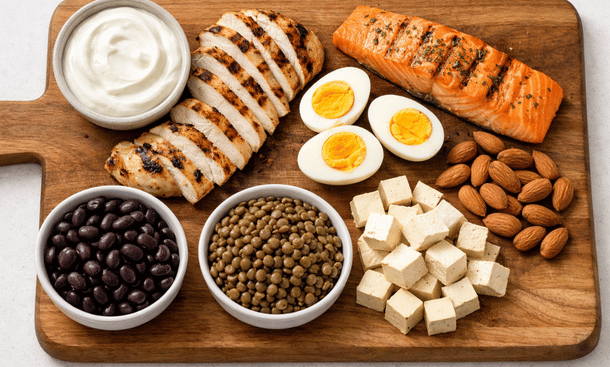
Fish and seafood like salmon provide about 22 grams of protein per three-ounce serving, plus omega-3 fatty acids crucial for brain development. Shrimp, cod, tilapia and other low-mercury fish are excellent choices. Stick to two to three servings weekly and cook to at least 145 degrees.
Eggs are incredibly versatile and budget-friendly. One large egg has about 6 grams of protein plus choline for brain development. Eat the whole egg because the yolk contains most nutrients including choline, vitamin D and healthy fats. Make sure eggs are fully cooked with firm whites and yolks.
I ate eggs almost every day during pregnancy in some form. Scrambled, hard-boiled, in omelets or egg salad sandwiches.
Greek yogurt and cottage cheese pack serious protein. Greek yogurt has about 15 to 20 grams per cup, plus calcium and probiotics. Cottage cheese provides about 14 grams per half cup. Both are easy grab-and-go options requiring zero prep. Choose plain varieties and add your own fruit to avoid excessive added sugars.
Milk and cheese round out dairy options. One cup of milk provides about 8 grams of protein plus calcium. Hard cheeses like cheddar offer about 7 grams per ounce. Make sure all dairy is pasteurized and avoid soft cheeses unless labeled as pasteurized.
Best Plant-Based Protein Sources
Plant proteins can absolutely meet your needs during pregnancy, though you need variety to get all essential amino acids. Many plant proteins are packed with fiber, vitamins and minerals too.
Beans and lentils including black beans, kidney beans, chickpeas and lentils provide 15 to 18 grams of protein per cooked cup, plus fiber, iron and folate. They’re incredibly versatile and budget-friendly. Add them to soups, salads, tacos, pasta or eat as a side dish.
I made a big pot of lentil soup every couple weeks during my second pregnancy. It was filling, nutritious and I could freeze portions for easy meals.
Tofu and tempeh are excellent soy-based options. Tofu provides about 10 grams of protein per half cup. Tempeh offers even more at about 15 grams per half cup. Both are complete proteins containing all essential amino acids. Press tofu to remove excess water, then bake, sauté or add to stir-fries.
Nuts and nut butters deliver solid protein along with healthy fats. Almonds provide about 6 grams per ounce. Peanut butter offers about 8 grams per two-tablespoon serving. Nut butters are perfect for quick snacks with apple slices, celery or whole grain toast. Just watch portion sizes because nuts are calorie-dense.
Quinoa is actually a complete protein, providing about 8 grams per cooked cup. It’s also rich in fiber, iron and magnesium. Use quinoa as a base for grain bowls, mix into salads, or use in place of rice.
Edamame provides about 17 grams of protein per cooked cup, plus folate and fiber. Keep frozen edamame on hand for quick snacks or side dishes. Just steam and sprinkle with sea salt.
Seeds like chia seeds, hemp seeds and pumpkin seeds all provide protein plus healthy fats and minerals. Add seeds to smoothies, oatmeal, yogurt or salads for an easy protein boost.
Meeting Needs as a Vegetarian or Vegan
Vegetarian diets can absolutely support healthy pregnancy with careful planning. The key is eating a wide variety of plant proteins throughout the day to get all essential amino acids.
Combine different protein sources like beans with rice, hummus with whole grain pita, or peanut butter with whole wheat bread. These combinations create complete proteins. Include eggs and dairy if you eat them because Greek yogurt, cottage cheese and eggs make hitting targets much easier.
Vegan pregnancy requires even more careful planning. Focus on complete plant proteins like quinoa and soy products, plus combinations of complementary proteins. Track intake carefully, especially in second and third trimesters when needs are highest. Consider vegan protein powder from pea protein, hemp protein or brown rice protein.
Work closely with your healthcare provider and possibly a registered dietitian specializing in plant-based pregnancy nutrition. You’ll likely need to supplement with vitamin B12, iron, DHA, calcium and possibly others.
Protein at Every Meal and Snack
The best way to meet protein needs is including it at every eating occasion. Your body can only absorb and use about 25 to 30 grams at once, so spreading intake throughout the day is more effective than eating a huge amount at dinner.
Breakfast ideas include scrambled eggs with cheese and whole wheat toast, Greek yogurt parfait with granola and berries, or peanut butter oatmeal with chia seeds. Lunch options are grilled chicken salad with chickpeas, tuna salad sandwich on whole grain bread, or lentil soup with a hard-boiled egg.
Dinner might be baked salmon with quinoa and roasted vegetables, beef stir-fry with tofu and brown rice, or black bean and cheese quesadilla with Greek yogurt. Snacks could include apple slices with almond butter, hard-boiled eggs, trail mix with nuts and seeds, or hummus with vegetables.
I got in the habit of asking myself at every meal and snack whether I had a protein source. If the answer was no, I added one.
Low protein intake during pregnancy has been linked to low birth weight, preterm delivery and increased risk of complications. Your baby will literally pull nutrients from your own tissues if you’re not getting enough.
I felt so much better once I prioritized protein. My hair and nails were stronger, I had more sustained energy throughout the day, and I recovered better from activity. Protein provides sustained energy, supports your expanding blood volume, helps your uterus grow, prepares breast tissue for milk production, and fuels hormone and enzyme production.
For complete information on protein requirements by trimester, the best animal and plant-based sources, vegetarian and vegan strategies, and practical meal ideas, explore our full guide on protein during pregnancy.
Dealing with Pregnancy Cravings and Food Aversions
At two in the morning during my first pregnancy, I woke up absolutely desperate for dill pickles dipped in peanut butter. Not separately. Together. On the same fork going into my mouth at the same time.
My husband looked at me like I’d lost my mind. Maybe I had. But that combination tasted better than anything I’d ever eaten, and nothing else would satisfy me until I had it.
Pregnancy cravings are wild, unpredictable and sometimes completely bizarre. One day you need ice cream immediately or you might actually cry. The next week you can’t stand the smell of your favorite foods and suddenly you’re obsessed with foods you never cared about before.
Why Cravings Happen
Scientists don’t fully understand why pregnancy cravings occur, but several theories make sense based on the massive hormonal and physical changes happening in your body.
Hormonal fluctuations, especially increases in estrogen and progesterone, affect your sense of taste and smell. Foods that tasted normal before might suddenly seem too strong or not appealing at all. Meanwhile other foods become intensely desirable.
Your body’s nutritional needs skyrocket during pregnancy. Some experts believe cravings might be your body’s way of directing you toward nutrients you need, but research on this is mixed and doesn’t explain why you’d crave ice chips or laundry detergent.
Blood sugar fluctuations can trigger intense hunger and specific food cravings, especially for carbohydrates and sweets that provide quick energy. Emotional and psychological factors play a role too. Pregnancy is stressful, and many women turn to comfort foods for emotional support.
I think it’s a combination of all these factors. Some of my cravings made nutritional sense, like when I desperately wanted oranges during first trimester. Others, like the pickles and peanut butter situation, were just pure weirdness.
Common Pregnancy Cravings
Certain foods show up on craving lists over and over across different cultures. Sweet foods like ice cream, chocolate, candy and cookies are among the most common. This makes sense from a blood sugar perspective since your body needs more calories and energy.
I craved chocolate constantly during both pregnancies. Not just a little chocolate. Like an entire chocolate bar every single day for months.
Salty and savory foods including pickles, potato chips, french fries and pizza are super common. Your blood volume increases dramatically, which requires more sodium. Your body might be driving you toward salty foods to meet this need.
Sour foods like citrus fruits, sour candy, pickles and vinegar-based items appeal to many pregnant women. The sour taste might help with nausea for some, or it might just be a taste preference shift caused by hormones.
Dairy products such as milk, cheese, ice cream and yogurt cravings could indicate your body needs more calcium and protein. Or you might just really want ice cream because it tastes good and feels comforting.
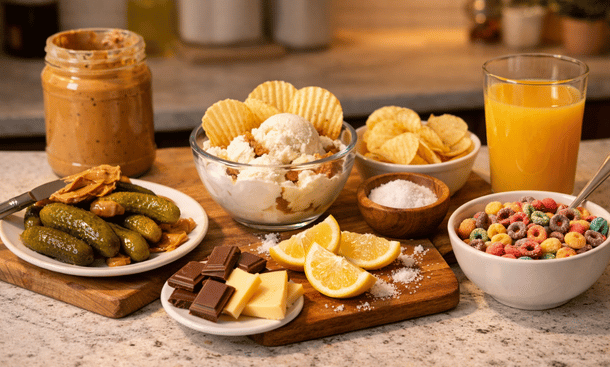
Carbohydrates like bread, pasta, rice and potatoes provide quick energy and can help settle an upset stomach. Carb cravings are incredibly common, especially in first trimester when nausea is an issue. I lived on plain bagels for the first 12 weeks of my second pregnancy.
Do Cravings Mean You’re Deficient
This is the big question everyone asks. If you’re craving red meat, does that mean you need iron? If you want dairy, are you low on calcium?
Sometimes maybe, but often no. Research shows that pregnancy cravings don’t reliably correlate with nutritional deficiencies. Women with adequate iron levels still crave red meat. Women getting plenty of calcium still desperately want ice cream.
If cravings were really about nutritional needs, we’d crave liver and leafy greens, not ice cream and french fries. Your body doesn’t have a sophisticated system that translates nutrient deficiencies into specific food cravings.
That said, pay attention to patterns. If you’re consistently craving red meat or ice, mention it to your doctor. These could potentially indicate anemia, though they’re not reliable indicators on their own.
What Is Pica
Pica is the medical term for craving and eating non-food substances like ice, dirt, clay, chalk, laundry detergent, soap or paper. This is different from regular food cravings and more common than you might think. Some studies suggest up to 30 percent of pregnant women experience pica to some degree.
Ice craving is most common and often associated with iron deficiency anemia. If you’re constantly chewing ice, get your iron levels checked. Craving dirt, clay or starch is more common in certain cultural backgrounds and geographic regions.
Consuming non-food items during pregnancy can be dangerous. Eating dirt or clay can expose you to parasites, bacteria and toxic substances. Laundry detergent and cleaning products are obviously poisonous. Even excessive ice can damage teeth or indicate serious nutritional deficiencies.
If you’re experiencing pica cravings, talk to your doctor immediately. Don’t feel embarrassed. This is a recognized medical condition that needs to be addressed.
Managing Sweet Cravings
Sweet cravings can be hardest to manage because giving in completely can lead to excessive weight gain, blood sugar issues and potentially gestational diabetes. The key is finding balance between satisfying the craving and not eating candy bars for every meal.
Choose naturally sweet options when possible. Fresh fruit, dried fruit, smoothies with banana and berries, or yogurt with honey can satisfy sweet cravings while providing actual nutrients.
If you really want chocolate or ice cream, have it. Just pay attention to portion sizes. A small serving you actually enjoy is better than trying to resist until you crack and eat way more than you would have initially.
Pair sweets with protein or healthy fat to slow sugar absorption. Have your cookie with a glass of milk. Eat chocolate with almonds. This helps prevent blood sugar spikes and crashes.
I allowed myself one intentional sweet treat daily during pregnancy. Some days it was ice cream. Other days it was a couple squares of dark chocolate. Knowing I could have something sweet every day made it easier not to go overboard.
Handling Salty and Savory Cravings
Salt cravings are common and somewhat expected since your blood volume increases and you need more sodium. But too much sodium can contribute to swelling and high blood pressure.
Choose salty foods that also provide nutrients. Olives, pickles, salted nuts, cheese and pretzels with hummus give you salt plus other beneficial nutrients. Make your own versions of fast food favorites at home where you can control ingredients.
Watch overall sodium intake, especially if you have high blood pressure or are at risk for preeclampsia. The recommended limit is less than 2,300 milligrams daily. Stay hydrated because sometimes what feels like a salt craving is actually thirst or dehydration.
When Food Aversions Strike
Food aversions are the opposite of cravings but just as intense. Suddenly foods you loved before make you nauseous just thinking about them. Common aversions include coffee, meat, eggs, fish and strong-smelling vegetables.
Don’t force yourself to eat foods that make you feel sick. Find alternative sources for the nutrients those foods provide. If you can’t stand meat, get protein from beans, lentils, tofu, eggs, dairy or protein shakes. If vegetables sound terrible, try sneaking them into smoothies or soups where texture and taste are less noticeable.
Food aversions usually improve after first trimester, though some persist throughout pregnancy. Be patient with yourself and work around them as best you can.
I couldn’t stand the smell of cooking chicken during my first pregnancy. Just the thought made me gag. I switched to other protein sources for a few months until the aversion passed.
Emotional Eating During Pregnancy
Pregnancy is emotionally intense. Hormones are all over the place, you’re dealing with physical discomfort, you might be anxious about becoming a parent, and food becomes a source of comfort and control.
There’s nothing wrong with occasionally eating for emotional reasons. Food is tied to comfort and celebration in every culture. The problem comes when it becomes your primary coping mechanism for stress or difficult emotions.
Pay attention to whether you’re actually hungry or eating because you’re bored, stressed, anxious or sad. Ask yourself what you really need in that moment. Sometimes it’s food. Other times it might be rest, connection, movement or just processing your feelings.
Find non-food ways to cope with stress. Take a walk, call a friend, take a bath, journal, practice breathing exercises or do something creative. If you find yourself binge eating or feeling out of control around food, talk to your doctor or a therapist specializing in prenatal mental health.
Pregnancy cravings are a normal part of the experience for most women, though they vary dramatically from person to person. Give yourself permission to enjoy foods you’re craving in reasonable portions while making sure you’re also getting the nutrients you and your baby need.
Your cravings will likely change throughout pregnancy and might even disappear entirely after you give birth. Embrace the weirdness, satisfy what you can in healthy ways, and remember that this is just one temporary phase of an incredible journey.
For practical strategies on managing cravings, understanding what they mean, and handling pica safely, read our complete guide on pregnancy food cravings.
Pregnancy Meal Planning and Staying Hydrated
I’ll never forget standing in front of my open refrigerator at seven months pregnant, absolutely starving but unable to figure out what to eat. I had groceries. I had ingredients. But putting together an actual meal felt completely overwhelming when I was exhausted and my brain was in pregnancy fog.
That’s when I realized I needed a system. Not some complicated meal plan from a fancy wellness blog, but a simple realistic approach to making sure I was eating well without having to think too hard about it every single day.
Meal planning during pregnancy isn’t about being perfect or following some strict diet. It’s about making your life easier while making sure you and your baby get the nutrients you need.
Why Meal Planning Matters
When you’re pregnant, your nutritional needs change and increase significantly. You need more protein, iron, calcium, folate and basically everything. But you’re also dealing with fatigue, nausea, food aversions, heartburn and a million other things that make eating well more challenging.
Meal planning takes the guesswork out of what to eat. You’re not standing in the kitchen at six o’clock, hungry and tired, trying to figure out dinner. You already know what you’re making because you planned it ahead.
It also helps ensure you’re getting good variety of nutrients throughout the week instead of falling into a rut of eating the same three things over and over. Plus it saves money when you plan meals around what’s on sale and what you already have.
I saved probably two hours per week just by not having to think about meals every single day. That time went toward resting, which I desperately needed.
First Trimester Meal Planning
The first trimester is rough for most women. Between nausea, exhaustion and food aversions, eating anything at all can feel like an accomplishment. Your meal plan during this time needs to be flexible and focused on foods that don’t trigger nausea.
Forget about elaborate recipes or perfectly balanced meals. The goal is getting calories and nutrients down and keeping them down. Simple bland foods often work best. Plain oatmeal with sliced banana, chicken noodle soup with crackers, baked potato with butter, plain pasta with a little olive oil and parmesan.
Keep backup options like frozen meals, canned soup and simple sandwiches available for days when even your planned meals sound terrible. I lived on bagels, plain pasta and chicken noodle soup for about six weeks. It wasn’t fancy but it kept me fed.
Second Trimester Meal Planning
The second trimester is usually when energy returns and appetite comes back. This is your opportunity to focus on nutrient-dense meals now that you can actually enjoy eating again.
Your baby is growing rapidly and nutritional needs are increasing, especially for protein, iron and calcium. Plan meals that include these nutrients consistently. Greek yogurt parfait with granola and berries for breakfast. Spinach salad with grilled chicken and chickpeas for lunch. Baked salmon with quinoa and roasted broccoli for dinner.
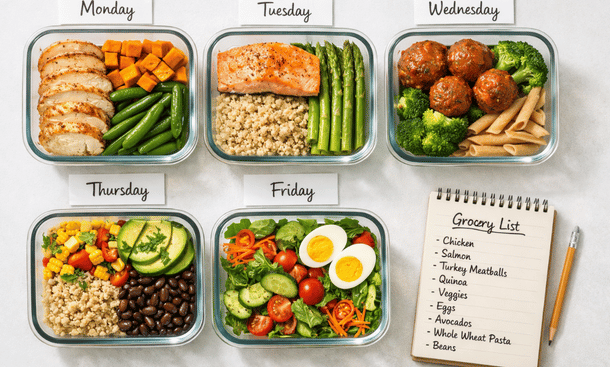
Pregnancy Meal Prep
These meals are more nutrient-dense and include plenty of protein, healthy fats, whole grains and colorful vegetables. Portion sizes can be normal to slightly larger as appetite increases.
Third Trimester Strategies
By the third trimester, your growing baby is literally squishing your stomach and digestive system. Large meals cause uncomfortable fullness, heartburn or indigestion. The solution is eating smaller portions more frequently throughout the day.
Plan for three moderate meals and three substantial snacks rather than three big meals. Scrambled eggs with cheese and half a whole wheat English muffin for breakfast. Greek yogurt with granola mid-morning. Half a turkey and avocado sandwich with small salad for lunch. Apple slices with almond butter and nuts mid-afternoon. Smaller portion of baked chicken with quinoa and vegetables for dinner. Cottage cheese with fruit for evening snack.
I set alarms on my phone to remind me to eat every few hours in my third trimester. Otherwise I’d get busy and realize I hadn’t eaten in five hours, which left me feeling shaky and starving.
Weekly Meal Prep Strategies
Spending a couple hours on the weekend preparing components for the week ahead makes daily cooking so much easier.
Grill or bake several chicken breasts, cook a batch of ground turkey or beef, hard-boil a dozen eggs, cook a pot of beans or lentils. Store in containers and use throughout the week. Cook a big batch of brown rice, quinoa or whole wheat pasta. These keep well in the fridge for four to five days.
Wash and chop raw vegetables for snacking and salads. Roast a big pan of mixed vegetables to add to meals throughout the week. Portion out nuts, trail mix, cheese and crackers into individual servings so they’re grab-and-go ready.
I usually spent about two hours on Sunday afternoon doing meal prep. It made weeknight dinners so much faster and easier.
Grocery Shopping Tips
Shop with a list based on your meal plan. This prevents impulse purchases and ensures you have everything you need. Don’t shop when you’re hungry because pregnancy hunger combined with grocery shopping leads to a cart full of random snacks.
Stock up on staples you use regularly when they’re on sale. Canned beans, pasta, rice, frozen vegetables and proteins can all be bought in bulk. Choose convenience items when they make sense. Pre-cut vegetables, rotisserie chicken and bagged salads cost more but they’re worth it if they mean you’ll actually eat healthy food instead of ordering takeout.
Keep healthy frozen meals on hand for days when you just can’t cook. There are actually some decent options now with reasonable ingredients and good nutrition.
Hydration During Pregnancy
Everyone talks about what to eat during pregnancy but hydration gets overlooked. You need significantly more fluids when you’re pregnant. Your blood volume increases by about 50 percent. You’re producing amniotic fluid. Your body is working harder to regulate temperature and transport nutrients. All of this requires water.
Aim for eight to twelve cups of fluids daily, more if you’re exercising or it’s hot outside. That sounds like a lot because it is.
Signs you’re not drinking enough include dark yellow urine, infrequent urination, dry mouth or lips, headaches, dizziness, constipation, and swelling beyond normal pregnancy swelling. I kept a large water bottle with me at all times and set goals to finish it by certain times of day.
Best Beverages for Hydration
Plain water is obviously the best choice. If plain water is boring, add lemon, cucumber, berries or mint for flavor without added sugar. Coconut water provides natural electrolytes along with hydration, great after exercise or on hot days.
Milk counts toward both hydration and calcium needs. One cup provides about eight grams of protein too. Herbal tea like ginger tea helps with nausea while peppermint tea aids digestion. Just avoid teas with high caffeine or herbs that aren’t pregnancy-safe.
One hundred percent fruit juice provides some vitamins along with hydration, but limit intake due to natural sugar content. Dilute with water to reduce sugar. Sparkling water can help with nausea and makes hydration more interesting. Choose varieties without added sugar or artificial sweeteners.
Beverages to Limit
Limit caffeine to 200 milligrams daily, about one 12-ounce cup of coffee. Remember that tea, soda and chocolate also contain caffeine. Avoid sugary drinks like soda, sweetened iced tea, energy drinks and fancy coffee drinks that pack a lot of empty calories.
No amount of alcohol is considered safe during pregnancy. Avoid it completely. Skip unpasteurized juice that can contain harmful bacteria. Stick to pasteurized juice or make your own fresh at home.
Hydration Strategies
Drink a glass of water first thing in the morning before you even have coffee or breakfast. This helps rehydrate after sleep. Keep water accessible everywhere. Water bottle at your desk, in your car, on your nightstand, in your bag. If it’s right there, you’ll drink more.
Eat water-rich foods like cucumbers, watermelon, oranges, strawberries, lettuce and soup. These contribute to overall hydration. Set reminders on your phone to drink water throughout the day if you tend to forget.
Use a straw if that makes drinking easier or more enjoyable. Some women find they drink more with a straw. Track your intake if you’re competitive or motivated by numbers.
Managing Frequent Bathroom Trips
Yes, drinking more water means more bathroom trips. There’s no way around it, especially with a baby pressing on your bladder. But dehydration causes its own problems including urinary tract infections, constipation and even preterm contractions. The bathroom trips are worth it.
Stop drinking large amounts right before bed if nighttime bathroom trips are disrupting your sleep. Front-load your hydration earlier in the day. I peed constantly during both pregnancies. It was annoying but I reminded myself it meant I was staying hydrated.
Quick Snack Ideas
Having go-to snacks ready makes it easier to eat frequently without a lot of effort. Greek yogurt with berries and granola, apple slices with peanut or almond butter, cheese and whole grain crackers, hard-boiled eggs, trail mix with nuts and dried fruit, hummus with baby carrots and cucumbers, cottage cheese with pineapple, whole grain toast with avocado, smoothie with fruit and yogurt and spinach, string cheese with grapes.
Keep these items stocked so you always have easy options available.
Meal planning during pregnancy doesn’t have to be complicated or time-consuming. Simple strategies like batch cooking proteins, keeping healthy snacks available and planning flexible weekly menus can make eating well so much easier.
Adjust your approach for each trimester based on how you’re feeling and what your body needs. Staying hydrated is just as important as eating well. Aim for eight to twelve cups of fluids daily, mostly from water, and keep beverages accessible throughout the day.
Give yourself grace when things don’t go according to plan. Meal planning is meant to support you, not add more pressure to an already demanding time.
For complete weekly menus, practical grocery lists, hydration strategies and tips for managing eating schedules with morning sickness or heartburn, explore our comprehensive guide on pregnancy meal planning.
Navigating nutrition during pregnancy can feel overwhelming at first, especially with all the conflicting advice out there. But once you understand the basic principles, it becomes much more manageable than you might think.
Your body is doing something absolutely incredible right now. Building a complete human being from scratch requires specific nutrients in amounts that are genuinely difficult to get from food alone. That’s why prenatal vitamins aren’t optional for most women, and why paying attention to what you eat matters so much.
The foundation of good pregnancy nutrition comes down to a few key principles. Get adequate amounts of essential nutrients like folic acid, iron, calcium, DHA and vitamin D through a combination of nutrient-dense foods and appropriate supplementation. Focus on whole foods that pack the most nutritional value per bite, including lean proteins, whole grains, colorful fruits and vegetables, healthy fats and dairy products.
Understand which foods to avoid and why, so you can make informed choices that keep both you and your baby safe from foodborne illnesses and harmful contaminants. Make sure you’re getting enough protein throughout the day, since it’s literally the building block for your baby’s entire body and supports your own changing physiology.
Listen to your body when cravings and aversions strike, satisfying them in healthy ways when possible while maintaining overall nutritional balance. Plan ahead with simple meal prep strategies and keep your kitchen stocked with nutritious options that are easy to grab when you’re tired or short on time.
Stay hydrated with plenty of water and other healthy beverages, because your body needs significantly more fluids to support increased blood volume and amniotic fluid production.
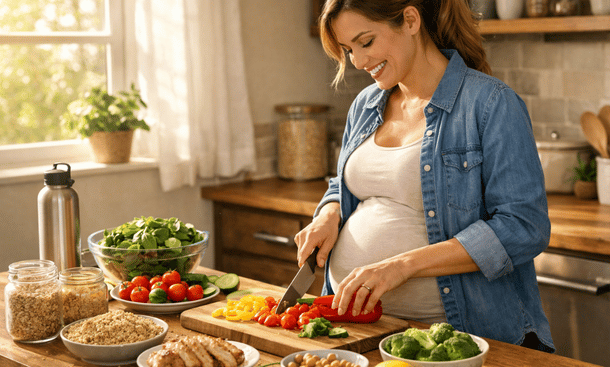
But here’s what I really want you to remember. Perfection isn’t the goal and it’s not realistic. There will be days when you can barely keep anything down. Weeks when all you want is carbs and nothing else sounds remotely appealing. Times when you’re too exhausted to cook and you order takeout for the third time this week.
That’s completely normal and okay. What matters is making nutritious choices most of the time, not stressing about occasional indulgences or days when things don’t go according to plan. Your body is remarkably good at prioritizing your baby’s needs even when your diet isn’t perfect.
Every woman’s pregnancy journey is different. What works for someone else might not work for you, and that’s fine. The recommendations in this guide are based on current research and medical guidelines, but you know your own body best. Work with your healthcare provider to create an approach that makes sense for your individual circumstances, health history and lifestyle.
If you’re dealing with specific conditions like gestational diabetes, food allergies, or severe morning sickness, you might need modifications to these general guidelines. Don’t hesitate to ask for help from a registered dietitian who specializes in pregnancy nutrition if you need more personalized guidance.
Trust yourself. You’re doing an amazing job growing a human being, even on the days when it doesn’t feel like it. Feed yourself with kindness and compassion, not guilt or perfectionism. Your baby doesn’t need you to eat flawlessly every single day. They need you to nourish yourself adequately, stay hydrated, avoid major risks, and take care of your physical and mental wellbeing.
The nine months of pregnancy are just the beginning of a lifelong journey of feeding and caring for your child. Learning to make informed nutritional choices now sets you up with knowledge and habits that will serve you well through motherhood and beyond.
As you move forward with your pregnancy nutrition journey, remember that small consistent efforts add up to big results over time. Every nutritious meal you eat, every glass of water you drink, every prenatal vitamin you take is an act of love for your growing baby and for yourself.
If you’re still feeling uncertain about where to start or want to dive deeper into making sure you’re getting all the nutrients you and your baby need, begin with understanding the essential vitamins and minerals that form the foundation of healthy pregnancy nutrition.
Take it one day at a time, one meal at a time, one choice at a time. You’ve got this.

Carlene R. Priddy offers strategic advice and practical guidance for governorsbefore, during, and after their mandatesto strengthen governance and public leadership.