
Introduction
Finding out whether you are pregnant is one of the most life changing moments in a woman’s life. For many, the first step begins with a pregnancy test strip, an affordable and accessible tool that gives fast results in the privacy of your home. If you’ve ever wondered how to use pregnancy test strip correctly, this guide will walk you through the entire process.
But beyond just testing, understanding your results is the first step in pregnancy prenatal care a journey that ensures you and your baby remain healthy from conception to delivery. In this comprehensive article, we’ll not only explain how to use pregnancy test strip step by step but also connect it to the wider importance of prenatal care, lifestyle adjustments, and regular checkup
What is a pregnancy test strip and how does it work?
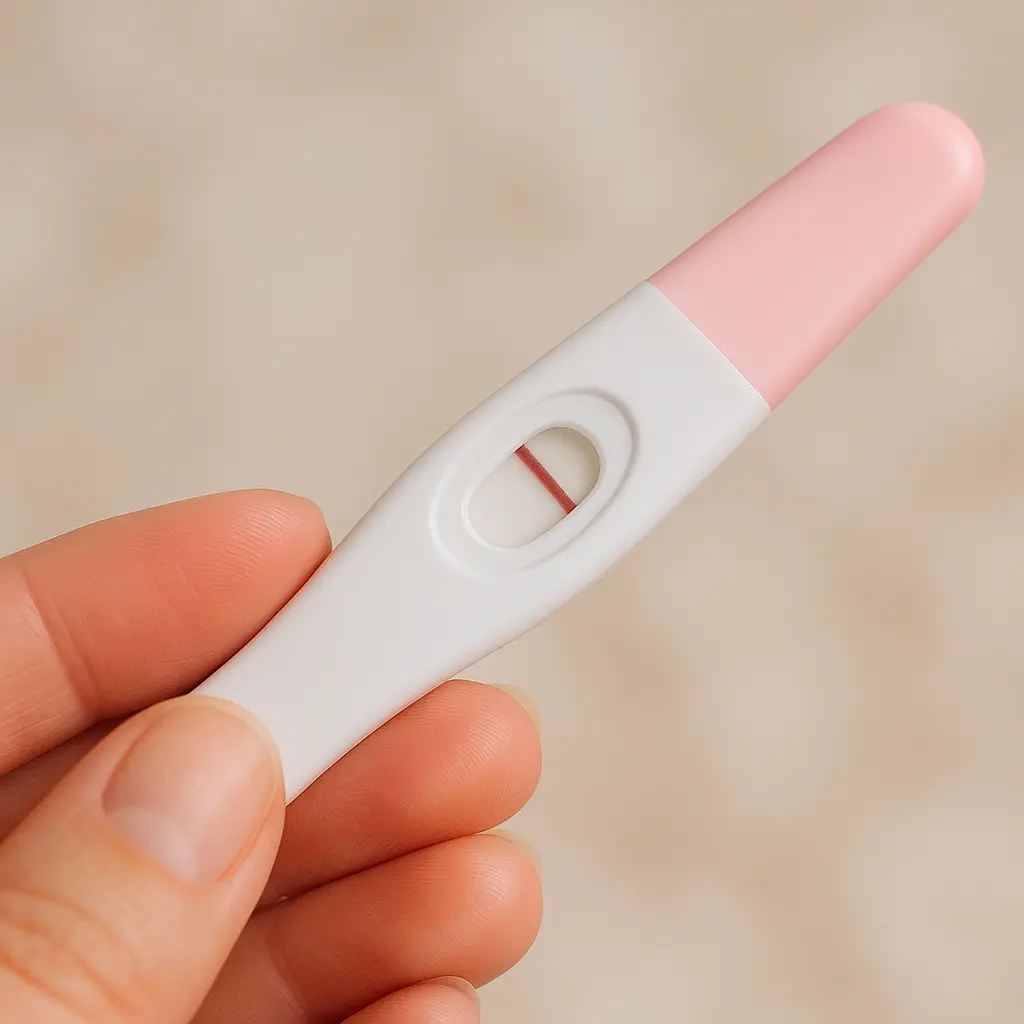
Before learning how to use pregnancy test strip, it’s important to understand how it functions.
-
Pregnancy test strips detect hCG (human chorionic gonadotropin, a hormone produced after a fertilized egg implants in the uterus.
-
hCG levels usually become detectable 10–14 days after ovulation, making strips a reliable early test.
-
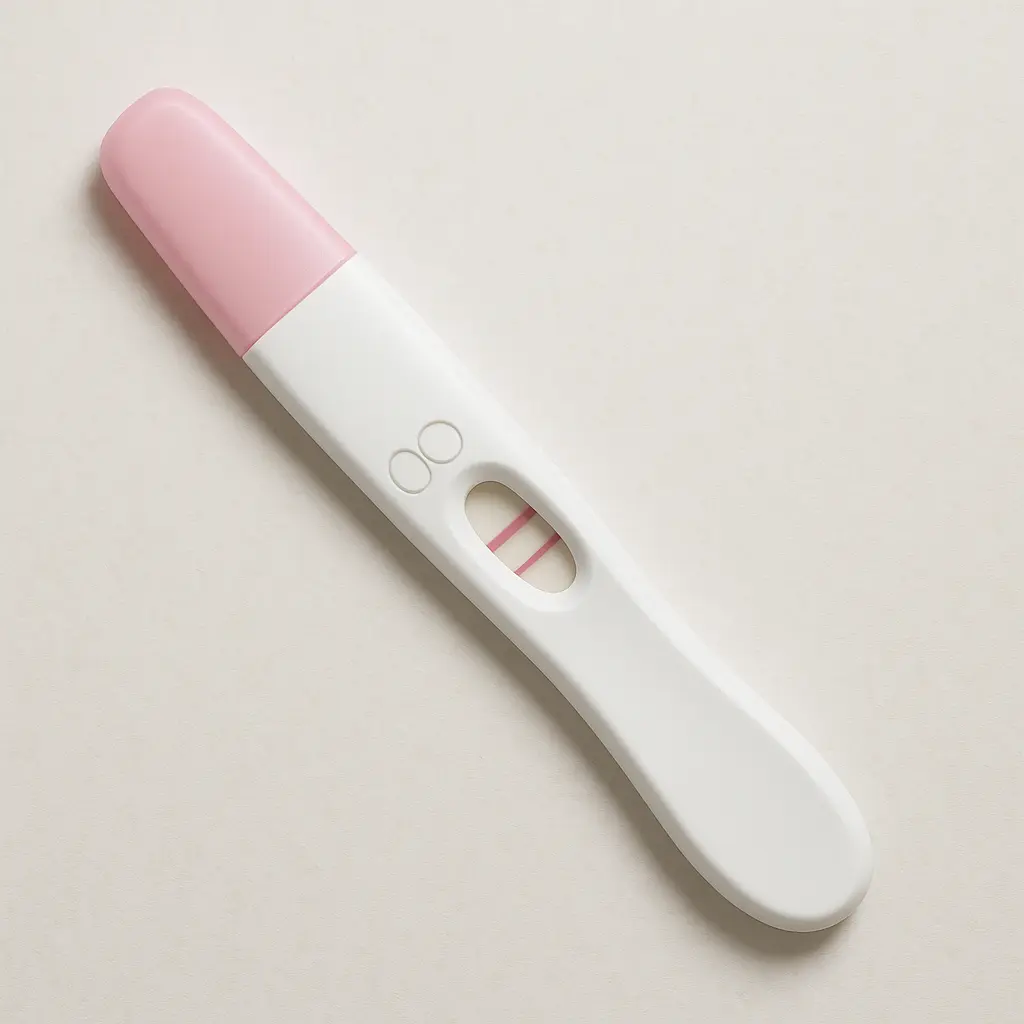
Strips are dipped in a urine sample, and the appearance of a control line (C) and a test line (T) indicates whether you’re pregnant.
In short: One line = not pregnant, two lines = pregnant.
Preparation before testing
-
Buy a reputable brand test strip.
-
Check the expiration date expired strips may give false results.
-
Use a clean, dry container to collect urine.
-
Test with first-morning urine (it has the highest hCG concentration
How to use pregnancy test strip (step by step)
-
Collect urine sample in a sterile cup.
-
Dip the strip into the urine for 5–10 seconds (do not exceed the “MAX” line.
-
Lay the strip flat on a clean surface
-
Wait 3–5 minutes for results to appear.
-
Read results promptly (within the time limit stated on the package).
Understanding pregnancy test results
-
Two lines (C + T): Positive (pregnant)
-
One line (C only): Negative (not pregnant).
-
No line or only T line: Invalid test (repeat with new strip).
Tip: If your first test is negative but your period is late, wait 48 hours and test again hCG levels double every 2–3 days in early pregnancy.
When to take a pregnancy test strip
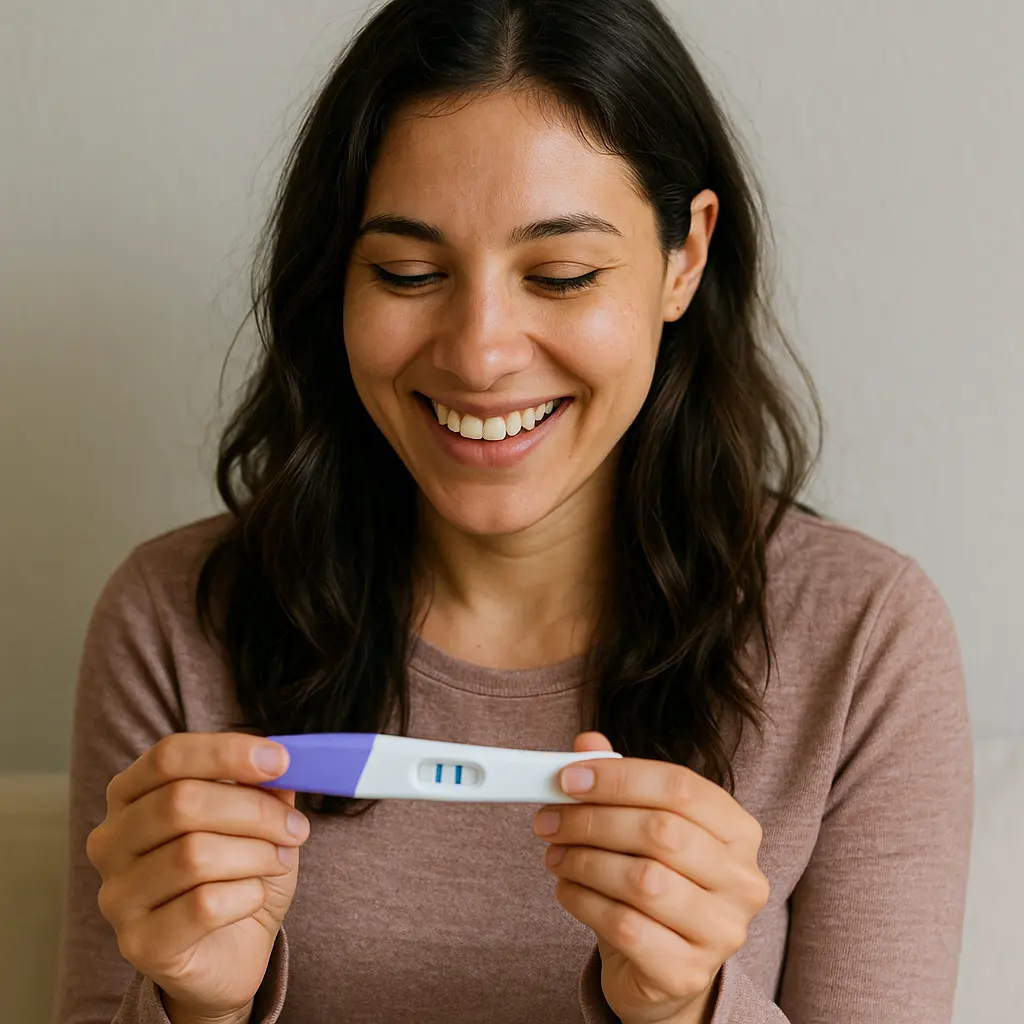
Knowing how to use pregnancy test strip is half the story timing matters.
-
Earliest: 10 days after ovulation.
-
Best accuracy: 1 week after missed period.
-
If irregular cycles: Wait at least 19–21 days after unprotected intercourse.
Accuracy of pregnancy test strips
-
Around 97–99% accurate if used correctly.
-
False negatives may occur if tested too early.
-
False positives are rare but possible with fertility medication or certain medical conditions.
Why prenatal care matters after a positive test

Once you confirm a positive result with a strip, the journey of pregnancy prenatal care begins.
-
Ensures early detection of complications.
-
Tracks your baby’s growth anddevelopment.
-
Supports maternal health with guidance on nutrition, supplements, and lifestyle.
-
Offers emotional reassurance and professional medical advice.
First prenatal appointment
-
Confirm pregnancy via blood test orultrasound.
-
Discuss medical history and risk factors.
-
Get advice on prenatal vitamins (especially folic acid).
-
Establish a care plan for your pregnancy journey.
Common mistakes to avoid when using a pregnancy test strip
-
Testing too early → may result in false negatives.
-
Using diluted urine → less hCG concentration.
-
Not following timing instructions → reading too soon or too late alters accuracy.
-
Expired strips → unreliable result
Lifestyle adjustments after a positive test
-
Nutrition: Eat a balanced diet rich in folate, iron, and protein.
-
Hydration: Drink 2–3 liters of water daily
-
Exercise: Moderate activity (like walking or prenatal yoga
-
Avoid harmful substances: Alcohol, smoking, excess caffeine.
-
Mental health: Practice mindfulness, journaling, or light meditation.
FAQs about how to use pregnancy test strip
Q1: Can I reuse a test strip?
No, strips are single-use only.
Q2: Can medications affect results?
Fertility drugs containing hCG can cause false positives.
Q3: What if my result is faint?
A faint test line usually still means pregnant; repeat after 48 hours.
Q4: How soon should I see a doctor after a positive result?
Within 6–8 weeks of pregnancy (or immediately if you have risk factors).
Conclusion
Learning how to use pregnancy test strip is the very first step toward understanding your reproductive health and beginning your prenatal care journey. These affordable tools empower women to confirm pregnancy privately and quickly, ut they are not the final step. Once a positive result appears, scheduling your first prenatal appointment ensures that both you and your baby receive the best care possible. Want to explore the next stage? Check out our detailed guide: 7 key antenatal care steps every expecting mother should know.
