
Introduction
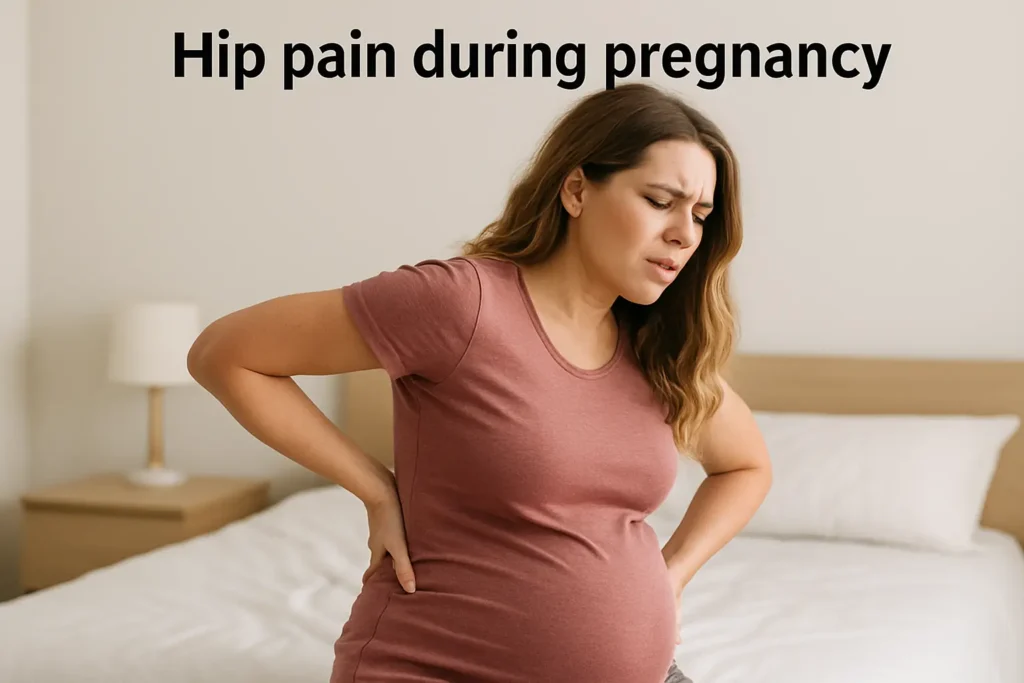
Hip pain during pregnancy is one of the most common discomforts expectant mothers face. For some women, it starts in the early second trimester, while others may only notice it closer to delivery. Whether it’s a dull ache, sharp pain, or stiffness, hip discomfort can interfere with daily routines, sleep, and overall quality of life.
The good news? You don’t have to suffer in silence. Understanding the causes of hip pain during pregnancy and finding safe remedies can make your journey to motherhood more comfortable. In this guide, we’ll explore why hip pain happens, when it typically begins, safe home remedies, and when to seek medical advice.
What causes hip pain during pregnancy?
Several physical and hormonal changes contribute to hip pain during pregnancy:
-
Hormonal changes: The hormone relaxin loosens ligaments to prepare your pelvis for childbirth. While necessary, this can make your joints less stable and cause hippain
-
Weight gain: As your body grows, added weight puts more pressure on your hips, pelvis, and lower back.
-
Shift in posture: A growing belly shifts your center of gravity, altering the way you walk and stand, leading to strain on your hips.
-
Sleeping position: Many pregnant women sleep on their side especially the left side for circulation), which can add pressure to the hip area.
-
Sciatica or pelvic girdle pain (PGP): These conditions may cause pain radiating from the lower back or pelvis into the hips
When does hip pain usually start in pregnancy?
Hip pain can start at different stages depending on your body and circumstances:
-
First trimester: Rare, but hormonal changes may trigger mild discomfort.
-
Second trimester: Common as the uterus expands and hormones increase.
-
Third trimester: Most intense period, since your baby is heavier, posture is altered, and ligaments are at their loosest.
Tip: If hip pain is severe early in pregnancy, always consult a doctor to rule out other issues.
Safe home remedies for hip pain during pregnancy
The good news is that many remedies are simple, safe, and effective.
Prenatal yoga and gentle stretches
Yoga designed for pregnant women can reduce stiffness, improve flexibility, and ease pressure on your hips. Focus on
-
Cat-cow stretch for spinal alignment.
-
Child’s pose with pillow support to open the hips gentl
-
Hip circles on a birthing ball to relieve tension.
Always check with your healthcare provider before starting new exercises.
Best sleeping positions to reduce hip pain

Side sleeping is recommended during pregnancy, but you can make it more comfortable:
-
Use a pregnancy pillow between your knees to align hips and spine.
-
Place a small pillow under your belly for added support.
-
Try switching sides during the night to avoid overloading one hip.
Heat and cold therapy
-
Apply a warm compress or heating pad on low setting to relax muscles.
-
Use a cold pack wrapped in cloth for 15 minutes to reduce inflammation.
-
Alternate between heat and cold for best results.
Supportive footwear and posture correction
-
Wear low-heeled shoes with good arch support.
-
Avoid standing for too long without breaks.
-
Practice neutral posture: shoulders back, pelvis tucked slightly under.
Massage and physical therapy
Prenatal massages from certified therapists can help relieve hip tension. In some cases, doctors recommend physical therapy to strengthen pelvic and hipmuscles.
When to see a doctor for hip pain in pregnancy

While hip pain is usually normal, you should seek medical help if:
-
Pain is severe, sudden, or worsening.
-
It radiates down one or both legs.
-
You experience numbness, tingling, or weakness.
-
It interferes significantly with daily movement or sleep.
-
You suspect a urinary or kidney problem (pain accompanied by fever or unusual symptoms
Your doctor may check for sciatica, pelvic girdle pain, or other musculoskeletal issues and recommend safe treatments.
Preventing hip pain throughout pregnancy
Prevention can make a big difference
-
Stay active with walking, swimming, or prenatal yoga.
-
Use ergonomic chairs for sitting
-
Strengthen your core and pelvic floor muscles with safe exercises.
-
Avoid lifting heavy objects or sudden twisting movements.
-
Start prenatal care early to monitor any complications.
Lifestyle adjustments after a positive test
If you confirmed your pregnancy recently, consider these adjustments to minimize discomfort:
-
Nutrition: Eat foods rich in calcium, magnesium, and omega-3s for bone and joint healt
-
Hydration: Stay hydrated to support muscle and joint function.
-
Rest: Balance activity with proper rest and relaxation.
-
Mental health: Managing stress helps prevent muscle tension that worsens hip pain.
FAQs about hip pain during pregnancy
1: Is hip pain during pregnancy normal?
Yes, it’s very common due to hormonal, physical, and postural changes.
2: Can hip pain affect labor?
It usually does not affect labor, but strengthening your hips and pelvis can make delivery smoother.
3: Are pain medications safe?
Always consult your doctor. Some over-the-counter medications are not recommended during pregnancy.
4: Can hip pain continue after delivery?
For some women, mild hip pain may linger postpartum. Regular exerciseand physical therapy often help.
Conclusion
Hip pain during pregnancy is a normal part of the journey for many women, but it doesn’t have to control your daily life. By combining safe home remedies, lifestyle adjustments, and prenatal care, you can reduce discomfort and enjoy a smoother pregnancy. Want to stay ahead of every stage? Check out our in-depth guide: 7 Key Antenatal Care Steps Every Expecting Mother Should Know.

Kenya K. Foti shares strategic insights and practical advice for governors—before, during, and after their mandates—to help strengthen leadership and governance impact.