

Pregnancy can be beautiful, strange, tiring, exciting, and a little unsettling all in the same week. Your body changes fast. Some symptoms come and go without meaning much. Others deserve more attention than people realize. That is why knowing the warning signs during pregnancy matters so much. Not because you should spend every day worried, but because peace of mind usually comes from knowing what is normal and what should not be ignored.
I’m Carlene R. Priddy. I’m 35, I care deeply about pregnancy care, and I love writing in a way that feels clear when life gets overwhelming. One of the hardest parts of pregnancy is sorting everyday discomfort from symptoms that may need medical attention. A little swelling in your feet after a long day may not mean much. Heavy bleeding, severe headache, leaking fluid, or a major drop in baby’s movement can tell a very different story.
The tricky part is that serious symptoms do not always look dramatic. Sometimes they start quietly. A little spotting that gets heavier. A headache that feels stronger than usual. Tightening that starts to come in a pattern. A weird sense that baby is moving less than normal. These are the moments where women often hesitate because they do not want to overreact. That hesitation is common, but it can slow down the care that matters.
The safest mindset during pregnancy is calm attention. You do not need to diagnose yourself. You do not need to panic every time something changes. You do need to notice what is happening, pay attention to patterns, and speak up when a symptom feels unusual, intense, or persistent.
Some warning signs matter in early pregnancy. Others become more important later on. Some are tied to your own health, like swelling with severe headache or signs of infection. Others are tied more closely to the baby, like reduced movement or leaking amniotic fluid. In real life, though, these categories often overlap. That is why it helps to look at the full picture instead of judging each symptom in isolation.
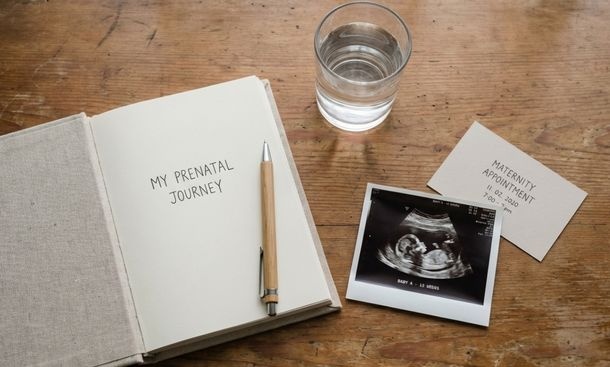
The goal is not to turn pregnancy into a list of fears. The goal is to help you tell the difference between symptoms that can usually be monitored and symptoms that should push you to call your doctor, midwife, or maternity unit sooner rather than later. If something feels wrong, even when you cannot explain it perfectly, that matters too. A lot of women sense a change before they have the right words for it.
What follows is built around five warning signs during pregnancy that deserve real attention: bleeding, severe headache with swelling or vision changes, decreased fetal movement, possible preterm labor, and emergency symptoms like leaking fluid, fever, vomiting, or shortness of breath. These are not the only red flags in pregnancy, but they are some of the most important ones to recognize early.
Vaginal bleeding during pregnancy: when spotting is fine and when it’s a real red flag
Bleeding during pregnancy is one of the symptoms that can scare women immediately, and honestly, that reaction makes sense. Seeing blood when you are pregnant can stop your thoughts cold. The good news is that not all bleeding means something is seriously wrong. The difficult part is knowing when it may be minor and when it needs urgent care.
Spotting and bleeding are often grouped together, but they are not always the same thing. Spotting is usually light. You may notice a few pink, brown, or red spots on toilet paper or underwear. Bleeding is typically heavier and can feel more like a period or stronger than that. You may also notice clots, ongoing flow, or cramping.
That difference matters because light spotting can happen for less serious reasons. Early in pregnancy, some women notice light bleeding around the time the pregnancy implants. Spotting can also happen after sex because the cervix becomes more sensitive during pregnancy. A pelvic exam may trigger a little bleeding too. Brown spotting often means older blood and can look more alarming than it actually is.
Still, there is a line where bleeding deserves more than watchful waiting. If the flow is increasing, if the blood is bright red, or if bleeding comes with pain, dizziness, or weakness, the situation changes. In early pregnancy, bleeding with cramping can be linked to miscarriage. It can also be a warning sign of ectopic pregnancy, especially if there is sharp pain, shoulder pain, or faintness. Later in pregnancy, bleeding can point to conditions like placenta previa, placental abruption, or preterm labor.
A lot of women talk themselves into waiting because they are afraid of sounding anxious. That kind of hesitation is understandable, but bleeding is not the symptom to minimize. Even when it turns out to be harmless, checking it early is still the better call.
A few signs make bleeding more urgent:
- heavy flow
- bright red blood that continues
- strong cramps or abdominal pain
- back pain that builds with the bleeding
- dizziness or fainting
- passing clots or tissue
- bleeding later in pregnancy
- leaking fluid or contractions along with the blood
If you are bleeding during pregnancy, use a pad rather than a tampon so you can get a better sense of the amount. Pay attention to the color, how long it lasts, and what other symptoms are present. You do not need a perfect description. Your doctor or midwife will guide the conversation from there.

One reason bleeding feels so stressful is that it lives in that space between common and serious. A small amount may not mean danger. A heavier flow may mean something that should be evaluated without delay. That is why the best response is not panic and not denial. It is calm action.
If you notice bleeding that feels unusual, especially if it is more than a few spots or paired with pain, contact your provider. If it is heavy, painful, or accompanied by dizziness, seek urgent medical care. There is no benefit in trying to be stoic through symptoms that need attention.
Women who want a more detailed breakdown can read the full explanation of bleeding during pregnancy and what it may mean, especially if they are trying to tell the difference between normal spotting and signs that should not wait.

Severe headache, blurry vision, and swelling: signs you shouldn’t brush off
Headaches are common during pregnancy, which is part of what makes this warning sign easy to dismiss. You may be tired, dehydrated, stressed, hungry, or sleeping badly. Any of that can leave your head pounding. But a severe headache during pregnancy can mean more than a rough day, especially when it shows up with blurry vision, sudden swelling, or pain high in the abdomen.
That combination deserves respect because it can point to high blood pressure problems, including preeclampsia. Not every strong headache means preeclampsia, but this is one reason doctors and midwives take severe headache seriously. The headache itself matters. The symptoms around it matter even more.
A mild headache that improves after water, food, and rest may not be alarming. A headache that keeps going, feels stronger than usual, or comes with other changes belongs in a different category. The body often gives more than one clue when something is wrong.
Signs that make a headache more concerning include:
- blurry vision
- seeing spots or flashing lights
- swelling in the face or hands
- sudden weight gain
- pain under the ribs
- nausea that feels different from usual pregnancy nausea
- shortness of breath
- a headache that does not improve with rest
Swelling is one of those symptoms that can confuse people because some swelling in pregnancy is normal. Feet and ankles often swell more later in the day, especially in warm weather or after standing for a long time. Sudden swelling in the face, around the eyes, or in the hands tells a different story. If your rings suddenly feel tight and your face looks puffier than usual, do not ignore that shift.
Vision changes matter too. Blurry sight, spots, flashing lights, or a strange sense that your eyes cannot focus clearly can all raise concern when they happen alongside a bad headache. Those are not the kind of changes to sleep off and hope for the best.

One thing women do all the time is try to explain symptoms away. Maybe it is stress. Maybe not enough water. Maybe not enough sleep. Those may be true in some cases, but pregnancy is not the time to force every symptom into the most reassuring explanation. If a headache feels severe or unusual, it is worth checking. If it comes with blurry vision or swelling, it is even more important.
Doctors may ask when the headache started, where the pain is located, whether your vision changed, if you have swelling, and whether you checked your blood pressure. You do not need to sound polished on the phone. You only need to be honest and direct. A strong headache since morning that has not improved is useful information. So is saying your hands and face seem more swollen than normal.
A headache becomes urgent when:
- it is severe and persistent
- it starts suddenly and feels intense
- it is paired with vision changes
- it comes with swelling in the face or hands
- it comes with chest pain or trouble breathing
- it is joined by upper abdominal pain
- you feel faint, confused, or very unwell
The right response is simple. If the headache is severe or connected to any of those symptoms, call your provider right away. If it feels extreme or comes with breathing problems, confusion, chest pain, or severe swelling, seek urgent care. This is not about overreacting. It is about catching something early if there is a bigger issue developing.
Pregnancy care often asks women to strike a balance between staying calm and staying alert. That is not always easy. The good thing is you do not need to know the diagnosis to make the right call. You only need to notice that the pattern is not normal for you.
Women who want a closer look at how headache, swelling, and vision changes fit together can read this deeper guide to severe headache during pregnancy warning signs, especially if they are trying to sort an ordinary headache from a symptom that deserves same-day attention.
Decreased fetal movement: what it means when baby ain’t moving like usual
Feeling your baby move is one of the most reassuring parts of pregnancy. It is personal. It is grounding. It gives you a sense that your baby is right there with you through the day. That is why a change in movement can feel so unsettling. Even when you cannot fully explain it, you know when the usual pattern seems off.
Babies do not move the exact same way every hour. They have sleep cycles. Some are more active at night. Some move more after meals. Some are naturally gentler than others. The important thing is not comparing your baby to someone else’s. The important thing is noticing your baby’s own rhythm.
Decreased fetal movement is not just about movement stopping completely. A real drop in movement, a noticeable change in strength, or a quieter pattern than usual can all matter. One of the biggest mistakes women make is waiting for total silence before they call. Reduced movement is enough reason to take it seriously.
This warning sign becomes especially important later in pregnancy when patterns are easier to recognize. By that point, many women know when their baby usually gets active. Maybe after dinner. Maybe when they lie down at night. Maybe first thing in the morning. That familiar rhythm is part of what helps you notice when something shifts.
A quieter period does not always mean danger. Your position, your activity level, and even where the placenta is placed can affect how movement feels. But decreased fetal movement can also be a sign that the baby needs to be checked. That is why providers would rather hear from you sooner than later.
Good reasons to call include:
- baby is moving less than usual
- movements feel weaker than normal
- the usual active times feel much quieter
- the pattern has clearly changed
- reduced movement comes with bleeding, pain, or leaking fluid
A common question is whether kick counting is necessary. Different providers handle this a little differently. Some recommend paying close attention at a time of day when your baby is usually active and noticing how long it takes to feel a certain number of movements. Others focus more on your baby’s personal pattern than a strict number. Either way, the goal is the same: awareness.
If movement seems reduced, stop what you are doing for a little while. Sit down or lie on your side and focus only on the baby. Some women notice movement more clearly when they are still. You can try this briefly, but do not let it turn into hours of home testing while your worry keeps growing. If the pattern still feels reduced, call.

One reason women delay reaching out is embarrassment. They worry the baby will start moving normally again as soon as they call. They worry about being told everything is fine. But reassurance is not a waste of care. If everything turns out normal, that is good news. If the baby does need checking, you did the right thing by not waiting.
Providers may ask how far along you are, when you last felt the usual amount of movement, and whether you have other symptoms. Depending on the situation, they may ask you to come in for monitoring. That can sound intimidating, but it is often the fastest way to replace uncertainty with real information.
Your instincts matter here. You may not have perfect language for what changed. Maybe the kicks feel softer. Maybe the evening activity is missing. Maybe baby is still moving, but not with the same energy. That kind of shift is worth paying attention to.
The right response to decreased fetal movement is not panic. It is action. Notice the change. Take it seriously. Let your care team decide whether the baby needs to be assessed.
Women who want a fuller breakdown of movement patterns, timing, and what counts as a meaningful change can read this guide to decreased fetal movement and when to get checked, especially if they are in that uncertain space of wondering whether the difference they feel is enough to call about.
Contractions, cramping, and back pain before 37 weeks: could it be preterm labor?
A lot of pregnancy symptoms live in a gray zone, but signs of preterm labor may be some of the most confusing. Tightening, pelvic pressure, cramps, lower back pain, and discharge changes can all show up in normal pregnancy too. That overlap is what makes early labor hard to spot sometimes. Women often tell themselves it is nothing serious because each symptom alone can seem manageable.
Preterm labor means labor that starts before 37 weeks. That does not mean every cramp leads to an early birth, but it does mean the body may be starting changes too soon. When that possibility is on the table, timing matters.
One of the first clues can be contractions or repeated tightening. Braxton Hicks contractions are common and often harmless. They tend to be irregular and may calm down with rest, hydration, or a change in position. Real preterm labor contractions are more concerning when they start to form a pattern, get closer together, feel stronger over time, and do not settle down.
Other signs that matter include:
- menstrual-like cramps
- low dull backache that keeps going
- pelvic pressure
- abdominal cramping
- increased vaginal discharge
- watery discharge or leaking fluid
- spotting or light bleeding
The hard part is that preterm labor does not always announce itself dramatically. Some women feel a low heavy pressure like the baby is pushing down. Others notice back pain that feels different from regular soreness. Some say it feels like a period may be starting. Sometimes discharge changes are the first clue, especially if it becomes more watery, mucus-like, or streaked with blood.
That is why patterns matter more than any single symptom. Tightening plus pressure plus back pain tells a stronger story than back pain alone. Contractions with a change in discharge tell a stronger story than one isolated cramp.

If you are under 37 weeks and these symptoms feel real, the best move is to stop and pay attention. Sit or lie down. Drink water. Notice whether the tightening keeps coming and how often. If contractions are repeated and do not ease up, call your provider or maternity unit.
Leaking fluid is especially important. If you feel a gush or steady dampness and you are not sure whether it is urine, discharge, or amniotic fluid, do not shrug it off. That kind of uncertainty should still prompt a call.
A lot of women delay getting help because they do not want to look dramatic. They think they should wait until the pain is worse or until they are more certain. Preterm labor is not the time to demand certainty from yourself. You are not expected to know if the cervix is changing. You are expected to notice symptoms and act on them.
Providers may ask:
- how far along you are
- how often contractions are happening
- whether there is bleeding or leaking fluid
- whether baby is moving normally
- how long the symptoms have been going on
If they want you to come in, it does not mean something terrible is definitely happening. It means they want real information instead of guesswork. Monitoring, an exam, or tests can help determine whether labor is actually starting or whether the symptoms are due to something less urgent.
A calm response is still a fast response. That is the balance to aim for. You do not need panic to take symptoms seriously. You just need to avoid minimizing a pattern that may matter.
Women who want a more detailed explanation of contractions, discharge changes, and the early clues that can point to labor can read this guide to signs of preterm labor before 37 weeks, especially if they are trying to tell the difference between ordinary discomfort and a warning sign that should not wait.
Leaking fluid, fever, vomiting, and shortness of breath: the emergency signs to take seriously
Some warning signs during pregnancy fit into clear categories. Others feel more scattered at first, but they have one thing in common: they can signal an emergency. Leaking fluid, persistent fever, nonstop vomiting, sudden shortness of breath, chest pain, fainting, or severe pain all deserve fast attention. These are not symptoms to monitor casually for the rest of the day while hoping they fade on their own.
Leaking amniotic fluid is one of the most important emergency signs to recognize. A lot of women expect a dramatic gush, but that is not always how it happens. It can be a slow trickle. It can feel like dampness that keeps coming back. It may be hard to tell whether it is discharge, urine, or fluid from the amniotic sac. If you think fluid may be leaking, call your provider or maternity unit. You do not need to solve the mystery first.
Fever is another symptom that should not be brushed aside. A fever can point to infection, and infection during pregnancy can affect both mother and baby. Fever matters even more when it shows up with chills, body aches, pain with urination, abdominal pain, or leaking fluid. The exact cause may vary, but the need for medical advice does not.
Vomiting can also cross the line from miserable to urgent. Nausea is common in pregnancy, especially early on, but repeated vomiting that prevents you from keeping fluids down can lead to dehydration and weakness pretty fast. If you are dizzy, unable to drink, peeing less than usual, or feeling faint, it is time to call.
Shortness of breath deserves especially careful attention. Pregnancy can make you winded more easily, but sudden or severe trouble breathing is different. The same goes for chest pain, confusion, fainting, or a sense that something is very wrong. Those symptoms belong in the urgent category, not the wait-and-see category.
Other emergency signs during pregnancy include:
- heavy bleeding
- severe abdominal pain
- severe headache with blurry vision
- sudden swelling in the face or hands
- decreased fetal movement
- contractions too early
- seizures
- confusion or loss of consciousness

A lot of women hesitate because they do not want to overreact. They hope symptoms will pass. They try to explain them away. That instinct is human, but it is not always safe. Pregnancy care works best when urgent symptoms are reported early. Providers are used to these calls and would rather assess a symptom that turns out fine than miss one that needed action.
If you think something may be seriously wrong:
- stop what you are doing
- sit or lie down safely
- note what the symptom is and when it started
- call your provider, maternity unit, or emergency services depending on severity
- do not drive yourself if you feel faint or unwell
The best response is calm attention. Not panic. Not denial. Emergency signs during pregnancy are not common everyday discomforts. They belong in a different mental category because they may need same-day care or immediate help.
Women who want a fuller breakdown of leaking fluid, fever, vomiting, and the other red flags that need a quicker response can read this guide to leaking amniotic fluid and other pregnancy emergencies, especially if they are trying to sort symptoms that can wait from symptoms that should lead to urgent medical advice.

Carlene R. Priddy offers strategic advice and practical guidance for governorsbefore, during, and after their mandatesto strengthen governance and public leadership.