

If pumping feels pinchy, awkward, or way more intense than you expected, the problem is not always the pump itself. A lot of the time, the issue is breast pump flange size. That one detail can change how comfortable pumping feels, how well milk flows, and whether you end a session relieved or annoyed.
A flange is the funnel-shaped part that fits over the nipple during pumping. If the fit is off, your nipple may rub, swelling may increase, suction may feel too strong, and milk removal may be less effective. That sounds small, but it can affect your whole routine. If you want the broader context on choosing a hand-operated option and making it work in daily life, this complete manual breast pump guide connects fit, comfort, and technique in a simple way.
table of contents
- why breast pump flange size matters
- what a flange should feel like
- signs your flange is too small
- signs your flange is too large
- how to measure for a better fit
- why fit can change after birth
- manual pump fit versus electric pump fit
- tips for more comfortable pumping
- common flange fit mistakes
- conclusion
why breast pump flange size matters
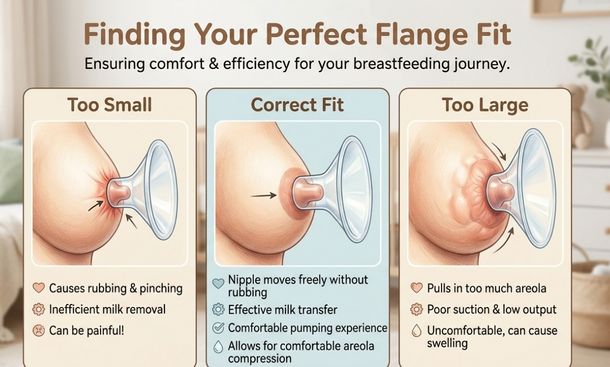
Flange size matters because pumping works best when the nipple moves freely inside the tunnel without too much rubbing and without pulling in too much surrounding tissue. A proper fit can help with comfort and milk removal at the same time.
When the fit is wrong, moms often assume they just need to tough it out. That is a rough deal, especially when you are already tired. Pumping should not feel like something you have to brace for every time. Some sensitivity may happen early postpartum, sure, but ongoing pain is usually a clue that something needs adjusting.
A better flange fit may help with:
- reducing friction and soreness
- improving milk flow
- lowering nipple swelling during pumping
- making suction feel less harsh
- helping shorter sessions feel more productive
This is one of those practical fixes that can make a big difference fast.
what a flange should feel like
A well-fitted flange usually feels snug but not tight. Your nipple should move in and out of the tunnel without dragging hard against the sides. The areola, meaning the darker skin around the nipple, may move a little, but not too much. You should not feel pinching, burning, or sharp rubbing.
A good fit often looks like this:
- the nipple is centered in the tunnel
- it moves freely with each suction cycle
- the surrounding breast tissue is not being pulled in excessively
- milk starts to flow without intense discomfort
- the nipple does not come out flattened or badly irritated
Every body is different, so the exact look may vary. What matters most is function plus comfort. If pumping feels wrong and leaves you sore every time, it is worth checking fit before assuming the whole pump is a problem.
signs your flange is too small
A too-small flange can make pumping feel tight right away. The nipple may rub the sides of the tunnel instead of moving freely through the center. That rubbing can lead to swelling, pain, and poor milk flow.
Common signs include:
- nipple rubbing against the tunnel walls
- pinching or stinging during pumping
- nipple swelling that gets worse through the session
- reduced milk output
- skin irritation after pumping
Some moms describe it as feeling like the pump is scraping instead of drawing milk. If that sounds familiar, the size may be too small.
signs your flange is too large
A too-large flange can also cause problems, even if it does not feel as sharp at first. Too much of the areola may get pulled into the tunnel, which can make suction feel strange and inefficient.
Signs of a too-large flange may include:
- too much areola being drawn into the flange
- a tugging sensation across more of the breast
- reduced suction where it matters
- swelling around the nipple and areola
- milk removal that feels slow or incomplete
This kind of fit issue can be sneaky because some moms assume more space must be better. Usually, it is not. The goal is not a roomy fit. The goal is an effective fit.
how to measure for a better fit
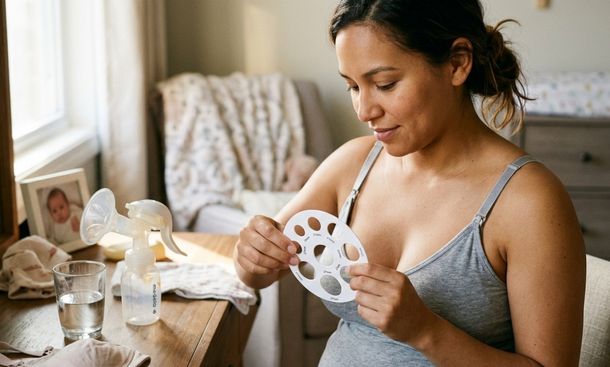
Measuring can make the guesswork a whole lot easier. The usual approach is to measure the nipple itself, not the whole areola, and then compare that number to sizing recommendations for the pump brand you use.
A simple way to start:
- measure the diameter of the nipple at the base
- do this when the nipple is not compressed right after pumping
- use a sizing tool or ruler with millimeter marks
- compare the result with the flange sizing chart for your pump
Most moms need a little space beyond the nipple measurement so the nipple can move comfortably in the tunnel. The exact recommendation can vary by brand and design, which is why checking the specific sizing guide matters.
If you do not have a measuring tool, you can still look closely during a pumping session. Is the nipple centered? Is it rubbing? Is too much tissue getting pulled in? Those visual clues help.
The tricky part is that many pumps come with standard flange sizes, and standard does not mean correct for you. Plenty of women need a different size than what comes in the box.
why fit can change after birth
Your body changes a lot in the postpartum period, and flange fit can change with it. Swelling, milk coming in, nipple elasticity, and feeding patterns can all affect what feels right.
A size that seemed okay in the hospital may feel wrong two weeks later. A flange that worked fine early on may feel less comfortable once pumping becomes more regular.
That is why it helps to recheck fit if:
- pumping becomes painful
- your output changes unexpectedly
- your nipple looks swollen after sessions
- you switch pump types
- you are using pumping more often than before
You are not imagining it if a fit that once worked starts feeling off. Bodies shift. Feeding routines shift too.
manual pump fit versus electric pump fit
The basic principle is the same with both pump types. Your nipple should move freely without too much friction or too much surrounding tissue getting pulled in. But the pumping experience can feel different depending on the device.
With a manual pump, you control the pace and pressure yourself. That can make it easier to adjust in the moment if something feels off. You can slow down, soften the suction, pause, and reset your position.
With an electric pump, especially a strong one, a poor flange fit may become obvious faster because the motor keeps cycling at a fixed pace until you change the settings or stop.
That is one reason some moms find manual pumping easier to troubleshoot. If comfort is already a concern, having more direct control can help a lot.
tips for more comfortable pumping
Fit is a huge piece of the puzzle, but it is not the only one. A few smaller changes can make pumping feel much better overall.
center the nipple carefully
Even the right flange size can feel rough if the nipple is not centered before suction starts. Take an extra second to line it up.
start with gentle suction
Do not jump to the strongest setting or fastest hand rhythm. Let your body warm into the session.
use warmth before pumping
A warm compress or a short warm shower may help you relax and support milk flow.
check lubrication if needed
Some moms find that a tiny amount of nipple-safe lubricant around the flange opening reduces friction. Use only products recommended for breastfeeding and pump use.
stop and reassess if pain continues
If pumping hurts every time, something needs attention. It could be flange size, technique, suction, or timing. Persistent pain is not something to ignore.
common flange fit mistakes
A lot of flange problems come from super common mistakes, not from doing anything wildly wrong.
One mistake is using whatever size came with the pump without questioning it. Another is assuming pain is just part of pumping. Another is measuring once and never revisiting fit as the postpartum body changes.
Other common mistakes include:
- turning suction up too high to compensate for poor fit
- focusing only on output and ignoring pain
- using a flange that looks centered before pumping but shifts once suction starts
- switching pumps without checking whether the flange design feels different
Small adjustments can save you a lot of frustration. Sometimes the fix is not buying a whole new pump. It is just getting the right size.

Breast pump flange size can shape your whole pumping experience more than most moms expect. A better fit may mean less pain, better milk flow, and a routine that feels more manageable instead of draining. If pumping has felt off, uncomfortable, or just plain frustrating, checking flange fit is one of the smartest first steps. Once fit feels better, the next question is often how long should I pump

As a Felyro.com content author, I develop actionable content on breastfeeding, translating research-backed information into practical advice for mothers. My goal is to help families establish healthy feeding habits, improve maternal confidence, and support infant development.