
Introduction
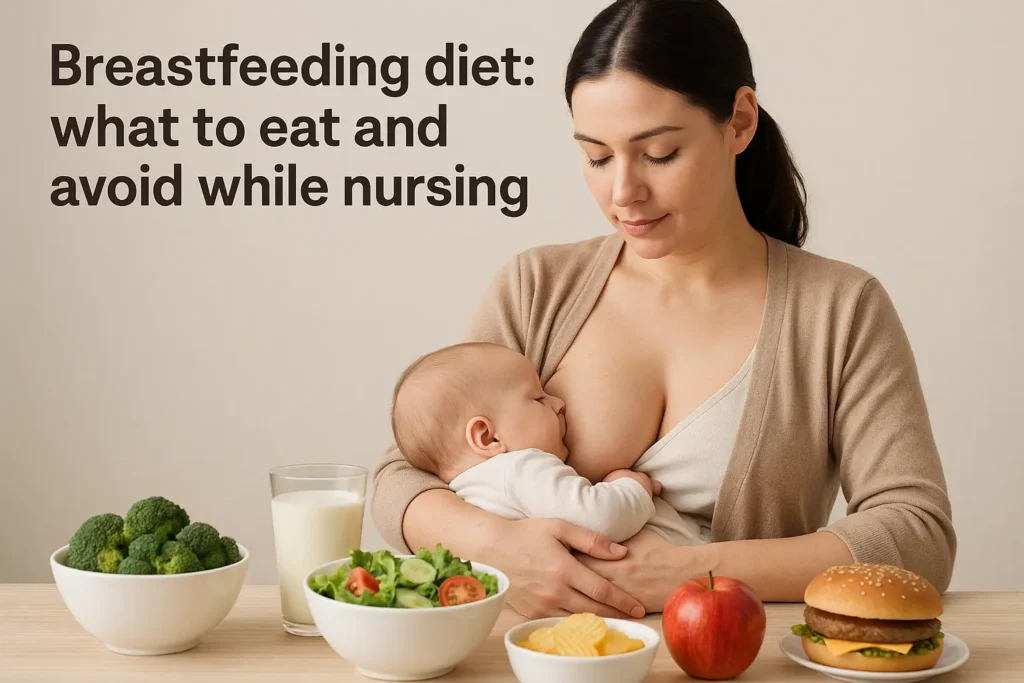
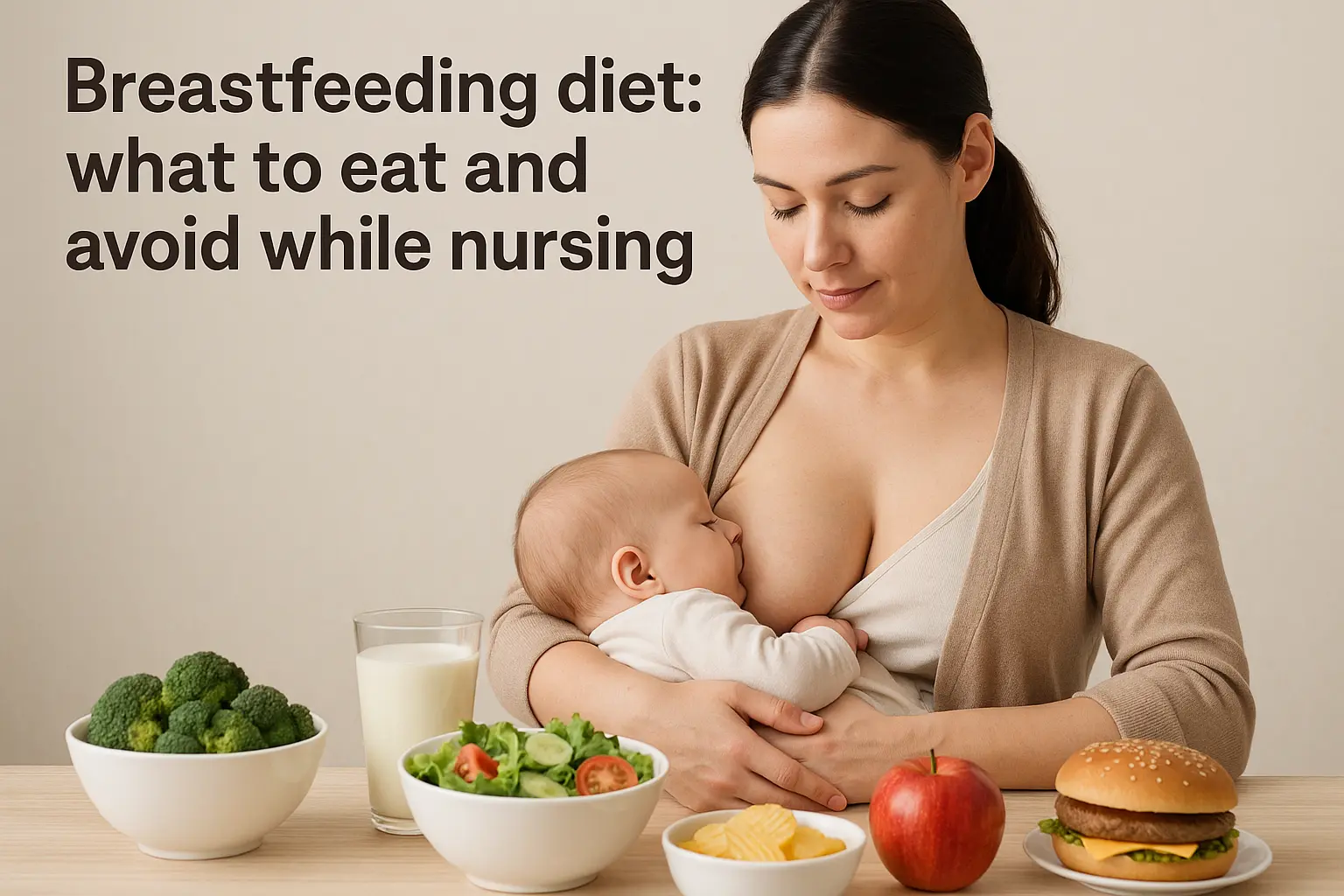
Breastfeeding is one of the most powerful gifts a mother can give her baby. It provides all the nutrients, antibodies, and emotional bonding a newborn needs for the best start in life. But while breast milk is naturally tailored to your baby, what you eat during this stage can influenceboth your health and your child’s well being.
A balanced breastfeeding diet ensures that your body recovers from childbirth, maintains energy, and produces enough high quality milk.On the other hand, certain foods and habits may affect your milk supply, digestion, or even your baby’s comfort.
In this article, we’ll explore the ultimate breastfeeding diet guide, breaking down:
-
What to eat for energy and milk production
-
What foods to avoid while nursing
-
Essential vitamins and minerals
-
Cultural myths about breastfeeding diets
-
Easy meal and snack ideas
-
FAQs answered by science
By the end, you’ll have a clear roadmap for nourishing yourself while caring for your little one
Why diet matters during breastfeeding
While your body is designed to prioritize your baby’s needs, the foods you eat still impact:
-
Milk supply: Certain nutrients and hydration levels affect production.
-
Milk composition: Vitamins, fatty acids, and flavors from your diet can transfer into breast milk.
-
Your health: If your diet lacks key nutrients, your body may deplete its own reserves, leading to fatigue, hair loss, or weakened immunity.
-
Baby’s digestion: Some foods may cause gas, fussiness, or allergies in sensitivebabies.
In short, your breastfeeding diet is not about perfection it’s about balance and making smart, nourishing choices most of the time.
What to eat while breastfeeding
Here’s a breakdown of the key food groups you should prioritize:
1. Protein-rich foods
Protein helps repair tissues, balance hormones, and keep energy levels stable.
-
Best sources: Lean meats (chicken, turkey, beef), fish (low-mercury options like salmon, sardines, trout), eggs, dairy, legumes, nuts, and seeds.
-
Benefits: Supports milk production and baby’s growth.
-
Tip: Aim for 2–3 servings of protein daily.
2. Whole grains and complex carbs
Breastfeeding can burn an extra 400 .500 calories per day, so you’ll need sustained energy.
-
Best sources: Oats, brown rice, quinoa, whole wheat bread, barley, sweet potatoes.
-
Benefits: Provide fiber, energy, and steady blood sugar levels.
-
Tip: Start your morning with oatmeal it may even support milk supply.
3. Healthy fats
Good fats are essential for your baby’s brain and nervous system development.
-
Best sources: Avocados, olive oil, coconut oil, flaxseeds, chia seeds, walnuts, fatty fish.
-
Benefits: Rich in omega-3 fatty acids (especially DHA that support infant brain growth.
-
Tip: Include fatty fish at least 2 times per week (avoid highmercury fish like swordfish or king mackerel.
4. Fruits and vegetables
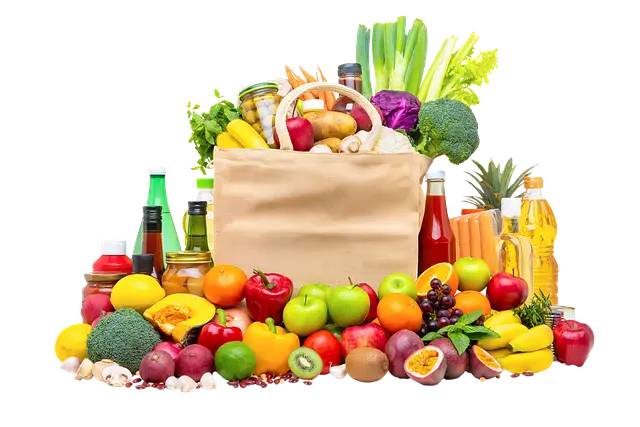
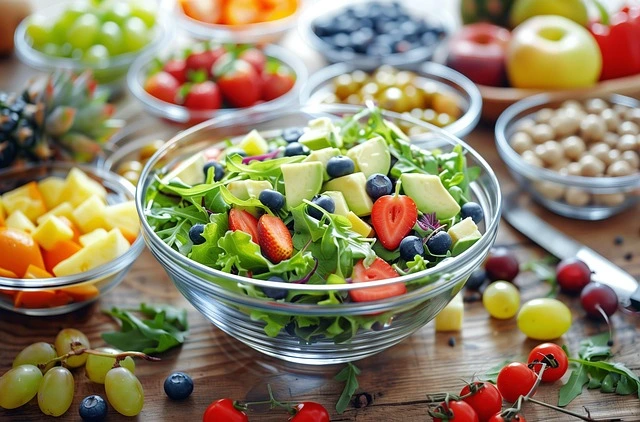
Packed with vitamins, minerals, antioxidants, and fiber.
-
Best fruits: Berries, oranges, bananas, apples, pears, melons.
-
Best vegetables: Leafy greens (spinach, kale), broccoli,carots, sweet peppers, zucchini.
-
Tip: Eat a rainbow different colors provide different nutrients.
5. Dairy or fortified alternatives
Calcium is crucial during breastfeeding for maintaining strong bones and supporting milk quality.
-
Best sources: Milk, yogurt, cheese, fortified plant-based alternatives soy, almond, oat milk).
-
Tip: Choose lowsugar options.
6. Hydration
Breastfeeding increases your fluid needs.
-
Drink: Water, herbal teas (like chamomile, fennel coconut water.
-
Limit: Sugary sodas, too much caffeine.
-
Tip: Keep a water bottle handy while nursing.
7. Supplements (if needed

Some women may benefit from:
-
Vitamin D: Often needed since breast milk is low in vitamin D.
-
Omega-3 (DHA): Supports baby’s brain development.
-
Iron: Especially if you had blood loss during delivery.
-
Calcium & magnesium: To maintainbone health.
Always consult your doctor before starting supplements.
What foods to avoid while breastfeeding
While most foods are safe, some can cause discomfort for either mom or baby.
1. High-mercury fish
-
Avoid: Shark, swordfish, king mackerel, tilefish.
-
Why: Mercury can pass into breast milk and affect baby’s development.
2. Too much caffeine
-
Limit to: 200–300 mg per day (about 2 cups of cofe).
-
Why: Excess caffeine may make your baby irritable or disrupt sleep.
3. Alcohol

-
Rule: Occasional, moderate consumption may be safe if you wait 2–3 hours before breastfeeding.
-
Why: Alcohol passes into breast milk and affects baby’s sleep and development.
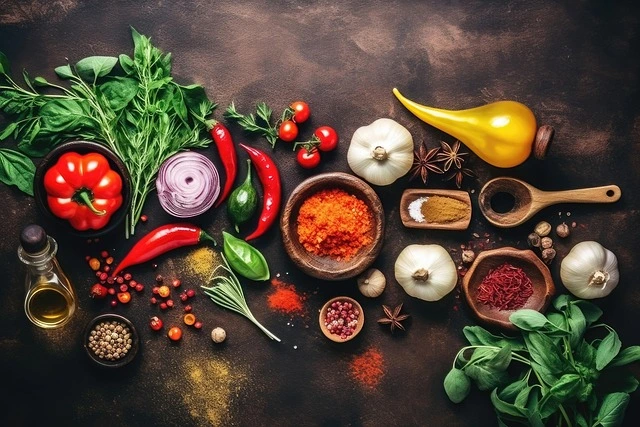
4. Gas-causing or spicy foods
-
Examples: Cabbage, onions, beans, chili.
-
Why: Can cause fussiness or gas in some babies.
-
Note: Not all babies react—observe and adjust.
5. Highly processed foods
-
Examples: Fast food, chips, packaged snacks, sugary desserts.
-
Why: Low in nutrients, high in empty calories, may affect your energy and milk quality.
Cultural myths about breastfeeding diets
Different cultures have unique food beliefs for nursing mothers:
-
India: Emphasis on warm foods and avoiding “cooling” foods like cucumbers.
-
Mexico: Atoles (warm corn-based drinks are believed to boost milksupply.
-
China: Traditional “confinement diets” include soups, herbs, and avoiding raw foods
While cultural practices can be comforting, balance them with evidence-based nutrition.
Meal planning for breastfeeding moms

Here’s a sample daily meal plan for energy and milk support:
-
Breakfast: Oatmeal with chia seeds, berries, and almond butter.
-
Snack: Yogurt with banana and walnuts.
-
Lunch: Grilled salmon, quinoa, and steamed broccoli.
-
Snack: Hummus with carrots and whole wheat pita.
-
Dinner: Chicken stir-fry with brown rice and mixed veggies.
-
Evening snack: Herbal tea and a slice of whole-grain toast with avocado.
Healthy breastfeeding snacks
Quick snacks make a big difference for energy and milk suppl
-
Trail mix with nuts and dried fruit
-
Smoothies with spinach, banana, and almond milk
-
Energy balls made with oats, peanut butter, and honey
-
Hard-boiled eggs
-
Whole-grain crackers with cheese
For more ideas, check out our article: How to increase breast milk supply naturally
FAQs about breastfeeding diet

Q1: Can I lose weight while breastfeeding?
Yes, gradual weight loss is safe, but avoid extreme dieting—it may affect your milk supply.
Q2: Do I need to avoid all spicy foods?
Not necessarily. Try small amounts and see how your baby reacts.
Q3: Can I drink herbal teas?
Some teaslike chamomile, fennel are safe, but avoid those with strong medicinal herbs unless approved by a doctor.
Q4: Do I need more calories while breastfeeding?
Yes, about 400–500 extra calories per day are recommended.
Conclusion
A healthy breastfeeding diet isn’t about strict rules—it’s about fueling your body and giving your baby the best start. Prioritize whole foods, lean proteins, healthy fats, and hydration while limiting alcohol, caffeine, and highly processed foods.
Remember, every baby is unique. What bothers one infant may not affect another, so observe your child’s reactions and adjust accordingly. For more practical nutrition strategies, explore our guide: Breastfeeding Snacks: Healthy And Easy Options For Nursing Moms.
By making mindful food choices, you’ll not only support your baby’s growth but also maintain your own strength and vitality throughout the nursing journey.

Kenya K. Foti shares strategic insights and practical advice for governors—before, during, and after their mandates—to help strengthen leadership and governance impact.