
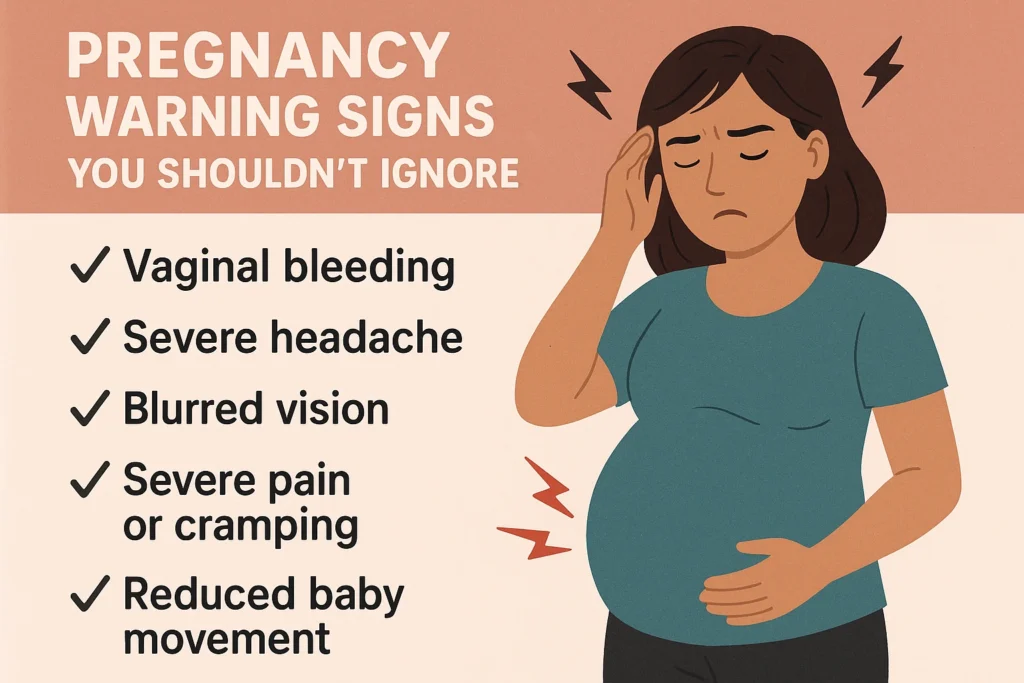
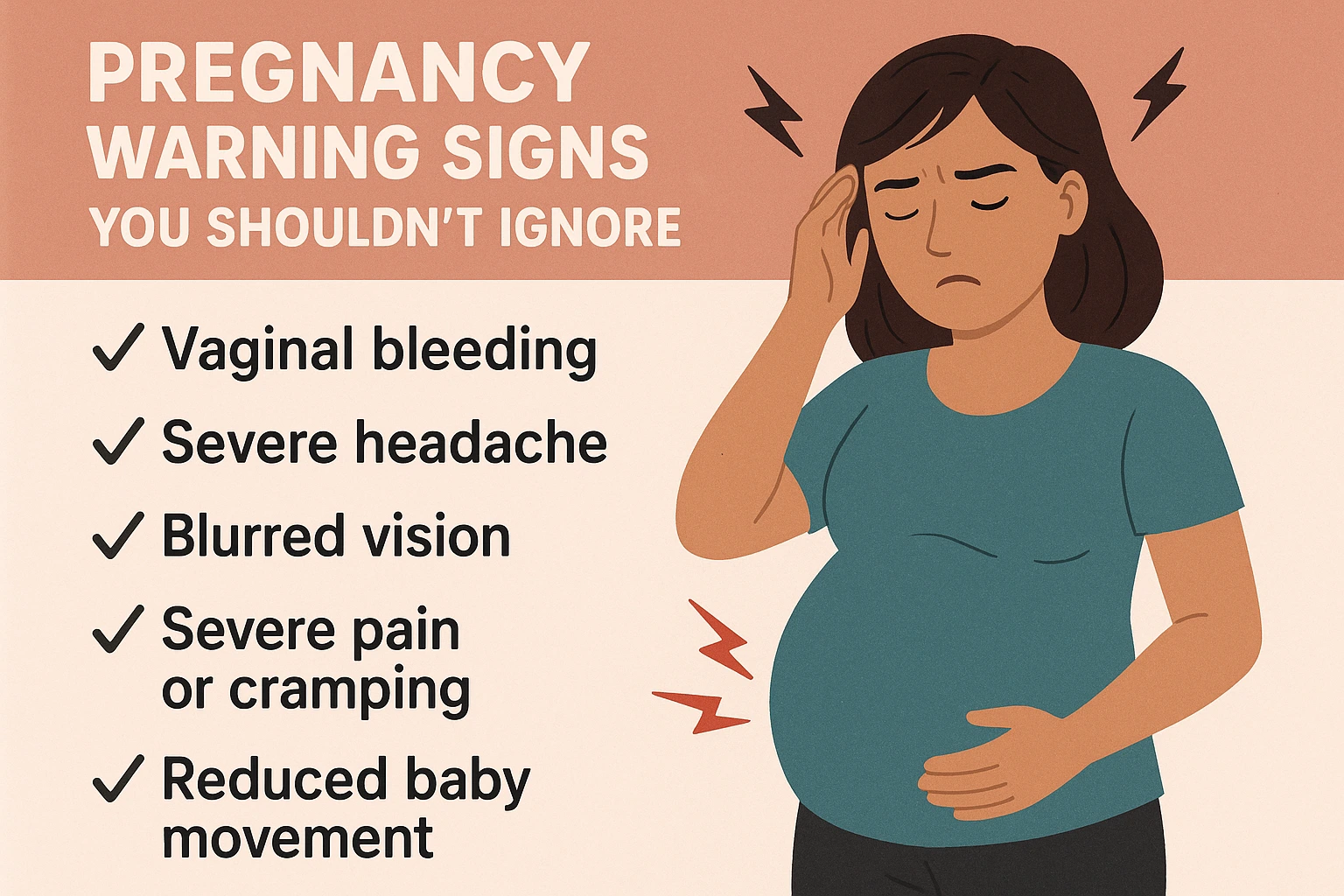
pregnancy is often described as a magical journey, filled with excitement, hope, and anticipation. for many women, it’s one of the most transformative times in their lives. but while most pregnancies progress smoothly, it’s also a period where your body goes through intense changes. some of these changes are normal, while others may signal that something is wrong. knowing the difference is not about worrying constantly, but about being prepared, aware, and confident enough to seek help when something doesn’t feel right.
understanding warning signs during pregnancy is an essential part of taking care of yourself and your baby. no mother should feel guilty for asking questions or calling her doctor, even if it turns out to be nothing serious. being informed means being empowered, and when it comes to pregnancy, awareness can truly make a difference.
first trimester warning signs (weeks 1–12
the first trimester is a time of rapid development. even before you start showing, your body is working overtime to create the environment your baby needs. it’s also the period when many women feel the strongest symptoms, from fatigue to nausea. while most of these are normal, there are a few warning signs you should never ignore.
heavy bleeding or severe cramps
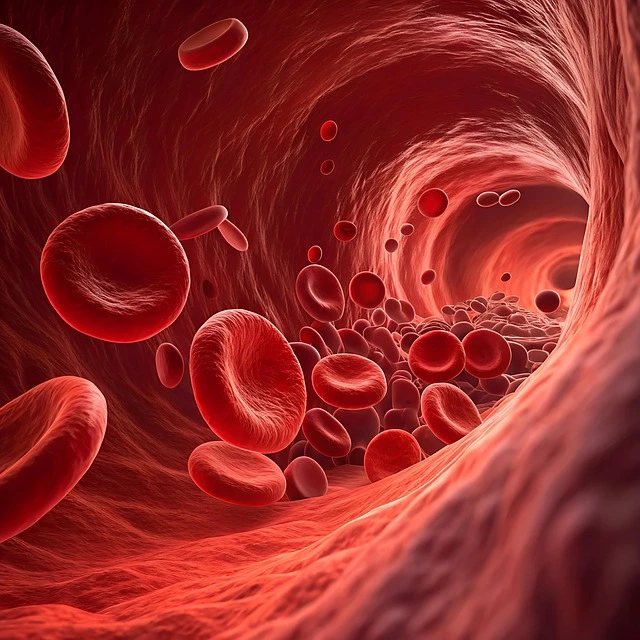
a small amount of spotting is fairly common in early pregnancy, especially around the time of implantation. however, heavy bleeding, especially if accompanied by severe abdominal cramps, can signal a miscarriage or an ectopic pregnancy. an ectopic pregnancy happens when the fertilized egg implants outside the uterus, usually in a fallopian tube. it is a serious condition that requires immediate medical attention. if you notice bright red bleeding, clots, or cramps that feel worse than period pain, call your doctor rightaway
real story example: one mom described having light spotting in her 7th week. at first, she thought it was normal, but the cramps worsened. her doctor confirmed it was an ectopic pregnancy, and she was treated immediately. her quick action saved her from life-threatening complications.
extreme nausea and vomiting
morning sickness is one of the most famous pregnancy symptoms, but when it becomes extreme, it can lead to dehydration and weight loss. this condition is called hyperemesis gravidarum. signs include being unable to keep food or liquids down, urinating less often, or feeling dizzy and weak. untreated, it can affect both you and your baby, so it’s important to get medical helpif you can’t manage your nausea with simple home remedies.
dizziness or fainting
occasional lightheadedness can be normal due to hormonal changes, but frequent dizziness or fainting may signal something more serious. it could mean low blood pressure, anemia, or even an ectopic pregnancy. if you find yourself fainting or nearly fainting, especially with abdominal pain, seek immediate care.
severe abdominal or shoulder pain
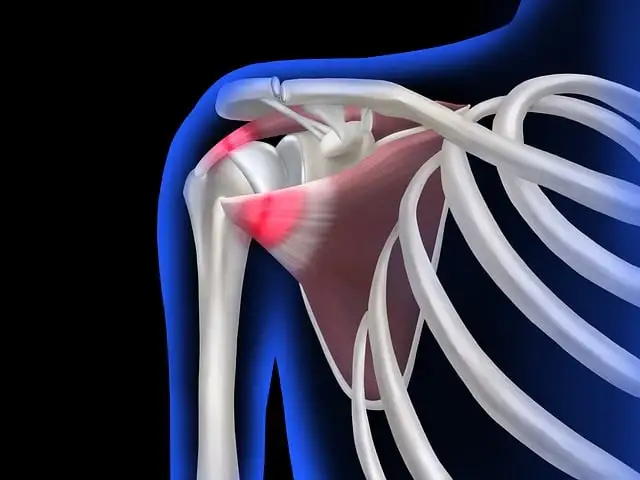
persistent pain in the lower abdomen or shoulder, combined with bleeding or dizziness, can be a sign of ectopic pregnancy. the pain may feel sharp, sudden, and worse on one side. shoulder pain in particular can indicate internal bleeding irritating the diaphragm — a very serious warning sign.
fever or infection symptoms
a high fever during early pregnancy can be dangerous. if you develop a fever over 38 °c (100.4 °f) that doesn’t improve with acetaminophen, or if you have flu-like symptoms, painful urination, or unusual discharge, call your doctor. infections at this stage can increase the risk of complications.
second trimester warning signs (weeks 13–27)
the second trimester is often called the “honeymoon phase” of pregnancy. morning sickness usually fades, energy levels rise, and many women feel more comfortable and confident. but it’s also a period where new issues can appear. being aware of them helps you take action quickly if needed.
sudden swelling in hands, feet, or face
some swelling is normal in pregnancy, especially around the ankles. however, sudden or severe swelling, especially in the face and hands, may be a sign of preeclampsia. this condition involves high blood pressure and can be dangerous if untreated.
severe headaches or vision changes
occasional headaches can be caused by hormones, stress, or dehydration. but severe, persistent headaches that don’t improve with rest, or vision changes like blurriness, flashing lights, or seeing spots, are not normal.
tip: if you ever experience a headache so intense it feels “different from usual,” especially combined with nausea or swelling, do not delay in calling your provider.
abdominal pain or cramping
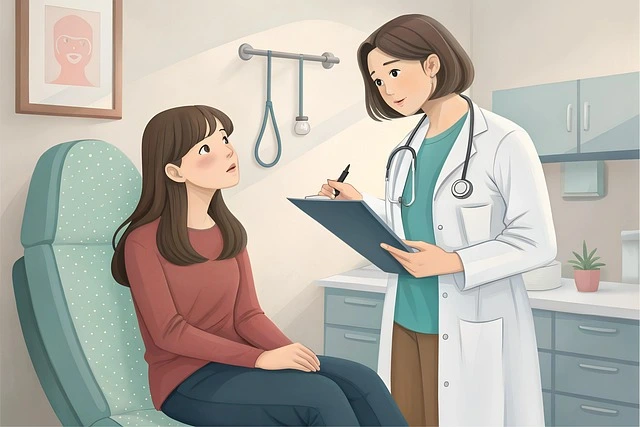
as your uterus grows, mild aches and stretching sensations are expected. but intense or sharp abdominal pain that doesn’t ease with rest could signal a problem. pain accompanied by bleeding or fluid leakage may point to preterm labor or placental issues.
fluid leakage
if you notice a sudden gush or continuous trickle of fluid, it could mean your water has broken early. this condition, known as preterm premature rupture of membranes (pprom), requires immediate medical care because it increases the risk of infection and early labor.
decreased fetal movement
by the second trimester, many women begin to feel the baby’s movements. if you notice a significant decrease or stop in movement after you’ve already felt your baby regularly, it’s important to check with your doctor.
Third trimester warning signs (weeks 28–40)
the third trimester brings you closer to meeting your baby, but it can also bring more physical strain. it’s the time when complications like preterm labor, gestational diabetes, or preeclampsia may appear.
decreased or no fetal movement
your baby’s movements are one of the best indicators of well-being. most healthcare providers recommend doing “kick counts” to track activity. if your baby suddenly moves much less, or you feel no movement at all for several hours, call your doctor immediately.
contractions or back pain before week 37

occasional practice contractions (braxton hicks) are normal. but if contractions become regular, painful, and occur before week 37, it may be preterm labor. strong back pain combined with abdominal tightening can also be a warning.
shortness of breath or chest pain
as the baby grows, it’s common to feel out of breath, but severe shortness of breath or chest pain is a red flag. it could signal a blood clot or heart issue.
vaginal bleeding or fluid leakage
any heavy bleeding, clotting, or a sudden gush of fluid in late pregnancy can indicate complications.
persistent severe swelling and headaches
preeclampsia often appears in the third trimester. signs include swelling, high blood pressure, headaches, vision issues, and sometimes pain in the upper right abdomen.
general warning signs at any stage

-
high fever
-
painful urination or blood in urine
-
persistent itching, especially on hands or feet
-
sudden or unexplained weight gain or loss
-
unusual vaginal discharge with odor or itching
-
severe or unrelenting abdominal pain
what to do if you notice warning signs
not every symptom automatically means something is wrong, but your instincts matter.
-
call your doctor or midwife immediately if you experience any of the red flags above.
-
keep a symptom journal if signs are recurring.
-
don’t minimize your concerns.
-
in emergencies, go to the hospital or call emergency services.
frequently asked questions

are cramps normal during pregnancy?
yes, mild cramps are common as your uterus grows. but severe, persistent cramps with bleeding should be checked.
how many movements should i feel daily?
most doctors recommend counting 10 movements in two hours once you’re in the third trimester.
is spotting always a bad sign?
not always light spotting can happen after sex or exams. but heavy bleeding, especially with pain, is concerning.
can stress cause complications?
mild stress is normal, but chronic high stress may affect your health. practicing relaxation techniques is helpful.
should i worry if i gain weight suddenly?
a steady weight gain is expected, but sudden jumps (especially with swelling should be evaluated.
conclusion
pregnancy is a time of great change, and while many symptoms are simply part of the journey, some are signals that require medical attention. learning to recognize warning signs doesn’t mean living in fear it means being empowered to protect yourself and your baby. trust your instincts, stay connected with your healthcare team, and remember: when in doubt, it’s always better to check. awareness is one of the best gifts you can give both yourself and your growing child.

Kenya K. Foti shares strategic insights and practical advice for governors—before, during, and after their mandates—to help strengthen leadership and governance impact.