
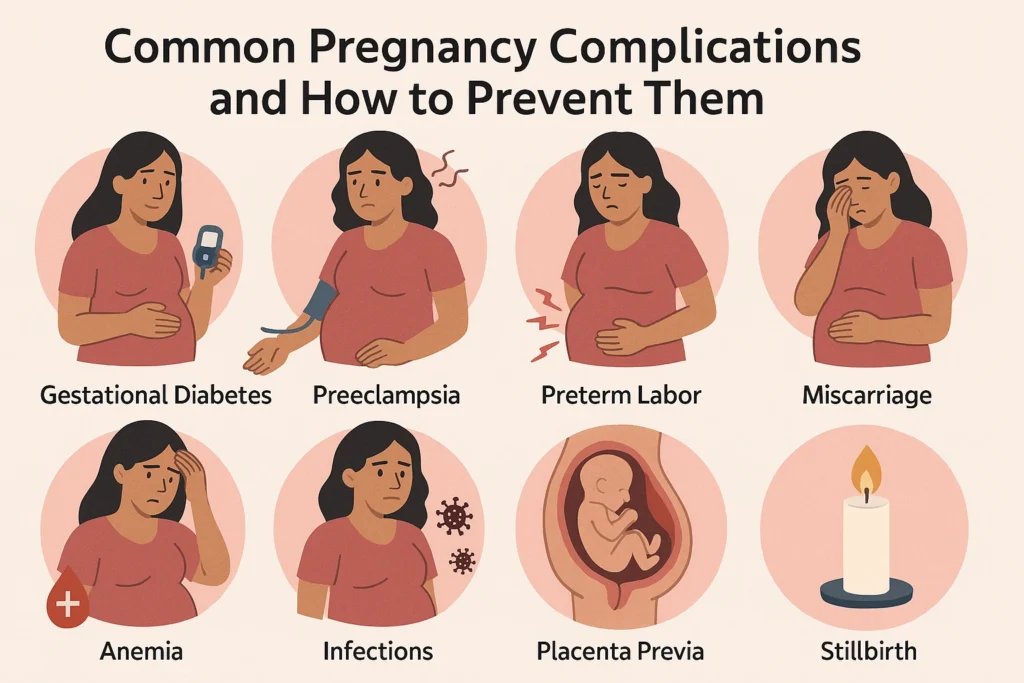
pregnancy is one of life’s most beautiful experiences, but it also brings significant changes to a woman’s body. while many pregnancies progress without serious issues, complications can sometimes arise even in otherwise healthy women. knowing what to expect, recognizing the warning signs early, and understanding how to reduce risks can make all the difference for both you and your baby.
this comprehensive guide explores the most common pregnancy complications, their causes, symptoms, and practical prevention tips. it’s designed to help you take an informed, proactive approach to your pregnancy health.
understanding pregnancy complications
a pregnancy complication is any health condition that affects the well-being of the mother, the baby, or both. some are mild and manageable, while others may require immediate medical attention.
complications can appear at any stage early pregnancy, mid-term, or late in the third trimeste and they may affect labor, delivery, or postpartum recovery.
common causes of pregnancy complications
-
hormonal and physiological changes
-
preexisting medical conditions (like diabetes or hypertension
-
infections or nutritional deficiencies
-
genetic or chromosomal abnormalities
-
lifestyle factors (smoking, alcohol, stress, or poor nutrition)
-
multiple pregnancies (twins or more)
-
maternal age (younger than 18 or older than 35)
while not all complications can be prevented, early prenatal care, healthy habits, and awareness can significantly lower your risk.
1. gestational diabetes
gestational diabetes develops when your body cannot produce enough insulin to regulate blood sugar during pregnancy. it usually appears around the 24th to 28th week.
symptoms
-
excessive thirst and frequent urination
-
unexplained fatigue
-
nausea or blurred vision
-
unusually large baby growth (macrosomia
risks
if untreated, it can cause high birth weight, preterm birth, and increase the mother’s risk of developing type 2 diabetes later.
prevention
-
eat balanced meals with lean proteins, whole grains, and fiber
-
limit processed sugars and refined carbs
-
stay active with light exercises such as walking or prenatal yoga
-
attend regular prenatal checkups and glucose screening tests
to better understand how your body changes during pregnancy and when to watch for warning signs, check out what to expect in each trimester of pregnancy it provides trimester-by-trimester insights to help you stay informed and confident.
2. preeclampsia
preeclampsia is a potentially serious condition marked by high blood pressure and organ damage (usually the kidneys or liver after the 20th week of pregnancy.
symptoms
-
sudden swelling of hands, face, or eyes
-
severe headache or visual disturbances
-
upper abdominal pain (under the ribs)
-
nausea, vomiting, or shortness of breath
risks
if not treated, preeclampsia can lead to eclampsia a life-threatening condition that causes seizures, organ failure, or premature birth.
prevention

-
attend every prenatal appointment for blood pressure checks
-
maintain a healthy weight before and during pregnancy
-
eat foods rich in antioxidants (spinach, berries, citrus fruits)
-
reduce salt intake and manage stress
-
follow your doctor’s advice on prescribed vitamins or low-dose aspirin (if recommended
3. anemia
anemia occurs when your blood lacks enough healthy red blood cells to carry oxygen to your tissues and your baby. iron-deficiency anemia is most common during pregnancy.
symptoms
-
fatigue and weakness
-
pale skin or lips
-
shortness of breath
-
dizziness or rapid heartbeat
risks
untreated anemia can lead to preterm birth, low birth weight, or postpartum depression.
prevention
-
eat iron-rich foods like red meat, spinach, lentils, and fortified cereals
-
take prenatal vitamins containing iron and folic acid
-
pair iron-rich foods with vitamin c (like oranges or tomatoes) to boost absorption
-
avoid drinking coffee or tea right after meals they block iron absorption
4. urinary tract infections (uti)
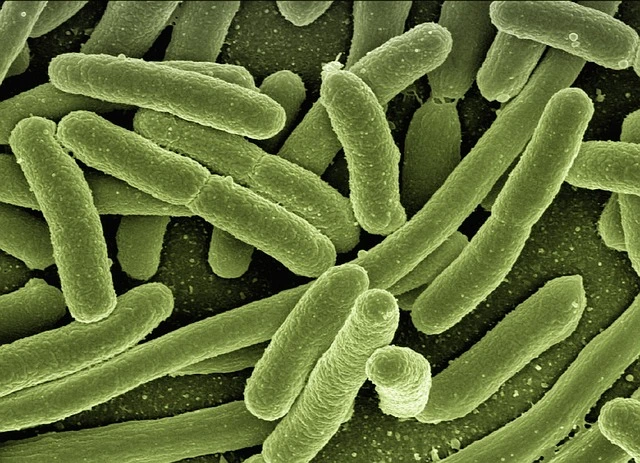
pregnancy increases the risk of urinary tract infections due to hormonal and anatomical changes. if untreated, a uti can progress to a kidney infection and increase the risk of preterm labor.
symptoms
-
burning sensation while urinating
-
cloudy or bloody urine
-
pelvic discomfort or back pain
-
frequent urge to urinate
prevention
-
drink plenty of water
-
empty your bladder frequently and after intercourse
-
wear breathable cotton underwear
-
avoid harsh soaps or douches in the genital area
if symptoms persist, consult your healthcare provider promptly antibiotics may be required.
5. preterm labor

preterm labor happens when contractions start before 37 weeks of pregnancy, potentially leading to premature birth.
symptoms
-
regular contractions before week 37
-
lower back pain or pelvic pressure
-
vaginal discharge or spotting
-
abdominal cramps that don’t subside
risks
babies born prematurely may face breathing problems, underdeveloped organs, and long-term developmental challenges.
prevention
-
avoid smoking, alcohol, and drug use
-
manage chronic conditions like hypertension or diabetes
-
stay hydrated and maintain a healthy diet
-
avoid excessive physical strain or stress
-
attend regular prenatal visits to monitor cervical health
6. placenta previa
placenta previa occurs when the placenta covers part or al of the cervix, blocking the baby’s exit during delivery. it often causes bleeding in the second or third trimester.
symptoms
-
painless vaginal bleeding (usually bright red)
-
mild cramps or contractions
risks
this condition may lead to heavy bleeding during labor, requiring a cesarean section
prevention
-
avoid smoking and drug use
-
attend all ultrasounds for early detection
-
rest and avoid strenuous activities if diagnosed
7. placental abruption
in placental abruption, the placenta detaches partially or completely from the uterus before delivery, depriving the baby of oxygen and nutrients.
symptoms
-
severe abdominal pain
-
heavy vaginal bleeding
-
back pain or uterine tenderness
risks
it can cause preterm birth or fetal distress.
prevention
-
manage high blood pressure
-
avoid smoking or drug use
-
wear a seatbelt properly while driving to prevent trauma
-
attend routine checkups for early detection
8. hyperemesis gravidarum
this is an extreme form of morning sickness that leads to severe nausea,vomiting, and dehydration. it can cause weight loss and nutrient deficiencies.
symptoms
-
vomiting several times a day
-
dehydration and fatigue
-
dizziness and low blood pressure
prevention
-
eat small, frequent meals
-
avoid strong odors and greasy foods
-
sip water or electrolyte drinks throughout the day
-
ask your doctor about vitamin b6 supplements or medication if symptoms persist
9. intrauterine growth restriction (iugr)
iugr means the baby is not growing as expected in the womb. it can result from placental issues, infections, or maternal health conditions.
symptoms
usually detected through ultrasound measurements showing a smaller-than-expected baby size.
risks
iugr can lead to low birth weight, breathing issues, or developmental delays.
prevention
-
eat nutrient-rich foods and avoid smoking or alcohol
-
manage chronic health conditions
-
ensure regular fetal monitoring and ultrasounds
10. mental health complications
pregnancy affects emotional well-being, and mental health challenges like prenatal depression or anxiety are comon
symptoms
-
persistent sadness or hopelessness
-
extreme worry about the baby’s health
-
difficulty sleeping or concentrating
-
loss of interest in usual activities
risks
if untreated, depression can affect maternal healthand bonding with the baby after birth.
prevention
-
talk openly with your healthcare provider
-
practice mindfulness, rest, and seek social support
-
join prenatal support groups or therapy sessions
-
focus on self-care, proper sleep, and nutrition
11. miscarriage

a miscarriage is the spontaneous loss of pregnancy before 20 weeks. it can result from chromosomal abnormalities, hormonal issues, or health conditions.
symptoms
-
vaginal bleeding or clotting
-
abdominal cramps
-
lower back pain
prevention
not all miscarriages can be prevented, but you can lower risks by:
-
avoiding smoking, alcohol, and drugs
-
taking prenatal vitamins
-
managing chronic health conditions
-
avoiding exposure to harmful chemicals or radiation
lifestyle tips to prevent pregnancy complications

maintaining a healthy lifestyle throughout pregnancy plays a crucial role in reducing risks.
1. attend all prenatal appointments
these visits allow your doctor to detect and manage issues early from blood pressure changes to fetal development.
2. eat a balanced diet
include whole grains, fruits, vegetables, lean proteins, and healthy fats. don’t skip prenatal vitamins, especially folic acid and iron
3. exercise regularly
safe activities like walking, swimming, and prenatal yoga can help control weight and improve circulation.
4. stay hydrated
dehydration increases the risk of preterm labor and urinary infections. aim for 8–10 glasses of water daily.
5. get enough rest
listen to your body sleep promotes hormonal balance and fetal growth
6. avoid harmful substances
stay away from alcohol, caffeine in excess, cigarettes, and unapproved medications.
7. manage stress
practice breathing techniques, meditation, or prenatal relaxation exercises to keep your mental health stable.
when to call your doctor
seek medical help immediately if you notice:
-
heavy vaginal bleeding or severe cramps
-
sudden swelling of the face or hands
-
dizziness or fainting
-
severe headaches or vision problems
-
reduced fetal movement
-
fever above 38°c (100.4°f)
never hesitate to reach out arly medical intervention can prevent severe complications.
faqs about pregnancy complications

q1: can i prevent all pregnancy complications?
not entirely, but healthy habits and regular prenatal care reduce the risks significantly.
q2: does age increase complication risks?
yes, women under 18 or over 35 have higher risks for conditions like preeclampsia and gestational diabetes.
q3: can stress harm my baby?
chronic stress can impact sleep, immunity, and blood pressure, so it’s best to find healthy coping methods.
q4: how important is prenatal screening?
very blood tests, ultrasounds, and urine checks help detect potential complications early.
pregnancy is a remarkable journey, but it’s also a time when your body undergoes profound changes. understanding the most common pregnancy complications — and how to prevent them — gives you the power to protect both your health and your baby’s future.
with regular prenatal visits, a balanced diet, safe exercise, and emotional care, you can greatly reduce risks and enjoy a smoother pregnancy experience.

Carlene R. Priddy offers strategic advice and practical guidance for governorsbefore, during, and after their mandatesto strengthen governance and public leadership.