
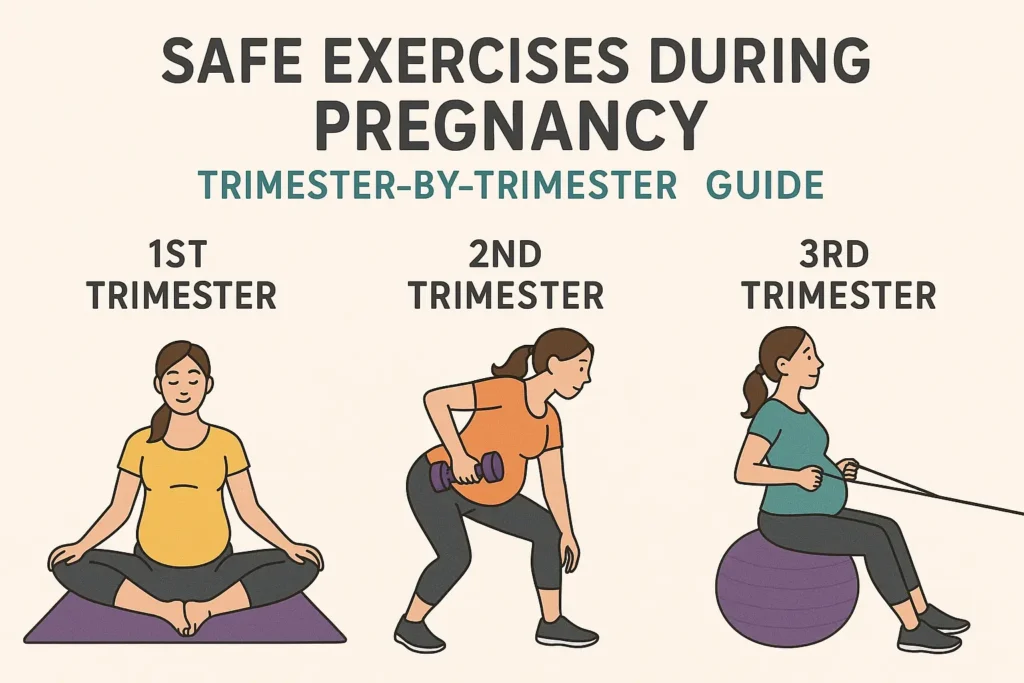
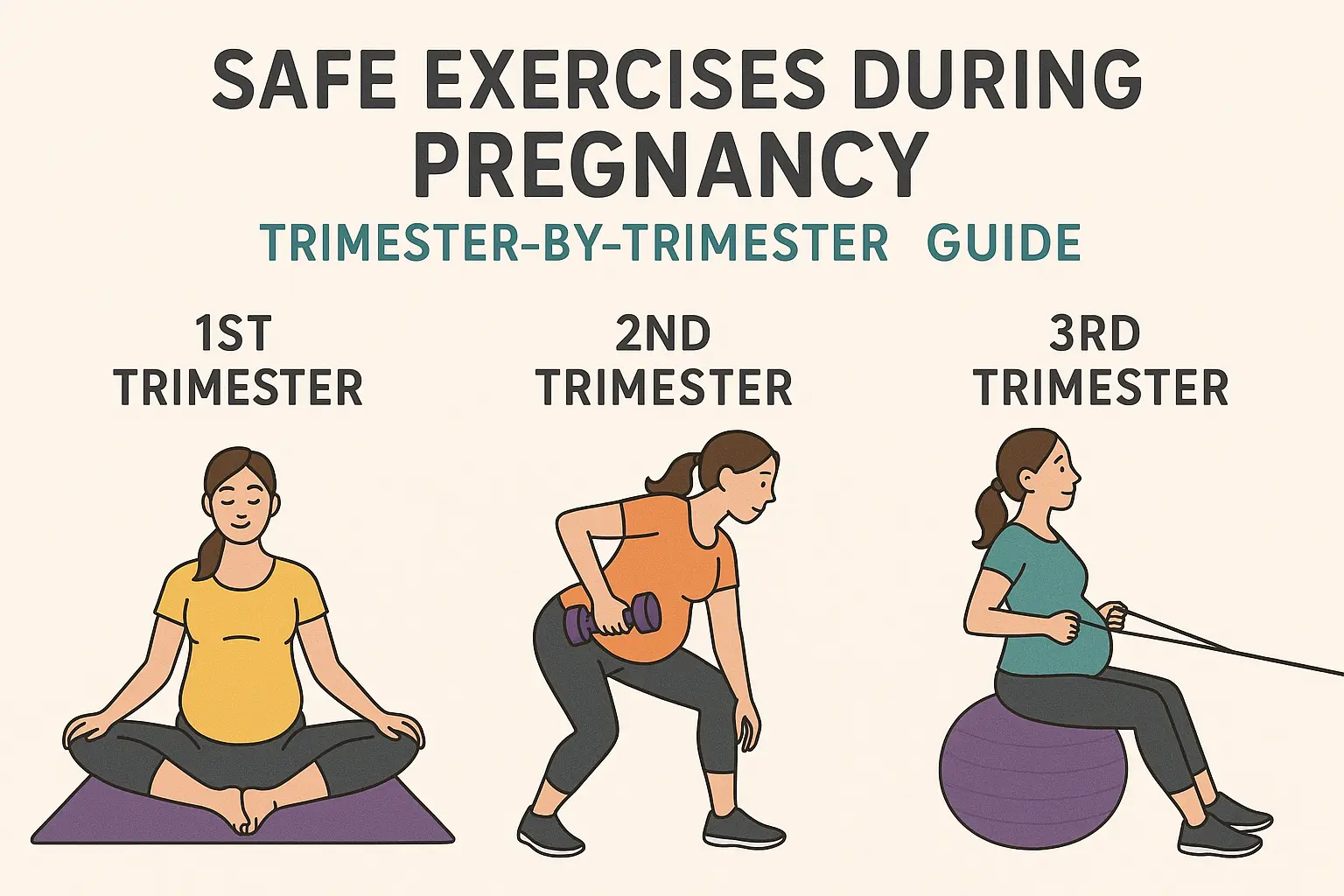
pregnancy is one of the most transformative experiences in a woman’s life. your body changes, your energy shifts, and your priorities evolve as you prepare to welcome new life. while rest is essential, staying active during pregnancy can bring countless benefits — both for you and your baby.
from reducing back pain to improving mood, boosting stamina for labor, and aiding postpartum recovery, exercise can be a powerful ally. but knowing what’s safe and when to do it is the key. this trimester-by-trimester guide will help you understand how to move safely, stay energized, and nurture both your physical and emotional well-being throughout pregnancy.
why exercise matters during pregnancy
contrary to old myths that pregnant women should “take it easy,” research now shows that regular, moderate exercise supports a healthy pregnancy. here’s how:
-
boosts circulation and prevent swelling or varicose veins
-
reduces pregnancy-related pain (especially in the back and hips
-
improves sleep and energy levels
-
strengthens muscles used during labor and delivery
-
reduces stress, anxiety, and mood swings
-
supports healthy weight gain and balanced metabolism
according to the american college of obstetricians and gynecologists (acog), most pregnant women can safely engage in at least 150 minutes of moderate exercise per week about 30 minutes a day, five days a week.
however, each body and pregnancy are different, so always consult your healthcare provider before starting or changing your fitness routine.
general safety tips for pregnancy exercise
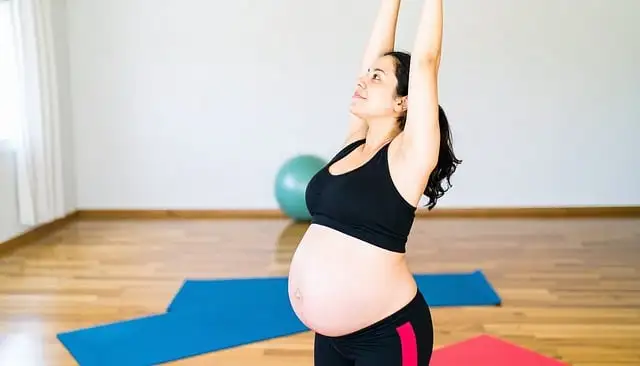
before we break down each trimester, here are some important safety guidelines to follow throughout your pregnancy:
-
listen to your body. avoid pushing beyond your limits or exercising to exhaustion. if something feels wrong, stop immediately.
-
stay hydrated. dehydration can cause overheating or contractions. drink plenty of water before, during, and after workouts.
-
avoid overheating. especially in the first trimester, avoid saunas, hot yoga, or intense cardio in hot weather.
-
wear supportive gear. good sports bras, maternity leggings, and supportive shoes help prevent strain.
-
focus on posture and core strength. gentle core engagement reduces back pain and prepares your body for delivery.
-
avoid exercises that involve lying flat on your back after the first trimesterthis can reduce blood flow to your baby.
-
skip high-risk sports. avoid contact sports, heavy weightlifting, scuba diving, or anything with a high risk of falling.
first trimester (weeks 1–13): building healthy habits
the first trimester often brings fatigue, nausea, and hormonal changes that can make exercise challenging. it’s okay to slow down the goal here is to maintain light movement, not to push your limits.
recommended exercises
-
walking: gentle, safe, and effective. helps reduce bloating and improve circulation.
-
prenatal yoga: relieves tension, supports flexibility, and eases early pregnancy anxiety.
-
light strength training: focus on bodyweight move like squats, wall pushups, and gentle lunges.
-
pelvic floor (kegel) exercises: help strengthen the muscles that support the bladder and uterus, reducing the risk of incontinence later.
-
swimming: low-impact and cooling, perfect for nausea and fatigue.
exercises to avoid
-
high intensity interval training (hiit) or heavy lifting
-
activities with jumping or sudden direction changes
-
exercises that make you overheat or short of breath
tips for the first trimester
-
focus on consistency, not intensity.
-
eat small snacks before exercise to reduce nausea.
-
don’t worry if some days you need more rest your body is adjusting.
second trimester (weeks 14–27): energy and strength
many women experience a surge of energy during the second trimester. morning sickness often fades, and your body feels stronger. this is the ideal time to focus on building endurance and preparing your muscles for later pregnancy.
recommended exercises
-
brisk walking or light jogging: great for cardiovascular health if your doctor approves.
-
swimming or aqua aerobics: relieves joint pressure and supports the growing belly.
-
prenatal pilates: strengthens core, back, and pelvic floor muscles, helping with posture and balance.
-
resistance band workouts: add light resistance to tone muscles without strain.
-
stationary cycling: safe cardio alternative that supportsbalance and endurance.
if you’re curious about how your baby and body change during this phase, check out this guide: what to expect in each trimester of pregnancy it provides a detailed breakdown of what’s happening physically and emotionally through every stage.
exercises to avoid
-
crunches or sit-ups (they can strain abdominal muscles)
-
exercises that require lying flat on yourback
-
contact or balance-based activities (like horseback riding or skiing)
tips for the second trimester
-
as your belly grows, focus on posture and core stability.
-
use pillows or props during yoga to modify positions.
-
avoid holding your breath while lifting or stretching.
-
always warm up and cool down for 5–10 minutes.
third trimester (weeks 28–40): preparing for labor
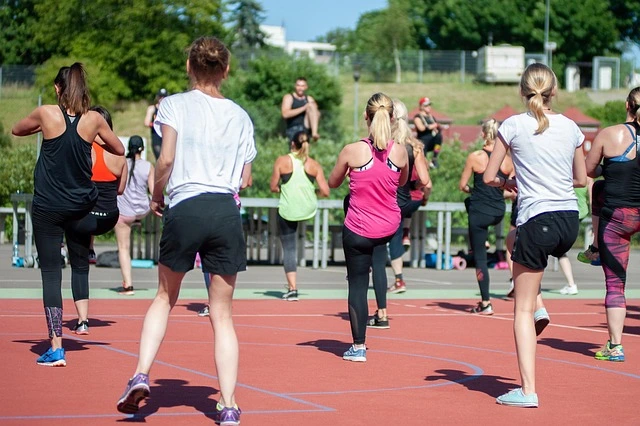
by the third trimester, your body carries more weight, your balance shifts, and your joints loosen due to hormones like relaxin. exercise is still safe and beneficial but modifications are essential.
recommended exercises
-
walking: maintain mobility and boost circulation.
-
prenatal yoga and stretching: reduce tension, improve breathing, and help you connect with your baby.
-
pelvic tilts: strengthen lower back and core muscles.
-
squats: prepare your pelvic muscles for delivery o them with support, like holding onto a chair or wall).
-
kegel exercises: keep doing them daily to support labor and postpartum recovery.
exercises to avoid
-
any move that strains your lower back or abdomen
-
high-impact or balance-based activities
-
lying flat on your back for extended periods
-
deep twisting or forward bending poses
tips for the third trimester
-
take frequent breaks and move slowly.
-
use a stability ball to ease hip pain and strengthen your core.
-
focus on breathingt will help you during labor.
-
if you feel dizzy, stop immediately and rest.
strengthening your core safely during pregnancy
a strong core is vital during pregnancy, but traditional ab workouts are not safe. instead, try gentle, pregnancy-safe moves like:
-
cat-cow stretch (on hands and knees): improves pinal flexibility and reduces back pain.
-
seated marches: sit upright and lift one leg at a time to engage the lower abs.
-
side-lying leg lifts: strengthen hips and glutes for better balance.
avoid crunches or planks that cause the belly to “cone” outward this may lead to diastasis recti (ab separation).
breathing and relaxation techniques
mindful breathing is a powerful tool during pregnancy. it helps manage stress, improves oxygen flow, and prepares you for labor. try this simple routine:
-
sit comfortably with your hands on yourbelly.
-
inhale deeply through your nose for four counts.
-
exhale slowly through your mouth for six counts.
-
repeat for several minutes, focusing on calm, rhythmic breathing.
you can practice breathing exercises during yoga, stretching, or even daily walks.
warning signs to stop exercising immediately
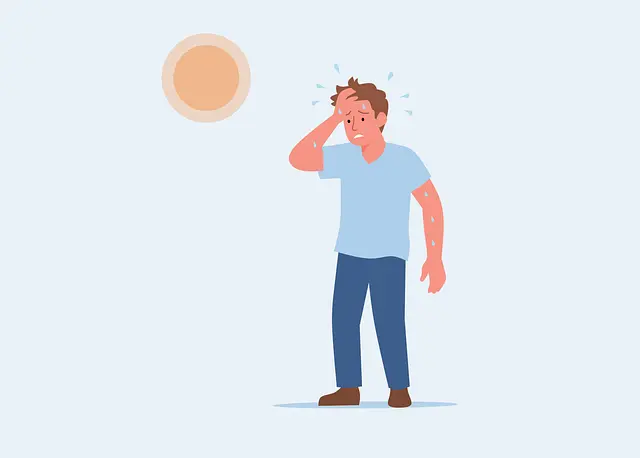
stop your workout and call your doctor if you experience:
-
vaginal bleeding or fluid leakage
-
dizziness or fainting
-
shortness of breath before exertion
-
chest pain or severe headache
-
painful contractions or abdominal cramps
-
sudden swelling of hands, feet, or face
always listen to your body. safety comes first your goal is health, not performance.
postpartum note: when to resume exercise after delivery
after childbirth, your body needs time to recover. most women can resume light movement (like walking or gentle stretching) about 4–6 weeks after a vaginal birth, or longer aftera cesarean section depending on your doctor’s advice.
focus on rebuilding pelvic floor strength and core stability before returning to higher-intensity workouts.
faqs about exercising during pregnancy

q1: can i start exercising if i wasn’t active before pregnancy?
yes, but start slowly begin with walking or prenatal yoga. your doctor can help you design a gradual routine.
q2: is it safe to lift weights during pregnancy?
light to moderate weightlifting is usually safe if done correctly. avoid heavy weights or holding your breath while lifting.
q3: how do i know if i’m overexerting myself?
you should be able to talk comfortably while exercising. if youre too breathless to speak, slow down.
q4: what’s the best time of day to work out while pregnant?
whenever you feel most comfortable many women prefer morning workouts when energy is higher.
q5: can exercise reduce labor pain?
yes! staying active strengthens the muscles used during labor and improves endurance, which may make delivery smoother.
staying active during pregnancy is one of the best gifts you can give yourself and your baby. safe, gentle exercise supports your strength, mental clarity, and emotional well-being preparing your body for birth and recovery.
from early walks to calming yoga and deep breathing, every small effort contributes to a healthier, happier pregnancy.it’s the perfect companion to help you understand and embrace every stage of your pregnancy journey.

Carlene R. Priddy offers strategic advice and practical guidance for governorsbefore, during, and after their mandatesto strengthen governance and public leadership.