
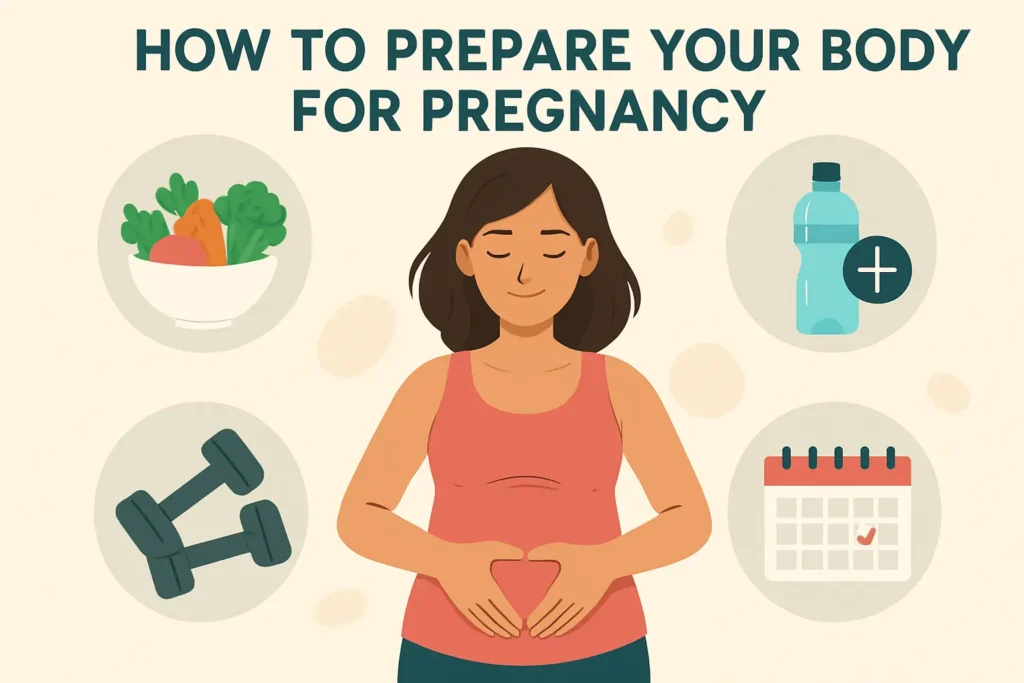
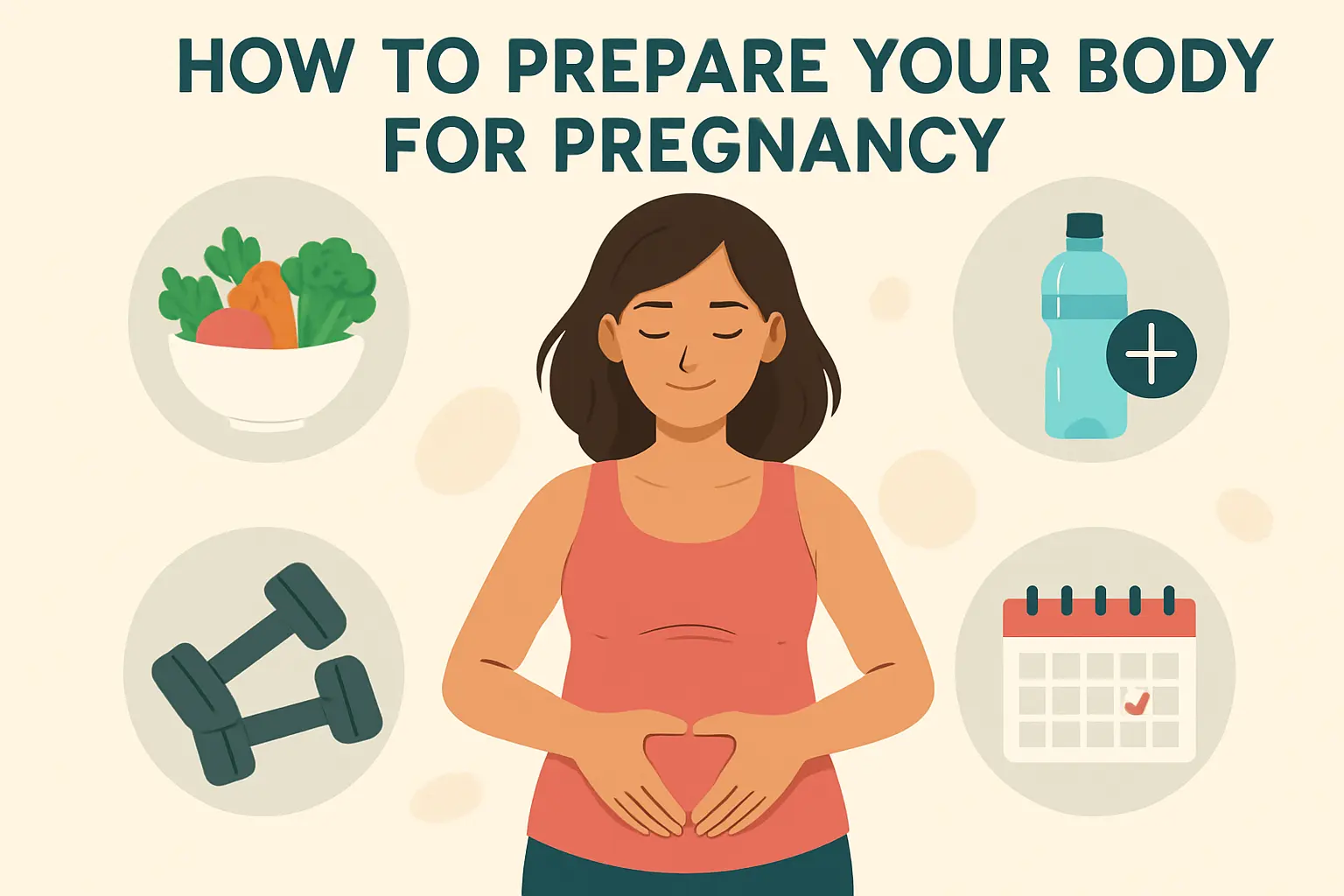
preparing for pregnancy is one of the most empowering things you can do for yourself and your future baby. your body is about to go through one of the most remarkable transformations in life, and the journey begins long before conception. whether you’re planning to get pregnant soon or just want to set the stage for a healthy future, this step-by-step fertility guide will help you create the best possible foundation.
this guide covers everything from nutrition and exercise to hormone balance and mental healt so you can step into motherhood with confidence and strength.
understanding preconception health
preconception health refers to the physical and emotional readiness of your body before you become pregnant. the months leading up to conception are crucial because your health during this time can directly influence your ability to conceive and the well-being of your baby.
your eggs begin maturing roughly three months before ovulation, so the choices you make today — your diet, supplements, sleep, and stress levels al impact egg quality and fertility potential.
taking time to optimize your pre-pregnancy health not only increases your chances of conceiving naturally but also reduces the risks of complications like gestational diabetes, preeclampsia, and premature birth.
step 1: schedule a pre-pregnancy checkup

before you start trying, it’s essential to schedule a preconception appointment with your healthcare provider. this helps you understand your body’s current health status and what adjustments you may need.
key things to discuss with your doctor:
-
your medical history (including chronic conditions like diabetes, thyroid problems, or hypertension)
-
your menstrual cycle and fertility patterns
-
any genetic disorders in the family
-
your current medications or supplements
-
your vaccination status, especially for rubella, varicella, and hepatitis b
your doctor may also recommend a blood test to check hormone levels, vitain deficiencies, and your general health markers.
step 2: start taking prenatal vitamins early

prenatal vitamins aren’t just for pregnancy they play a major role in preparing your body before conception.
the most critical nutrient is folic acid, which helps prevent neural tube defects in the baby’s brain and spine. experts recommend taking 400–800 mcg of folic acid daily at least one to three months before conception.
other key nutrients to include:
-
iron – prevents anemia and supports healthy blood formation
-
vitamin d – helps regulate hormones and supports immune function
-
omega-3 fatty acids – essential for brain development and hormonal balance
-
calcium and magnesium – strengthen bones and support muscle health
look for a high-quality prenatal supplement that contains methylated folate (methylfolat,especially if you have the mthfr gene variation, which makes it harder for your body to absorb folic acid.
step 3: optimize your nutrition for fertility

food plays a massive role in hormonal balance, egg quality, and overall reproductive health. a nutrient-rich diet can improve ovlation and increase your chances of conception.
fertility boosting foods to eat:
-
leafy greens like spinach, kale, and arugula (rich in folate and iron)
-
whole grains such as quinoa, oats, and brown rice (support steady blood sugar)
-
lean proteins like eggs, chicken, tofu, and lentils (build hormones and tissues)
-
healthy fats from avocado, olive oil, and nuts (improve egg quality)
-
berries and citrus fruits (rich in antioxidants for cell protection
foods to limit or avoid:
-
processed sugars and refined carbs (can disrupt insulin and ovulation)
-
excess caffeine (limit to 1–2 small cups per day)
-
alcohol (reduces fertility and affects hormone balance)
-
high-mercury fish like swordfish, shark, and king mackerel
a balanced fertility diet helpsregulate your menstrual cycle, reduce inflammation, and create a supportive environment for conception.
step 4: maintain a healthy weight
your weight can have a significant effect on your fertility. being underweight may interfere with ovulation, while being overweight can lead to homonal imbalances and irregular cycles.
the ideal goal is to maintain a body mass index (bmi) between 18.5 and 24.9.
simple ways to reach and maintain a healthy weight:
-
combine strength training and cardio three to five times per week
-
eat fiber-rich foods to support digestion and hormone detoxification
-
avoid crash diets focus instead on slow, sustainable changes
research shows that losing even 5–10% of body weight can significantly improve fertility in overweight women.
step 5: balance your hormones naturally

hormonal balance is the foundation of fertility. yourestrogen, progesterone, and thyroid hormones all work together to support ovulation and prepare your body for conception.
natural ways to support hormone health:
-
eat enough healthy fats (avocados, olive oil, chia seeds)
-
get 7–9 hours of sleep per night
-
manage stress (practice yoga, breathing, or journaling)
-
avoid endocrine disruptors (plastics, pesticides, synthetic fragrances
-
limit exposure to blue light before bedtime
if your cycles are irregular or you experience symptoms like acne, fatigue, or hair loss, it’s worth asking your doctor to check your thyroid function and progesterone levels.
step 6: quit smoking, alcohol, and caffeine overuse

smoking can damage your eggs, affect hormone levels, and reduce your partner’s sperm quality. alcohol consmption can disrupt ovulation and increase miscarriage risk, while too much caffeine may delay conception.
if you’re planning to get pregnant, consider this your chance to detox your lifestyle. replace coffee with herbal teas, switch to non-alcoholic beverages, and quit smoking entirely.
step 7: understand your ovulation cycle
knowing when you ovulate gives you the best chance of getting pregnant. typically, ovulation occurs about 14 days before your next period, but every woman’s cycle is different.
ways to track ovulation:
-
basal body temperature (bbt) measure daily morning temperature to spot subtle rises that signal ovulation
-
cervical mucus tracking – fertile mucus is clear, stretchy, and egg-white-like
-
ovulation predictor kits (opks) detect hormone surges before ovulation
-
fertility apps – help monitor cycle trends and fertile windows
for more details on how to understand changes in your body during each phase of pregnancy, visit our full trimester breakdown guide here:
what to expect in each trimester of pregnancy
step 8: manage stress and prioritize mental health

stress can affect ovulation, hormone regulation, and even sperm quality in your partner. your body’s natural “fight or flight” response diverts energy away from reproducive functions.
strategies to reduce stress before pregnancy:
-
mindfulness and meditation for emotional balance
-
light physical activity like walking or prenatal yoga
-
adequate sleep to regulate cortisol and reproductive hormones
-
therapy or journaling to process emotions and anxiety
mental well-being is just as crucial as physical health when preparing for conception.
step 9: create a fertility-friendly lifestyle
beyond food and exercise, your daily environment also affectsfertility. small lifestyle adjustments can make a big difference.
lifestyle tips:
-
switch to non-toxic cleaning and beauty products
-
limit screen time before bed to improve sleep quality
-
wear loose clothing to promote good circulation
-
ensure your partner’s health his diet and habits matter too
step 10: stay consistent and be patient

fertility optimization takes time. it can take healthy couples 3–6 months to conceive, so patience is key. avoid pressuring yourself or comparing your journey to others.
use this time to strengthen your body, nurture your mind, and deepen your relationship with your partner. the habits you build now will serve you throughot pregnancy and motherhood.
bonus: preconception checklist
✅ schedule a pre-pregnancy checkup
✅ start prenatal vitamins
✅ eat a balanced fertility diet
✅ maintain a healthy weight
✅ manage stress daily
✅ quit smoking, alcohol, and excess caffeine
✅ track your ovulation
✅ get 7–9 hours of sleep
✅ stay hydrated
✅ think positive your mindset matters
preparing your body for pregnancy is about more than just conception it’s about creating a strong foundation for you and your baby’s health. by focusing on nutrition, hormone balance, mental wellness, and lifestyle habits, you can give yourself the best possible start to this transformative journey.
remember, small consistent changes make a big difference. the healthier and more balanced you feel before pregnancy, the smoother your path to motherhood will be.

Carlene R. Priddy offers strategic advice and practical guidance for governorsbefore, during, and after their mandatesto strengthen governance and public leadership.