
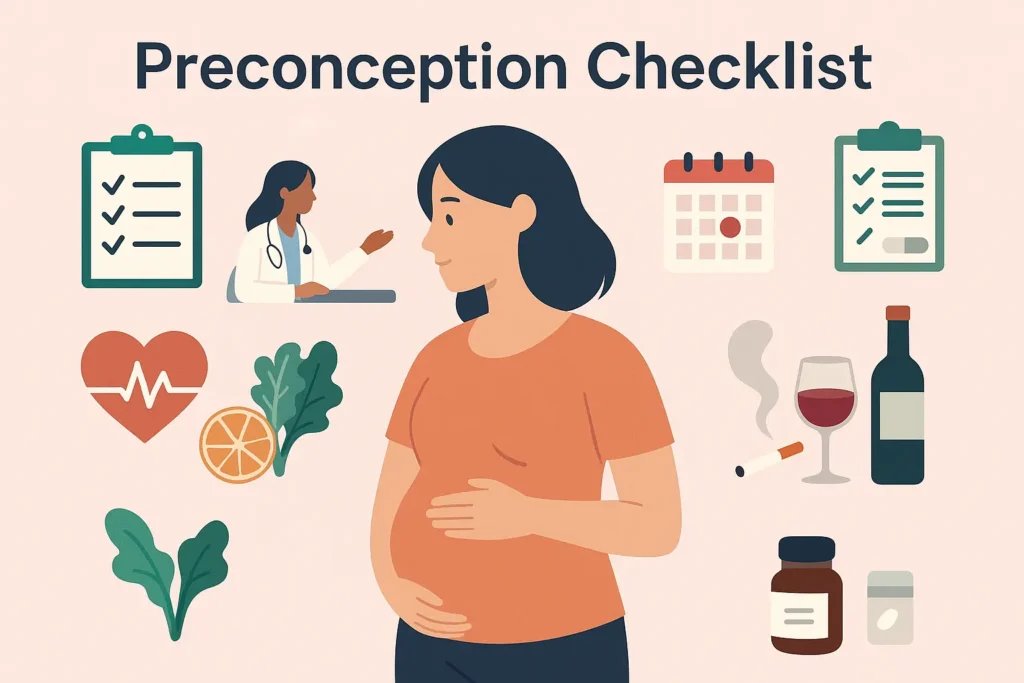
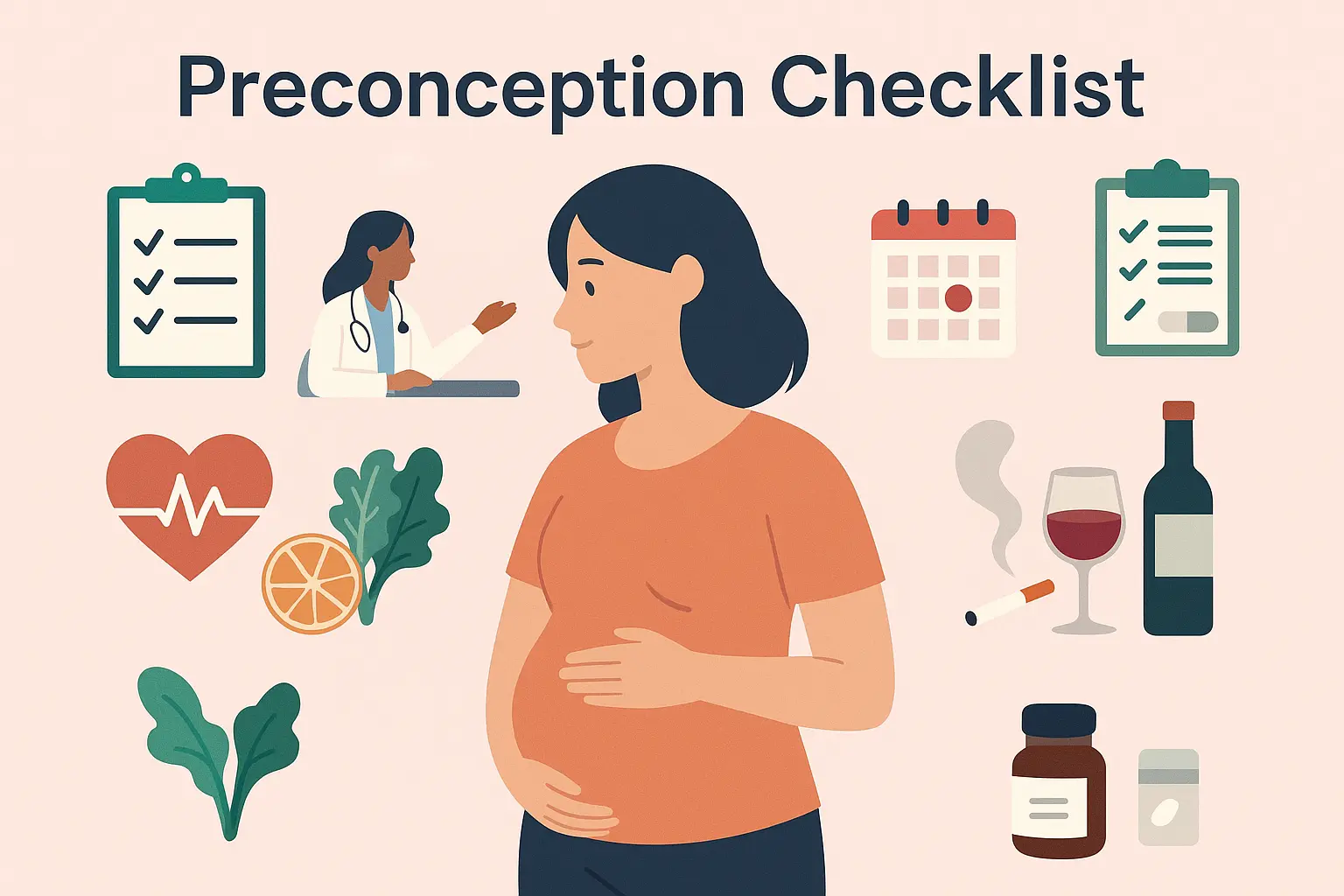
getting ready for pregnancy is one of the most exciting and transformative stages in a woman’s life. it’s the beginning of a new journey one that involves not just emotional readiness but also physical, mental, and lifestyle preparation. before conception even happens, your body and mind need to be in their best possible condition to welcome new life.
this detailed preconception checklist will walk you through everything you need to do before getting pregnant from doctor visits and supplements to nutrition, fitness, and emotional balance. think of it as your personalized roadmap to a healthy and happy pregnancy.
why preconception care matters
many people focus only on pregnancy itself, but the truth is that your health before conception has a powerful impact on your ability to conceive and your baby’s future development. your eggs mature months before ovulation, and the habits you adopt during this period can directly influence fertility and even genetic expresion.
research shows that women who invest time in preconception care experience:
-
higher chances of natural conception
-
lower risk of pregnancy complications
-
healthier pregnancies and babies
-
smoother postpartum recovery
simply put, preparing before pregnancy gives both you and your baby the best possible start.
1. book a pre pregnancy checkup

the first and most important step is to schedule a preconception appointment with your doctor or ob-gyn. this visit will help identify potential issues that could affect your fertility or pregnancy.
things to discuss during your visit:
-
medical history: talk about chronic conditions like thyroid disorders, diabetes, or hypertension.
-
menstrual cycle: discuss your period regularity and ovulation signs.
-
medications: some prescriptions may need to be changed before pregnancy.
-
vaccinations: ensure you’re protected against rubella, varicella, and hepatitis b.
-
genetic testing: if you or your partner have family histories of genetic disorders.
your doctor might also suggest lab work to check your hormone levels, vitamin d status, and blood sugar. this ensures your body is ready for conception.
2. start prenatal vitamins early

prenatal vitamins are not just for pregnant women they’re equally essential before conception. they prepare your body with the nutrients needed for healthy egg development and early fetal growth.
key vitamins and minerals to include:
-
folic acid (400–800 mcg) prevents neural tube defects in your baby.
-
iron supports oxygen transport and prevents anemia.
-
vitamin d balances hormones and boosts imunity.
-
calcium and magnesium strengthen bones and muscle function.
-
omega-3 fatty acids support brain and hormone health.
look for a prenatal supplement that uses methylated folate instead of synthetic folic acid for better absorption. start taking it at least three months before you try to conceive.
3. review your diet and nutrition
your nutrition has a direct impact on your fertility, hormones, and overall energy. a balanced diet ensures your reproductive system functions optimally and your baby receives essential nutrients from the very start.
fertilityfriendly foods:
-
leafy greens like spinach and kale for folate and iron.
-
lean proteins such as eggs, fish, and chicken for tissue repair.
-
whole grains like quinoa, oats, and brown rice to stabilize blood sugar.
-
healthy fats from avocados, olive oil, and nuts for hormone regulation.
-
colorful fruits and vegetables for antioxidants that protect egg quality.
foods to limit:
-
processed sugars and white carbs that spike insulin.
-
trans fats from fried or packaged foods.
-
high-mercury fish like swordfish and king mackerel.
-
alcohol and caffeine moderation is key.
to learn how your diet continues to play a role after conception, check out our in-depth guide:
pregnancy skin care routine: safe products and ingredients
a fertility diet isn’t just about what you eat — it’s about nourishing your body for strength, balance, and long-term wellness.
4. maintain a healthy weight
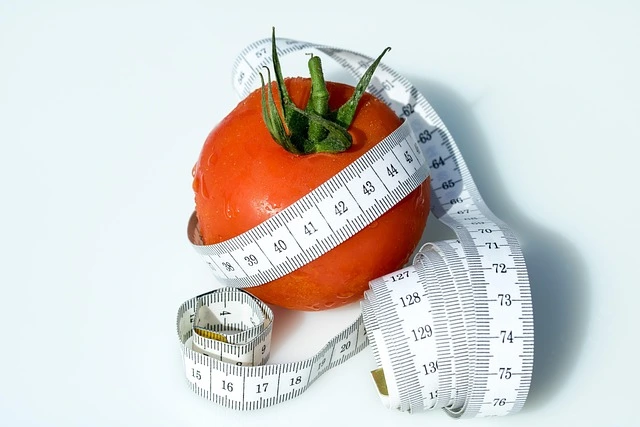
your body weight can affect your hormones, ovulation, and fertility potential. being underweight may disrupt ovulation, while being overweight can lead to hormonal imbalances and irregular cycles.
the goal isn’t perfection it’s balance. aim for a body mass index (bmi) between 18.5 and 24.9.
healthy habits to support weight balance:
-
eat protein with every meal to stabilize blood sugar.
-
move regularly mix cardio, yoga, and strength training.
-
avoid extreme diets; focus on consistency.
-
get enough sleep, as rest affects appetite and hormones.
even modest changes like losing 5–10% of body weight if overweight can significantly improve fertility outcomes.
5. get your hormones in sync
hormones like estrogen, progesterone, and thyroid hormones playvital roles in fertility and conception. if your hormones are imbalanced, it may be harder to get pregnant.
natural ways to support hormone balance:
-
eat enough healthy fats to produce hormones.
-
limit exposure to endocrine disruptors found in plastics and cosmetics.
-
manage stress with meditation, journaling, or breathing exercises.
-
avoid over-exercising intense workouts can suppress ovulation.
if your periods are irregular or you experience symptoms like acne, fatigue, or mood swings, ask your doctor for a hormone panel to identify any imbalances early.
6. stop smoking, alcohol, and limit caffeine

smoking can damage your eggs and increase the risk of miscarriage. alcohol consumption may disrupt ovulation and reduce fertility, while excessive caffeine can slightly delay conception.
simple replacements to try:
-
switch coffee for green tea or herbal teas.
-
replace alcoholic drinks with mocktails or sparkling water.
-
use nicotine-free alternatives or get support to quit smoking.
think of this stage as a reset for your body clearing toxins and creating a nurturing environment for new life.
7. track your ovulation and menstrual cycle
understanding your cycle is key to knowing whenyou’re most fertile. typically, ovulation happens 12–14 days before your next period, but cycles vary.
how to track ovulation:
-
ovulation predictor kits (opks) detect hormone surges.
-
basal body temperature (bbt) tracking helps pinpoint ovulation.
-
cervical mucus changes (clear, stretchy consistency signals fertility
-
fertility apps help log and predict your fertile window.
by recognizing your fertile days, you can time intercourse for the best chances of conception.
8. manage stress and support emotional health

emotional well-being plays a huge role in reproductive health. chronic stress can disrupt ovulation, lower libido, and even affect sperm quality in your partner.
strategies to reduce stress before pregnancy:
-
practice yoga or pilates to improve relaxation.
-
try mindfulness or guided meditation daily.
-
spend time outdoors for fresh air and vitamin d.
-
talk to your partner about your feelings and fears.
if you struggle with anxiety or depression, it’s best to address it before conception. a calmand grounded mindset helps create the best environment for your baby.
9. check your vaccinations
before pregnancy, make sure your vaccines are up-to-date. certain infections can harm your baby or cause complications during pregnancy.
key vaccines to discuss with your doctor include:
-
rubella (mmr) – protects against german measles.
-
varicella – protects against chickenpox.
-
hepatitis b – protects against liver infections.
-
influenza and covid-19 – for general immne protection.
some vaccines can’t be given during pregnancy, so it’s best to get them beforehand.
10. visit your dentist
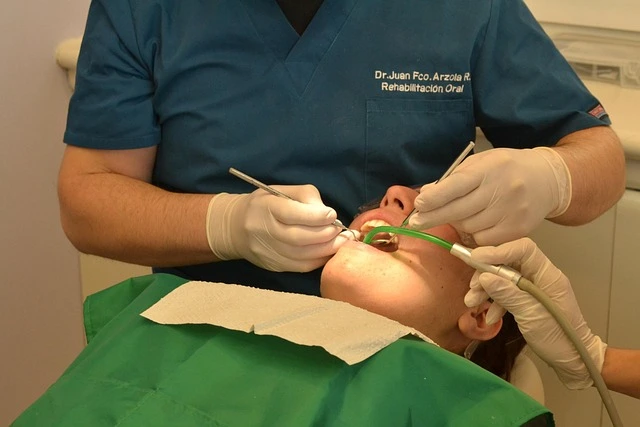
oral health often gets overlooked, but it’s a crucial part of prconception care. gum disease and oral infections have been linked to pregnancy complications like preeclampsia and preterm birth.
schedule a dental cleaning and checkup before trying toconceive, and maintain good habits like brushing twice daily and flossing regularly.
11. get your partner involved
fertility is a shared journey. your partner’s health and lifestyle play just as big a role in conception.
things your partner can do:
-
eat a balanced diet with antioxidants (vitamin c, zinc, selenium).
-
limit alcohol and quit smoking.
-
avoid excessive heat exposure (like hot tubs or tight clothing
-
maintain a healthy weight and stay active.
encouraging your partner to join your preconception routine builds teamwork and strengthens your connection as future parents.
12. prepare your home and environment

your surroundings matter more than you might think. toxins and chemicals found in everyday products can affect fertility and early development.
how to detox your space:
-
choose non-toxic cleaning products (look for “fragrance-free” or “eco”).
-
switch to natural skincare and makeup without parabens or phthalates.
-
avoid using plastic containers for hot fod use glass or stainless steel.
-
ensure your water is filtered and free from heavy metals.
a clean and safe environment sets the tone for a healthy pregnancy.
13. sleep and rest
sleep is the foundation of hormone regulation, fertility, and emotional balance. aim for 7–9 hours of quality sleep per night.
tips for better slep:
-
go to bed and wake up at consistent times.
-
avoid screens 1 hour before bedtime.
-
create a relaxing bedtime ritual tea, reading, or meditation.
-
keep your bedroom dark, cool, and quiet.
resting well helps your body regenerate and prepare for pregnancy.
14. financial and lifestyle preparation

pregnancy brings new responibilities, both emotional and financial. it’s smart to start planning ahead.
consider:
-
reviewing your health insurance and understanding maternity coverage.
-
saving for baby expenses like medical visits, nursery items, and essentials.
-
planning maternity leave and discussing it with your employer.
-
simplifying your schedule to make room for self-care and rest.
creating stability now will make the transition into pregnancy and parenthood smoother.
15. be patient and trust the process
preparing your body and life for pregnancy takes time and that’s okay. it may take several months to conceive, even for perfectly healthy couples. instead of stressing, focus on building healthy habits that last beyond pregnancy.
remember: every step you tak on this checklist strengthens your chances of conception and ensures a healthier journey for you and your baby.
preconception checklist summary
✅ book a pre-pregnancy checkup
✅ start prenatal vitamins
✅ eat a fertility-friendly diet
✅ maintain a healthy weight
✅ balance your hormones
✅ quit smoking and alcohol
✅ track your ovulation
✅ manage stress
✅ check your vaccines
✅ improve oral health
✅ involve your partner
✅ detox your home
✅ sleep well
✅ plan your finances
✅ stay patient and positive
preparing for pregnancy is a journey of awareness, healing, and self-care. every change you make today whether it’s eating better, managing stress, or visiting your doctor brings you one step closer to welcoming your baby in the healthiest way possible.
the key is consistency, patience, and compassion toward yourself. when your body, mind, and heart are aligned, conception happens more naturally.
so take your time, follow this checklist, and trust that you’re creating the perfect foundation for new life.

Carlene R. Priddy offers strategic advice and practical guidance for governorsbefore, during, and after their mandatesto strengthen governance and public leadership.