
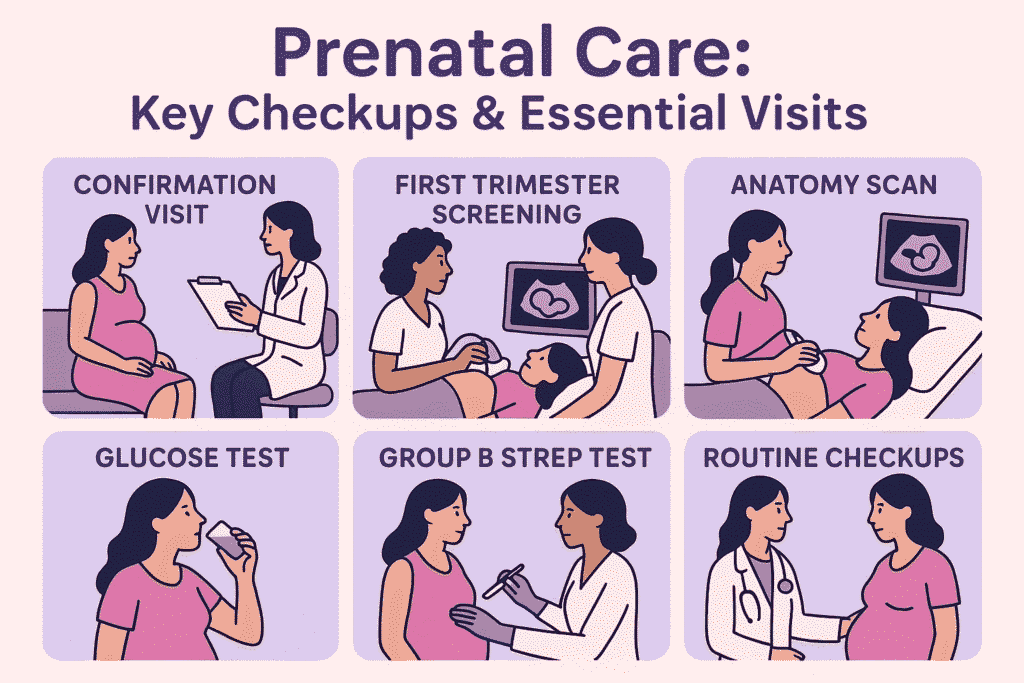
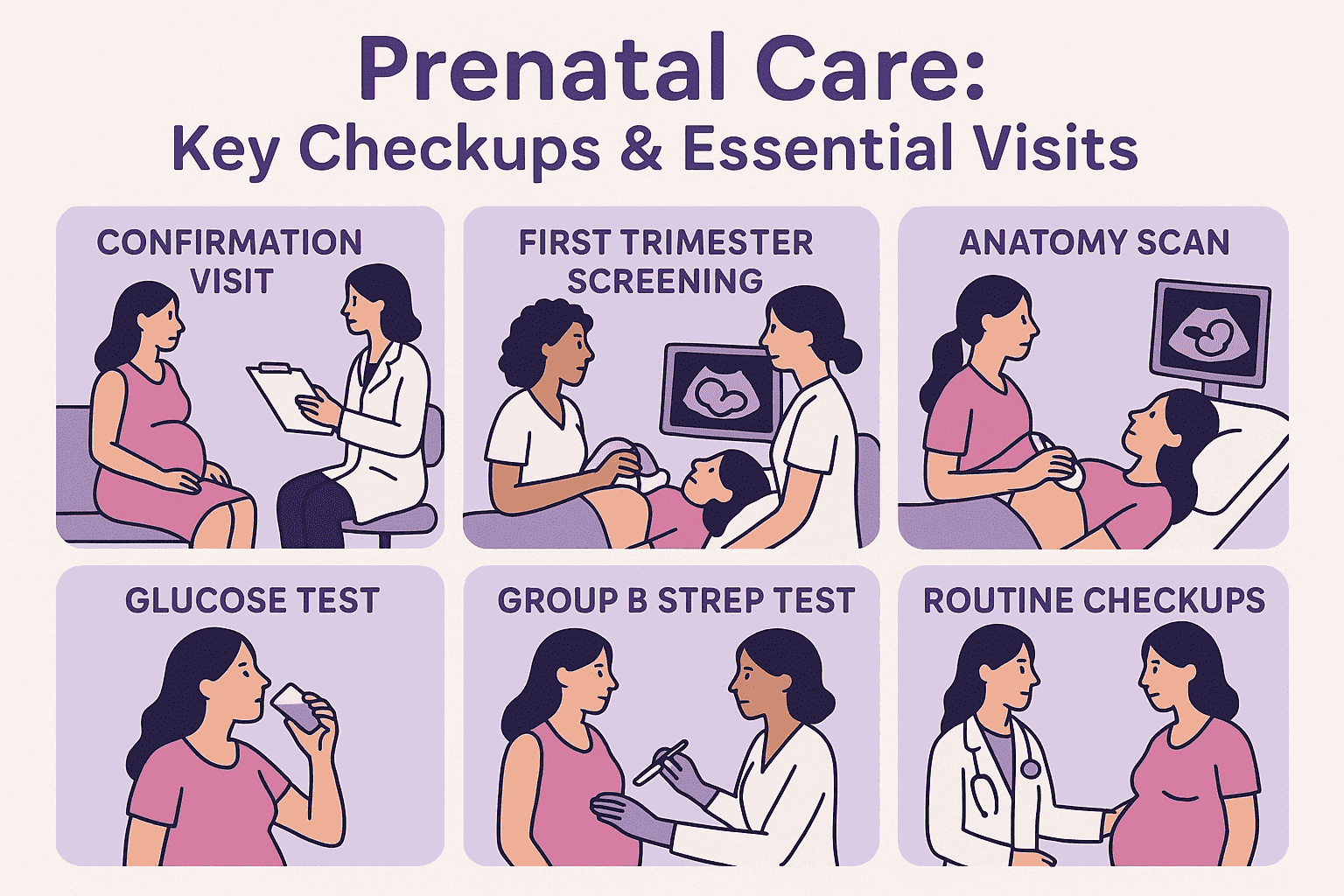
Prenatal care is the foundation of a healthy pregnancy. Each visit allows your healthcare provider to monitor your baby’s development and ensure your well‑being. Regular checkups can help detect potential complications early and provide guidance on lifestyle, nutrition, and emotional health. Understanding what to expect at each appointment reduces stress and helps you feel confident throughout your pregnancy. For a complete view of all stages, the guide on pregnancy care is an excellent reference for every expecting mother.
First Trimester Visits
The first few months are crucial for establishing prenatal care routines. During your initial appointment, your provider will confirm the pregnancy, estimate your due date, and review your medical history. Blood tests check for anemia, immunity to certain infections, and blood type. Urine tests can detect early signs of kidney or urinary issues. It is also the time to discuss lifestyle habits, including diet, supplements, and exercise. Emotional health is evaluated too, as early support can reduce anxiety and stress during this transition.
Second Trimester Visits
As the pregnancy progresses, visits typically occur every four weeks. Your provider will monitor weight gain, blood pressure, and the baby’s growth. Ultrasounds around 18–22 weeks provide information on anatomy, heart rate, and sometimes gender if you wish to know. Screening tests for gestational diabetes and other potential complications are usually conducted during this period. It is a time to adjust diet and activity levels based on your evolving needs. This stage often brings increased energy, but maintaining regular appointments is essential to catch issues before they become serious.
Third Trimester Visits
In the last trimester, visits become more frequent, generally every two to three weeks, then weekly as you approach your due date. Your provider will track the baby’s position, growth, and movements. Blood pressure is monitored closely to detect preeclampsia, and additional screenings ensure fetal health. Discussions about labor and delivery plans begin, including warning signs for early labor. Understanding these visits can make the final months of pregnancy less stressful and more predictable.
Routine Screenings and Tests

Across all trimesters, certain screenings are standard. Blood tests can check for anemia, infections, and gestational diabetes. Urine tests monitor kidney function and protein levels. Ultrasounds track growth and detect any structural concerns. In some cases, genetic screenings may be offered. Each test provides valuable information to support both mother and baby, helping prevent complications before they develop.
Vaccinations and Preventive Measures
Vaccinations are part of routine prenatal care to protect both mother and child. Influenza and Tdap vaccines are commonly recommended. Preventive guidance also includes advice on avoiding certain foods, managing stress, and safe exercise routines. These measures reduce the risk of infection and promote overall well‑being.
Lifestyle Guidance During Visits

Your provider will discuss nutrition, exercise, and sleep habits at each appointment. Weight gain targets are individualized based on your pre-pregnancy BMI. Exercise recommendations include low-impact activities that support cardiovascular health and maintain muscle tone. Nutrition counseling focuses on sufficient protein, iron, calcium, and folic acid intake. Sleep and stress management are also addressed to support emotional and physical health.
When to Seek Extra Care
While regular checkups are essential, some situations require prompt attention. Vaginal bleeding, severe abdominal pain, sudden swelling, or decreased fetal movement are signs to contact your provider immediately. Understanding what is normal versus what warrants concern empowers you to act quickly and protect your health and your baby.
Building a Partnership With Your Provider

Prenatal care is most effective when based on trust and communication. Be open about symptoms, concerns, and emotional changes. Ask questions about tests, medications, and lifestyle adjustments. A collaborative approach ensures personalized care and strengthens your confidence throughout pregnancy.
Conclusion
Prioritizing prenatal care and attending every recommended visit creates a safe and informed pregnancy journey. Each appointment provides guidance, reassurance, and early detection of potential concerns. For further support on optimizing your pregnancy lifestyle, you can explore the article on nutrition during pregnancy which offers practical tips and expert advice.
