
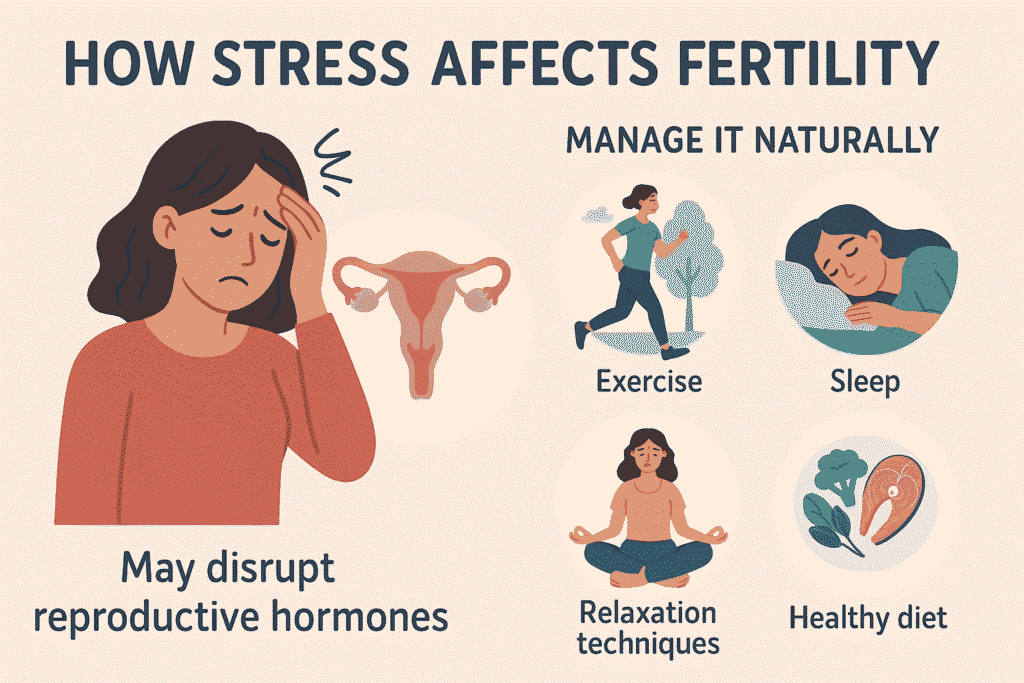
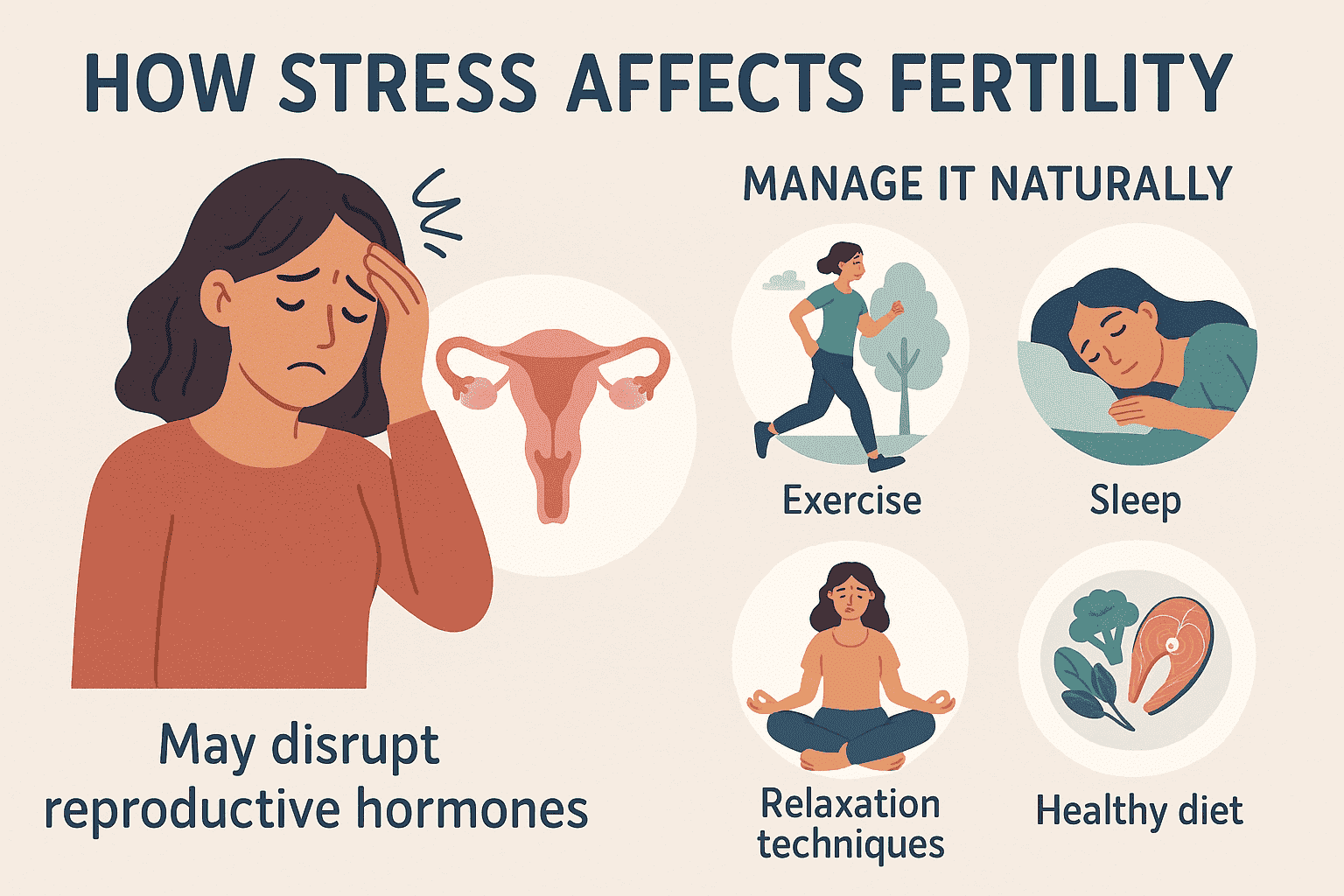
trying to conceive can be one of the most emotional and physically demanding experiences in a person’s life. while some couples become pregnant quickly, others face months or even years of waiting, testing, and disappointment. as the pressure builds, stress often becomes an uninvited companion but few realize how deeply it can affect fertility.
stress impacts your hormones, menstrual cycle, ovulation, and even sperm quality. it can also change lifestyle habits that influence fertility, such as sleep, appetite, and sexual desire. the good news? by understanding how stress works and learning natural ways to manage it, you can restore balance and create a more supportive environment for conception.
in this article, we’ll explore how stress affects fertility for both women and men, the biological mechanisms behind it, and natural ways to reduce stress while trying to conceive.
understanding stress and fertility
stress is the body’s natural response to challenging or threatening situations. when you experience stress, your brain triggers the release of hormones such as cortisol and adrenaline the “fight or flight” hormones. in small doses, stress can actually be beneficial, helping you stay alert and motivated.
however, chronic stress the kind that lingers for weeks or months can disrupt your body’s hormonal balance and reproductive function. your body starts to prioritize survival over reproduction, signaling that it’s not an ideal time to conceive.
this physiological response can delay or even stop ovulation in women and reduce sperm production in men.
how stress affects fertility in women

for women, stress can interfere with nearly every stage of the reproductive process. here’s how it happens:
1. hormonal imbalance
chronic stress increases levels of cortisol and adrenaline, which suppress the release of gonadotropin-releasing hormone (gnrh) the hormone responsible for regulating your menstrual cycle. this leads to lower levels of luteinizing hormone (lh) and follicle-stimulating hormone (fsh), both essential for ovulation.
in simple terms: when your brain senses ongoing stress, it can delay or even stop ovulation, making conception much harder.
2. irregular menstrual cycles
stress can make your periods unpredictable or cause you to skip them entirely (a condition known as stress-induced amenorrhea). irregular cycles mean it’s more difficult to track ovulation and time intercourse for conception.
3. reduced egg quality
oxidative stress a form of cellular damage caused by chronic tension can harm the quality of your eggs. this can affect fertilization and increase the risk of early miscarriage.
4. changes in cervical mucus
stress hormones can alter estrogen production, leading to changes in cervical mucus. when mucus is not fertile-quality (clear, stretchy, egg-white consistency), sperm have a harder time surviving and reaching the egg.
5. impact on implantation
even if fertilization occurs, high stress levels can interfere with uterine receptivity, reducing the likelihood of successful implantation. stress can affect blood flow to the uterus, making it harder for the embryo to attach properly.
how stress affects fertility in men

stress doesn’t just impact women male fertility is equally sensitive to emotional strain.
1. reduced sperm count and motility
research shows that chronic stress can decrease testosterone levels and disrupt sperm production. men under high stress tend to have lower sperm counts and reduced motility (movement), making it more difficult for sperm to reach and fertilize the egg.
2. dna damage in sperm
oxidative stress caused by high cortisol levels can damage sperm dna, reducing the chances of a healthy pregnancy and increasing the risk of miscarriage.
3. sexual dysfunction
stress can also affect libido and performance. psychological stress increases anxiety, which can lead to erectile dysfunction or reduced sexual interest both of which make conception less likely.
4. lifestyle factors
men who are stressed may also turn to coping mechanisms like smoking, alcohol, or poor diet all of which further damage sperm quality and hormonal balance.
the mind-body connection in fertility
fertility isn’t just about your reproductive organs it’s about your entire body and mind working in harmony. emotional health plays a key role in hormonal balance, and your mental state directly affects your physical readiness for pregnancy.
stress increases levels of prolactin, cortisol, and inflammatory cytokines, all of which can disrupt ovulation and sperm function. it also reduces the production of dopamine and serotonin, hormones that help regulate mood and sexual desire.
in other words, your emotional well-being can either support or suppress your fertility.
signs that stress may be affecting your fertility

you might not always realize how stressed you are until your body starts showing signs. here are common indicators that stress could be influencing your ability to conceive:
-
irregular or missed periods
-
fatigue and difficulty sleeping
-
loss of interest in sex
-
mood swings, irritability, or anxiety
-
digestive issues (bloating, stomach pain, constipation)
-
frequent headaches or muscle tension
-
emotional burnout or feeling overwhelmed
if these symptoms persist, it may be time to focus on stress management as part of your fertility plan.
scientific studies linking stress and infertility
multiple studies have confirmed that stress has a measurable effect on fertility outcomes.
-
a study published in fertility and sterility found that women with higher levels of alpha-amylase (a stress-related enzyme) took significantly longer to conceive.
-
research from oxford university showed that couples who reported higher stress levels had a 29% lower probability of conception each cycle.
-
in men, a study from columbia university found that psychological stress was associated with lower sperm concentration and motility.
these studies highlight that while stress doesn’t make pregnancy impossible, it can reduce the odds and delay the process.
how to manage stress naturally and improve fertility

the goal isn’t to eliminate stress completely that’s impossible but to manage it in a way that minimizes its effects on your body. here are proven natural methods to help you reduce stress and enhance fertility:
1. mindfulness and meditation
mindfulness helps you stay present and calm, reducing overthinking and emotional strain. just 10–15 minutes of meditation a day can lower cortisol levels and restore hormonal balance.
you can use guided meditation apps, breathing exercises, or simply focus on your breath for a few minutes each morning.
mindfulness not only improves mental well-being but can also enhance your connection with your partner, creating a more positive environment for conception.
2. yoga for fertility
yoga combines gentle movement, deep breathing, and relaxation all of which help reduce stress and improve blood flow to reproductive organs. poses like child’s pose, cat-cow stretch, and legs-up-the-wall are especially beneficial for fertility health.
plus, yoga helps regulate your nervous system, balances hormones, and promotes a sense of calm during the fertility journey.
3. balanced nutrition
what you eat affects how your body responds to stress. nutrient-rich foods help regulate mood, hormones, and energy levels. include:
-
whole grains for steady energy
-
leafy greens and berries for antioxidants
-
fatty fish, walnuts, and flaxseeds for omega-3s
-
lean proteins for hormonal support
avoid excessive caffeine, processed foods, and sugar, as they can increase anxiety and inflammation.
to learn more about building a fertility-friendly diet, read our detailed guide: foods to eat (and avoid) when trying to conceive
4. regular physical activity
exercise is one of the most effective natural stress relievers. it boosts endorphins, reduces cortisol, and improves blood circulation. however, moderation is key — excessive exercise can actually increase stress hormones and negatively affect fertility.
try low-impact activities like walking, swimming, yoga, or cycling for 30 minutes a day, 4–5 times a week.
5. get enough sleep
sleep deprivation increases cortisol and disrupts hormone production. aim for 7–8 hours of restful sleep each night. create a calming bedtime routine dim lights, avoid screens before bed, and practice gentle breathing.
6. connection and emotional support
fertility struggles can feel isolating, but you’re not alone. share your feelings with your partner, friends, or a therapist who understands fertility challenges. support groups (online or local) can also help you process emotions and reduce anxiety.
7. reduce exposure to toxins
chronic stress can make your body more vulnerable to toxins, which further harm fertility. reduce exposure to endocrine disruptors by:
-
avoiding plastic containers (especially bpa)
-
choosing organic produce when possible
-
using natural cleaning and skincare products
-
limiting alcohol and avoiding smoking
8. acupuncture
acupuncture has been shown to reduce stress and improve fertility by promoting better blood flow to the reproductive organs and balancing hormones. it also helps regulate the menstrual cycle and can improve ovulation in women with pcos or irregular cycles.
9. journaling and gratitude practice
writing down your thoughts helps release mental tension and shift focus from anxiety to positivity. journaling about what you’re grateful for can lower stress and improve overall emotional health.
10. spend time in nature
time outdoors even 20 minutes a day can reduce cortisol, improve mood, and help your body reset. sunlight also boosts vitamin d, which is essential for fertility and hormone regulation.
building a stress-reduction routine

creating a fertility-friendly lifestyle means combining several of these strategies into your daily routine. here’s a simple plan:
-
morning: 10 minutes of meditation or deep breathing
-
midday: balanced meal with protein, whole grains, and healthy fats
-
afternoon: 20-minute walk or gentle yoga
-
evening: digital detox and journaling before bed
consistency is key. even small, daily efforts can make a big difference in reducing stress and supporting your body’s natural fertility rhythm.
when to seek professional help
if stress becomes overwhelming or you’ve been trying to conceive for more than a year (six months if you’re over 35), consider consulting a fertility specialist. you may also benefit from working with a mental health professional who specializes in reproductive health.
therapy options such as cognitive behavioral therapy (cbt), mindfulness-based stress reduction (mbsr), and couples counseling can help you cope with anxiety and improve communication during your fertility journey.
stress is an inevitable part of life, but when it comes to fertility, managing it effectively can make a powerful difference. by understanding how chronic stress affects your hormones, ovulation, and overall reproductive health, you can take active steps to restore balance.
through mindful practices, balanced nutrition, movement, and emotional support, you can naturally improve your chances of conception while enhancing your overall well-being. remember your body and mind work together. caring for both is the key to creating the ideal environment for new life to begin.
