
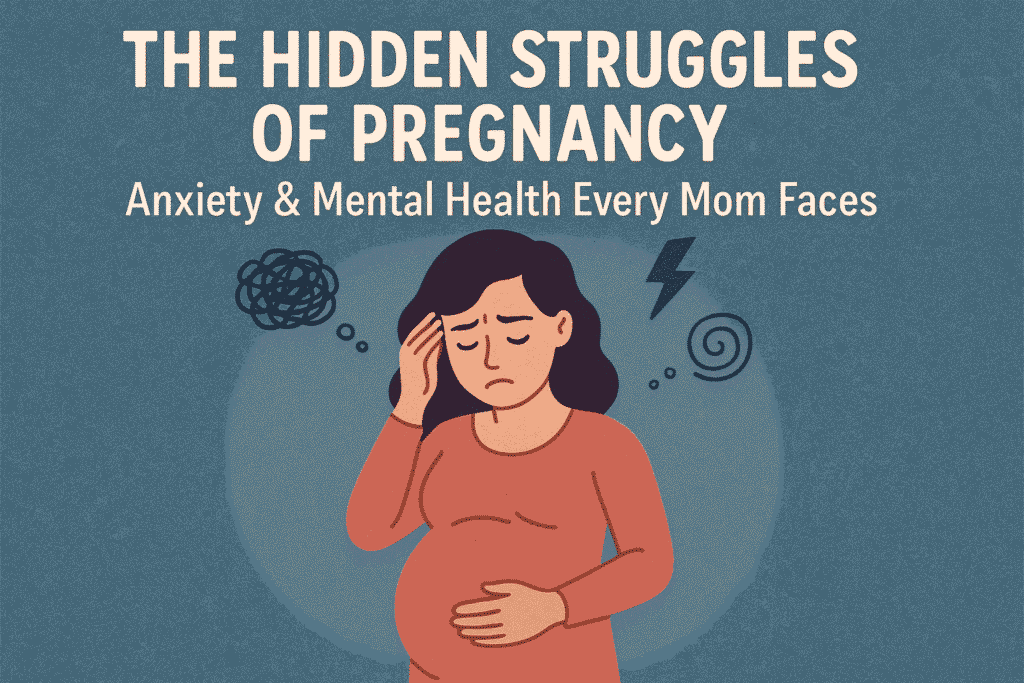
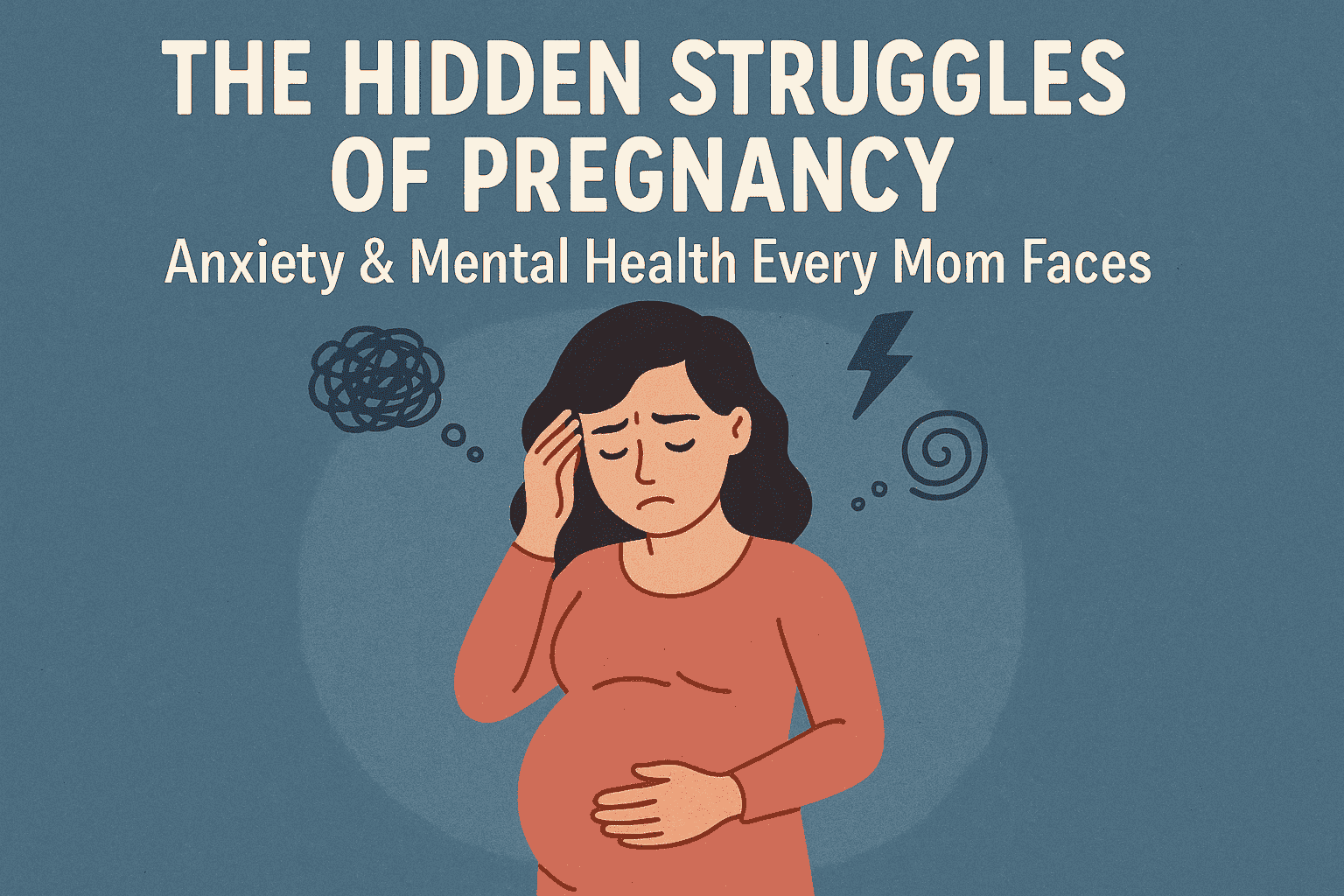
Pregnancy brings many physical changes, but emotional shifts are just as significant. Stress, anxiety, or low mood can affect both mother and baby if left unaddressed. Understanding emotional health during pregnancy helps women cope effectively and seek support when needed. For a broader perspective on overall prenatal well-being, the guide on pregnancy care provides practical advice for each stage.
Common Emotional Challenges
Hormonal changes, lifestyle adjustments, and anticipation of parenthood can trigger anxiety, mood swings, or prenatal depression. Feeling overwhelmed at times is normal, but persistent sadness, irritability, or panic warrants attention. Acknowledging these feelings allows for early support and reduces the risk of prolonged distress.
Stress Management Techniques

Simple routines like deep breathing, meditation, or gentle exercise can help manage stress. Daily practices, even for a few minutes, improve mental clarity and resilience. Journaling or talking with a trusted friend or partner provides emotional release. Incorporating these habits into daily life contributes to a calmer pregnancy experience.
Seeking Professional Support
Healthcare providers can screen for prenatal depression or anxiety during routine visits. Therapy, counseling, or support groups offer tailored strategies to address emotional concerns. Early intervention enhances coping mechanisms and helps mothers maintain both mental and physical health.
Sleep and Rest

Adequate rest supports emotional stability and overall well-being. Pregnancy can disrupt sleep due to discomfort, hormonal changes, or stress. Adjusting sleep positions, creating a calming bedtime routine, and limiting screen time contribute to better sleep quality. Consistent rest reduces irritability and improves mood regulation.
Building a Support Network
Connecting with other expecting mothers, family, or friends provides social support and reduces feelings of isolation. Sharing experiences and advice fosters confidence and reassurance. A strong network helps women navigate emotional challenges and reinforces healthy coping strategies.
Mindful Lifestyle Choices

Nutrition, gentle exercise, and relaxation practices positively influence mental health. Avoiding excessive caffeine or alcohol and staying hydrated further supports emotional balance. Mindful attention to daily habits contributes to stability, energy, and overall pregnancy satisfaction.
Conclusion
Focusing on mental health during pregnancy safeguards both mother and baby. Early recognition, stress management, and professional support create a nurturing environment for emotional well-being. For guidance on physical health and checkups that complement mental wellness, see the article on prenatal care essentials, which outlines key visits and screenings for a safe pregnancy.
