


Pregnancy is a transformative journey that affects the body, mind, and daily life. Understanding how to care for yourself and your developing baby is essential for a healthy experience. Regular monitoring, balanced nutrition, emotional support, and lifestyle adjustments all play important roles. Each stage of pregnancy brings different needs and challenges, and being prepared empowers mothers to make informed choices. Exploring prenatal care thoroughly allows expecting women to feel confident and supported throughout the journey.
Prenatal Care Essentials
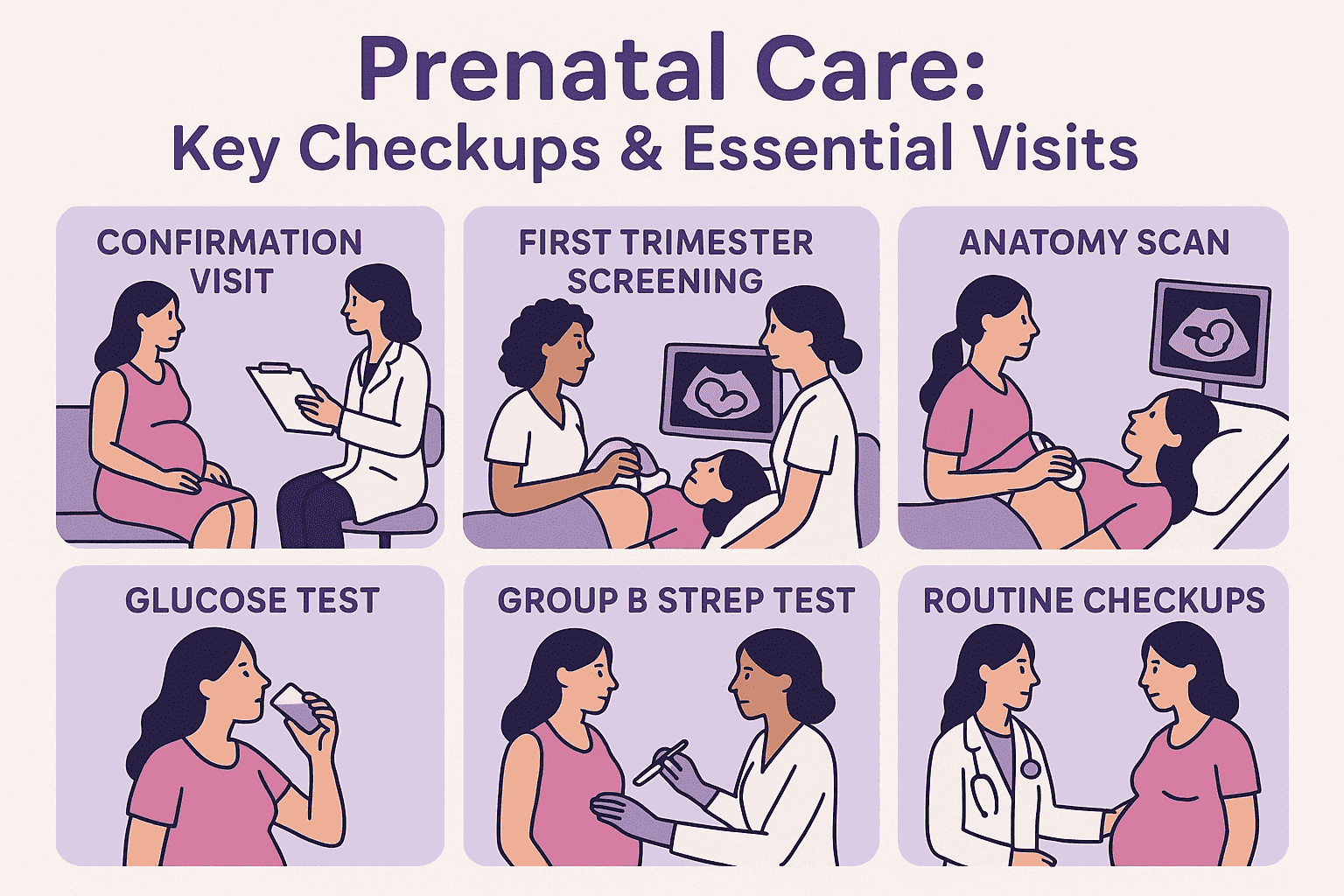
Prenatal care lays the foundation for a safe and healthy pregnancy. Regular visits to a healthcare provider help track fetal development and identify potential concerns early. Initial appointments include confirming the pregnancy, estimating the due date, and reviewing medical history. Blood and urine tests assess overall health, immunity, and kidney function. These visits also cover lifestyle guidance, including diet, exercise, and supplements, while addressing emotional well-being.
In the first trimester, establishing a consistent schedule of checkups is crucial. Providers may perform ultrasounds to confirm viability and monitor early growth. Blood pressure and weight are tracked, and vaccinations may be recommended to protect both mother and child. Conversations about habits such as smoking, alcohol use, and stress management are equally important.
During the second trimester, visits occur approximately every four weeks. Providers monitor the baby’s growth, check for gestational diabetes, and perform anatomy scans. These appointments provide a chance to adjust nutrition and activity levels to meet evolving needs. In the third trimester, visits become more frequent to track fetal position, monitor blood pressure, and plan for labor. This ensures timely detection of issues like preeclampsia or growth restrictions.
Routine screenings during all stages are essential. Blood tests detect anemia, infections, and blood type compatibility, while urine tests monitor kidney health and protein levels. Ultrasounds help assess growth, organ development, and overall fetal well-being. Genetic screenings may also be offered based on risk factors. Understanding these procedures reduces anxiety and builds confidence in managing health.
Preventive measures such as vaccinations and lifestyle guidance complement routine visits. Influenza and Tdap vaccines are commonly recommended, along with advice on safe exercise, nutrition, and sleep. These measures protect both mother and baby while promoting overall wellness.
Developing a partnership with your provider enhances the effectiveness of prenatal care. Open communication about symptoms, concerns, and emotional changes ensures personalized support. Discussing questions about tests, medications, and lifestyle adjustments strengthens confidence and helps mothers navigate pregnancy safely.
For further information on specific checkups and detailed guidance, the article on prenatal care essentials offers practical advice for each stage and visit, providing a reliable resource for expecting mothers.
Nutrition & Supplements During Pregnancy

Proper nutrition during pregnancy supports both maternal health and fetal development. Each trimester brings unique dietary needs, and understanding these requirements helps prevent deficiencies and complications. Eating a variety of nutrient-dense foods, staying hydrated, and taking recommended supplements are essential steps for a healthy pregnancy. For a deeper understanding of nutrition strategies, the article on pregnancy nutrition offers detailed guidance and practical tips.
In the first trimester, folic acid is critical for neural tube development. Iron supports the increased blood volume, while calcium and vitamin D strengthen bones for mother and baby. Incorporating leafy greens, lean meats, legumes, and fortified cereals provides these nutrients naturally. Prenatal vitamins complement dietary intake to fill potential gaps and support early growth.
The second trimester demands higher energy and protein intake as the baby grows rapidly. Complex carbohydrates provide sustained energy, while iron-rich foods help prevent anemia. Healthy fats from sources like nuts, seeds, and fish contribute to brain and eye development. Staying hydrated is equally important, as blood volume increases and fluid balance supports overall health. Regular monitoring by your healthcare provider helps adjust diet and supplement intake to meet evolving needs.
During the third trimester, nutrient density becomes increasingly important. Adequate calcium, magnesium, and potassium support muscle function and may reduce discomfort like leg cramps. Omega-3 fatty acids continue to support brain and eye development. Balanced meals and appropriate portion sizes help manage weight gain while fiber-rich foods assist with digestion. Listening to your body and maintaining consistent meal patterns ensures energy and comfort as labor approaches.
Safe supplementation complements food intake. Folic acid, iron, vitamin D, and DHA are commonly recommended. Dosages should follow professional guidance to avoid excess. Herbal supplements require provider consultation to ensure safety. Consistency in taking these supplements supports ongoing fetal development and maternal well-being.
Meal planning and hydration are practical ways to meet nutritional needs. Preparing balanced snacks and meals ensures steady energy and reduces reliance on processed foods. Managing morning sickness or food aversions can be addressed through smaller, frequent meals. Thoughtful planning supports both comfort and nutrient intake.
Managing common nutrition challenges is part of the process. Nausea, cravings, or aversions may complicate dietary intake. Identifying triggers, adjusting meals, and seeking professional advice when necessary helps maintain adequate nutrition. Awareness and preparation reduce stress and promote a healthy pregnancy.
Integrating nutrition with lifestyle habits amplifies benefits. Combining a balanced diet with safe exercise, adequate rest, and stress management enhances maternal and fetal health. Mindful choices in nutrition contribute to overall well-being and support a smoother pregnancy journey.
Managing Pregnancy Complications

While most pregnancies progress smoothly, some complications can arise that require careful attention. Recognizing potential risks early allows for timely interventions that protect both mother and baby. Understanding common conditions helps expecting women feel more confident and prepared. For in-depth guidance on monitoring and responding to pregnancy issues, the article on managing pregnancy complications provides practical strategies and advice.
Gestational diabetes is a frequent concern. It occurs when blood sugar levels rise during pregnancy, typically detected between 24 and 28 weeks. Managing gestational diabetes involves monitoring glucose levels, following a tailored diet, and sometimes using medication. Proper management reduces risks such as excessive birth weight and delivery complications. Lifestyle adjustments including balanced meals and regular physical activity are crucial in controlling this condition.
Hypertension and preeclampsia are other significant concerns. High blood pressure can affect organ function and the placenta, creating risks for both mother and child. Routine prenatal visits monitor blood pressure and urine protein levels. Symptoms like swelling, headaches, or vision changes require prompt attention. Early detection allows healthcare providers to implement interventions that prevent serious outcomes, including preterm birth or growth restrictions.
Hyperemesis gravidarum, or extreme nausea and vomiting, affects some women in the first trimester. This condition can lead to dehydration and weight loss if untreated. Management includes dietary adjustments, hydration, and in some cases medication. Regular monitoring ensures nutrient intake remains adequate for fetal growth and maternal health. Identifying triggers and using safe remedies helps mothers cope effectively.
Placental complications such as placenta previa or placental abruption demand close observation. Ultrasounds help detect these issues early. Treatment may involve activity modification, monitoring, or planned delivery adjustments. Recognizing warning signs like vaginal bleeding or abdominal pain enables prompt intervention to safeguard both mother and baby.
Preterm labor, defined as labor before 37 weeks, carries risks for the newborn. Signs include regular contractions, lower back pain, or fluid leakage. Routine visits help assess risk factors and provide guidance on prevention. Interventions may involve lifestyle adjustments, medications, or close monitoring to prolong pregnancy safely.
Preventive measures and a healthy lifestyle reduce the likelihood of complications. Balanced nutrition, safe exercise, stress management, and adherence to prenatal appointments all contribute to risk reduction. Vaccinations and avoidance of harmful substances further protect maternal and fetal health.
Being informed and proactive enhances preparedness. Recognizing early warning signs, following medical advice, and maintaining healthy routines support a safer pregnancy. For complementary advice on supporting a healthy pregnancy through nutrition, refer to the article on nutrition during pregnancy.
Mental Health & Emotional Well‑Being During Pregnancy
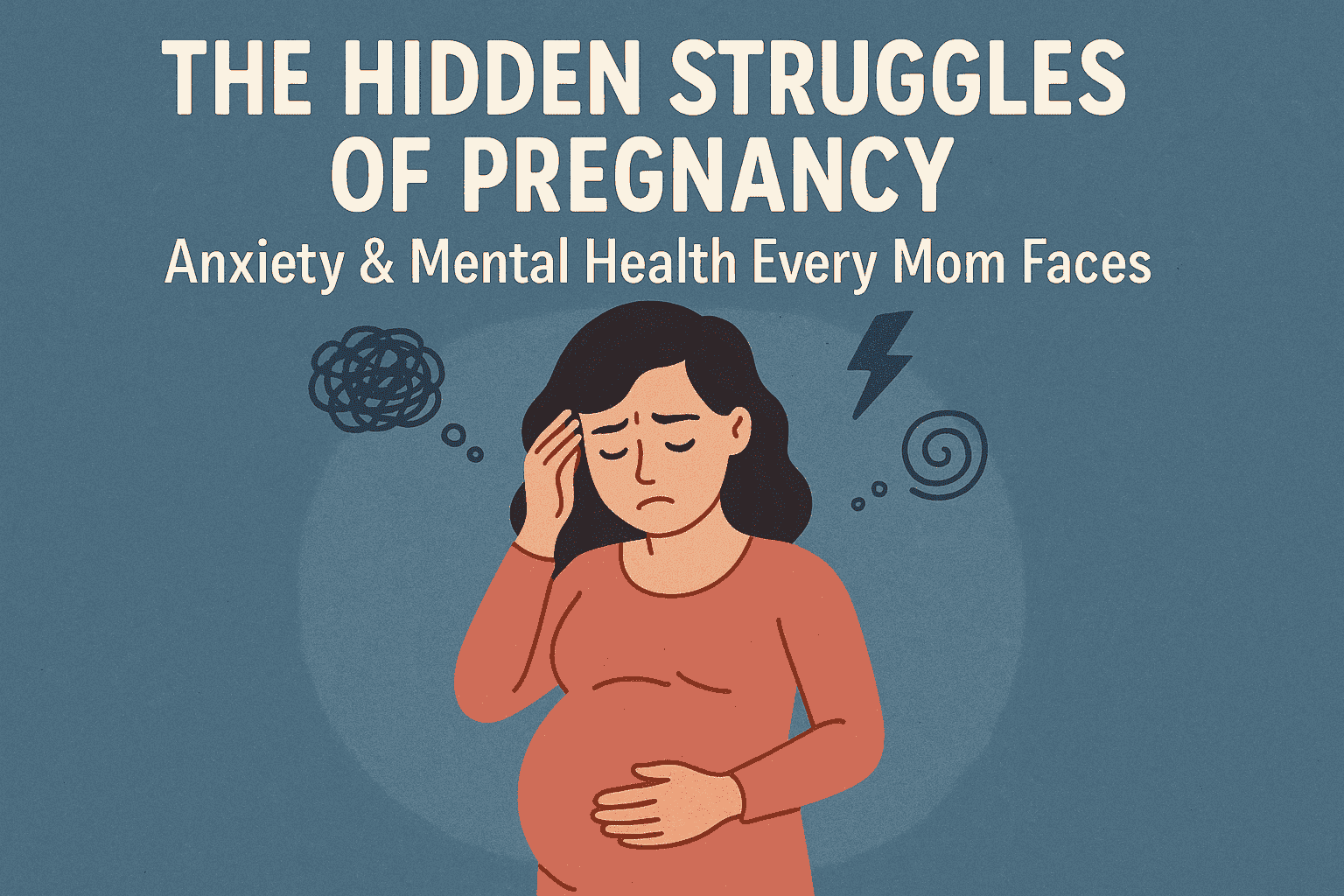
Emotional health is as important as physical well-being during pregnancy. Stress, anxiety, and mood changes can affect both mother and baby if not managed properly. Understanding mental health needs helps expecting women cope effectively and maintain balance. For guidance on addressing emotional challenges, the article on pregnancy anxiety and mental health provides practical strategies and support options.
Pregnancy often brings hormonal shifts, lifestyle adjustments, and anticipation of parenthood, which can trigger anxiety or mood swings. Occasional worry is normal, but persistent sadness, irritability, or panic should be addressed promptly. Recognizing these emotions early allows mothers to seek support and reduce potential long-term effects.
Stress management techniques are simple yet effective. Deep breathing exercises, meditation, and gentle movement like prenatal yoga help maintain calm. Journaling or talking with a partner or trusted friend provides emotional release. Incorporating these practices regularly enhances resilience and emotional balance.
Professional support plays a critical role. Providers screen for prenatal depression or anxiety during routine visits. Therapy, counseling, or support groups offer tailored strategies to cope with emotional challenges. Early intervention strengthens coping mechanisms and promotes both mental and physical health.
Sleep and rest directly impact emotional well-being. Pregnancy can disrupt sleep due to discomfort, hormonal changes, or frequent urination. Adjusting sleep positions, maintaining a calming bedtime routine, and limiting screen time help improve rest. Quality sleep reduces irritability and supports mood regulation.
Building a support network is equally important. Connecting with other expecting mothers, family, or friends provides reassurance and reduces feelings of isolation. Sharing experiences and advice fosters confidence and emotional stability. A strong network supports coping with challenges and enhances overall well-being.
Mindful lifestyle choices complement mental health care. Balanced nutrition, gentle exercise, and relaxation practices contribute to emotional stability. Avoiding excessive caffeine or alcohol and staying hydrated supports balance and energy. These small daily choices enhance overall mental well-being and create a calmer pregnancy experience.
By focusing on mental health alongside physical care, mothers protect both themselves and their babies. Early recognition, stress management, and professional support create a nurturing environment throughout pregnancy. For tips on maintaining overall health, including physical checkups, visit the article on prenatal care essentials.
Lifestyle & Wellness: Exercise, Sleep, and Daily Habits

A balanced lifestyle during pregnancy supports both physical health and emotional well-being. Safe exercise, sufficient rest, and mindful daily routines reduce discomfort, maintain energy, and promote fetal development. Integrating wellness habits into everyday life creates a smoother and more confident pregnancy journey. For guidance on combining lifestyle with prenatal care, the article on pregnancy lifestyle and wellness provides practical advice.
Exercise strengthens muscles, improves circulation, and helps manage weight gain. Low-impact activities like walking, swimming, and prenatal yoga are safe and effective. Listening to your body and avoiding high-risk movements ensures safety. Physical activity also supports mental health, helping to reduce stress and elevate mood.
Sleep and rest are essential for recovery and overall well-being. Discomfort, hormonal changes, or frequent urination can disrupt sleep during pregnancy. Maintaining a consistent bedtime routine, using supportive pillows, and creating a calm environment improve rest. Adequate sleep enhances energy levels and reduces irritability.
Nutrition and hydration complement lifestyle practices. Balanced meals with sufficient protein, complex carbohydrates, and healthy fats provide sustained energy. Drinking water regularly supports circulation, digestion, and amniotic fluid levels. Planning meals and snacks helps prevent nutrient gaps and maintains steady energy throughout the day.
Stress management techniques help maintain emotional stability. Breathing exercises, meditation, and gentle stretching reduce tension. Taking short breaks, practicing mindfulness, and connecting with supportive friends or family members also contribute to calmness. Integrating these practices into daily routines creates resilience during pregnancy.
Monitoring health through regular prenatal visits ensures lifestyle choices align with personal needs. Providers track blood pressure, weight gain, and fetal growth to detect potential concerns. Following their guidance tailors exercise, nutrition, and wellness routines for optimal results.
Creating a consistent routine that includes movement, proper nutrition, rest, and stress management strengthens both body and mind. Enjoyable wellness activities increase adherence and reduce pregnancy-related stress. Small, mindful adjustments to daily habits support long-term health for both mother and baby.
For additional advice on managing emotional well-being alongside lifestyle habits, see the article on mental health in pregnancy, which offers strategies to reduce stress and anxiety throughout pregnancy.
Preparing for Birth and Postpartum
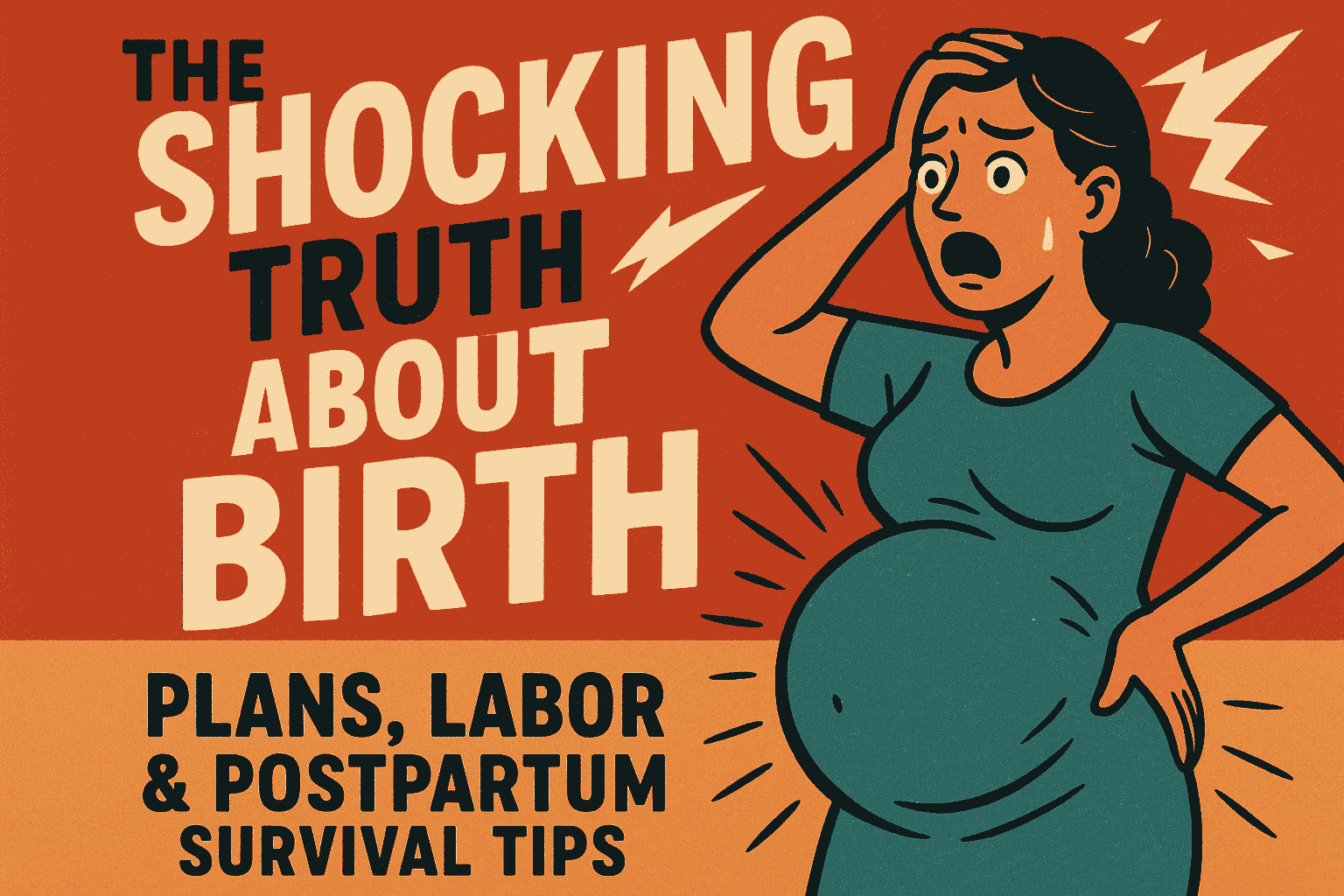
Preparing for birth and postpartum care ensures a safer and more confident transition from pregnancy to motherhood. Knowledge about labor, delivery options, and recovery helps reduce anxiety and supports both maternal and newborn health. For practical guidance on preparation and early postpartum care, the article on birth preparation and postpartum provides step-by-step advice.
Creating a birth plan helps communicate preferences for labor and delivery. This may include pain management options, support persons, and delivery methods. While flexibility is necessary, outlining expectations ensures that care aligns with both safety and personal priorities. Discussing the plan with healthcare providers early promotes informed decision-making.
Understanding labor stages helps women anticipate physical and emotional changes. Early labor, active labor, and delivery each have distinct characteristics, from contractions to cervical changes and pushing. Awareness of warning signs and normal progress allows mothers to feel more in control and reduces uncertainty during labor.
Deciding between hospital and home birth involves evaluating medical history, risk factors, and personal preferences. Hospitals provide access to interventions if complications arise, while home births offer familiarity and midwife support. Each choice requires careful planning, preparation, and contingency measures to ensure safety for both mother and baby.
Pain management options include natural techniques such as breathing exercises, movement, or water immersion, as well as medical interventions like epidurals. Discussing preferences with a provider ensures safe and effective pain relief tailored to the birth experience. Flexibility and preparedness contribute to a positive delivery.
Postpartum recovery focuses on physical healing, emotional adjustment, and newborn care. Monitoring bleeding, managing discomfort, and recognizing signs of postpartum depression are essential. Support from partners, family, and healthcare providers aids recovery. Guidance on breastfeeding, sleep management, and nutrition further supports maternal health.
Newborn care basics cover feeding, diapering, bathing, and recognizing signs of distress. Safe sleep practices, immunizations, and routine checkups ensure healthy development. Familiarity with these practices reduces anxiety and builds confidence for new parents.
Preparing for birth and postpartum strengthens both mother and baby. Knowledge, planning, and support create a smoother experience and help mothers feel empowered. For advice on maintaining energy and wellness during pregnancy, see the article on lifestyle and wellness during pregnancy, which offers practical tips for exercise, rest, and stress management.
