

Getting your body ready for pregnancy isn’t something that happens overnight. It’s not about becoming perfect or checking off a list of rules someone handed you. It’s about making intentional choices over the next few months that set you up for the healthiest pregnancy possible.
I’ve spent years writing about pregnancy and tracking the science behind what actually works versus what’s just noise. And here’s what I’ve learned: preparing your body for pregnancy comes down to three major pillars—what you eat, how you sleep, and how you move. Get those three things right, and you’re doing more for your fertility and future pregnancy than 90 percent of the complicated advice out there.
The truth is, by the time most women realize they’re pregnant, their baby’s neural tube has already formed. Critical development happens in those first few weeks before you even know you’re expecting. That’s why starting now matters so much. You’re not just preparing for conception. You’re building the foundation for your baby’s entire development.
Your body needs time to optimize nutrient stores, stabilize hormones, and build strength. Three months is the sweet spot. That’s how long it takes for an egg to fully mature before ovulation, and about the same time sperm needs to develop. The changes you make today affect the egg and sperm that’ll create your baby three months from now.
This isn’t about restriction or deprivation. It’s about giving your body what it actually needs to do something incredible. Think of it as stocking the shelves before you open the store. You wouldn’t start a business without inventory, right? Same principle here.
Over the next several sections, we’ll break down exactly what preparing your body for pregnancy looks like in practice. We’ll cover the nutrition fundamentals that support fertility, the supplements you actually need, how sleep affects your hormones and ability to conceive, the types of exercise that strengthen your body for pregnancy, and how to pull it all together into a realistic three-month plan.
You don’t need to be overwhelmed. You just need a clear roadmap. Let’s get started.
Pre-Pregnancy Nutrition: What to Eat Before Getting Pregnant
What you’re eating right now is building the foundation for your baby’s development before conception even happens. Your body needs specific nutrients in optimal amounts to support healthy eggs, regular ovulation, proper hormone balance, and eventually, a growing fetus.
The reality is that most women don’t eat nearly enough of the foods that support fertility. We’re overfed but undernourished, filling up on processed foods that provide calories without the vitamins, minerals, and phytonutrients our reproductive systems need to function properly.
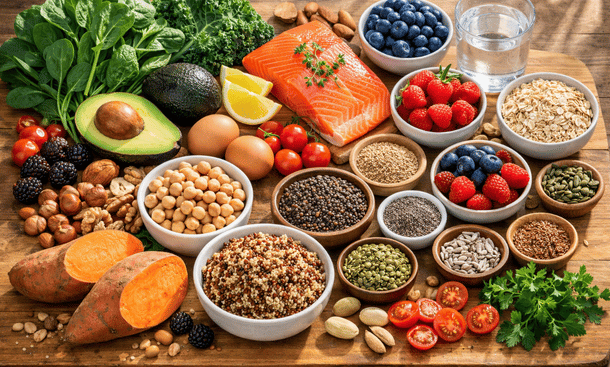
Your pre-pregnancy diet should be built on whole, unprocessed foods that provide nutrients in their most bioavailable forms. That means foods your great-grandmother would recognize, not stuff manufactured in a lab.
Folate is the superstar nutrient here. It prevents neural tube defects like spina bifida, and the neural tube closes by day 28 of pregnancy—before most women even know they’re pregnant. You need folate-rich foods every single day. Dark leafy greens like spinach and kale top the list. Lentils, black beans, chickpeas, and other legumes are folate powerhouses. Asparagus, Brussels sprouts, and broccoli all count. Even if you’re taking a prenatal vitamin with folate, food sources matter because your body absorbs natural folate more efficiently than synthetic folic acid.
Protein is essential for hormone production and egg quality. But the source matters as much as the amount. Wild-caught fish, especially salmon, sardines, and mackerel, give you protein plus omega-3 fatty acids that reduce inflammation and support reproductive health. Aim for two to three servings per week while avoiding high-mercury fish like swordfish and king mackerel. Eggs are nearly perfect pre-pregnancy food. The yolks contain choline, which most people don’t get enough of and which is critical for fetal brain development. Grass-fed beef and organic chicken provide iron and B vitamins. If you’re plant-based, focus on legumes, quinoa, and hemp seeds for complete proteins.
Your body needs fat to make hormones. Period. The low-fat craze did women’s fertility no favors. Avocados, nuts, seeds, and olive oil should be daily staples. These monounsaturated and polyunsaturated fats support ovulation and help your body absorb fat-soluble vitamins like A, D, E, and K. Full-fat dairy, if you tolerate it, provides conjugated linoleic acid and vitamin K2. Some research suggests full-fat dairy may actually improve fertility compared to low-fat versions.
Carbohydrates aren’t the enemy, but the type you choose directly affects your blood sugar and insulin levels, which in turn affect your reproductive hormones. Choose slow-burning complex carbs like sweet potatoes, quinoa, brown rice, and oats. These provide sustained energy and fiber that helps your body eliminate excess estrogen. Skip the white bread, sugary cereals, and processed snacks that cause blood sugar crashes and hormone disruption.
What you need to limit or avoid is just as important as what you should eat. Caffeine in high amounts may reduce fertility, so stick to one cup of coffee per day maximum. Even moderate alcohol consumption can affect your menstrual cycle and hormone levels. If you’re actively trying to conceive, skip it altogether. Processed foods loaded with preservatives, artificial ingredients, and added sugars promote inflammation and mess with your gut bacteria, which plays a bigger role in fertility than most people realize. Trans fats, found in many fried foods and baked goods, are particularly problematic for fertility.
Building your daily eating pattern doesn’t need to be complicated. Start your day with protein and healthy fats—a veggie omelet with avocado or Greek yogurt with nuts and berries. At lunch and dinner, fill half your plate with vegetables, a quarter with protein, and a quarter with complex carbs. Keep healthy snacks like hard-boiled eggs, raw vegetables with hummus, or apple slices with almond butter within reach.
Hydration matters more than you think. Water helps transport nutrients to your cells, supports cervical mucus production which is essential for conception, and helps flush out toxins. Aim for at least eight glasses daily, more if you’re exercising or it’s hot out.
The goal isn’t perfection. It’s consistent progress. Small changes add up over time. Maybe this week you focus on adding more vegetables to dinner. Next week you work on eating a protein-rich breakfast. The week after, you clean out processed snacks and replace them with whole food options. You’re building habits that’ll serve you through pregnancy and beyond.
For detailed meal planning strategies, specific food lists, and practical tips on making these changes sustainable, It breaks down exactly what to eat, how much, and how to build meals that support your fertility without making you feel restricted or overwhelmed.
Essential Vitamins and Supplements Before Conceiving
Even if you’re eating a perfect diet, and let’s be honest, nobody’s diet is actually perfect, it’s tough to get optimal levels of every nutrient from food alone. Modern agricultural practices have depleted soil of minerals. Stress burns through certain vitamins faster than we can replenish them. And some nutrients, like folate, are needed in amounts that are really hard to achieve through diet when you’re preparing to conceive.
This is where supplements come in. They’re not a replacement for good nutrition, but they fill the gaps and ensure your body has everything it needs when conception happens.
The most critical supplement is a high-quality prenatal vitamin that contains the active form of folate called methylfolate or 5-MTHF, not synthetic folic acid. Your body has to convert folic acid to methylfolate before it can use it, and some women, particularly those with MTHFR genetic variations, don’t convert it efficiently. Starting prenatal vitamins three months before you try to conceive gives your body time to build up nutrient stores, especially that crucial folate that prevents neural tube defects in the first few weeks after conception.
Look for a prenatal that contains adequate iron, ideally 18 to 27 milligrams. Your blood volume increases by almost 50 percent during pregnancy, and you need iron to make hemoglobin. Starting with good iron stores prevents anemia during pregnancy, which causes fatigue and increases risk of preterm birth. The ferrous bisglycinate form is most easily absorbed and causes fewer digestive issues than ferrous sulfate.
Vitamin D deficiency is incredibly common, especially if you live in northern climates or have darker skin. It affects fertility, implantation rates, and pregnancy outcomes. Low vitamin D is linked to gestational diabetes, preeclampsia, and preterm birth. Get your levels tested and aim for 40 to 60 nanograms per milliliter. Most people need 2,000 to 4,000 IU daily to maintain healthy levels. The 400 to 1,000 IU in most prenatal vitamins often isn’t enough.
Omega-3 fatty acids, particularly DHA, are crucial for fetal brain and eye development. They also reduce inflammation, which can improve egg quality and implantation rates. Aim for at least 300 milligrams of DHA daily, though many experts recommend 500 to 1,000 milligrams combined DHA and EPA. Look for high-quality fish oil tested for mercury and other contaminants, or choose algae-based DHA if you’re vegetarian or vegan.
Iodine is essential for thyroid function, and your thyroid hormones regulate metabolism and fetal brain development. Even mild iodine deficiency during pregnancy can affect your baby’s cognitive development. You need 150 micrograms daily before pregnancy and 220 micrograms during pregnancy. Make sure your prenatal contains at least 150 micrograms.
B vitamins work together to support energy production, nervous system function, and red blood cell formation. Vitamin B12 is essential for DNA synthesis and nervous system development. If you’re plant-based, you must supplement B12 since it’s only found naturally in animal products. Look for methylcobalamin or adenosylcobalamin, the active forms. Vitamin B6 helps regulate hormones and may reduce morning sickness once you’re pregnant.
Choline is critical for fetal brain development and reducing risk of neural tube defects, but it’s often left out of prenatal vitamins or included in insufficient amounts. Pregnant women need 450 milligrams daily, but most prenatals contain only 10 to 55 milligrams. Look for a prenatal that includes at least 200 to 300 milligrams of choline, or take a separate supplement.
If you’re over 35, consider adding CoQ10 for egg quality support. Research suggests it may improve egg quality, particularly in women with diminished ovarian reserve. Studies typically use 200 to 600 milligrams daily of the ubiquinol form, which is more easily absorbed than ubiquinone.
Your partner’s nutrition matters just as much. Sperm takes about 74 days to mature, so what he does now affects sperm quality three months from now. He should take a men’s multivitamin or fertility supplement that includes zinc for testosterone production and sperm health, selenium and vitamins C and E for antioxidant protection, and omega-3s for sperm membrane health.
Don’t just guess about what you need. Ask your doctor to check your vitamin D, iron and ferritin, B12, and thyroid function before you start trying to conceive. Knowing your baseline helps you supplement appropriately instead of taking random amounts and hoping for the best. Some nutrients like iron and vitamin D can build up to toxic levels if you take too much for too long.
More isn’t always better with supplements. Vitamin A in the retinol form can cause birth defects in high doses. Stick to less than 10,000 IU daily and make sure your prenatal uses beta-carotene instead of preformed vitamin A. Some herbs like black cohosh, dong quai, and saw palmetto may affect hormones and aren’t recommended when trying to conceive.
Take your prenatal with food at the same time every day to build the habit. Set a phone reminder if needed. If it makes you nauseous, try taking it at night before bed or with a larger meal. The key is consistency. Missing doses here and there means you’re not maintaining optimal nutrient levels.
For detailed information on specific supplement brands, dosage recommendations, when to take each supplement for maximum absorption, and how to address individual deficiencies, our comprehensive guide on vitamins to take before getting pregnant. It walks you through exactly what to look for on labels, which forms of nutrients are most bioavailable, and how to create a supplement routine that actually works.
Sleep Optimization for Fertility and Preconception Health
Most women focus on what they eat and how they exercise when preparing for pregnancy, but sleep might be the most overlooked factor that directly affects your ability to conceive. Your body does critical hormonal work while you’re sleeping, and skimping on rest throws everything off balance.
Sleep controls your reproductive hormones through your circadian rhythm, that 24-hour internal clock that regulates everything from body temperature to hormone production. When you sleep, your brain produces melatonin, which does way more than just make you drowsy. It acts as a powerful antioxidant in your ovaries, protecting your eggs from damage. Melatonin also helps regulate luteinizing hormone and follicle-stimulating hormone, which control ovulation.
Cortisol, your stress hormone, follows a specific daily pattern when you’re sleeping well. It should be low at night and gradually rise in the early morning. Chronic sleep deprivation keeps cortisol elevated, which can suppress ovulation and interfere with the delicate hormone dance your body needs for conception. Leptin and ghrelin, hormones that regulate hunger and metabolism, are also controlled by sleep patterns. When these get out of whack from poor sleep, they mess with insulin sensitivity and can throw off your entire hormonal balance.
The research backs this up. Women who sleep less than seven hours per night have lower pregnancy rates compared to those getting seven to eight hours. One study found that women undergoing fertility treatments who slept seven to eight hours had the highest success rates, while those sleeping six hours or less, or nine hours or more, had lower rates. The sweet spot for fertility seems to be that seven to eight hour range. Not six, not nine or ten, but right in the middle.
Sleep quality matters just as much as quantity. Lying in bed for eight hours doesn’t count if you’re tossing and turning all night. Deep sleep is when your body does most of its physical restoration. Growth hormone gets released, tissues repair themselves, and your immune system strengthens. REM sleep, when you dream, is critical for emotional regulation and stress management. Not getting enough REM sleep makes you more anxious and irritable, which raises cortisol and affects fertility.

Several common habits sabotage your sleep without you realizing it. Screen time before bed is probably the biggest culprit. Your phone, tablet, laptop, and TV emit blue light that suppresses melatonin production. Your brain interprets this light as daytime, making it harder to fall asleep even when you’re exhausted. Scrolling through social media also keeps your mind active and engaged when it should be winding down.
Caffeine has a half-life of about five to six hours. That means if you have coffee at three in the afternoon, half the caffeine is still in your system at nine at night. Even if you can fall asleep, caffeine reduces deep sleep quality. Stick to morning coffee only and keep it to one cup.
Going to bed and waking up at wildly different times throws off your circadian rhythm. Your body can’t anticipate when it should produce melatonin and cortisol if the timing changes constantly. This is especially problematic if you’re trying to track ovulation, since irregular sleep can make cycles less predictable.
Your bedroom environment affects sleep quality more than you think. Temperature, light, and noise all play roles. Most people sleep best in a cool room, around 65 to 68 degrees. Even small amounts of light can disrupt melatonin production. Noise, even if it doesn’t fully wake you, can fragment your sleep stages.
Building better sleep habits starts with setting a consistent schedule. Pick a bedtime and wake time that allows for eight hours of sleep, then stick to it every single day, including weekends. Your body will start producing melatonin at the right time automatically once the pattern is established. Set a phone alarm not just for waking up, but also for starting your bedtime routine.
Create a wind-down routine that starts 30 to 60 minutes before bed. This signals your body that it’s time to shift gears. Your routine might include dimming the lights, taking a warm shower or bath, doing some gentle stretching, reading a physical book, or practicing relaxation techniques. The specific activities matter less than doing them consistently in the same order.
Put your phone in another room at least an hour before bed. Get an actual alarm clock instead of using your phone so you’re not tempted to check it if you wake up during the night. This one change makes a massive difference for most people.
Optimize your sleep environment by investing in blackout curtains or a sleep mask. Even the glow from a digital clock can interfere with melatonin production. Keep your bedroom cool, between 65 and 68 degrees. Use a fan both for temperature control and white noise if you’re sensitive to sounds. Make sure your mattress and pillows are comfortable and supportive.
Watch your evening eating and drinking. Finish eating at least two to three hours before bed. A full stomach makes sleep uncomfortable and can cause reflux. Stay hydrated throughout the day but taper off liquids in the evening so you’re not waking up multiple times to use the bathroom. Avoid alcohol close to bedtime. While it might make you drowsy initially, it fragments sleep later in the night and reduces REM sleep.
If your mind races when you lie down, try a brain dump before bed. Spend ten minutes writing down everything you’re thinking about, worrying about, or need to remember for tomorrow. Getting it out of your head and onto paper helps you let go of it. Progressive muscle relaxation, where you systematically tense and release different muscle groups, can also help your body physically relax.
Exercise timing matters for sleep. Regular physical activity improves sleep quality and helps regulate your circadian rhythm, but working out too close to bedtime makes it harder to fall asleep for most people. Try to finish moderate to intense exercise at least three to four hours before bed. Morning or afternoon workouts are ideal.
Sometimes poor sleep is a symptom of an underlying condition that needs medical attention. If you snore loudly, wake up gasping for air, or your partner notices you stop breathing during sleep, talk to your doctor about sleep apnea. This condition severely disrupts sleep quality and oxygen levels, affecting both fertility and pregnancy outcomes. If you’ve had trouble falling asleep or staying asleep at least three nights per week for more than three months, you might have chronic insomnia. Cognitive behavioral therapy for insomnia is highly effective.
Your partner’s sleep matters too. Men who sleep less than six hours per night or more than nine hours show reduced sperm count and motility. Sleep deprivation lowers testosterone levels, which affects both libido and sperm production. Encourage your partner to adopt better sleep habits alongside you.
The time between ovulation and when you can take a pregnancy test is notoriously stressful, and sleep often suffers as a result. Be extra intentional about your wind-down routine during this time. Avoid obsessive symptom googling, especially before bed. Consider taking a break from fertility forums or social media groups if they’re increasing your anxiety.
Sleep isn’t a luxury when you’re trying to conceive. It’s a biological necessity that directly affects your hormones, egg quality, and ability to get pregnant. Seven to eight hours of quality sleep per night gives your body the rest it needs to function optimally. Start with the basics—consistent schedule, screen-free evenings, cool dark bedroom, and a relaxing bedtime routine. Give these changes at least two weeks before expecting major improvements. Your body needs time to reset its circadian rhythm and establish new patterns.
For specific sleep tracking methods, detailed relaxation techniques, and strategies for managing sleep during the stressful two-week wait, . It covers everything from creating the perfect sleep environment to when you should seek professional help for sleep disorders.
Best Exercises to Do Before Getting Pregnant
The workout routine you follow now can actually impact your fertility and how smoothly your pregnancy goes later. But this isn’t about running marathons or doing crazy bootcamps. It’s about finding the right balance of movement that strengthens your body, regulates your hormones, and sets you up for success without stressing your system.
Regular moderate exercise improves fertility in multiple ways. It helps regulate your menstrual cycle by balancing hormones like estrogen and progesterone. It improves insulin sensitivity, which is crucial if you have polycystic ovary syndrome or are at risk for gestational diabetes. Exercise reduces inflammation throughout your body, including in your reproductive organs. Physical activity helps you maintain a healthy body weight, and both being underweight and overweight can interfere with ovulation.
Exercise also reduces stress by lowering cortisol levels and releasing endorphins, those feel-good chemicals that improve your mood and help with sleep quality. But here’s the catch: too much intense exercise can actually harm fertility. Excessive training, especially combined with low body fat or inadequate calorie intake, can disrupt your menstrual cycle or stop ovulation altogether. Your body interprets extreme physical stress the same way it interprets any other stress—as a signal that now might not be a good time to get pregnant.
The American College of Obstetricians and Gynecologists recommends 150 minutes of moderate-intensity aerobic activity per week for women planning pregnancy. That breaks down to about 30 minutes five days per week, or you can split it into smaller chunks throughout the day. Moderate intensity means you’re breathing harder but can still hold a conversation. You’re working, but you’re not gasping for air or completely wiped out afterward.

Strength training is one of the best things you can do before pregnancy. Building muscle now makes pregnancy easier to carry, literally. A stronger core supports your growing belly and reduces back pain. Stronger legs and glutes help you maintain balance as your center of gravity shifts. Strong arms prepare you for lifting and carrying a baby who’ll eventually weigh 20 pounds or more. Strength training also improves insulin sensitivity and helps maintain healthy body composition.
Focus on major muscle groups with compound exercises that work multiple areas at once. Squats strengthen your quads, hamstrings, glutes, and core. They also prepare your body for labor positions. Start with bodyweight squats and progress to adding dumbbells or a barbell as you get stronger. Deadlifts work your entire posterior chain—hamstrings, glutes, back. They teach you proper hip hinge mechanics, which you’ll use constantly once you’re carrying a baby and all their gear.
Lunges build single-leg strength and balance, both critical during pregnancy when your center of gravity changes. Push-ups strengthen your chest, shoulders, triceps, and core. Modified push-ups from your knees are perfectly fine if you’re building up strength. Rows strengthen your upper back and biceps, counteracting the forward shoulder roll that happens when you’re pregnant or nursing. Planks and side planks build core stability without the spinal flexion of crunches.
Aim for two to three strength training sessions per week on non-consecutive days. Your muscles need time to recover and rebuild between sessions. Start with two sets of 10 to 15 reps for each exercise. As you get stronger, add a third set or increase the weight. The last few reps should feel challenging but not impossible. If you’re new to strength training, consider working with a trainer for a few sessions to learn proper form.
Cardiovascular exercise improves your heart and lung function, which is important during pregnancy when your blood volume increases significantly and your heart has to work harder. Good cardiovascular fitness makes labor easier since it’s basically an endurance event. Cardio also helps regulate your menstrual cycle, reduces stress, and supports healthy weight management.
Walking is underrated but incredibly effective. It’s low-impact, easy to fit into your day, and something you can continue throughout pregnancy. Aim for a brisk pace where you’re breathing harder but can still talk. Swimming and water aerobics are excellent low-impact options. The buoyancy of water reduces stress on your joints while still providing resistance. Swimming works your entire body and is especially great if you have joint issues or are overweight.
Cycling, whether outdoor or stationary, provides good cardio without the impact of running. Dancing, whether it’s Zumba classes, dance cardio videos, or just moving to music in your living room, counts as cardio and is way more fun than slogging away on a treadmill. Running can be fine if you’re already a runner and your cycles are regular, but if you’re new to running or having fertility issues, stick to lower-impact options.
Shoot for 150 minutes per week of moderate-intensity cardio. That could be 30 minutes five days per week, three 50-minute sessions, or whatever split works for your schedule. You can mix and match different activities. Walk three days, swim once, take a dance class once. Variety keeps things interesting and works your body in different ways.
Flexibility and mobility work often get overlooked, but they’re important for maintaining range of motion and preventing injury. As your belly grows during pregnancy, your posture changes and certain muscles get tight while others weaken. Having good flexibility and body awareness going in helps you adapt. Yoga is perfect for this. It combines flexibility, strength, balance, and breathwork. The breathing techniques you learn in yoga can even help during labor. Pilates focuses on core strength, alignment, and controlled movement.
Your pelvic floor muscles support your bladder, uterus, and bowels. They’ll be under significant stress during pregnancy and childbirth, so strengthening them now prevents problems later like incontinence and pelvic organ prolapse. Kegel exercises involve contracting and releasing your pelvic floor muscles. Contract them for three to five seconds, then relax for the same amount. Work up to 10-second holds. Do three sets of 10 reps daily.
But here’s what many people don’t know: some women have overly tight pelvic floor muscles that need to relax and lengthen rather than strengthen further. If you have pelvic pain, pain during sex, or trouble fully emptying your bladder or bowels, see a pelvic floor physical therapist before doing Kegels. Strengthening already-tight muscles makes problems worse. Deep squats, butterfly stretches, and happy baby pose help lengthen and relax your pelvic floor, which is just as important as strength.
Once you’re actively trying to conceive, certain exercises carry higher risks that you might want to avoid. Contact sports or activities with high fall risk, like skiing, horseback riding, or rock climbing, could cause injury that affects fertility or early pregnancy before you know you’re pregnant. Very high-intensity interval training, especially if you’re not used to it, can stress your body excessively. If you love HIIT, just monitor your cycles to make sure they stay regular. Hot yoga or exercise in extreme heat can raise your core body temperature too high. Stick to room-temperature yoga once you’re trying to conceive.
A balanced week might look like this: Monday strength training for lower body, Tuesday moderate cardio like walking or swimming, Wednesday strength training for upper body and core, Thursday rest or gentle yoga, Friday different moderate cardio, Saturday full-body strength or longer yoga, Sunday active recovery or complete rest. This gives you three strength sessions, two to three cardio sessions, regular flexibility work, and adequate rest.
Exercise increases your calorie and nutrient needs. If you’re not eating enough to support your activity level, your body will prioritize survival functions over reproduction. Make sure you’re eating enough protein to support muscle recovery and growth. Carbohydrates fuel your workouts and replenish glycogen stores. Don’t skip healthy fats, which are essential for hormone production. Eat a small snack with protein and carbs within an hour after strength training sessions.
If you notice your periods becoming irregular or stopping after starting or intensifying an exercise routine, scale back and consult your doctor. This is a sign you’re doing too much. If you experience unusual pain, dizziness, or shortness of breath during exercise, stop and get checked out.
Your partner’s exercise matters too. Regular exercise improves sperm quality, testosterone levels, and overall fertility in men. He should follow similar guidelines: moderate exercise most days, strength training a couple times per week, adequate rest and nutrition. Excessive heat exposure, like from hot tubs or very hot baths right after intense workouts, can temporarily affect sperm production.
Exercise before pregnancy isn’t about achieving some perfect physique. It’s about building a strong, capable body that can handle pregnancy, labor, and the physical demands of caring for a baby. Focus on consistent moderate exercise—a mix of strength training, cardio, and flexibility work. Listen to your body and adjust intensity based on how you feel and whether your cycles stay regular.
For detailed workout plans, exercise demonstrations, and guidance on creating your weekly schedule based on your current fitness level, It includes specific exercises to focus on, modifications for different fitness levels, and how to adjust your routine during different phases of your cycle.
Creating Your 3-Month Preconception Wellness Plan
You’ve got all the information about nutrition, supplements, sleep, and exercise. Now the question is: how do you actually put it all together? A three-month timeline gives you enough time to make real changes without feeling rushed or overwhelmed. It’s based on biology—it takes about 90 days for an egg to mature before ovulation, and about 74 days for sperm to fully develop. The changes you make today affect the egg and sperm that’ll create your baby three months from now.
Breaking this down month by month, week by week, makes the process manageable. You’re not trying to change everything overnight. You’re building sustainable habits layer by layer, giving your body time to adjust and respond to each new change.
Month one is all about foundation and assessment. This is where you gather information, establish baselines, and start the most critical habits. In week one, schedule your preconception checkup. This isn’t the same as a regular annual exam. You’re specifically discussing your plans to conceive and getting your body assessed for pregnancy readiness. Your provider should check your medical history, current medications and supplements, immunization status, and any chronic health conditions. They’ll order baseline bloodwork including thyroid function, vitamin D levels, iron and ferritin, blood sugar, and possibly genetic carrier screening.
During that first week, also start taking prenatal vitamins. Don’t wait until you’re pregnant. Begin now so your body has time to build up nutrient stores. Choose a high-quality prenatal with methylfolate instead of folic acid, adequate iron and iodine, vitamin D, and a good B-complex. Take it with food at the same time every day to build the habit. Add omega-3 supplements too, since most prenatals don’t contain enough DHA.
Week two is when you clean up your diet. You don’t need to overhaul everything overnight, but start moving toward whole foods. Stock your kitchen with leafy greens, colorful vegetables, quality proteins, healthy fats, and complex carbohydrates. Start phasing out processed foods, excessive sugar, and trans fats. Cut back on caffeine to one cup of coffee per day max. If you drink alcohol regularly, now’s the time to cut back significantly or stop altogether.
In week three, optimize your sleep environment. Invest in blackout curtains or a sleep mask. Make sure your bedroom is cool, between 65 and 68 degrees. Consider a white noise machine if noise is an issue. Evaluate your mattress and pillows and upgrade if needed. Remove screens from your bedroom. Your phone, tablet, and TV should live somewhere else.
Week four is when you start or adjust your exercise routine. If you’re not currently exercising, start with 20 to 30 minutes of moderate activity three to four times per week. Walking, swimming, or beginner yoga are perfect starting points. If you’re already active, evaluate whether your current routine supports fertility. Are your periods regular? Do you feel energized or constantly exhausted? Schedule workouts in your calendar like any other appointment.
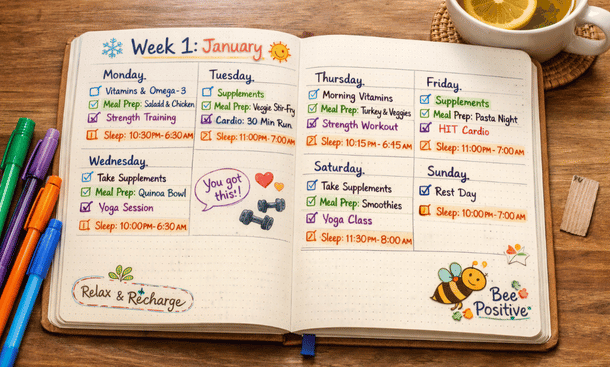
By the end of month one, you should have completed your preconception checkup, started taking prenatal vitamins and omega-3s daily, cleaned up your diet and reduced caffeine and alcohol, optimized your sleep environment, and established a consistent exercise routine.
Month two is about building consistency and addressing specifics. In week five, review your bloodwork results. If your vitamin D is low, you’ll need higher dose supplementation than what’s in your prenatal. Low iron or ferritin requires additional supplementation—choose ferrous bisglycinate to minimize digestive upset. Thyroid issues need to be addressed and optimized before conceiving. Elevated blood sugar or signs of insulin resistance might require dietary changes, medication, or both.
Weeks five and six focus on establishing a consistent sleep schedule. Pick a bedtime and wake time that allows for eight hours of sleep, then stick to it every day, including weekends. Create a wind-down routine that starts 30 to 60 minutes before bed. Do the same activities in the same order every night to train your body that sleep is coming. Put your phone in another room at least an hour before bed. If you struggle with racing thoughts, try a brain dump before bed—write down everything on your mind to let go of it for the night.
In weeks six and seven, add targeted supplements based on your individual needs. If you’re over 35, add CoQ10 for egg quality support, typically 200 to 600 milligrams daily of the ubiquinol form. If your prenatal doesn’t include adequate choline, add a separate supplement. If you have PCOS or insulin resistance, inositol supplements may help improve ovulation. If you have painful or heavy periods, consider adding magnesium glycinate.
Weeks seven and eight are for fine-tuning your nutrition. Make sure you’re getting enough protein—about 0.8 to 1 gram per pound of body weight daily. Increase your intake of antioxidant-rich foods like berries and dark leafy greens. Make sure you’re eating enough healthy fats from avocados, nuts, seeds, and fatty fish. Consider adding fertility-supporting foods like Brazil nuts for selenium, pumpkin seeds for zinc, and fermented foods for gut health. Track your food for a few days to make sure you’re eating enough and getting balanced nutrition.
Week eight is when you start tracking your cycle. At minimum, track the first day of your period and any physical symptoms throughout your cycle. Note cervical mucus changes, breast tenderness, mood shifts, energy levels, and ovulation symptoms. Consider using ovulation predictor strips to confirm ovulation timing. Basal body temperature tracking is another option if you want more detailed data. Three months of tracking gives you solid information on your cycle length, ovulation timing, and luteal phase length.
By the end of month two, you should have reviewed bloodwork and addressed any deficiencies, established a consistent sleep schedule and bedtime routine, added targeted supplements based on individual needs, fine-tuned your nutrition with focus on protein and healthy fats, started tracking your menstrual cycle, and maintained all habits from month one.
Month three is about final preparations and partner involvement. Week nine is when you get your partner fully engaged. His health affects fertility just as much as yours does. Have him schedule his own checkup and discuss plans to conceive with his doctor. Share what you’ve learned about preconception nutrition. Encourage him to start taking a men’s multivitamin or fertility supplement that includes zinc, selenium, vitamin C, vitamin E, and CoQ10, plus omega-3s. Work together on reducing alcohol, avoiding tobacco, and limiting environmental toxins. The exercise and sleep habits you’ve developed benefit him too.
Weeks nine and ten focus on reducing toxic exposures. Switch to natural cleaning products or make your own. Review your personal care products and look for options without parabens, phthalates, synthetic fragrances, and triclosan. Choose organic produce for the Environmental Working Group’s Dirty Dozen list of most heavily sprayed fruits and vegetables. Minimize plastic use, especially for food storage and water bottles. Never microwave food in plastic containers. Use glass, stainless steel, or ceramic instead.
In weeks ten and eleven, address stress and mental health. Consider starting therapy or counseling, especially if you have a history of anxiety, depression, or trauma. Build stress-reduction practices into your daily routine—meditation, deep breathing exercises, journaling, time in nature, creative hobbies. Set boundaries around fertility talk with family and friends. Join a supportive online community of women also trying to conceive. Practice self-compassion. Average time to conception for healthy couples under 35 is six to twelve months. If it doesn’t happen immediately, that doesn’t mean you failed.
Weeks eleven and twelve involve financial and practical planning. Have conversations with your partner about the financial aspects of pregnancy, childbirth, and parenting. Review your insurance coverage. Understand your maternity and paternity leave options. Build or bolster your emergency fund. Make any home improvements or major purchases you’ve been putting off. Update your wills and beneficiaries. Research childcare options and get on waitlists if necessary.
Week twelve is your final assessment. Review your cycle tracking from the past three months. You should have a clear picture of your cycle length, when you typically ovulate, and how long your luteal phase is. Make sure you’re still taking all supplements consistently. Confirm that your exercise routine feels sustainable. Your periods should be regular and your energy levels good. Your sleep schedule should be established. Whole foods should be your default diet. Now you can actually start trying to conceive with confidence.
By the end of month three, you should have gotten your partner fully engaged in preconception preparation, reduced toxic exposures in your home and personal care products, developed stress management practices and addressed mental health, completed financial and practical planning, reviewed three months of cycle tracking data, and maintained all healthy habits from months one and two.
Once you start trying, maintain all the habits you’ve built. Continue taking your prenatal vitamins and supplements, eating well, exercising moderately, and getting quality sleep. Have sex every two to three days throughout your cycle, or focus on the five days leading up to ovulation and ovulation day itself. Don’t test for pregnancy too early. Wait until at least the day your period is due. If you’re under 35 and haven’t conceived after 12 months, or if you’re over 35 and haven’t conceived after six months, consult a fertility specialist.
These three months of preparation aren’t just about getting pregnant. You’re building habits that’ll serve you through pregnancy, postpartum recovery, and parenting. The healthy eating patterns, consistent exercise, good sleep hygiene, and stress management skills you develop now will make everything that comes after easier.
For a detailed week-by-week breakdown with specific action items, printable checklists, and guidance on troubleshooting common obstacles, It gives you everything you need to stay on track and feel confident that you’re doing everything possible to prepare your body for pregnancy.
Preparing your body for pregnancy isn’t about being perfect. It’s about being intentional. Over these past several sections, we’ve covered a lot of ground—from the foods that support fertility to the supplements that fill nutritional gaps, from the sleep habits that balance your hormones to the exercise routines that strengthen your body, and finally to the three-month plan that ties it all together.
The beauty of this approach is that small, consistent changes add up to significant results. You don’t need to transform your entire life overnight. You just need to start where you are and take one step forward at a time. Maybe this week you focus on getting your prenatal vitamins. Next week you work on your sleep schedule. The week after that, you add more vegetables to your meals. Progress over perfection, every single time.
Your body is capable of something absolutely incredible. Growing a human being from scratch is basically magic when you think about it. But magic works better with preparation. The nutrients you’re building up now, the strength you’re developing, the sleep patterns you’re establishing—all of these create the foundation for a healthier pregnancy and a healthier baby.
Remember that this journey looks different for everyone. Some women conceive quickly. Others take longer. Some have to navigate fertility challenges that require medical intervention. None of that reflects on your worth or your ability to be a mother. What matters is that you’re doing everything within your control to give yourself and your future baby the best possible start.
The average time to conception for healthy couples under 35 is six to twelve months. That’s average, which means plenty of healthy, fertile couples take longer. Don’t panic if it doesn’t happen in the first month or two. Keep doing all the good things you’ve been doing. Stay consistent with your habits. Trust the process and trust your body.
If you’re over 35, give it six months before seeking help. If you’re under 35, give it a full year. But if you have known fertility issues, irregular cycles, or other concerns, don’t wait. Talk to a reproductive endocrinologist sooner rather than later. Earlier intervention leads to better outcomes, and there’s no prize for waiting it out if something needs medical attention.
Your partner is part of this journey too. The healthier he is, the better his sperm quality will be. The more involved he is in these lifestyle changes, the easier they are to maintain. You’re building a family together, and that starts now with the habits and choices you make as a team.

Don’t forget to take care of your mental health throughout this process. Trying to conceive can be stressful, even when everything’s going well. The two-week wait between ovulation and testing feels eternal. Every twinge makes you wonder if it’s a pregnancy symptom. Every negative test is disappointing. Build in stress relief, maintain your support systems, and give yourself grace when it gets hard.
The habits you’re building now will serve you far beyond conception. The nutrition patterns that support fertility are the same ones that support a healthy pregnancy. The exercise routine that strengthens your body for carrying a baby also prepares you for labor and postpartum recovery. The sleep habits that balance your hormones now will be crucial during pregnancy when sleep gets harder. You’re not just preparing for conception. You’re preparing for the entire journey of pregnancy, birth, and early parenthood.
Take pride in the work you’re doing. Preparing your body for pregnancy is an act of love—for your future child, yes, but also for yourself. You’re investing in your health, your strength, and your wellbeing. That matters regardless of the outcome.
If you found this guide helpful and want to dive deeper into any specific area, we’ve got you covered. Start with your complete three-month preconception wellness plan for a detailed week-by-week breakdown of exactly what to do and when to do it. It takes everything we’ve discussed here and gives you a clear roadmap with actionable steps, checklists, and timelines that make the process manageable instead of overwhelming.
You’ve got the knowledge. You’ve got the plan. Now you’ve got to put it into action. Start today with one small change. Tomorrow, add another. By next month, you’ll be amazed at how different you feel. By three months from now, your body will be primed and ready for pregnancy.
This is your journey. Own it. Enjoy it. And know that you’re doing everything right.

Pingback: Pre Pregnancy Diet: What to Eat Before Getting Pregnant – Felyro
Pingback: Vitamins to Take Before Getting Pregnant: Essential Guide – Felyro