
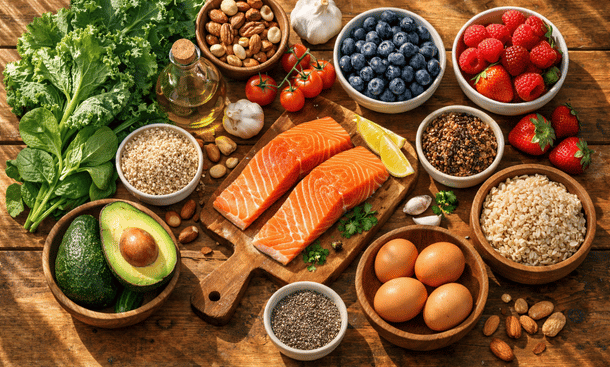
Getting your nutrition right before you conceive isn’t just about being healthy in general. It’s about creating the optimal environment in your body for a baby to grow. Think of it like this: you wouldn’t start building a house without making sure you’ve got quality materials, right? Same deal with your body.
The truth is, what you eat in the months leading up to conception affects everything from your hormone balance to your egg quality to how easily you’ll conceive. And honestly, making these changes now is way easier than trying to overhaul your entire diet once you’re already pregnant and dealing with morning sickness. This is a crucial piece of preparing your body for pregnancy the right way, and trust me, your future self will thank you for starting now.
Why Your Pre Pregnancy Diet Actually Matters
Your body needs time to build up nutrient stores before pregnancy. We’re talking about vitamins, minerals, and healthy fats that’ll support your baby’s development from day one. And here’s the kicker: by the time you realize you’re pregnant, your baby’s neural tube, the structure that eventually becomes the brain and spinal cord, is already forming. That’s why starting early matters so much.
Beyond just nutrients, your pre conception diet affects your fertility directly. Blood sugar imbalances, inflammation, and hormone disruptions can all make it harder to conceive. The right foods help regulate your menstrual cycle, improve egg quality, and create a uterine environment where a fertilized egg wants to stick around.
The Foundation: What to Eat Every Single Day
Let me break down the non-negotiables that should be showing up on your plate regularly.
Folate-Rich Foods
You’ve probably heard about folic acid, the synthetic form of folate, but getting it from whole foods is even better. Your body absorbs natural folate more efficiently, and it plays a massive role in preventing birth defects.
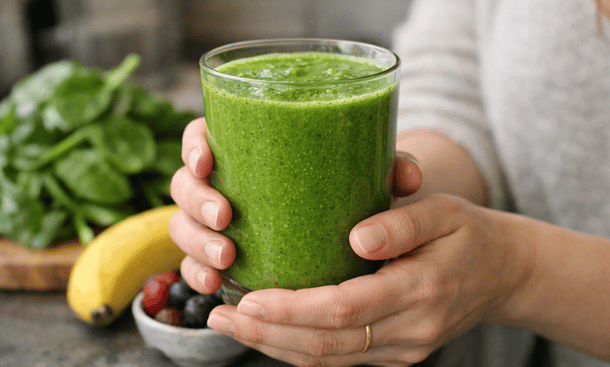
Load up on dark leafy greens like spinach and kale. Throw them in smoothies, sauté them with garlic, or just add a handful to whatever you’re already making. Lentils and beans are folate powerhouses too. Black beans, chickpeas, and pinto beans all count.
Asparagus, Brussels sprouts, and broccoli are your friends here. If you’re not a huge veggie person, start small. Even adding one serving a day makes a difference.
High-Quality Protein
Protein is essential for hormone production and egg quality. But the source matters just as much as the amount.
Wild-caught fish, especially salmon, sardines, and mackerel, give you protein plus omega-3 fatty acids. These healthy fats reduce inflammation and support reproductive health. Aim for two to three servings per week, but avoid high-mercury fish like swordfish and king mackerel.
Eggs are basically perfect pre pregnancy food. The yolks contain choline, a nutrient most people don’t get enough of that’s crucial for fetal brain development. Don’t skip the yolks thinking you’re being healthy—that’s where all the good stuff lives.
Grass-fed beef and organic chicken provide iron and B vitamins. If you’re plant-based, focus on legumes, quinoa, and hemp seeds for complete proteins.
Healthy Fats
Your body needs fat to make hormones. Period. The low-fat craze did women’s fertility no favors.
Avocados, nuts, seeds, and olive oil should be staples. These monounsaturated and polyunsaturated fats support ovulation and help your body absorb fat-soluble vitamins like A, D, E, and K.
Full-fat dairy, if you tolerate it well, provides conjugated linoleic acid and vitamin K2. Some research suggests full-fat dairy may actually improve fertility compared to low-fat versions. Greek yogurt and whole milk are solid choices.
Complex Carbohydrates
Carbs aren’t the enemy, but the type you choose matters. Your blood sugar balance directly affects your hormones, so opt for slow-burning carbs that won’t spike your insulin.
Sweet potatoes, quinoa, brown rice, and oats provide sustained energy and fiber. Fiber helps your body eliminate excess estrogen, which is important for hormone balance.
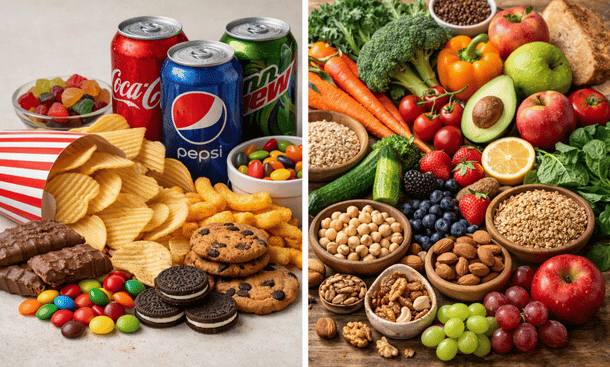
Skip the white bread, sugary cereals, and processed snacks. They cause blood sugar crashes that mess with your reproductive hormones.
Foods to Limit or Avoid Right Now
Let’s talk about what you should be cutting back on. I’m not saying you can never have these things again, but moderation is key when you’re trying to conceive.
Caffeine
This one’s controversial because moderate caffeine intake is probably fine, but high amounts may reduce fertility. Stick to one cup of coffee per day max, or switch to green tea which has less caffeine plus beneficial antioxidants.
Alcohol
Even moderate drinking can affect your menstrual cycle and hormone levels. If you’re actively trying to conceive, it’s worth skipping alcohol altogether. Once you’re pregnant, you’ll need to quit anyway, so now’s a good time to practice.
Processed Foods and Added Sugars
Packaged foods loaded with preservatives, artificial ingredients, and added sugars promote inflammation. They also mess with your gut bacteria, which plays a bigger role in fertility than most people realize.
Trans fats, found in many fried foods and baked goods, are particularly problematic for fertility. Check ingredient labels for partially hydrogenated oils and avoid them completely.
Building Your Daily Eating Pattern
Knowing what to eat is one thing. Actually doing it is another. Here’s how to make this realistic.
Start your day with protein and healthy fats. A veggie omelet with avocado or Greek yogurt with nuts and berries sets you up for stable blood sugar all morning. Skip the bagel and orange juice combo that’ll have you crashing by ten.
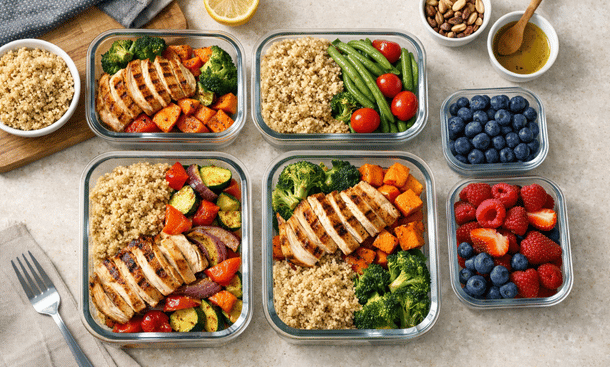
At lunch, think protein plus vegetables plus a quality carb. Grilled chicken salad with quinoa and olive oil dressing. Salmon with roasted sweet potato and broccoli. Keep it simple.
Dinner follows the same pattern. Fill half your plate with vegetables, a quarter with protein, and a quarter with complex carbs.
Snacks matter too. Keep things like hard-boiled eggs, raw vegetables with hummus, apple slices with almond butter, or a handful of nuts within reach. When you’re hungry and unprepared, that’s when you end up eating whatever’s convenient instead of what’s good for you.
Hydration Counts More Than You Think
Water doesn’t just prevent dehydration. It helps transport nutrients to your cells, supports cervical mucus production which is essential for conception, and helps flush out toxins.
Aim for at least eight glasses daily, more if you’re exercising or it’s hot out. If plain water bores you, add lemon, cucumber, or fresh herbs. Just skip the artificially flavored water enhancers loaded with chemicals.
What About Meal Timing
Some research suggests that eating most of your calories earlier in the day may support fertility, particularly if you have polycystic ovary syndrome or irregular cycles. A substantial breakfast, moderate lunch, and lighter dinner aligns with your body’s natural circadian rhythms.
That said, the quality of what you eat matters more than exactly when you eat it. Don’t stress about perfect timing if it doesn’t fit your lifestyle.
Making This Sustainable
Look, I get it. Overhauling your entire diet feels overwhelming, especially when you’re also thinking about all the other aspects of preconception health. Start with one meal or one food swap at a time.
Maybe this week you focus on adding more vegetables to dinner. Next week you work on eating a protein-rich breakfast. The following week you clean out the processed snacks and replace them with whole food options.
Small consistent changes beat perfection every time. You’re building habits that’ll serve you through pregnancy and beyond, so think long-term sustainability instead of short-term restriction.
Getting Your Partner Involved
Nutrition affects male fertility too. Sperm quality improves with better nutrition, so this isn’t just on you. Getting your partner to eat better alongside you makes the whole thing easier anyway. You’re not cooking two separate meals, and you’ve got built-in accountability.
Zinc, found in oysters, beef, and pumpkin seeds, supports testosterone production and sperm health. Antioxidants from colorful fruits and vegetables protect sperm from damage. The same principles of whole foods, quality protein, and healthy fats apply to him too.
The Bottom Line
Your pre pregnancy diet doesn’t need to be complicated or restrictive. Focus on whole foods, plenty of vegetables, quality protein sources, healthy fats, and complex carbohydrates. Limit the processed stuff, added sugars, and excessive caffeine.
These changes take time to show results, which is why starting now matters. Give your body three months minimum to build up nutrient stores and stabilize hormones before you conceive.
And remember, nutrition is just one piece of the puzzle. For a complete approach to preconception health, check out our guide on vitamins to take before getting pregnant to make sure you’re covering all your bases with the right supplements. You’ll also want to explore our comprehensive resource on preparing your body for pregnancy, which covers everything from sleep optimization to exercise routines that support fertility.
You’ve got this. Small steps forward, one meal at a time.
