
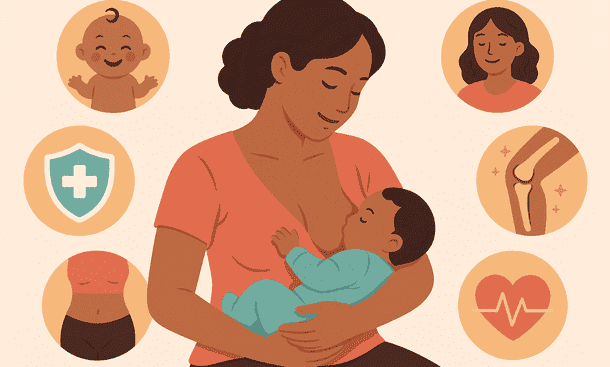
Breastfeeding is one of the first gifts a mother gives to her newborn. It nourishes, protects, and creates a unique bond that can shape the early weeks and months of life. Many new mothers feel both excited and uncertain in the first days after birth. Understanding the benefits for both baby and mother can give confidence and make every feeding moment feel purposeful. Beyond nutrition, breastfeeding offers emotional, practical, and long-term advantages that make it an essential part of early motherhood.
Why Breast Milk is Perfect for Newborns
Breast milk is more than just food. It is specially designed to meet the needs of a newborn. Colostrum, the first milk produced after birth, is rich in antibodies that protect against infection and support the immune system. Its easy-to-digest nutrients help babies gain weight steadily and maintain a healthy digestive system. Over time, breast milk continues to adapt to your baby’s changing needs, ensuring they get the right nutrients at every stage of growth.
Emotional Bonding Through Feeding
Feeding is an intimate and calming time for both mother and baby. Holding your child close helps regulate their temperature, heart rate, and breathing. Oxytocin, the hormone released during breastfeeding, encourages relaxation and strengthens emotional connection. Many mothers notice a sense of calm and reassurance during nursing. These quiet moments foster trust and security, which can have lasting effects on your baby’s emotional development.
Health Benefits for Mothers
Breastfeeding has significant advantages for mothers. It supports postpartum recovery by helping the uterus return to its pre-pregnancy size and reducing postpartum bleeding. Long-term, it is linked to lower risks of breast and ovarian cancer and can reduce the likelihood of type 2 diabetes. The routine also offers emotional benefits, as mothers gain confidence from seeing their babies thrive and grow steadily. These combined effects create a strong foundation for both physical and emotional health.
Practical Advantages and Flexibility
Breastfeeding is convenient and adapts to daily life. Milk is always available at the right temperature, making nighttime feeds easier. Your body responds naturally to your baby’s needs: during growth spurts, your milk supply increases; when your baby is ill, the milk provides extra immune support. This adaptability allows mothers to integrate breastfeeding smoothly into daily routines without the stress of preparing bottles or worrying about feeding schedules.
Long-Term Benefits for Babies
Beyond the early months, breastfeeding continues to offer advantages. Breastfed babies are less likely to develop allergies or asthma and may experience benefits in cognitive development. Even without scientific data, many mothers observe that their babies sleep more peacefully, maintain steady weight gain, and show alertness and curiosity. These small but important signs reinforce the positive impact of breastfeeding on long-term growth and development.
Overcoming Challenges
Breastfeeding is natural, but it is not always easy. Early challenges like sore nipples, latch difficulties, or engorgement are common. With patience, guidance, and support from partners, family, or lactation consultants, most issues improve. Observing your baby’s cues, such as signs of satisfaction and regular wet diapers, helps reassure mothers that everything is on track. With time, both mother and baby develop a rhythm that makes feeding more comfortable and enjoyable.
Breastfeeding provides lasting benefits for both mother and baby. Each feeding session strengthens emotional bonds, supports growth, and enhances health. Even when challenges arise, understanding the advantages and staying patient can make the journey rewarding. For guidance on the early steps of breastfeeding, you may find my article on how to start breastfeeding in the first hours after birth helpful for building a confident routine.

As a Felyro.com content author, I develop actionable content on breastfeeding, translating research-backed information into practical advice for mothers. My goal is to help families establish healthy feeding habits, improve maternal confidence, and support infant development.