
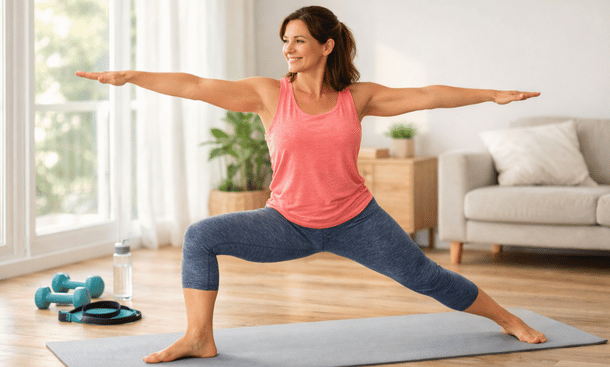
Here’s something you might not expect: the workout routine you follow now can actually impact your fertility and how smoothly your pregnancy goes later. But before you stress about it, lemme tell you—this isn’t about running marathons or doing crazy bootcamps. It’s about finding the right balance of movement that strengthens your body, regulates your hormones, and sets you up for success.
Exercise is a major pillar of preparing your body for pregnancy, but it’s gotta be done smart. Whether you’re already a gym regular or you’re just getting off the couch, I’ll help you figure out exactly what kinds of workouts will serve you best right now.
The goal isn’t to transform into a fitness influencer before you conceive. It’s to build strength, maintain a healthy weight, support your cardiovascular system, and keep your stress levels in check. All of these directly affect your fertility and your ability to have a comfortable pregnancy.
How Exercise Affects Your Fertility
Regular moderate exercise improves fertility in multiple ways. It helps regulate your menstrual cycle by balancing hormones like estrogen and progesterone. It improves insulin sensitivity, which is crucial if you have polycystic ovary syndrome or are at risk for gestational diabetes. Exercise also reduces inflammation throughout your body, including in your reproductive organs.
Physical activity helps you maintain a healthy body weight, and both being underweight and overweight can interfere with ovulation. Exercise reduces stress by lowering cortisol levels and releasing endorphins, those feel-good chemicals that improve your mood and help with sleep quality
But here’s the catch: too much intense exercise can actually harm fertility. Excessive training, especially combined with low body fat or inadequate calorie intake, can disrupt your menstrual cycle or stop ovulation altogether. Your body interprets extreme physical stress the same way it interprets any other stress—as a signal that now might not be a good time to get pregnant.
The sweet spot is moderate exercise most days of the week. Not so much that it stresses your body, but enough to keep you healthy and strong.
Finding Your Exercise Sweet Spot
The American College of Obstetricians and Gynecologists recommends 150 minutes of moderate-intensity aerobic activity per week for women planning pregnancy. That breaks down to about 30 minutes five days per week, or you can split it into smaller chunks throughout the day.
Moderate intensity means you’re breathing harder but can still hold a conversation. You’re working, but you’re not gasping for air or completely wiped out afterward. Think brisk walking, easy cycling, recreational swimming, or dancing.
If you’re already doing more intense exercise and your cycles are regular, you’re probably fine continuing what you’re doing. But if your periods are irregular or absent, or if you’re having trouble conceiving, consider scaling back the intensity or frequency.
Listen to your body. Exercise should make you feel energized overall, not constantly exhausted. If you’re dragging through workouts, struggling to recover, or noticing menstrual irregularities, you might be overdoing it.
Strength Training: Building Your Foundation
Strength training is one of the best things you can do before pregnancy. Building muscle now makes pregnancy easier to carry, literally. A stronger core supports your growing belly and reduces back pain. Stronger legs and glutes help you maintain balance as your center of gravity shifts. Strong arms prepare you for lifting and carrying a baby who’ll eventually weigh 20 pounds or more.
Strength training also improves insulin sensitivity and helps maintain healthy body composition. Muscle tissue burns more calories at rest than fat tissue, which helps with weight management.
What to Focus On
Target major muscle groups: legs, back, chest, shoulders, arms, and core. Compound exercises that work multiple muscle groups at once give you the most bang for your buck.
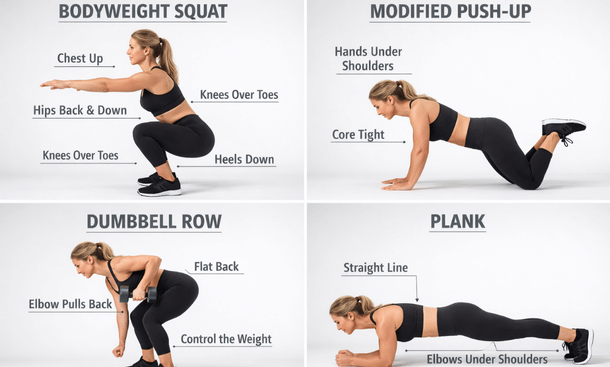
Squats strengthen your quads, hamstrings, glutes, and core. They also prepare your body for labor positions. Start with bodyweight squats and progress to adding dumbbells or a barbell as you get stronger.
Deadlifts work your entire posterior chain—hamstrings, glutes, back. They teach you proper hip hinge mechanics, which you’ll use constantly once you’re carrying a baby and all their gear.
Lunges build single-leg strength and balance, both critical during pregnancy when your center of gravity changes. Walking lunges, reverse lunges, and split squats all work.
Push-ups strengthen your chest, shoulders, triceps, and core. Modified push-ups from your knees are perfectly fine if you’re building up strength. Chest presses with dumbbells work similar muscles.
Rows strengthen your upper back and biceps. They counteract the forward shoulder roll that happens when you’re pregnant or nursing. Use dumbbells, resistance bands, or cables.
Planks and side planks build core stability without the spinal flexion of crunches. A strong core supports your entire body during pregnancy and helps with labor and postpartum recovery.
How Much and How Often
Aim for two to three strength training sessions per week on non-consecutive days. Your muscles need time to recover and rebuild between sessions.
Start with two sets of 10 to 15 reps for each exercise. As you get stronger, add a third set or increase the weight. The last few reps should feel challenging but not impossible.
If you’re new to strength training, consider working with a trainer for a few sessions to learn proper form. Poor form increases injury risk and reduces the effectiveness of your workouts.
Cardiovascular Exercise: Building Endurance
Cardio improves your heart and lung function, which is important during pregnancy when your blood volume increases significantly and your heart has to work harder. Good cardiovascular fitness makes labor easier since it’s basically an endurance event.
Cardio also helps regulate your menstrual cycle, reduces stress, and supports healthy weight management.
Best Cardio Options
Walking is underrated but incredibly effective. It’s low-impact, easy to fit into your day, and something you can continue throughout pregnancy. Aim for a brisk pace where you’re breathing harder but can still talk.
Swimming and water aerobics are excellent low-impact options. The buoyancy of water reduces stress on your joints while still providing resistance. Swimming works your entire body and is especially great if you have joint issues or are overweight.
Cycling, whether outdoor or stationary, provides good cardio without the impact of running. It’s easier on your knees and ankles than many other cardio options.
Dancing, whether it’s Zumba classes, dance cardio videos, or just moving to music in your living room, counts as cardio and is way more fun than slogging away on a treadmill.
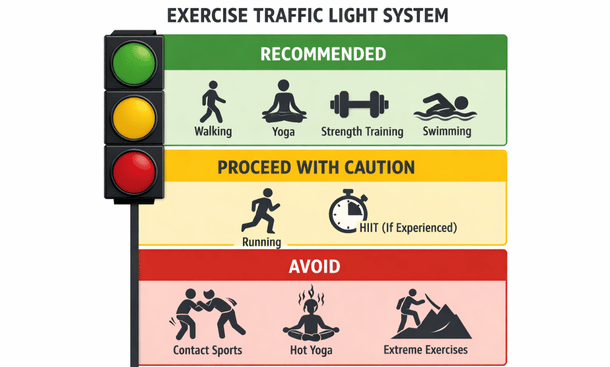
Running can be fine if you’re already a runner and your cycles are regular. But if you’re new to running or having fertility issues, stick to lower-impact options. Running is high-impact and can be stressful on your body, especially if you’re doing long distances or intense speed work.
How Much Cardio
Shoot for 150 minutes per week of moderate-intensity cardio. That could be 30 minutes five days per week, three 50-minute sessions, or whatever split works for your schedule.
You can mix and match different activities. Walk three days, swim once, take a dance class once. Variety keeps things interesting and works your body in different ways.
If you’re doing higher-intensity cardio like running or HIIT workouts, you need less total time but pay closer attention to how your body responds. Make sure you’re eating enough to fuel your activity and that your menstrual cycles stay regular.
Flexibility and Mobility Work
Stretching and mobility exercises often get overlooked, but they’re important for maintaining range of motion and preventing injury. As your belly grows during pregnancy, your posture changes and certain muscles get tight while others weaken. Having good flexibility and body awareness going in helps you adapt.
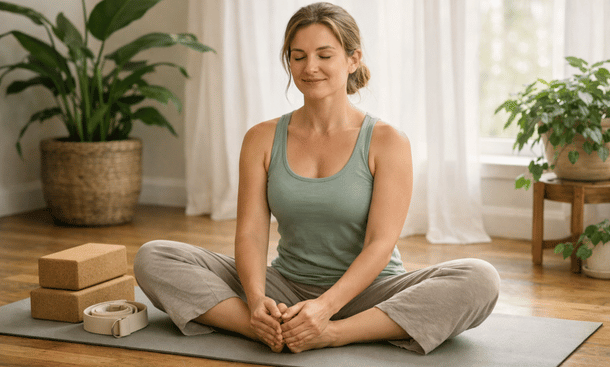
Yoga is perfect for this. It combines flexibility, strength, balance, and breathwork. The breathing techniques you learn in yoga can even help during labor.
Pilates focuses on core strength, alignment, and controlled movement. It’s excellent for building the deep stabilizing muscles that support your spine and pelvis.
Simple daily stretching, even just 10 to 15 minutes focusing on hips, hamstrings, chest, and shoulders, makes a difference. Foam rolling can help with muscle tightness too.
Pelvic Floor Exercises: The Foundation You Can’t See
Your pelvic floor muscles support your bladder, uterus, and bowels. They’ll be under significant stress during pregnancy and childbirth, so strengthening them now prevents problems later like incontinence and pelvic organ prolapse.
Kegel exercises involve contracting and releasing your pelvic floor muscles. To find them, imagine stopping the flow of urine midstream—those are the muscles you’re targeting. But don’t actually do Kegels while urinating, as that can cause problems.
Contract your pelvic floor muscles for three to five seconds, then relax for the same amount. Work up to 10-second holds. Do three sets of 10 reps daily. You can do these anywhere—sitting at your desk, standing in line, lying in bed.
But here’s what many people don’t know: some women have overly tight pelvic floor muscles that need to relax and lengthen rather than strengthen further. If you have pelvic pain, pain during sex, or trouble fully emptying your bladder or bowels, see a pelvic floor physical therapist before doing Kegels. Strengthening already-tight muscles makes problems worse.
Deep squats, butterfly stretches, and happy baby pose help lengthen and relax your pelvic floor, which is just as important as strength.
Core Work That’s Actually Safe
You’ve probably heard that crunches and sit-ups aren’t recommended during pregnancy. While you’re not pregnant yet, it’s worth focusing on core exercises that’ll serve you better in the long run.
Planks, side planks, bird dogs, and dead bugs build core stability without excessive spinal flexion. These teach your core to resist movement and support your spine, which is what you actually need during pregnancy when your abs are stretched and your back is under stress.
Standing exercises that require core stability, like single-leg deadlifts or overhead presses, are functional core work too. Your core has to engage to keep you balanced and stable.
Breathing exercises might not seem like core work, but learning to properly engage your deep core muscles through breath is foundational. Practice diaphragmatic breathing where your belly expands on the inhale and contracts on the exhale. This coordination between breathing and core engagement helps during labor.
Exercise to Avoid or Modify
Once you’re actively trying to conceive, certain exercises carry higher risks that you might want to avoid.
Contact sports or activities with high fall risk, like skiing, horseback riding, or rock climbing, could cause injury that affects fertility or early pregnancy before you know you’re pregnant.
Very high-intensity interval training, especially if you’re not used to it, can stress your body excessively. If you love HIIT, just monitor your cycles to make sure they stay regular.
Hot yoga or exercise in extreme heat can raise your core body temperature too high, which could theoretically affect early pregnancy. Stick to room-temperature yoga once you’re trying to conceive.
Heavy abdominal work, especially exercises that create a doming or bulging in your belly, can contribute to diastasis recti, the separation of abdominal muscles that commonly happens during pregnancy. Focus on core stability work instead.
Creating Your Weekly Workout Schedule
Here’s what a balanced week might look like. Adjust based on your current fitness level and schedule.
Monday: 30 minutes strength training focusing on lower body, plus 10 minutes of stretching.
Tuesday: 30 to 40 minutes moderate cardio like brisk walking or swimming.
Wednesday: 30 minutes strength training focusing on upper body and core, plus 10 minutes stretching.
Thursday: Rest day or gentle yoga for 20 to 30 minutes.
Friday: 30 to 40 minutes moderate cardio, different from Tuesday.
Saturday: 30 minutes full-body strength training or a longer yoga session.
Sunday: Active recovery like an easy walk or complete rest.
This gives you three strength sessions, two to three cardio sessions, regular flexibility work, and adequate rest. It totals about 150 to 180 minutes of exercise per week, which is right in the sweet spot.
If this feels like too much, start smaller. Three 30-minute sessions per week is way better than nothing. You can always build up as your fitness improves.
Fueling Your Workouts Properly
Exercise increases your calorie and nutrient needs. If you’re not eating enough to support your activity level, your body will prioritize survival functions over reproduction. This is how excessive exercise without adequate fueling leads to fertility problems.
Make sure you’re eating enough protein to support muscle recovery and growth. Carbohydrates fuel your workouts and replenish glycogen stores. Don’t skip healthy fats, which are essential for hormone production.
Eat a small snack with protein and carbs within an hour after strength training sessions. This could be Greek yogurt with fruit, a protein smoothie, or whole grain toast with nut butter. Proper post-workout nutrition helps your muscles recover and adapt.
Stay hydrated before, during, and after exercise. Dehydration affects performance and recovery.
Adjusting Exercise During Your Cycle
Some women find that their energy levels and exercise capacity change throughout their menstrual cycle. You might feel stronger and more energetic during the follicular phase, the first half of your cycle before ovulation, and more fatigued during the luteal phase after ovulation.
It’s fine to adjust your workout intensity based on how you feel. Push harder when you feel great. Scale back when you’re dragging. This intuitive approach respects your body’s natural rhythms.
During your period, if you have cramps or heavy bleeding, gentle movement like walking or restorative yoga often feels better than intense workouts. Light exercise can actually help with cramps by increasing blood flow.
When to Talk to Your Doctor
If you have any chronic health conditions, haven’t exercised regularly in a while, or are significantly overweight, talk to your doctor before starting a new exercise program.
If you notice your periods becoming irregular or stopping after starting or intensifying an exercise routine, scale back and consult your doctor. This is a sign you’re doing too much.
If you experience unusual pain, dizziness, or shortness of breath during exercise, stop and get checked out.
Your Partner’s Exercise Matters Too
Regular exercise improves sperm quality, testosterone levels, and overall fertility in men. Encourage your partner to build healthy exercise habits too.
He should follow similar guidelines: moderate exercise most days, strength training a couple times per week, adequate rest and nutrition. Excessive heat exposure, like from hot tubs or very hot baths right after intense workouts, can temporarily affect sperm production, so he should avoid that.
The Bottom Line
Exercise before pregnancy isn’t about achieving some perfect physique. It’s about building a strong, capable body that can handle pregnancy, labor, and the physical demands of caring for a baby.
Focus on consistent moderate exercise—a mix of strength training, cardio, and flexibility work. Listen to your body and adjust intensity based on how you feel and whether your cycles stay regular. Fuel your workouts properly with adequate nutrition from whole foods.
The habits you build now will serve you through pregnancy and beyond. Getting in shape before conceiving is way easier than trying to do it while pregnant or postpartum when you’re exhausted and your body’s recovering.
Exercise is just one element of preparing for pregnancy. Also, be sure to check your pre-pregnancy checklist. For a comprehensive plan that ties everything together, see our complete guide on preparing your body for pregnancy, which includes a full three-month plan covering nutrition, supplements, sleep, and fitness.
Your body’s about to do something amazing. Get it strong and ready now.
