

A portable breast pump sounds great in theory. Small. easy to carry. ready whenever you need it. But once you are actually out in the world with a baby, the features that matter become a lot more specific. You are not just looking for something portable. You want something that is easy to use, easy to clean, comfortable enough to reach for, and quiet enough that it does not make an already stressful moment feel worse.
That is why a lot of moms end up liking manual pumps for on-the-go use. They are light, simple, and do not depend on batteries, charging, or outlets. Still, not every portable pump setup works equally well. The right features can make pumping while traveling, working, or running errands feel far more manageable. If you want the full picture on how hand-operated pumping fits into daily feeding life, this complete manual breast pump guide helps connect all the pieces.
table of contents
- what makes a breast pump truly portable
- why portability matters in real life
- the most useful portable breast pump features
- comfort features that should not be ignored
- cleaning and storage features that save time
- travel and work features worth paying attention to
- when a manual pump is the best portable option
- common mistakes when choosing a portable pump
- how to build a grab-and-go pumping setup
- conclusion
what makes a breast pump truly portable
Portability is not only about size. A pump can be technically small and still be annoying to carry, awkward to clean, or too complicated to use in real life. A truly portable pump is one that fits smoothly into your routine.
That usually means it is:
- lightweight
- simple to assemble
- easy to clean
- quiet to use
- comfortable enough for quick sessions
- practical to pack with milk storage supplies
This is where a manual pump often stands out. It usually takes up less room, has fewer parts, and works anywhere without electricity. That kind of flexibility matters when your day does not go exactly to plan.
why portability matters in real life
A portable pump matters because motherhood rarely happens in one spot. You may be in the car, at work, in a family bathroom, at a friend’s apartment, or out longer than expected. A pump that works beautifully only at your kitchen table may not be the one you actually need most.
Portability can lower stress in a few real ways:
- you can pack it without overthinking
- you can pump quietly when plans shift
- you can relieve fullness before it gets painful
- you can replace a missed feed more easily
- you can keep feeding goals going even when life gets chaotic
That does not mean every mom needs a travel-ready setup all the time. But when you do need it, the right pump feels like support. The wrong one feels like clutter.
the most useful portable breast pump features
Some features sound good in marketing copy but do not matter much once the baby is here. Others quietly make a huge difference.
lightweight design
A portable pump should not feel like one more heavy thing in your bag. The lighter it is, the easier it becomes to carry regularly.
small footprint
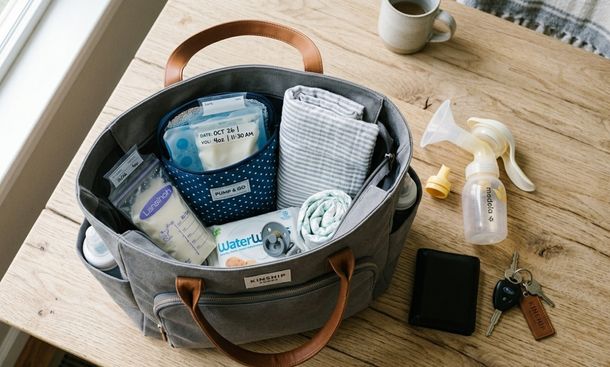
A compact shape helps the pump fit into a diaper bag, tote, or work bag without taking over all the space.
easy assembly
If the parts are confusing or fussy, you may avoid using it when you are tired or in a hurry. A straightforward setup matters more than people think.
quiet operation
This is a big one. A quieter pump gives you more privacy and less self-consciousness, especially in shared spaces.
direct suction control
With a manual pump, this usually means you can adjust speed and pressure with your hand. That direct control can be really helpful when comfort and flexibility matter.
few parts to wash
The fewer pieces involved, the easier your life gets after the session is over.
comfort features that should not be ignored
A pump can be super portable and still not be worth using if it feels uncomfortable. Comfort matters because a pump that hurts or feels awkward often ends up sitting unused.
A few comfort-related features worth paying attention to:
flange fit options
A pump that allows a better flange fit can make pumping feel much easier and more effective.
ergonomic handle or grip
With manual pumps, the handle design matters more than you might expect. If it feels stiff or awkward in your hand, longer sessions can get tiring fast.
smooth rhythm control
A manual pump that lets you create a gentler rhythm can be more comfortable than one that feels jerky or too resistant.
bottle stability
A stable collection bottle may sound minor, but it helps when you are pumping somewhere less convenient than home.
Comfort is practical, not extra. If the pump is not comfortable enough to use regularly, portability does not help much.
cleaning and storage features that save time
Once you start using a pump regularly, cleanup becomes part of the decision. Portable use gets easier when the pump is simple to wash and store.
Helpful features include:
- minimal parts
- parts that come apart easily
- simple valves or membranes
- bottles that are easy to pour from or cap
- compatibility with milk storage containers
Manual pumps often win here because there is just less going on. Less tubing. less bulk. less time spent figuring out what needs drying where.
This is especially helpful if you are pumping outside the house and need to clean or pack up quickly afterward.
travel and work features worth paying attention to
If you expect to pump while traveling or during work hours, portability becomes even more specific. It is not just about carrying the pump. It is about whether the whole routine is manageable away from home.
A few features stand out:
no power requirement
A pump that works without batteries or outlets gives you more freedom and fewer things to remember.
discreet size
A smaller pump is easier to use and store without drawing much attention.
leak-resistant design
Anything that helps prevent spills is a win when you are pumping away from your usual setup.
easy packing
A shape that fits neatly into a bag without snagging or crushing other items makes daily life easier.
quick readiness
If it takes too long to assemble, pumping during a short break can become frustrating.
For a lot of working moms or moms constantly on the move, a manual pump becomes the backup that saves the day even if an electric pump is the main setup at home.
when a manual pump is the best portable option
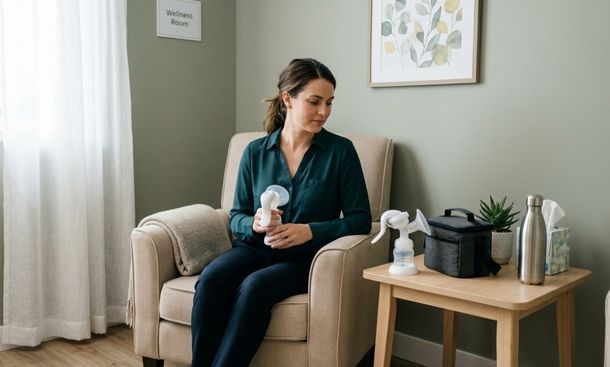
A manual pump is often the best portable option when your goal is occasional pumping with minimal hassle. It is especially helpful if you want something you can keep in your bag at all times without thinking about battery life, charging, or bulky accessories.
It may be the best fit if:
- you pump once in a while rather than all day
- you want a quiet backup at work or while traveling
- you need a lower-cost second pump
- you want a quick option for fullness or a missed feed
- you like being in control of the rhythm and pressure
That does not mean it is always the best choice for everyone. If you pump frequently and need faster sessions, an electric pump may still be more efficient overall. But for true grab-and-go convenience, manual pumps are hard to beat.
common mistakes when choosing a portable pump
A lot of moms focus on one feature and forget the whole experience. A tiny pump is not always the best portable pump if it is uncomfortable. A cheap one is not a bargain if you avoid using it. A sleek one is not helpful if cleanup is annoying.
Common mistakes include:
- choosing based only on size
- ignoring flange fit
- underestimating how much cleaning matters
- buying a complicated setup for occasional use
- assuming more features always means better portability
Usually, the best portable setup is the one that feels simple enough to use in real life, not just impressive in theory.
how to build a grab-and-go pumping setup
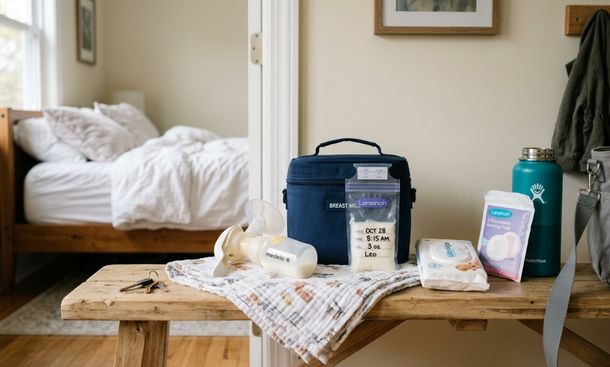
A good portable pumping routine is not just the pump. It is the full little system that supports you when you are away from home.
A simple setup may include:
- your manual breast pump
- a clean bottle or milk collection container
- a small cooler pouch if needed
- a burp cloth or clean towel
- storage bags or sealing lids
- hand wipes or access to washing supplies
- a water bottle for you
Once you have a kit ready, it gets easier to leave the house without that low-key panic of wondering whether you forgot something important.
The best portable breast pump features are the ones that make pumping feel easier in real life: low weight, simple cleanup, quiet use, solid comfort, and a setup you can carry without turning it into a whole production. For many moms, that is exactly why a manual pump becomes such a useful everyday backup or travel companion. If you want to go back to the foundation, these breast pump basics round out the picture well

As a Felyro.com content author, I develop actionable content on breastfeeding, translating research-backed information into practical advice for mothers. My goal is to help families establish healthy feeding habits, improve maternal confidence, and support infant development.