
Introduction
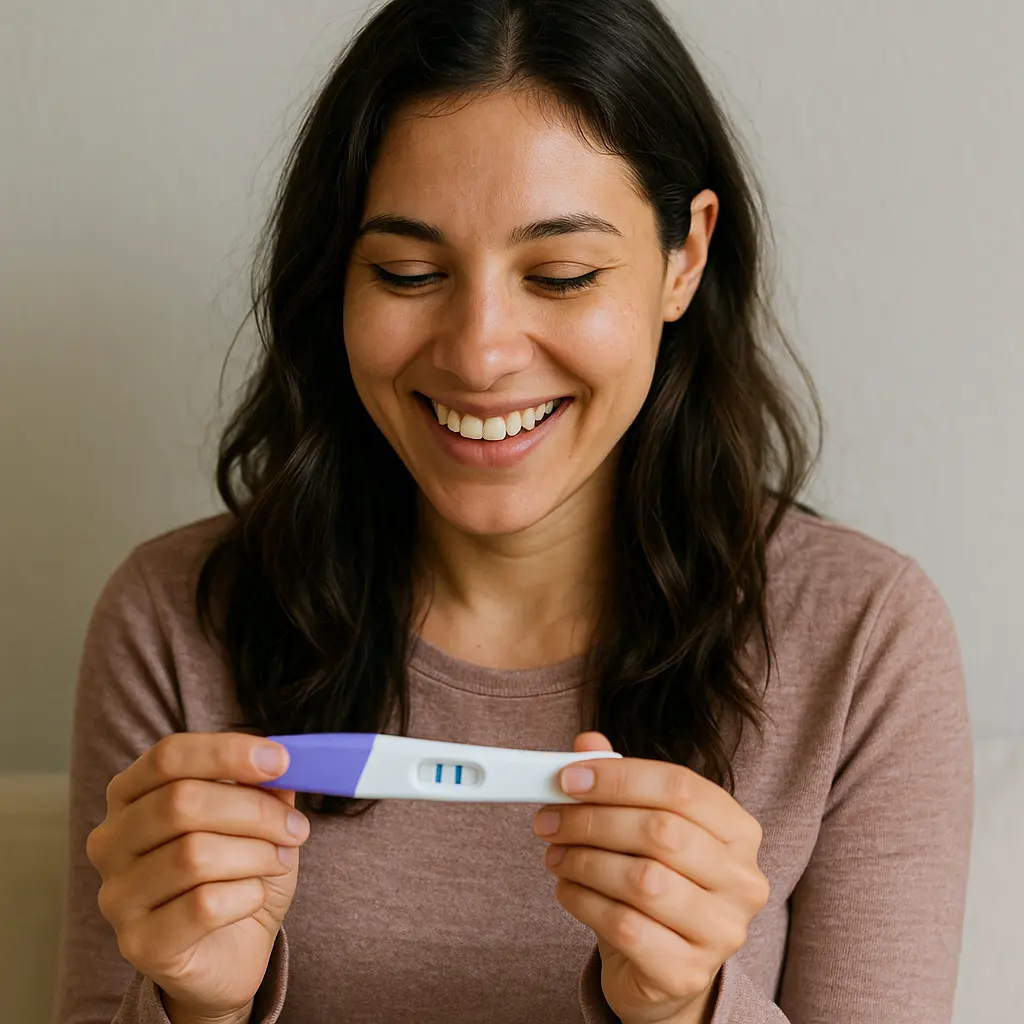
Discovering whether you are pregnant can be one of the most emotional and life-changing moments in a woman’s life. With many at-home test options available, the CVS pregnancy test has become a popular choice due to its accessibility, affordability, and reliability. But how accurate is it? When should you take it? And how do you read the results correctly?
In this guide, we’ll walk you through everything you need to know about the CVS pregnancy test from how it works, when to use it, and comon mistakes to avoid so you can feel confident during this important first step of your pregnancy journey
What is a CVS pregnancy test?
The CVS pregnancy test is an over-the-counter home test designed to detect human chorionic gonadotropin (hCG), a hormone produced after implantation of a fertilized egg. Like most urine-based tests, it can be purchased at CVS Pharmacy stores or online, and it provides results in just a few minutes.
How does the CVS pregnancy test work?
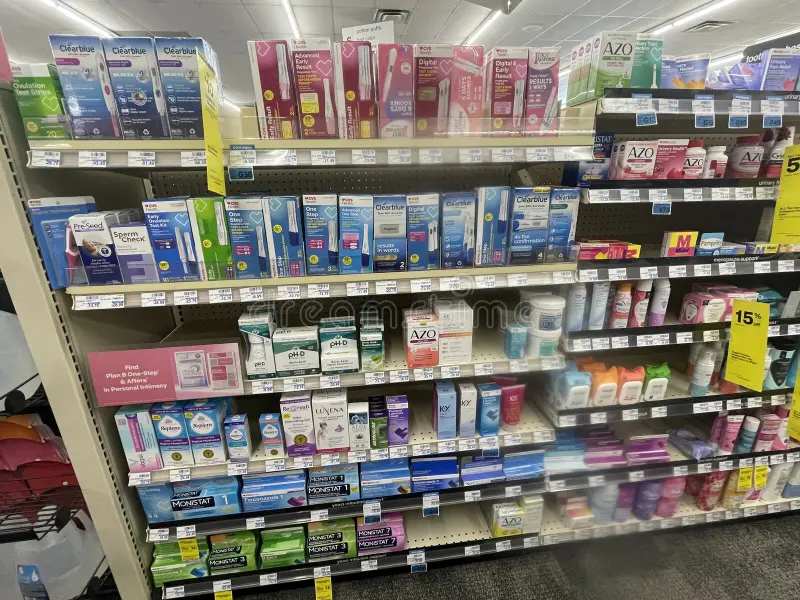
The test strip inside the CVS pregnancy test is coated with antibodies that react to the hCG hormone.
-
If hCG is detected → the test shows a positive result (usually one or two lines depending on the versio
-
If no hCG is detected → the test shows a negative result.
Some CVS pregnancy tests also offer digital screens that display words such as “Pregnant” or “Not Pregnant” for easier interpretation.
When should you take a CVS pregnancy test?
Timing is crucial for accurate results.
-
Earliest time to test: As soon as the first day of your missed period
-
Most accurate time: 5–7 days after a missed period, when hCG levels are higher.
-
Morning urine testing: Recommended, since it has the highest concentration of hCG.
Taking the CVS pregnancy test too early may result in a false negative.
Accuracy of CVS pregnancy test
According to most studies and product claims:
-
99% accurate when used on or after the day of your missed period.
-
Accuracy drops if taken too early.
-
Medications containing hCG (like fertility treatmentscan cause false positives.
Step by Step guide to using a CVS pregnancy test
-
Read the instructions carefully.
-
Collect urine in a clean, dry container OR hold the stick directly under your urine stream.
-
Wait for the recommended time (usually 2–5 minutes).
-
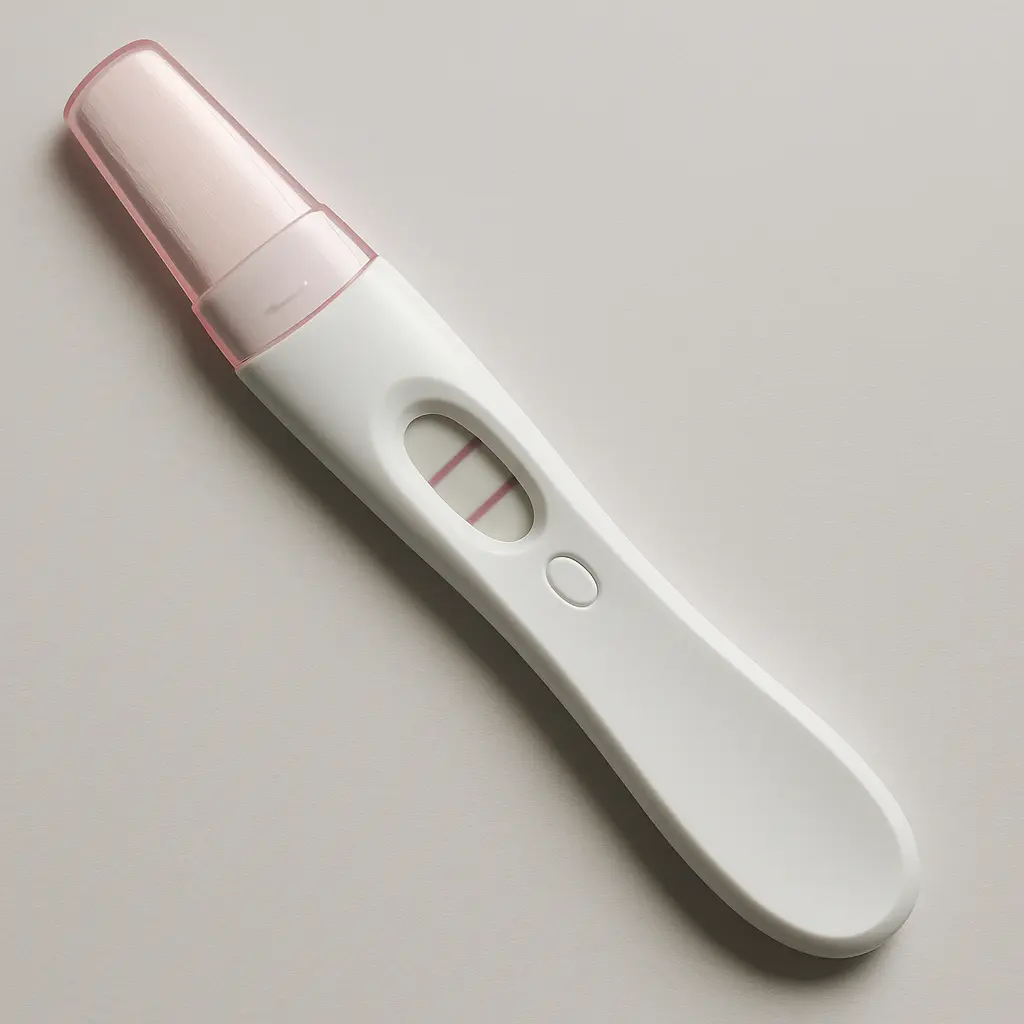
Check the display or lines.
-
One line → Negative
-
Two lines → Positive.
-
No line → Invalid test (repeat with a new kit).
-
Understanding positive vs. negative CVS pregnancy test results
-
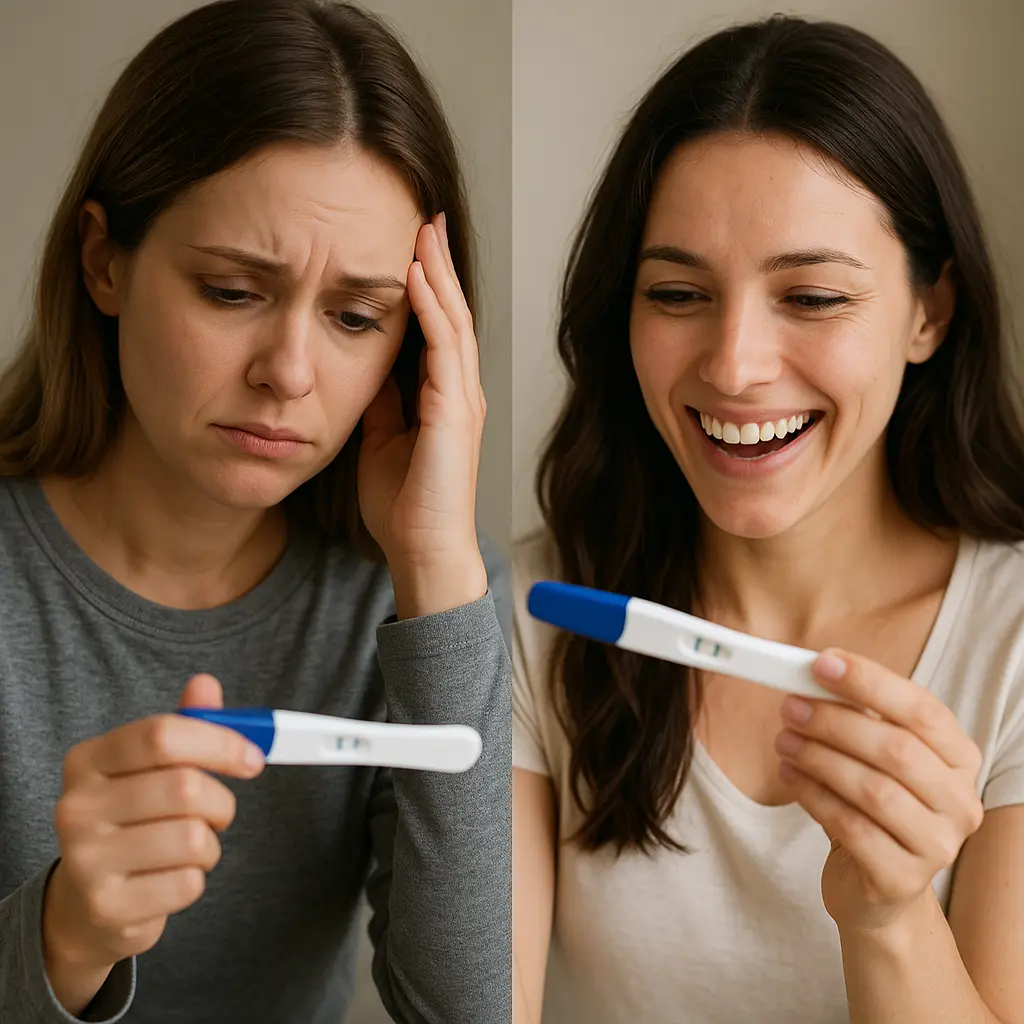
Positive CVS pregnancy test: Congratulations!It’s likely you are pregnant. Schedule your first prenatal appointment with a healthcare provider to confirm
-
Negative CVS pregnancy test: If your period doesn’t arrive within a week, retake the test. Hormone levels may have been too low to detect earlier.
-
Faint line: Still considered positive — hCG is present.
Common mistakes to avoid
-
Testing too early
-
Drinking excessive fluids before testing (dilutes urin
-
Not following instructions.
-
Reading results outside the time window (can cause evaporation lines).
Digital CVS pregnancy test vs. regular line test
-
Digital version: Easier to interpret, displays “Pregnant/Not Pregnant.
-
Line version: Cheaper but requires careful interpretation.
Both types are equally accurate if used correctly.
CVS pregnancy test vs. other brands
-
First Response → Detects lower levels of hCG, may give earlier results.
-
Clearblue → Offers digital versions with “Weeks Indicator.”
-
CVS pregnancy test → Affordable, widely available, and reliable after a missed period.
Emotional impact of taking a CVS pregnancy test
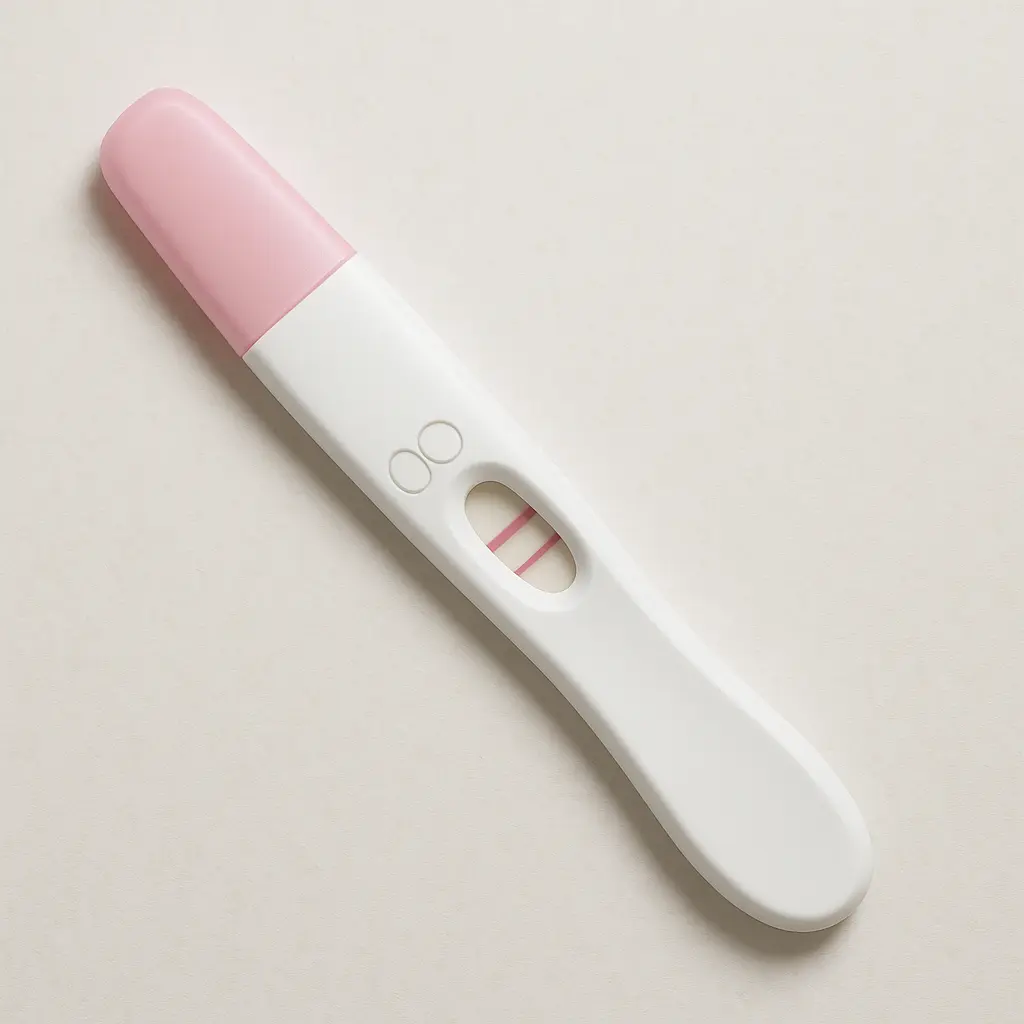
Waiting for results can be stressful. Whether you’re hoping for a positive or fearing the unknown, it’s important to prepare emotionally. Take the test in a calm environment, and consider sharing the moment with a trusted partner or friend.
What to do after a positive CVS pregnancy test
-
Schedule a prenatal visit with your doctor
-
Start or continue taking prenatal vitamins.
-
Avoid alcohol, smoking, and harmful substances.
-
Begin planning your pregnancy journey with a checklist.
What to do after a negative CVS pregnancy test
-
If your period doesn’t arrive in 5–7 days, retes
-
Track your cycle using an app or calendar.
-
If cycles are irregular, consult a healthcare provider.
Frequently asked questions about CVS pregnancy test
Q1: Can a CVS pregnancy test detect pregnancy before a missed period?
→ Sometimes, but results are less reliable. It’s best to wait until your period is late.
Q2: Are CVS pregnancy tests as accurate as expensive brands?
→ Yes, when used correctly. The difference is mostly in sensitivity and branding.
Q3: What if I see a faint line?
→ Any visible line usually means a positive result. Retest after 48 hours for confirmation.
Q4: Can medications affect results?
→ Yes, fertility drugs containing hCG may cause false positives.
Conclusion
The CVS pregnancy test offers a reliable, affordable, and widely accessible way to confirm pregnancy from the comfort of home. While testing too early can lead to inaccurate results, followng the instructions and testing after your missed period ensures you get dependable answers. If you’re ready to move forward after a positive result, check out our in-depth guide on pregnancy prenatal care to learn how to support both your health and your baby’s growth during the months ahead.
