
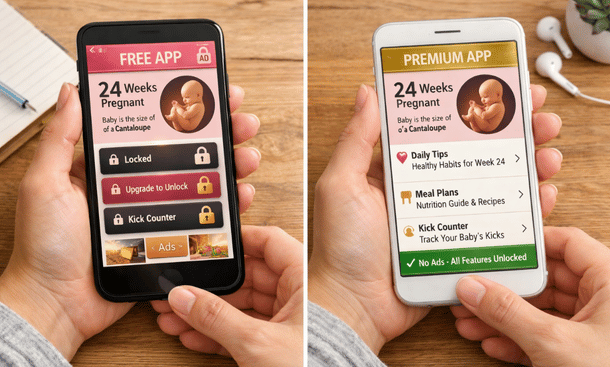
Real talk, mamas—I get asked this question constantly: should I shell out twenty bucks for the premium version or stick with free? Here’s the thing: some free apps deliver everything you need, while others lock their best features behind paywalls that’ll make you wince. After analyzing pricing tiers across every major platform included in our detailed rankings of pregnancy tracking applications, I’m breaking down exactly where your money goes, which upgrades genuinely improve your experience, and when free versions totally do the job without guilt.
But here’s where it gets complicated. Some free apps genuinely deliver everything you need for nine months without making you feel like a second-class user. Others? They’re basically demo versions that tease you with locked features until you cave and upgrade. Then you’ve got premium apps that charge upfront but justify every penny, and subscription models that… well, let’s just say the math doesn’t always math.
I’ve tested both sides extensively across three pregnancies and helped probably fifty friends navigate these decisions. Sometimes free is absolutely the move. Sometimes paying up saves you from app-hopping frustration and actually improves your pregnancy experience. The trick is knowing which category your needs fall into before you download anything or enter your credit card info.
What You Actually Get for Free (And What Gets Locked Away)
The Free Version Reality Check
Most pregnancy apps follow the freemium model, which means you get basic functionality at no cost but hit paywalls pretty quick when you want anything beyond bare-bones tracking. Typically, free versions include week-by-week development updates, basic symptom logging, and maybe a simple contraction timer. Some throw in community forum access because that costs them nothing and keeps you engaged with the platform.
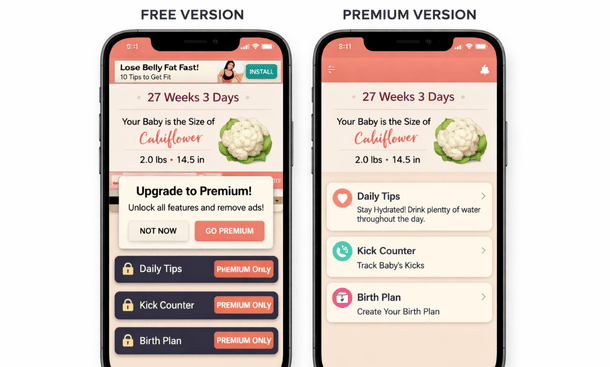
Where they get you is the good stuff. Detailed medical articles? Premium. Personalized insights based on your tracking data? Premium. Ad-free experience? Premium. Unlimited symptom entries or the ability to track multiple pregnancies? You guessed it, premium.
The ads in free versions deserve their own conversation because they range from mildly annoying banner ads to full-screen interruptions that pop up at the worst possible times. Picture this: you’re timing contractions during early labor and boom, thirty-second ad for baby formula you can’t skip. Not exactly the zen birth experience you were hoping for.
Premium Features That Might Actually Matter
Let’s break down what you’re typically buying when you upgrade, and whether each feature justifies the cost.
Unlimited tracking and data export sounds boring until you realize the free version caps your symptom entries at like ten per week. If you’re dealing with gestational diabetes and need to log every blood sugar reading, every meal, every medication dose, you’ll hit that limit by Tuesday. Premium versions usually remove all caps and let you export everything to share with your healthcare provider or keep for your records.
Personalized insights and AI analysis is where apps try to earn that premium price tag. They take your tracking data and supposedly identify patterns or flag concerns. In my experience this ranges from genuinely helpful to completely useless depending on the app. The best ones noticed when my headaches spiked and suggested I mention it to my doctor, which led to a blood pressure issue getting caught early. The worst ones told me groundbreaking insights like “you seem tired in your third trimester”—no kidding, I’m growing an entire human.
Partner and family sharing is premium in most apps even though it’s basically just giving someone else login access. If your partner actually wants involvement beyond “how are you feeling?” this feature lets them see updates, track appointments, and feel connected to the pregnancy journey. Whether that’s worth fifteen bucks depends entirely on your relationship dynamic.
Extensive article libraries and expert content sound valuable but here’s my honest take: most of this information exists free online if you know where to look. Premium apps just organize it better and filter out the garbage sources. If you’re the type who’ll actually read in-app articles instead of falling down Google rabbit holes at 3 AM, maybe this justifies the cost.
Breaking Down the Actual Costs
One-Time Purchases vs Ongoing Subscriptions
This is where pricing models get messy and you need to actually do math instead of impulse-clicking the upgrade button.
One-time premium unlocks typically run anywhere from eight to thirty dollars. You pay once, you own it forever, done. Apps like Ovia and Pregnancy+ offer this model and honestly it’s the cleanest transaction. You know exactly what you’re spending and there’s no surprise charges nine months later when you forgot you were still subscribed.
Monthly subscriptions usually range from three to ten bucks per month. Sounds reasonable until you multiply by nine months of pregnancy plus however long you’ll use it postpartum. That “only $4.99 monthly” turns into forty-five dollars minimum, probably more like sixty if you’re using it for a full year. Some apps are legitimately worth this because they keep adding features and updating content, but plenty are just milking you for passive income.
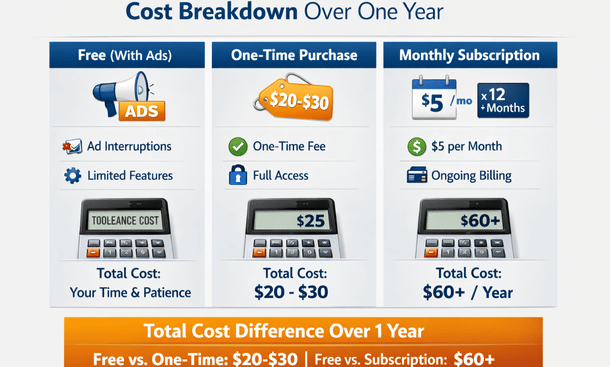
Annual subscriptions offer the worst and best value simultaneously. Worst because you’re committing serious money upfront—usually thirty to sixty dollars. Best because if you actually use the app for multiple pregnancies or the full year including postpartum tracking, the per-month cost drops significantly. Just make sure you’ll actually use it that long before dropping fifty bucks on an annual plan.
Hidden Costs Nobody Warns You About
Some apps pull sneaky moves that inflate costs beyond the advertised price. Watch for:
Trial periods that auto-convert to paid subscriptions if you don’t cancel. They offer seven days free, collect your credit card info, then start charging unless you specifically cancel before the trial ends. Set a reminder immediately if you’re trying a trial because they’re counting on you forgetting.
Tiered premium levels where basic premium unlocks some features but “Premium Plus” or “Premium Gold” or whatever marketing name they invented unlocks everything else. You think you’re getting the full experience, then discover half the good features are in an even higher tier.
Per-pregnancy licensing on some apps means your purchase only covers one pregnancy. Want to use it again for baby number two? That’s another purchase. This is less common now but still exists on certain platforms.
When Free Is Honestly Enough
Let’s be real—not everyone needs premium features and that’s totally fine. Free versions work great if:
You’ve got an uncomplicated, low-risk pregnancy without special monitoring needs. If you’re just tracking basic stuff and want weekly development updates, free apps handle this perfectly fine. The core information doesn’t change between free and paid versions.
You’re comfortable with ads or have a high tolerance for minor annoyances. Some people genuinely don’t care about banner ads or the occasional popup. If that’s you, save your money.
You’re using multiple free apps to cover different needs. I know women who use one free app for tracking, another for community support, and a third for articles. It’s slightly more fragmented but costs zero dollars and works if you don’t mind switching between apps.
You’re tech-savvy enough to find information elsewhere. Premium apps mostly just aggregate and organize info that exists freely online. If you can navigate reputable medical sites and don’t need everything in one place, free apps plus strategic Googling gets you there.
When Premium Actually Justifies the Cost
On the flip side, upgrading makes sense when:
You’re managing high-risk conditions or complications requiring detailed tracking. If you’re logging medications, blood sugar, blood pressure, specific symptoms multiple times daily, free version limits will frustrate you constantly. Premium unlimited tracking becomes essential rather than luxury.
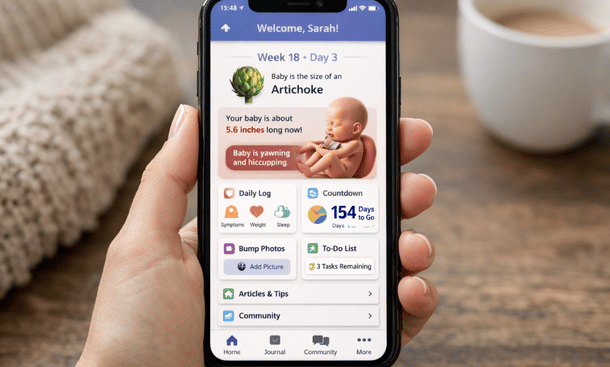
You want everything in one organized place without app-hopping. The convenience factor of having all your pregnancy information centralized in a premium app can genuinely reduce stress. Opening one app instead of four saves mental energy when you’re exhausted and brain-fogged.
Partner involvement matters to your experience and your partner will actually use the features. If sharing updates and milestones helps your partner feel connected and excited, premium sharing features might strengthen that bond in ways that justify the cost.
You’re someone who reads resources and actually uses educational content. Premium article libraries, expert Q&A access, and personalized recommendations provide real value only if you’ll engage with them. If you ignore notifications and never read articles, you’re wasting money on features you don’t use.
You really hate ads and they genuinely impact your user experience. This sounds superficial but pregnancy is stressful enough. If ads make you want to throw your phone across the room and you’ll use the app daily for months, ad-free premium might be worth it for your mental health alone.
My Honest Recommendations After Testing Everything
I’ve dropped probably two hundred dollars total across various pregnancy apps over the years, some worth every penny and others I regretted immediately. Here’s what I’d tell my past self or any friend asking for advice today.
For your first pregnancy when everything feels overwhelming and you want maximum support, premium is probably worth it. You’ll use the app constantly, read everything, track obsessively. The investment makes sense because you’re getting maximum value from all those features.
For subsequent pregnancies when you’ve been through it before, free versions often suffice. You know what’s normal, you’re less anxious about every symptom, you don’t need your hand held as much. Save the money for actual baby expenses.
If budget is genuinely tight, absolutely stick with free. Pregnancy apps are helpful but not essential. Women have been having healthy babies long before smartphone tracking existed. Don’t let premium app features guilt you into spending money you need for actual necessities.
Try free first regardless. Even if you think you’ll want premium, start with the free version for at least a week. You might discover it meets your needs perfectly or you might realize the app’s interface drives you crazy regardless of features. Either way, better to learn this before spending money.

Questions to Ask Before You Upgrade
Before you click that upgrade button, run through these questions honestly:
Will I actually use the premium features or am I upgrading because FOMO? Apps bank on you thinking you need everything when you’ll realistically use maybe three features regularly.
Can I afford this without it causing money stress? Pregnancy is expensive enough. Premium app subscriptions shouldn’t add financial anxiety to your plate.
Does this app integrate with my healthcare provider’s systems? Some premium apps can share data directly with your OB’s patient portal. If yours does and your provider actually uses it, that functionality might justify the cost through improved medical communication.
Am I comparing the right things? Don’t just compare features lists—compare actual user experience. Download and test free versions of multiple apps before committing to premium on any single one.
Is there a refund policy if I hate it? Especially for one-time purchases, check if you can get your money back if the app doesn’t meet expectations. Subscription services usually let you cancel anytime but one-time sales are often final.
The Real Bottom Line on Value
After all this analysis, here’s my most honest take: premium pregnancy apps can absolutely be worth the investment, but only if they match your specific needs and personality. There’s no universal answer because women use these tools so differently.
I’ve paid for premium features I never touched and I’ve paid for premium features that legitimized themselves within the first week. The difference was knowing myself well enough to predict what I’d actually use versus what sounded good in theory.
Start free, evaluate honestly after two weeks of real use, then upgrade only if you’re genuinely frustrated by limitations. Don’t upgrade just because the app nags you with notifications or because you think you should want premium features. Upgrade because you’ve identified specific functionality that’ll improve your pregnancy experience and you’re willing to pay for that improvement.
Before you make any final decisions on which app deserves your money or your home screen real estate, it might help to see how pricing and features compare when you look at apps designed for different stages of pregnancy. Our breakdown of best pregnancy apps for each trimester shows you which platforms offer the best value during first, second, and third trimester when your needs shift pretty dramatically—sometimes that free app that worked great in month two becomes frustrating by month seven, or vice versa.
Now go forth and make an informed choice instead of impulse-buying premium features you’ll never use or suffering through free version limitations that didn’t need to be deal-breakers.

As an author at Felyro.com, I create actionable content on pregnancy tracking, offering practical tools, tips, and insights that empower mothers-to-be to stay informed and confident throughout their pregnancy.