

The luteal phase can play games with your head. One day your breasts feel sore, the next day you are tired for no reason, then the cramps kick in and now you are sitting there like, wait, is this PMS or am I pregnant. If you have ever gone in circles over that question, you are not being dramatic. The overlap is real.
I’m Sophia M. Caldwell, I’m 37, and I’ve spent a long time writing about pregnancy tracking in a way that feels grounded instead of clinical. This part of the cycle is one of the biggest sources of confusion because the symptoms can look nearly identical at first. If you are trying to connect the dots between ovulation, implantation, and timing, this complete guide to figuring out when you conceived gives you the full picture. Right here, we are staying focused on the signs themselves and how to read them without getting played by your own hormone swing.
What the luteal phase actually is
The luteal phase starts after ovulation and ends when your period begins, unless pregnancy happens. During this phase, progesterone rises. That hormone is the main reason your body starts feeling different after ovulation. It can make you feel bloated, moody, tired, crampy, and extra aware of your breasts.
That same hormone also plays a role in early pregnancy. So right away, you can see the issue. Your body is running on a similar hormonal setup whether a period is coming or a pregnancy is starting. Early on, the signals can be almost impossible to separate.
Most luteal phases last around 12 to 14 days, though some people are shorter or longer. If you track ovulation, this is the stretch where every little symptom can start to feel loaded with meaning. The trick is not just noticing symptoms. The trick is reading them in context.
Why luteal phase symptoms and pregnancy signs feel so similar
A lot of people expect early pregnancy to feel totally different. Sometimes it does. But often it does not. Not at first.
After ovulation, progesterone thickens the uterine lining and helps prepare the body in case implantation happens. If pregnancy does happen, progesterone stays elevated. If it does not, progesterone drops and your period starts. So for a while, the body can feel pretty much the same either way.
That is why things like cramping, sore breasts, fatigue, bloating, and appetite changes can show up in both situations. The real differences usually come from timing, intensity, how long symptoms last, and whether they break from your normal pattern.
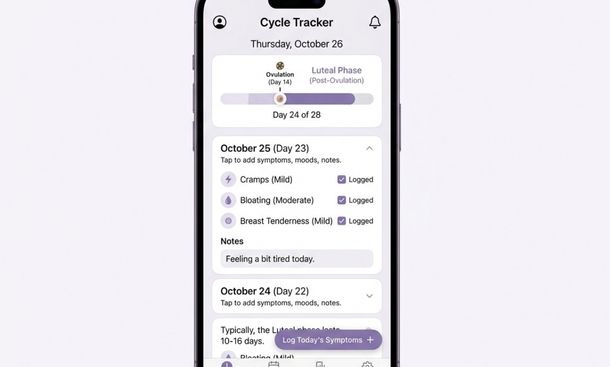
The most common luteal phase symptoms
A normal luteal phase can come with a whole grab bag of symptoms. Some people barely notice anything. Others feel like they get hit by a truck every month. Both can be normal.
Cramps
Luteal phase cramps are often mild to moderate. They can feel like heaviness, tightness, or dull aches low in the abdomen. Some people get them on and off for days before a period starts.
Breast tenderness
This one is classic. Breasts may feel fuller, more sensitive, or sore to the touch. That sensitivity usually shows up after ovulation and can stick around until a period begins.
Bloating
Progesterone can slow digestion and leave you feeling puffy. Jeans fit weird, your stomach feels full, and now you are wondering if your body is sending a secret signal. Sometimes it is just the luteal phase doing its thing.
Mood changes
Feeling irritable, emotional, anxious, or just off can happen in the luteal phase. Hormone shifts can hit hard, especially if you are sensitive to them.
Fatigue
Low energy is another common one. You may feel sleepy, sluggish, or mentally foggy for no obvious reason.
Appetite changes
Cravings and hunger swings can show up before a period. A lot of people notice stronger interest in carbs, sugar, or salty foods.
None of that automatically means pregnancy. It can all happen in a regular cycle.
The most common early pregnancy signs
Now let’s talk about the signs people usually watch for when they think conception may have happened.
A missed period
This is still the biggest one. If your period is late and it usually arrives on time, pregnancy moves higher on the list.
Breast tenderness that feels stronger or lasts longer
Breast soreness can happen in both PMS and early pregnancy. The difference is that in pregnancy, it may feel more intense or continue past the point where your period should have started.
Mild cramping without a normal period
Some early pregnancy cramps feel similar to pre-period cramps, but they may stay lighter and never turn into the usual bleeding pattern.
Spotting
Light spotting can happen around implantation for some people. It is not universal, and it can be hard to distinguish from early period spotting, but timing can make it more meaningful.
Nausea or aversion to smells
This usually starts a little later, but some people notice queasiness pretty early. It is less common right away, though not impossible.
Fatigue that feels heavier than usual
This one shows up in both categories too, but some people describe early pregnancy fatigue as a more intense body-level exhaustion.
Frequent urination
This tends to show up later for many people, but it can start early in some pregnancies.
The timing is where the real clues live
If you want to tell the difference between luteal phase symptoms and pregnancy signs, timing matters more than one random symptom.
A simple way to think about it:
- symptoms that start right after ovulation are often progesterone-related luteal phase symptoms
- symptoms that show up around 6 to 12 days after ovulation may line up more with implantation timing
- symptoms that continue past the expected start of your period deserve more attention
- a missed period plus ongoing symptoms is a much stronger sign than symptoms alone
Say you ovulated on may 5. If you started feeling bloated on may 7, that is probably just luteal phase hormone activity. If you noticed light spotting and mild cramps around may 13 or 14, that timing is more interesting. If your period was due on may 19 and never showed, now the pattern starts leaning more toward early pregnancy.
That is why tracking can be so helpful. Not perfect, but helpful.
Signs that lean more toward luteal phase than pregnancy
Some symptoms are more likely to be regular post-ovulation stuff, especially if they happen to you most months.
Symptoms that follow your usual pattern
If your breasts always get sore 3 days after ovulation and your mood always dips a week before your period, that pattern matters. Familiar symptoms on a familiar schedule are less likely to mean something new.
Symptoms that fade right before bleeding starts
Some luteal phase symptoms ease off just before a period begins because progesterone is dropping. If that happens, it usually points more toward PMS.
Strong food cravings and moodiness without other changes
These can happen in pregnancy too, sure, but they are extremely common in the luteal phase and not strong evidence by themselves.
Signs that lean more toward pregnancy
Nothing is guaranteed without a test, but a few patterns may push things in that direction.
Symptoms feel different from your normal cycle
That does not mean more dramatic. It just means unusual for you. Maybe your cramps are lighter. Maybe your breasts feel sore in a new way. Maybe your fatigue is deeper than normal.
Symptoms stay after your period should have started
This is a big one. PMS symptoms usually wrap into a period. If your period does not show and the symptoms stay or intensify, pay attention.
Light spotting without full flow
If spotting stays very light and does not turn into your usual period, it may fit implantation timing.
A positive test follows
This is the piece that gives symptoms meaning. Without it, you are still in guessing territory.
The stuff that trips people up most
There are a few reasons this comparison gets so messy.
Apps are estimates
Cycle apps can be useful, but they do not know exactly when you ovulated unless you are tracking with more precision. If the ovulation estimate is off, your whole symptom timeline can look different.
Every cycle is a little different
Even if you usually know your pattern, one month can shift. Stress, travel, sleep changes, and illness can all tweak symptoms and timing.
Early pregnancy can feel like nothing
Some people expect a dramatic sign. A lot of pregnancies start quietly. No nausea, no weird cravings, no cinematic moment. Just a missed period and a test.
Pms can feel intense
Regular luteal phase symptoms can be strong enough to make anyone think pregnancy is possible. That does not mean you imagined it. It means hormones are rude.
How to track symptoms without overthinking every twitch
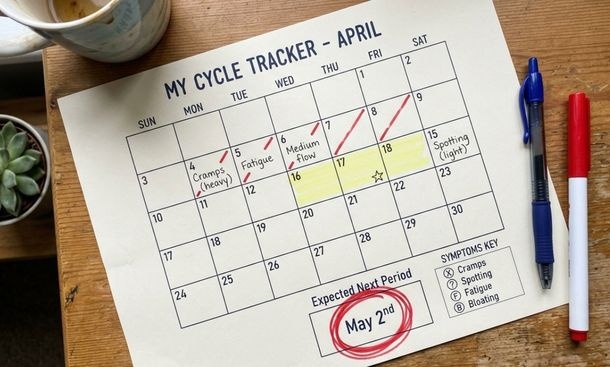
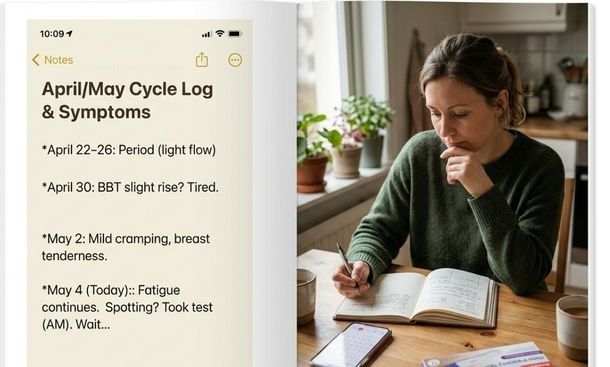
You do not need a giant spreadsheet unless that is your thing. A basic log is enough.
Write down:
- first day of your last period
- likely ovulation day
- when each symptom started
- whether the symptom feels normal or unusual for you
- when your period is due
- when you tested
That gives you a cleaner picture than trying to remember it all later when emotions are high and the days blur together.
The goal is not to obsess. The goal is to notice patterns. If your symptoms match your usual luteal phase every month, that is useful. If something clearly shifts and your period stays away, that is useful too.
When to take a pregnancy test
If pregnancy is possible, testing too early is one of the fastest ways to end up frustrated. hCG only starts building after implantation. So if implantation happened later than expected, a negative test may not mean much yet.
Many people get the most reliable result on the day their period is due or after. If you test earlier, just know that a negative is not always final. If your period still has not shown up after a couple of days, test again.
That timing piece matters because symptoms alone can only tell you so much. A test gives the symptom pattern context.
The bottom line on reading the difference
Luteal phase symptoms and early pregnancy signs overlap because they come from a similar hormonal setup at first. That is the whole game. You are not missing something obvious. It really can be hard to tell.
What helps most is asking a few grounded questions:
- is this symptom normal for me
- when did it start relative to ovulation
- did it continue past when my period should have arrived
- what did my pregnancy test show
That is the kind of real-world tracking that gives you useful answers instead of sending you into a spiral.
The luteal phase can mimic early pregnancy so closely that the difference often comes down to timing, pattern, and whether symptoms continue past your expected period. If the signs felt confusing, that is normal. Your best clues come from lining up ovulation, symptom onset, and test timing instead of chasing one sensation by itself. If you want to go deeper into one of the most commonly misunderstood signs, the next smart read is early pregnancy cramps and conception timing.

As an author at Felyro.com, I create actionable content on pregnancy tracking, offering practical tools, tips, and insights that empower mothers-to-be to stay informed and confident throughout their pregnancy.