
deciding to have a baby is one of the most significant decisions you’ll ever make in your life. unlike many other major life choices, becoming a parent is a permanent commitment that will fundamentally transform every aspect of your existence. while there’s arguably no “perfect” time to have a child, there are certainly indicators that suggest you’re physically and emotionally prepared for this profound journey. understanding these signs can help you make a more informed decision about when to start or expand your family.
the question of readiness for parenthood isn’t just about checking boxes on a list. it’s about honestly assessing where you are in life, what resources you have available, and whether you feel genuinely prepared to welcome a new human being into your world. some people feel ready in their twenties, while others don’t feel prepared until their thirties or even forties. there’s no universal timeline, but there are common indicators that suggest you’re approaching a good time to take this monumental step.
physical signs you’re ready to have a baby
physical readiness for pregnancy and parenthood encompasses several important factors, from your biological health to your practical capacity to handle the physical demands of pregnancy, childbirth, and caring for an infant.
your health is stable and optimized
one of the most fundamental signs of physical readiness is having your health in a stable, well-managed state. this means:
chronic conditions are under control: if you have conditions like diabetes, thyroid disorders, high blood pressure, or autoimmune diseases, these should be well-managed with treatment plans that are compatible with pregnancy. uncontrolled health conditions can complicate pregnancy and affect your ability to care for a newborn.
you’re at a healthy weight: while people of all sizes can have healthy pregnancies, being significantly underweight or overweight can affect fertility and increase pregnancy complications. if you’re working toward a healthier weight, reaching a stable point before conception is ideal.
you’ve addressed any ongoing health concerns: nagging health issues that you’ve been putting off shouldn’t be ignored when planning for pregnancy. dental problems, vision issues, or other medical concerns are better addressed before pregnancy when treatment options aren’t limited by concerns about fetal safety.
your mental health is managed: mental health is just as important as physical health. if you have depression, anxiety, or other mental health conditions, having these well-managed with appropriate treatment before pregnancy sets you up for better outcomes.
you have energy for the demands ahead
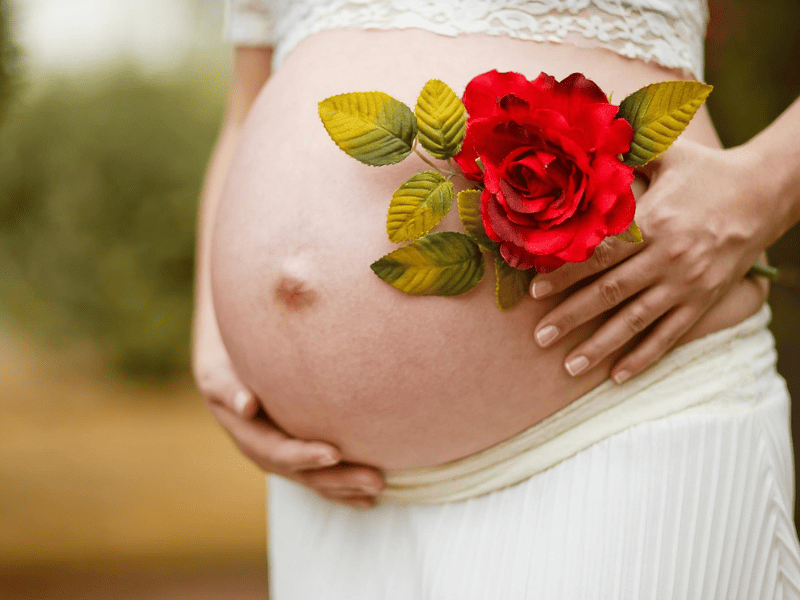
pregnancy and early parenthood are physically exhausting. a sign that you might be ready is having the physical stamina and energy levels to handle these demands. this doesn’t mean you need to be an athlete, but you should feel generally energetic and capable of handling physical challenges.
consider whether you have the energy to:
- handle pregnancy symptoms like fatigue, nausea, and physical discomfort
- go through labor and delivery
- function on interrupted sleep for months or potentially years
- carry a growing baby, lift a car seat, and handle the physical aspects of infant care
- keep up with a mobile toddler eventually
if you’re constantly exhausted by your current lifestyle, adding the physical demands of a baby might feel overwhelming. while no one can perfectly predict how they’ll handle parenthood, starting from a place of reasonable physical energy is helpful.
you’ve made necessary lifestyle changes
physical readiness also involves having already transitioned away from habits that aren’t compatible with pregnancy and parenthood:
you’ve quit smoking or are prepared to: smoking affects fertility, pregnancy outcomes, and infant health. being ready means having already quit or being genuinely committed to quitting.
alcohol consumption is moderate or you’re willing to abstain: pregnancy requires complete alcohol abstinence, and responsible parenting involves modeling healthy behaviors. if giving up or significantly limiting alcohol feels like an overwhelming sacrifice, you might need more time.
recreational drug use is in the past: any recreational drug use needs to be firmly in the rearview mirror before considering parenthood.
your sleep schedule is somewhat stable: while parenthood will disrupt your sleep dramatically, starting from a place where you’re not chronically sleep-deprived helps. if you’re regularly staying up until 3 am and sleeping until noon, adjusting to a baby’s schedule will be particularly jarring.
you understand your fertility window
being physically ready includes having realistic expectations about conception and fertility. signs you’re approaching readiness include:
you understand age-related fertility factors: while women can conceive naturally into their forties, fertility does decline with age, particularly after 35. understanding where you fall on this spectrum helps with realistic planning.
you’ve had conversations with your doctor: discussing your fertility, having preconception checkups, and addressing any concerns about your reproductive health shows you’re taking physical readiness seriously.
you’re aware of any fertility challenges: if you have conditions like polycystic ovary syndrome (pcos), endometriosis, or irregular cycles, being aware of these and having a plan shows readiness to address challenges proactively.
you’ve started preconception care: taking prenatal vitamins, ensuring proper folic acid intake, and optimizing your health before conception demonstrates physical preparedness.
emotional and psychological signs of readiness
emotional readiness for parenthood is arguably even more important than physical readiness, yet it’s much harder to quantify. these signs can help you gauge whether you’re emotionally prepared for the realities of parenthood.
you’re motivated by the right reasons
examining your motivation for wanting a baby is crucial. signs you’re emotionally ready include:
you want a baby for its own sake: you’re excited about raising and nurturing a child, not trying to fix a relationship, fill a void, please family members, or follow a timeline you feel pressured by.
you’ve thought beyond the baby stage: you’re not just imagining a cute baby, but are genuinely interested in parenting a child through all stages, including the challenging toddler years, complex childhood phases, and adolescent struggles.
you’re prepared for the reality, not just the fantasy: you understand that parenthood involves difficult moments, bodily fluids, sleep deprivation, and challenging behaviors, not just adorable photo opportunities.
you can articulate why you want to be a parent: beyond “I’ve always wanted kids” or “it’s time,” you can express what parenthood means to you and what kind of parent you hope to be.
your relationship is stable and supportive
if you’re planning to parent with a partner, the health of your relationship is a crucial indicator of readiness:
you communicate effectively: you and your partner can discuss difficult topics, resolve conflicts constructively, and make decisions together without excessive drama or dysfunction.
you’ve discussed parenting philosophies: you’ve had substantive conversations about how you want to raise children, including discipline approaches, values you want to instill, religious or cultural practices, and practical matters like childcare and work arrangements.
you support each other through stress: you’ve weathered challenging times together and have seen how you both respond to stress, exhaustion, and difficulty. parenthood will test your relationship, so having a foundation of mutual support is essential.
your relationship isn’t in crisis mode: you’re not trying to “save” your relationship with a baby or using pregnancy to force commitment. your relationship should be stable and healthy before adding the stress of a child.
for single parents by choice, readiness might look like having a strong support system, feeling emotionally secure in your decision, and having realistically considered the challenges of solo parenting.
you’re financially stable enough
while no one needs to be wealthy to have children, a certain level of financial readiness indicates you’re prepared for this responsibility:
you have emergency savings: ideally, you have at least three to six months of expenses saved, because emergencies become more complicated and costly with children.
you can afford basic necessities: you can cover your current expenses comfortably and have room in your budget for the added costs of a child, which average around $10,000 to $15,000 in the first year alone.
you have health insurance: pregnancy, delivery, and pediatric care are expensive. having health insurance is crucial for managing these costs.
you’ve thought about childcare: whether it’s parental leave, daycare, a nanny, or family help, you’ve considered how you’ll manage childcare and what it will cost.
you’re not drowning in debt: while student loans and mortgages are normal, being overwhelmed by high-interest debt makes adding a child’s expenses particularly challenging.
you’re willing to adjust your financial priorities: you understand that discretionary spending will decrease dramatically, and you’re comfortable with that trade-off.
you feel comfortable with uncertainty and loss of control

parenthood involves enormous amounts of uncertainty and factors beyond your control. emotional readiness includes:
you can handle not having all the answers: you’re comfortable with learning as you go and don’t need to feel like an expert before starting.
you’re flexible and adaptable: you can adjust plans when circumstances change and don’t become completely derailed when things don’t go as expected.
you’re prepared for your life to fundamentally change: you understand that parenthood isn’t just adding a baby to your existing life; it’s a complete life transformation that will affect your career, relationship, friendships, hobbies, freedom, and identity.
you can cope with loss of spontaneity: you’re prepared to trade spontaneous decisions and activities for carefully planned logistics and constant consideration of your child’s needs and schedule.
you’ve processed your own childhood experiences
how you were parented significantly influences your own parenting. signs of emotional readiness include:
you’ve reflected on your upbringing: you’ve thought about what you want to replicate and what you want to do differently from your own parents.
you’ve addressed significant trauma or issues: if you experienced difficult childhood experiences, you’ve done work to process these, whether through therapy, self-reflection, or other means, so you don’t unconsciously repeat harmful patterns.
you can separate your child’s identity from your own: you’re prepared to accept and celebrate your child as their own person, not as an extension of yourself or a chance to relive your childhood.
you have realistic expectations: you understand that you won’t be a perfect parent, but you’re committed to being a “good enough” parent who learns, grows, and repairs when you make mistakes.
your identity can expand to include parenthood

being ready means having space in your sense of self for this new role:
you’re not at a fragile point in identity formation: if you’re in the midst of major identity exploration or career establishment where stepping back feels devastating, you might need more time.
you’re willing to let go of some current activities: you understand that some hobbies, social activities, or commitments will need to be reduced or eliminated, at least temporarily, and this doesn’t feel like losing your entire sense of self.
you’re interested in the parenting role: you’re actually excited about being called “mom” or “dad” and taking on this identity, not just tolerating it as a necessity for having a child.
you have a strong enough sense of self: paradoxically, you need a solid enough sense of who you are to handle the temporary loss of identity that early parenthood often brings.
practical life circumstances that indicate readiness
beyond physical and emotional factors, practical life circumstances also signal readiness for parenthood.
your living situation is appropriate
you have adequate space: while babies don’t need much room initially, you have enough space for a baby and the surprising amount of gear that comes with them.
your housing is stable: you’re not facing imminent moves, evictions, or major housing uncertainty.
your environment is safe: your home and neighborhood are reasonably safe environments for raising a child.
your career situation works with parenthood
you have some job security: while no job is completely secure, you’re not in the midst of major job instability or facing imminent layoffs.
you understand parental leave options: you know what leave you’re entitled to and have planned for the financial impact of any unpaid leave.
your workplace is somewhat family-friendly: you’ve considered how your workplace handles parents and whether you’ll have flexibility for pediatric appointments, sick days, and other child-related needs.
you’ve thought about the long-term career picture: you’ve considered how parenthood fits with your career goals and have a vision for how you’ll manage both, even if the details aren’t perfect.
you have support systems in place
you have people you can call for help: whether it’s family, friends, or community connections, you have people who can provide practical and emotional support.
you’re not completely isolated: you have social connections and aren’t facing parenthood in complete isolation.
you’re willing to ask for and accept help: you recognize you can’t do everything alone and are comfortable reaching out when you need support.
you’ve identified resources: you know where to find information, support groups, pediatric care, and other resources you’ll need.
Trying to conceive? Folic acid supports egg health and prevents birth defects.→
what readiness doesn’t mean
it’s equally important to understand what readiness doesn’t require, because waiting for impossible perfection will mean never feeling ready.
you don’t need to have everything figured out
no one is completely ready for parenthood. you don’t need to:
- have every parenting decision made in advance
- feel 100% confident and fearless
- have read every parenting book
- have eliminated all anxiety about becoming a parent
- have a perfect, unchanging life plan
- be financially wealthy
- own a home
- be married (if you’re choosing to parent solo or with a partner without marriage)
you don’t need to be the same kind of ready as others
readiness looks different for everyone:
- some people feel ready younger, others older
- some people feel ready after achieving certain career milestones, others prioritize parenthood over career advancement
- some people feel ready in strong relationships, others feel ready to parent solo
- some people need extensive planning, others are comfortable with more spontaneity
your readiness doesn’t need to match anyone else’s timeline or criteria.
fear doesn’t equal unreadiness

feeling scared or anxious about becoming a parent is completely normal, even when you’re ready. the absence of fear isn’t a requirement for readiness. what matters is whether you feel capable of moving forward despite the fear.
trusting your instincts
after considering all these factors, one of the most important signs of readiness is actually how you feel deep down. many people report that despite logical concerns, they felt a pull toward parenthood, a sense that it was time, or a feeling that they wanted to take this step.
conversely, if you’re feeling intense dread, resentment at the idea, or hoping your partner will just drop the subject, these feelings are worth examining seriously. you should be choosing parenthood because you genuinely want it, not because you feel obligated or pressured.
some people describe readiness as a shift from “someday” thinking to “now” thinking. the abstract idea of having kids someday becomes a concrete desire to start trying soon. you find yourself noticing babies more, feeling excited rather than anxious when friends announce pregnancies, or imagining your own child in specific scenarios.
when you’re not quite ready
if you’re reading these signs and realizing you’re not quite ready yet, that’s valuable information, not a failure. being honest with yourself about unreadiness is actually a sign of maturity and responsibility.
if you’re not ready now but think you might be eventually, consider what specific factors would need to change:
- do you need more time to establish your career?
- would working on your relationship help?
- do you need to address health concerns first?
- would building up savings make you feel more prepared?
- do you need to work through personal issues or past trauma?
creating a concrete plan to address these factors can help you move toward readiness if parenthood is something you want in your future.
alternatively, you might realize through this reflection that parenthood isn’t something you want, and that’s equally valid. not everyone needs to become a parent, and choosing to be childfree is a legitimate life path.
making the decision together

if you’re in a partnership, both people need to feel ready. it’s not fair to yourself, your partner, or especially your future child if one person is coercing or pressuring the other into parenthood.
if you and your partner are at different readiness levels:
communicate openly: share your feelings honestly without judgment or pressure.
understand each other’s concerns: really listen to what’s underlying your partner’s hesitation or eagerness.
set a timeline for revisiting the conversation: agree to discuss it again after a specific period or life event.
consider couples counseling: a therapist can help you navigate this significant difference and find a path forward together.
respect dealbreakers: if one person is certain they don’t want children and the other is certain they do, this may be an irreconcilable difference that requires difficult decisions about the relationship.
the leap of faith
even with all these signs of readiness, becoming a parent ultimately requires a leap of faith. you can never be completely prepared for how parenthood will change you and your life. there will always be unknowns, fears, and uncertainties.
readiness isn’t about eliminating all doubt or having every possible challenge solved in advance. it’s about being in a stable enough place physically, emotionally, financially, and practically that you feel capable of handling the journey ahead.
it’s about having done the preparation you can do, having the support you need, and feeling genuinely excited (even if also nervous) about welcoming a child into your life.
the fact that you’re thoughtfully considering all these factors rather than rushing into parenthood impulsively is itself a positive sign. being reflective and intentional about this decision suggests you’ll bring that same thoughtfulness to parenting.
taking the next steps
if you’ve recognized many of these signs in yourself and feel that you’re approaching readiness or are already there, the next steps might include:
schedule a preconception appointment: talk to your healthcare provider about your plans, optimize your health, and address any concerns.
have deeper conversations with your partner: if you haven’t already, discuss the specifics of how you’ll handle the practical aspects of parenting.
strengthen your support network: reach out to friends and family who can provide support, or work on building community connections.
address any outstanding health or wellness concerns: whether it’s starting therapy, getting to a healthier weight, or managing a chronic condition better, take steps to optimize your physical and mental health.
get your finances in order: create or strengthen your emergency fund, review your health insurance, and make a budget that accounts for baby expenses.
start taking prenatal vitamins: begin folic acid supplementation and other preconception nutrition preparation.
reduce stress where possible: simplify your life in areas where you can to make room for the added complexity of a child.
trusting yourself
ultimately, only you can decide if you’re ready to have a baby. while this article provides frameworks and indicators to consider, the decision is deeply personal and unique to your circumstances.
what’s most important is being honest with yourself about where you are, what you want, and what you’re capable of handling. parenthood will challenge you in ways you cannot fully anticipate, but starting from a place of physical health, emotional stability, practical preparedness, and genuine desire gives you the best possible foundation.
if you’ve read through these signs and find yourself feeling excited about the prospect of parenthood, feeling capable of rising to the challenges, and feeling like the timing, while never perfect, is reasonable in your life circumstances, these are strong indicators that you may be ready to take this extraordinary step.
remember that readiness isn’t a finish line you cross, but rather a general state of preparedness that makes you as equipped as you can be for the unknowable journey ahead. trust yourself to know when that time comes, and trust yourself to grow into the parent your child needs you to be once they arrive.
