

Let me guess. You’re standing in the pharmacy staring at a shelf full of bottles and every single one has a warning label that says something about pregnancy. Your head is pounding or your heartburn is brutal or you can’t sleep and you just want to know what you can actually take without worrying about your baby. I get it because I’ve been there and I’ve helped hundreds of women navigate this exact situation.
I’m Carlene and I work with pregnant women here in NYC who are scared to take anything at all even when they’re miserable. The truth is that some medications are perfectly safe during pregnancy when used correctly while others are a hard no. The problem is that a lot of doctors don’t have time to go through every single option with you and the internet is full of conflicting information that just makes you more anxious.
So let me break this down for you in plain English. I’m gonna tell you what’s actually safe what you should avoid and when you need to call your doctor instead of trying to handle it yourself. This is the honest no nonsense guide I wish someone had given me.
Understanding Pregnancy Drug Categories
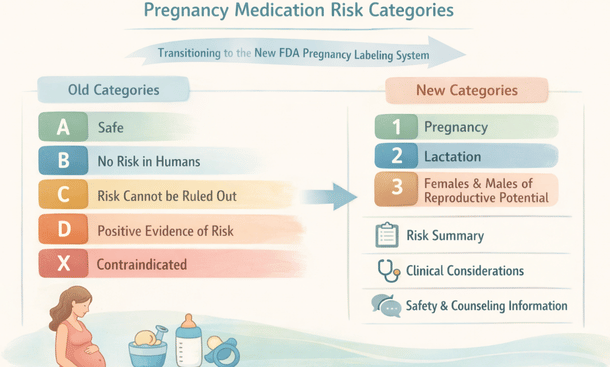
First you need to know how medications are classified for pregnancy safety. The FDA used to have a letter system from A to X but they changed it a few years ago to a more detailed labeling system. But a lot of doctors and pharmacists still reference the old categories so I’m gonna explain both.
Category A meant controlled studies showed no risk which is the safest. Category B meant animal studies showed no risk but human studies were limited. Category C meant risk couldn’t be ruled out. Category D meant there was evidence of risk but benefits might outweigh risks in serious situations. Category X meant don’t take it period because it causes birth defects.
The new system provides more detailed information about risks during pregnancy labor and breastfeeding. It includes actual data from studies and registries instead of just a letter. When you’re looking at medication labels look for the pregnancy and lactation section which tells you what’s known about safety.
The reality is that most medications haven’t been extensively tested in pregnant women because it’s not ethical to do those studies. So a lot of what we know comes from women who took medications before they knew they were pregnant or who needed them for serious health conditions.
Acetaminophen Is Your Go To Pain Reliever
When you have a headache body aches or a fever acetaminophen which is Tylenol is your safest bet during pregnancy. It’s been used by millions of pregnant women and decades of data show it’s safe when taken at recommended doses. The key phrase there is recommended doses.
Take 325 to 650 mg every four to six hours as needed and don’t exceed 3000 mg in 24 hours. Some sources say up to 4000 mg is okay but during pregnancy it’s better to err on the conservative side. Don’t take extra strength formulas without checking the dose first because those contain more per pill.
Acetaminophen works for headaches muscle aches back pain and reducing fever. It doesn’t reduce inflammation like ibuprofen does so it might not work as well for things like severe back pain but it’s still your first choice. If regular acetaminophen isn’t cutting it talk to your doctor before taking anything stronger.
One important note is that some recent studies have raised questions about acetaminophen use during pregnancy and potential links to attention issues in kids. The data isn’t conclusive and major medical organizations still say it’s safe but it’s worth using the lowest effective dose for the shortest time necessary.
What Pain Relievers to Avoid
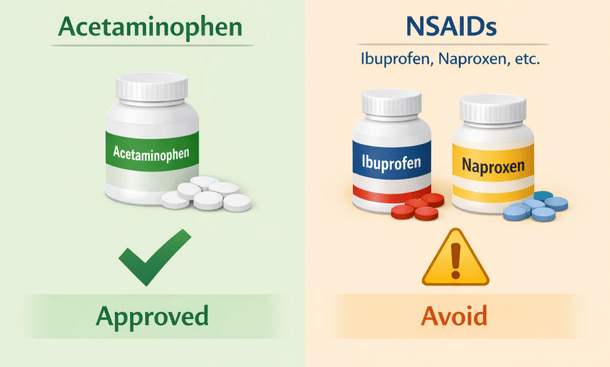
Here’s where it gets tricky. Ibuprofen which is Advil or Motrin and naproxen which is Aleve are NSAIDs and they’re not safe during pregnancy especially after 20 weeks. Before 20 weeks they’re usually considered okay for short term use but most doctors recommend avoiding them entirely.
After 20 weeks NSAIDs can cause problems with the baby’s heart and kidneys and reduce amniotic fluid levels. They can also make labor longer and increase bleeding risk. So if you’ve been taking ibuprofen regularly stop now and switch to acetaminophen.
Aspirin is another NSAID and it’s generally not recommended during pregnancy except in specific situations. Some women with certain high risk conditions are prescribed low dose aspirin by their doctors to prevent preeclampsia but that’s different from taking it on your own for a headache. Don’t take regular strength aspirin without your doctor’s approval.
If you accidentally took ibuprofen or aspirin a few times before you knew you were pregnant don’t panic. A few doses early in pregnancy usually isn’t a problem. Just switch to acetaminophen now and mention it to your doctor at your next appointment.
Safe Options for Nausea and Vomiting
Morning sickness medication is one area where you have several safe options if natural remedies aren’t working. Vitamin B6 which I talked about in another article is the first line treatment and it’s available over the counter. Take 25 mg three times a day.
Unisom SleepTabs which contain doxylamine is another safe option that’s often recommended in combination with B6. Take half a tablet or 12.5 mg at bedtime. The B6 plus doxylamine combo is actually what’s in the prescription medication Diclegis which is FDA approved for pregnancy nausea.
If those don’t work your doctor might prescribe ondansetron which is Zofran. This one is more controversial because some studies suggested a possible link to birth defects but more recent larger studies haven’t confirmed that risk. It’s widely prescribed and considered safe by most OB-GYNs especially for severe nausea.
For heartburn and indigestion you’ve got options too. Antacids like Tums or Rolaids are safe and they have the bonus of providing extra calcium. H2 blockers like Pepcid or Zantac are also safe. Proton pump inhibitors like Prilosec are generally considered safe too though they’re usually reserved for more severe cases.
Allergy and Cold Medications
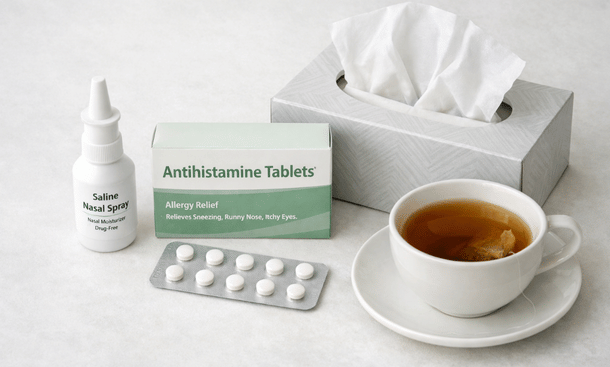
When allergy season hits or you catch a cold it’s tough to know what you can take. Antihistamines like Claritin loratadine Zyrtec cetirizine and Benadryl diphenhydramine are all considered safe during pregnancy. Benadryl makes you drowsy so save it for nighttime unless you’re okay with being sleepy.
For nasal congestion plain saline nasal spray is your safest bet and it actually works pretty well. Steroid nasal sprays like Flonase are also considered safe. Decongestant pills like Sudafed pseudoephedrine should be avoided in the first trimester and used cautiously later in pregnancy only if your doctor okays it.
Cough drops and throat lozenges are fine. Cough syrup is trickier because many contain multiple ingredients. Dextromethorphan which is the cough suppressant in Robitussin DM is generally considered safe. Guaifenesin which is an expectorant is also usually okay. Just avoid any formulas that contain alcohol or NSAIDs.
Read labels carefully because combination cold medications often contain ingredients you should avoid. When in doubt stick with single ingredient products so you know exactly what you’re taking. And remember that most colds run their course in a week or so without medication anyway.
Sleep Aids and What Actually Helps
Pregnancy insomnia is brutal and you might be tempted to reach for sleep aids. Unisom doxylamine is considered safe and it’s actually the same ingredient used for morning sickness. Benadryl diphenhydramine is another option that makes you drowsy.
Melatonin is a gray area. It’s natural and lots of people take it but there isn’t enough research on its safety during pregnancy. Some doctors say it’s fine while others recommend avoiding it. If you want to try it talk to your doctor first and use the lowest dose possible.
Prescription sleep medications like Ambien are sometimes prescribed during pregnancy for severe insomnia but they’re not first line treatments. Your doctor has to weigh the risks of the medication against the risks of severe sleep deprivation which can also affect your health and your baby’s.
Before reaching for medication try all the natural sleep strategies first. Good sleep hygiene pregnancy pillows cutting off fluids a few hours before bed and relaxation techniques can make a big difference. Save the medication for when you really need it.
Medications to Absolutely Avoid
Some medications are known to cause birth defects or serious problems and you need to avoid them completely. Isotretinoin which is Accutane for acne causes severe birth defects. If you’re on it you need to stop it before trying to conceive.
Certain blood pressure medications called ACE inhibitors and ARBs can harm the baby. Some antibiotics like tetracycline can affect bone and tooth development. Certain seizure medications and mood stabilizers carry risks. Some migraine medications are not safe.
If you’re on any prescription medications for chronic conditions talk to your doctor before you get pregnant or as soon as you find out you’re pregnant. Don’t just stop taking them on your own because that can be dangerous too. Your doctor can often switch you to a safer alternative.
Herbal supplements and natural products aren’t automatically safe just because they’re natural. Many haven’t been studied in pregnancy and some are known to be harmful. Don’t take any herbal supplements without asking your doctor first.
When to Call Your Doctor Instead
Some situations require medical attention not over the counter medication. If you have a fever over 100.4 degrees that doesn’t come down with acetaminophen call your doctor. Fever during pregnancy especially in the first trimester can be concerning.
Severe or persistent headaches that don’t respond to acetaminophen need evaluation especially if they come with vision changes or swelling because those can be signs of preeclampsia. Severe abdominal pain or pain when you pee could indicate an infection that needs antibiotics.
If you’re vomiting so much that you can’t keep anything down including water you might have hyperemesis gravidarum and need prescription medication or even IV fluids. Don’t try to tough it out because severe dehydration is dangerous for you and your baby.
Any vaginal bleeding heavy discharge that might be amniotic fluid decreased fetal movement or contractions before 37 weeks requires immediate medical attention. These aren’t things you treat at home with over the counter meds.
Using Medications Wisely During Pregnancy
The overall principle with any medication during pregnancy is to use the lowest effective dose for the shortest amount of time necessary. Just because something is safe doesn’t mean you should take it every day if you don’t need to.
Always read labels and check active ingredients. Store brands often contain the same active ingredients as name brands for less money. Just make sure you’re comparing apples to apples and not accidentally doubling up on ingredients.
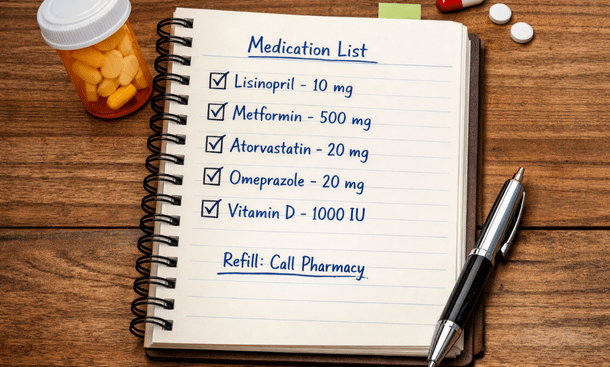
Keep a list of everything you’re taking including vitamins and supplements and bring it to every doctor appointment. Be honest with your doctor and pharmacist about what you’re using even if it seems minor. They need the full picture to give you good advice.
If you’re ever unsure about whether a medication is safe call your doctor’s office or talk to your pharmacist. That’s literally what they’re there for and it’s better to ask than to worry or worse to take something you shouldn’t. Most OB offices have a nurse line specifically for questions like this.
The Bottom Line on Pregnancy Medications
Look I know it’s stressful trying to figure out what’s safe when you’re pregnant and you feel crummy. The good news is that you do have options for common symptoms and most of them have been used safely by millions of women. Acetaminophen for pain Unisom or Benadryl for sleep and nausea antihistamines for allergies and antacids for heartburn are your main go to medications.
The key is reading labels carefully sticking to recommended doses and checking with your doctor when you’re not sure. Don’t suffer through terrible symptoms because you’re scared to take anything but also don’t just grab whatever’s in your medicine cabinet without checking first.
Your comfort and wellbeing matter during pregnancy. A miserable stressed out mom who can’t sleep or is in constant pain isn’t good for the baby either. It’s about finding the right balance of using safe effective treatments when you need them while avoiding unnecessary risks.
For more information on handling pregnancy discomfort through a combination of natural methods and safe medications when needed check out this complete guide to managing pregnancy symptoms that covers all your options.

Carlene R. Priddy offers strategic advice and practical guidance for governorsbefore, during, and after their mandatesto strengthen governance and public leadership.