

Bottom line: growing a human can feel isolating, especially at 3 AM when you’re Googling “is this normal?” for the fifteenth time this week. The right community features transform a basic tracker into your lifeline—connecting you with moms due the same month, answering panicked questions, and reminding you that you’re not losing it. Or that you are, but so is everyone else going through the exact same thing.
I’m not gonna lie, I was skeptical about pregnancy app communities at first. Seemed like it’d be all toxic positivity and unsolicited advice from strangers who think essential oils cure everything. And yeah, some communities are absolutely like that. But the good ones? They legitimately saved my mental health during pregnancies when I felt completely alone despite being surrounded by people who cared but just couldn’t understand what I was experiencing.
There’s something different about talking to someone who’s also seventeen weeks pregnant with their second kid, dealing with the same weird rib pain, and equally terrified about managing two under two. Your best friend who’s never been pregnant can be supportive, but she can’t really get it the way another pregnant woman can. That’s what solid community features provide—connection with people who actually understand your specific reality right now.
What Actually Makes a Pregnancy Community Worth Joining
Beyond Just Message Boards and Forums
Look, any app can slap together a basic forum and call it community. What separates genuinely helpful communities from ghost towns or toxic spaces is way more nuanced than just having a place where users can post.
Active moderation is absolutely crucial and you can tell within five minutes whether a community has it or not. Good moderators remove fear-mongering posts, shut down medical misinformation quickly, and keep conversations supportive instead of judgmental. Bad moderation or no moderation at all turns communities into anxiety-inducing nightmare spaces where every third post is someone convinced their baby is dying based on zero evidence.
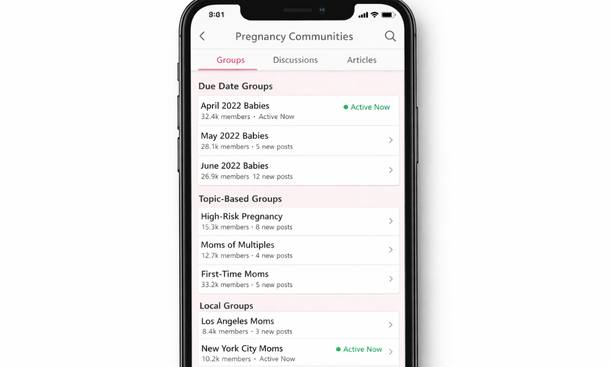
The structure matters too. Communities organized by due date create tighter bonds than general pregnancy forums because you’re going through identical stages simultaneously. When everyone in your group is dealing with second-trimester glucose tests the same week, the shared experience and advice feels immediately relevant instead of vaguely applicable.
Response time and engagement levels tell you everything about whether a community is actually functional. If you post a question and get thoughtful responses within an hour, that’s a living community. If your posts sit unanswered for days or only get generic “hang in there” replies, that community is dead or useless regardless of how many members it claims to have.
The Different Types of Communities and What They Offer
Due date groups are the backbone of most pregnancy communities and honestly the most valuable format. Being connected with hundreds or thousands of women who are pregnant at the exact same time means you’re experiencing symptoms, milestones, and worries simultaneously. Someone asks about heartburn remedies and seventeen people respond with what worked for them. You freak out about decreased movement and three people reassure you they felt the same thing yesterday.
These groups often continue postpartum which is where they become even more valuable. Sleep training, feeding struggles, developmental milestones—you’re all hitting these stages together and supporting each other through them. Some of the strongest friendships I’ve made came from due date groups that started during pregnancy and continued for years after.
Topic-specific groups serve different purposes depending on your situation. High-risk pregnancy groups connect you with women managing complications, which is invaluable when your regular due date group can’t relate to your experience. Groups for multiples, IVF pregnancies, loss after infertility, or specific conditions create spaces where you don’t have to explain your background constantly because everyone there gets it.
Local community groups help you find resources, providers, and even in-person friendships in your area. Someone can recommend their amazing pediatrician or warn you about the OB practice with terrible bedside manner. You can find prenatal yoga classes, consignment sales, or just meet up for coffee with another pregnant woman in your neighborhood.
Apps That Actually Built Communities Right
What to Expect: The OG Pregnancy Community
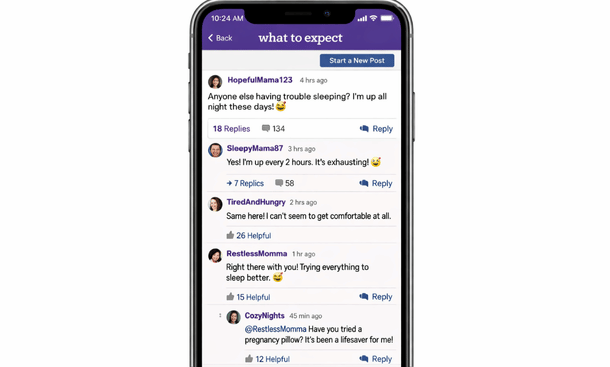
What to Expect has been doing pregnancy communities longer than most apps have existed and it shows in how developed their structure is. Their birth month groups are massive—we’re talking thousands of active members—which means questions get answered fast and you can find someone experiencing basically any situation you’re dealing with.
The app organizes communities really intuitively with your main birth month group front and center, but easy access to topic-specific groups when you need more specialized support. Their moderation is solid without being overbearing, keeping things helpful and supportive while shutting down the truly unhelpful stuff.
Where they stumble is that massive size can feel overwhelming sometimes. Your post gets buried quickly when hundreds of women are active simultaneously. It’s harder to form deeper connections when the community is that large, though some women prefer the anonymity and constant activity.
Peanut: The Bumble of Mom Friends
Peanut approached pregnancy communities from a completely different angle—they built it like a dating app for making mom friends. You create a profile, swipe through other moms, match based on interests and due dates, then chat one-on-one or in small groups.
This format appeals to women who find large group forums intimidating or overwhelming. You’re building actual friendships with specific people instead of shouting into the void of a thousand-member forum. The matching algorithm considers your personality, interests, and what you’re looking for in mom friends, which creates more meaningful connections than random forum posts.
The downside is it requires more active effort than passive forum browsing. You need to put yourself out there, initiate conversations, and invest in building relationships. Some women love this approach, others find it exhausting when they’re already tired and just want quick answers to questions.
BabyCenter: Old School But Still Strong
BabyCenter runs one of the oldest and most established pregnancy community platforms. Their birth boards are legendary—some groups have been active for over fifteen years as their kids grew up. That longevity creates incredibly tight-knit communities with deep institutional knowledge.
Their format is more traditional message board style rather than social media feed, which some women prefer because conversations stay organized and you can follow specific threads without everything mixing together. The search functionality is solid so you can find discussions about specific topics instead of asking questions that have been answered seventeen times.
The interface feels dated compared to newer apps and the community skews slightly older, which is either a pro or con depending on your preferences. Personally I appreciated the less trendy, more substance-focused vibe but younger moms sometimes find it clunky.
Ovia: Community as a Secondary Feature
Ovia includes community features but they’re not the main focus—it’s primarily a tracking app that happens to have forums. This works well if you want community access without it being overwhelming or constantly in your face.
Their communities are smaller and less active than dedicated community platforms, which means slower response times but also less noise and drama. You can mostly ignore the community features if you want and just use Ovia for tracking, or dip in occasionally when you have specific questions.
Red Flags That Signal Toxic Communities
When Support Turns Into Stress
Not all pregnancy communities are created equal and some are genuinely harmful to your mental health. Here’s what to watch for and when to bail on a community that’s doing more damage than good.
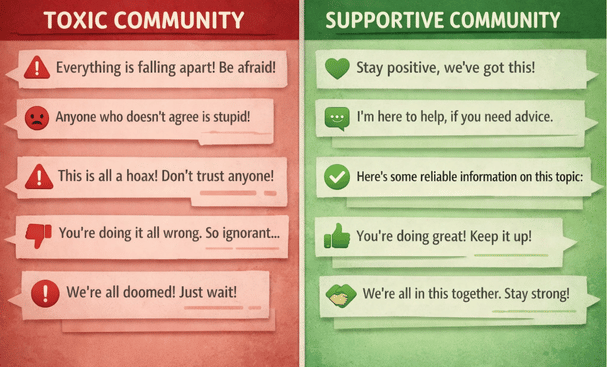
Constant fear-mongering is the biggest red flag. If every other post is someone panicking about rare complications or convinced their pregnancy is doomed based on minor symptoms, that anxiety becomes contagious. Healthy communities acknowledge real concerns while maintaining perspective. Toxic ones amplify anxiety until everyone’s terrified constantly.
Medical misinformation spreading unchecked means moderation has failed or doesn’t exist. If you see multiple posts recommending dangerous practices, discouraging medical care, or sharing conspiracy theories about vaccines or healthcare, run. This isn’t difference of opinion—it’s genuinely unsafe content that shouldn’t be normalized.
Judgment and mom-shaming ruins communities fast. Whether it’s about birth plans, feeding choices, medical decisions, or parenting approaches, communities that allow harsh judgment create hostile environments. You should be able to ask questions and share experiences without fear of being attacked for your choices.
Oversharing inappropriate content happens when boundaries don’t exist. Some topics require trigger warnings or shouldn’t be in general forums at all. Communities without clear guidelines about what’s appropriate end up with graphic birth trauma stories, detailed loss experiences, or other content that can be harmful when people aren’t prepared for it.
When to Leave and Find Something Better
If a community consistently makes you feel worse instead of better, that’s your sign to leave. Pregnancy is hard enough without adding community-induced anxiety or stress to the mix.
Trust your gut about whether interactions feel supportive or draining. Good communities leave you feeling less alone and more capable. Bad ones leave you more anxious and overwhelmed than before you logged on.
Don’t feel obligated to stay in a community just because you’ve been there since early pregnancy or because some individuals are helpful. Your mental health matters more than community loyalty, and there are better spaces out there.
Features That Make Communities Actually Useful
Beyond Just Being Able to Post
The technical features and structure of community spaces matter almost as much as the people in them. Apps that get this right make communities functional and valuable instead of frustrating time sinks.
Search functionality saves you from asking questions that have been answered repeatedly. Good search lets you filter by keywords, date ranges, and topics so you can find existing discussions before posting. This reduces repetitive content and helps you get answers faster.
Private messaging allows you to connect individually with members you click with or discuss sensitive topics outside public forums. Some of my best pregnancy friendships started with someone responding helpfully to my post, then us taking the conversation private and discovering we had tons in common.
Notification controls are essential because pregnancy communities can be extremely active. You need the ability to mute threads, turn off notifications for specific groups, or customize what alerts you get. Otherwise you’ll be overwhelmed with constant pings and probably disable all notifications, then miss actually important discussions.
Photo and video sharing with appropriate privacy controls lets you share ultrasound images, bump photos, nursery setups, or whatever you want feedback on. Apps that handle media well make these visual conversations easier and more engaging.
Expert access in some premium communities gives you occasional Q&A sessions with OBs, midwives, lactation consultants, or other professionals. This isn’t a replacement for your actual healthcare but can be helpful for general questions or guidance about when something warrants calling your provider.
Building Real Friendships Through Apps
From Digital Connections to Actual Support Systems
One thing nobody warns you about is how some of these online connections become genuinely important friendships that extend way beyond pregnancy. I’ve met women through apps who I now consider close friends years later, who’ve supported me through job changes, family issues, and subsequent pregnancies.
The transition from app community member to actual friend usually happens gradually. You notice you’re consistently enjoying someone’s posts or their responses resonate with you. You start chatting privately about non-pregnancy stuff. Maybe you connect on social media or text outside the app. Before you know it, you’ve got a real friendship that started because an algorithm put you in the same due date group.

Some apps facilitate this better than others by making it easy to connect outside the platform. Direct messaging, options to link social media profiles, or features that help you find members in your local area all support deeper connections beyond surface-level forum interactions.
Local meetups organized through apps take online communities into real life. Some apps have built-in event planning features, others just have members who take initiative to organize coffee dates or park playdates. These in-person connections can be amazing but require putting yourself out there beyond screen interactions.
Privacy Concerns in Community Spaces
Protecting Yourself While Staying Connected
Joining pregnancy communities means sharing personal information with strangers on the internet, which requires some thought about privacy and boundaries. Most apps do reasonable jobs protecting your data but you need to make smart choices about what you share.
Avoid posting identifying information that could let someone track down your real identity unless you’re comfortable with that. Full names, specific workplace details, exact due dates paired with location, photos with identifying backgrounds—all these things can be used to figure out who you are if someone wanted to.
Be thoughtful about sharing medical details publicly. While community support around complications or challenges is valuable, remember that anything you post could potentially be seen by insurance companies, employers, or others if data breaches happen or if platforms share information in ways you didn’t expect.
Some apps let you use pseudonyms or usernames instead of real names, which provides a layer of privacy while still allowing authentic connection. Take advantage of these features if available and consider what information is truly necessary to share versus what you’re posting out of habit.
Check privacy settings regularly because apps update terms and features constantly. What was private last month might default to public after an update unless you manually adjust settings. Set reminders to review privacy controls quarterly at minimum.
If you’re planning to discuss sensitive topics like previous losses, trauma, or medical complications that feel too private for public forums, use private messaging features or seek out closed groups specifically for those topics rather than posting in general communities.
Making Communities Work for Your Personality
Finding Your Right Level of Engagement
Not everyone uses pregnancy communities the same way and that’s completely fine. Your engagement level should match your personality and needs rather than following what other people do or what apps seem to expect.
Active participants post frequently, respond to others, build relationships, and treat the community as a central part of their pregnancy experience. If this is you, prioritize apps with robust, active communities and features that support deep engagement. You’ll get the most value from platforms where your involvement is reciprocated.
Occasional contributors browse regularly, ask questions when they arise, offer help when they have relevant experience, but don’t live in the community. This is probably the most common usage pattern. You want communities active enough that your occasional posts get responses, but you’re not interested in daily involvement.
Lurkers read posts without participating much or at all, learning from others’ experiences and questions without adding their own. There’s absolutely nothing wrong with this approach if it serves your needs. Just make sure the communities you join are active enough that lurking provides value through others’ discussions.
Your engagement level might shift throughout pregnancy too. Maybe you’re active in first trimester when anxiety is high and questions are constant, then pull back in second trimester when you’re feeling good, then ramp up again in third trimester preparing for birth. That’s totally normal and communities should support variable engagement.
Before you commit to any community-focused app, it helps to understand whether those interactive features genuinely improve your pregnancy experience or just create more digital noise you don’t need. Our guide covering pregnancy app privacy and security concerns breaks down what data these communities collect about you and how they use your personal information and conversations—because sharing intimate pregnancy details with thousands of strangers requires knowing exactly who else might have access to those discussions beyond just the supportive moms you’re connecting with.
The best pregnancy community is whatever helps you feel less alone and more supported during these nine months. Whether that’s a massive due date group, a small friend-matching app, or just occasional lurking in topic-specific forums, find what works for your personality and situation instead of forcing yourself into community formats that drain rather than energize you.

As an author at Felyro.com, I create actionable content on pregnancy tracking, offering practical tools, tips, and insights that empower mothers-to-be to stay informed and confident throughout their pregnancy.