

Alright, so you’ve decided you’re ready to have a baby. That’s huge! But before you toss out the birth control and start pickin’ out nursery colors, there’s some important groundwork to cover. Your doctor’s gonna want to run some blood tests to get a clear picture of your health status. Trust me, this isn’t just box-checkin’. These tests can reveal stuff that might affect your ability to conceive or carry a healthy pregnancy.
Look, I get it. Nobody loves gettin’ poked with needles. But these preconception blood tests are your first real step toward a healthy pregnancy. They help catch potential problems early, when they’re way easier to manage. Some of these conditions don’t even have symptoms, so you might not know there’s an issue until you test for it.
Why Blood Work Matters Before You Conceive
Here’s the deal. Pregnancy puts your body through major changes. Your blood volume increases by almost 50 percent. Your hormones go haywire. Your immune system shifts. If you’ve got underlying health issues, pregnancy can make them worse. And some conditions that seem minor when you’re not pregnant can cause serious complications once you are.
That’s where preconception blood work comes in. These tests establish your baseline health and identify any red flags that need addressin’ before you start tryin’. Maybe your iron’s low. Maybe you’re not immune to certain infections. Maybe there’s a blood type issue your doctor needs to know about. Whatever it is, it’s better to find out now than at your first prenatal appointment when you’re already pregnant.
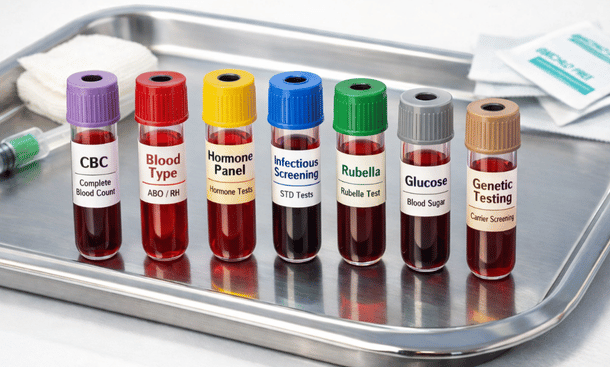
Complete Blood Count: Your Basic Health Snapshot
Your doctor’s gonna start with a complete blood count, which everyone in the medical field just calls a CBC. This test looks at your red blood cells, white blood cells, and platelets. It’s basically a health snapshot that tells your doctor how well your blood’s doin’ its job.
The CBC checks for anemia, which is super common in women of childbearing age. If you’re anemic, your blood doesn’t carry enough oxygen to your tissues. During pregnancy, anemia can make you feel exhausted and weak. It can also increase your risk of preterm delivery and low birth weight. The good news? It’s usually easy to fix with iron supplements or dietary changes.
The test also looks at your white blood cell count, which can indicate infection or immune system problems. And it checks your platelet levels, which affect how well your blood clots. Low platelets can cause problems during delivery, so your doctor needs to know about this ahead of time.
Blood Type and Antibody Screening
This one’s pretty straightforward but super important. Your doctor needs to know your blood type and whether you’re Rh positive or Rh negative. If you’re Rh negative and your baby’s father is Rh positive, there’s a chance your baby could be Rh positive too. That can cause what’s called Rh incompatibility.
Now don’t panic. Rh incompatibility is totally manageable, but your doctor needs to know about it from the start. If there’s a mismatch, you’ll get a shot called RhoGAM during pregnancy and after delivery. This prevents your body from makin’ antibodies that could attack your baby’s blood cells.
The antibody screening also checks for other antibodies in your blood that could cause problems. Some women develop these antibodies from previous pregnancies or blood transfusions. Again, knowin’ about this early means your doctor can monitor you more closely and take preventive steps.
Rubella and Varicella Immunity Testing
Here’s where things get interesting. Rubella, also called German measles, is usually mild if you catch it as an adult. But if you get rubella during pregnancy, especially in the first trimester, it can cause serious birth defects. We’re talkin’ heart problems, hearing loss, developmental delays, and vision issues.
Most people got the MMR vaccine as kids, which protects against measles, mumps, and rubella. But sometimes that immunity wears off over time. The blood test checks whether you still have protective antibodies. If you don’t, you’ll need a booster shot, and then you gotta wait at least a month before tryin’ to conceive.
Same deal with varicella, which is chickenpox. If you had chickenpox as a kid, you’re probably immune. But if you never had it and you’re not vaccinated, you need to get the vaccine before pregnancy. Chickenpox during pregnancy can cause birth defects and serious illness in newborns.
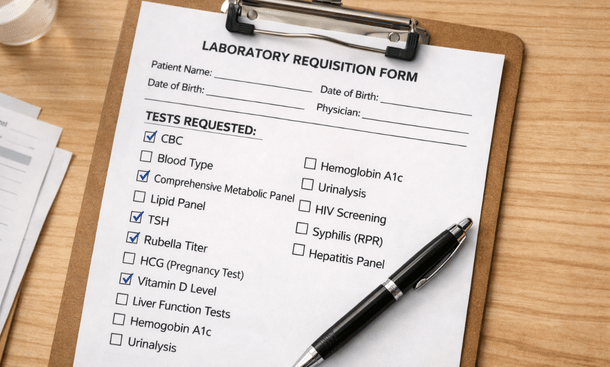
Sexually Transmitted Infection Screening
Okay, this part can feel awkward, but it’s crucial. Your doctor’s gonna test for sexually transmitted infections includin’ HIV, syphilis, hepatitis B, and hepatitis C. Before you get defensive, understand that these tests are standard for everyone. They’re not about your sexual history or number of partners. They’re about protectin’ your baby.
Here’s why this matters so much. Some STIs can be passed from mother to baby during pregnancy or delivery. HIV can be transmitted through the placenta or during breastfeeding. Syphilis can cause stillbirth or serious health problems in newborns. Hepatitis B can lead to chronic liver disease in babies who get infected.
The good news? Most of these infections are treatable. If you test positive for somethin’, your doctor can start treatment right away. For HIV, medications can reduce the viral load so much that the risk of transmission to your baby becomes extremely low. For syphilis, antibiotics can cure the infection. For hepatitis B, your baby can get vaccinated right after birth to prevent infection.
Genetic Carrier Screening
This is where blood work gets really high-tech. Genetic carrier screening checks whether you carry genes for inherited disorders like cystic fibrosis, sickle cell disease, Thalassemia, or spinal muscular atrophy. Being a carrier means you have one copy of a gene mutation, but you don’t have the disease yourself.
The thing is, if both you and your partner are carriers of the same condition, there’s a 25 percent chance your baby could inherit two copies of the mutation and actually have the disease. Knowin’ this ahead of time gives you options. You might choose to work with a genetic counselor. You might consider IVF with genetic testing of embryos. Or you might just want to be prepared and informed.
The American College of Obstetricians and Gynecologists recommends carrier screening for everyone, regardless of ethnicity. Different populations have higher rates of certain conditions, but anyone can be a carrier. The test is usually a simple blood draw, though sometimes they use a saliva sample.
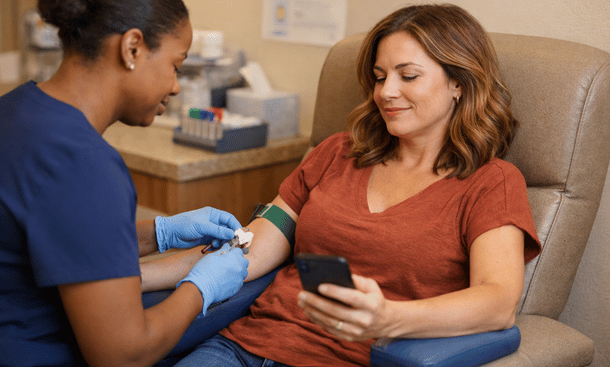
Routine Blood Test
Thyroid Function Tests
Your thyroid is this little butterfly-shaped gland in your neck that controls your metabolism. It might be small, but it has a massive impact on fertility and pregnancy. Thyroid problems are incredibly common in women, and they often go undiagnosed because the symptoms are vague.
Your doctor will check your thyroid-stimulating hormone, or TSH, which indicates how well your thyroid’s workin’. High TSH means your thyroid’s underactive, a condition called hypothyroidism. Low TSH suggests an overactive thyroid, or hyperthyroidism. Both conditions can make it harder to get pregnant and can cause complications during pregnancy.
Hypothyroidism during pregnancy increases the risk of miscarriage, preeclampsia, and developmental delays in the baby. Hyperthyroidism can cause preterm birth and low birth weight. But here’s the good news. Both conditions are totally manageable with medication. Once your levels are stable, you can conceive safely.
When to Get These Tests Done
Timing matters here. You don’t want to schedule these tests the day before you plan to start tryin’. Ideally, you should get preconception blood work done about three months before you want to conceive. This gives you time to address any issues that come up.
If the tests reveal that you need vaccinations, you’ll have to wait before gettin’ pregnant. If you’re anemic, you’ll need time to build up your iron stores. If you have a thyroid problem, it might take a few weeks to get your medication dose right. Basically, you want enough runway to get everything optimized.
Schedule a preconception appointment with your OB-GYN or family doctor. They’ll order the appropriate tests based on your age, medical history, and family background. Most insurance plans cover preconception care, but it’s worth checkin’ with your provider to understand your coverage.
What Happens After the Results Come In
Once your results are back, your doctor will go over them with you. If everything looks good, you’ll get the green light to start tryin’. If somethin’ needs attention, your doctor will create a treatment plan.
Don’t freak out if somethin’ comes back abnormal. Most issues are fixable with medication, lifestyle changes, or simple interventions. The whole point of these tests is to catch problems early when they’re easiest to manage. You’re doin’ yourself and your future baby a huge favor by gettin’ checked out now.
Some results might lead to additional testing or referrals to specialists. For example, if your thyroid levels are off, you might see an endocrinologist. If genetic screening reveals that you’re a carrier, you’ll probably meet with a genetic counselor. These extra steps might feel like delays, but they’re investments in a healthier pregnancy.
Moving Forward with Confidence
Look, preconception blood work might seem like a hassle. One more appointment to squeeze into your schedule. One more copay. One more thing on your to-do list. But trust me, it’s worth it. These tests give you crucial information about your health and help you start your pregnancy journey from the strongest possible position.
Think of it this way. You wouldn’t start a road trip without checkin’ your tire pressure and oil level, right? Same concept here. You’re about to embark on one of the biggest journeys of your life. A little preparation goes a long way.
Once you’ve completed your blood work and addressed any concerns, you’ll feel so much more confident about tryin’ to conceive. You’ll know that you’ve done everything possible to set yourself up for success. And that peace of mind? That’s priceless.
Remember that these blood tests are just one part of comprehensive preconception planning. You’ll also want to think about fertility hormone testing to assess your reproductive potential and make sure all your bases are covered. And if you want a complete overview of all the medical assessments recommended before pregnancy, check out our complete guide to preconception health tests for the full picture.
