
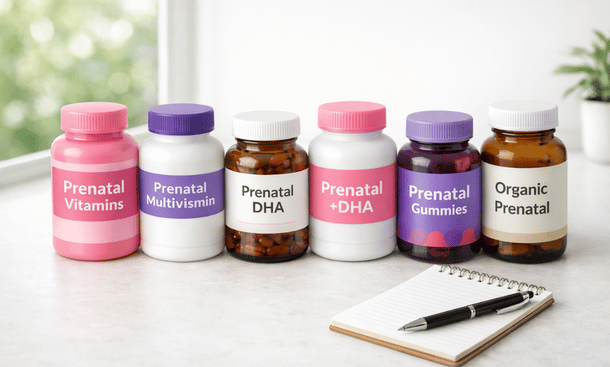
Alright, let’s talk about the elephant in the room: there are literally hundreds of prenatal vitamins out there, and they all claim to be the best thing since sliced bread. Every bottle promises optimal nutrition, superior absorption, and basically guarantees you’ll have the healthiest baby ever.
It’s exhausting. And expensive. And honestly, most of it is just marketing fluff.
I’ve spent way too many hours comparing labels, researching ingredient forms, reading third-party testing reports, and yeah, even buying bottles of vitamins I ended up tossing because they made me nauseous or didn’t contain what I actually needed.
So let me save you the time, money, and frustration. I’m gonna break down what actually matters when choosing a prenatal vitamin, which brands deliver on their promises, and which ones are just charging you forty bucks for fancy packaging and Instagram ads.
What Actually Matters in a Prenatal Vitamin
Before we get into specific brands, you need to know what to look for. Otherwise, you’re just guessing based on pretty labels and influencer recommendations.
Here’s what actually counts.
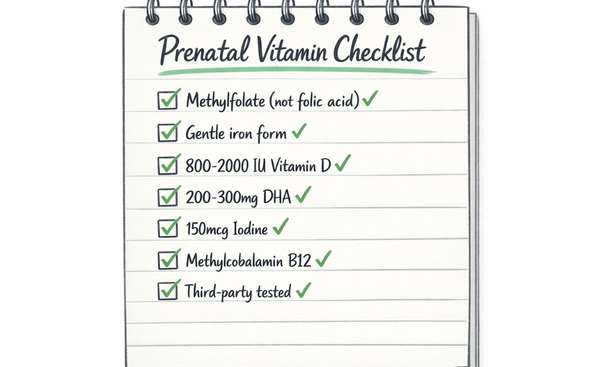
First, the form of folate matters tremendously. You want methylfolate (L-methylfolate, 5-MTHF) not folic acid. We’ve covered why the difference between these two forms is so critical for your body’s ability to actually use this nutrient, but the short version is that methylfolate works for everyone while folic acid leaves 40 to 60 percent of women unable to convert it efficiently.
Second, look at iron content and form. You need iron, but not all forms are created equal. Ferrous bisglycinate (also called iron bisglycinate or chelated iron) is the most absorbable and causes way less digestive upset than ferrous sulfate or ferrous fumarate. Some women can’t tolerate any iron in their prenatal and need to take it separately—that’s fine too.
Third, check the vitamin D dose. You want at least 800 to 1,000 IU, and honestly 2,000 IU is better for most women. A lot of prenatals skimp here.
Fourth, DHA content. This omega-3 fatty acid is crucial for fetal brain development, but many prenatals don’t include it at all. You want at least 200 to 300 milligrams of DHA. If your prenatal doesn’t have it, you’ll need a separate supplement.
Fifth, look for iodine. This is one nutrient that gets left out of way too many prenatals, and you need 150 micrograms daily. No iodine? That’s a deal-breaker for me.
Sixth, the vitamin B12 form. Methylcobalamin is preferable to cyanocobalamin because it’s the active form your body uses directly.
And finally, third-party testing. Look for certifications from NSF International, USP (United States Pharmacopeia), or ConsumerLab. These indicate that what’s on the label is actually in the bottle and that it’s free from contaminants.
The Brands That Actually Deliver
Let me be clear: I’m not getting paid by any of these companies. I have no affiliate relationships. These are just the brands that meet the criteria above based on my research and label analysis.
Thorne Basic Prenatal is one of the most comprehensive options out there. It contains methylfolate at 1 milligram (that’s 1,000 micrograms, well above the minimum), chelated iron that’s easy on your stomach, 1,000 IU of vitamin D, adequate iodine, and methylcobalamin B12. The downside? It doesn’t contain DHA, so you’ll need a separate omega-3 supplement. It’s also six capsules per day, which sounds like a lot but they’re smaller than most horse-pill prenatals. Thorne is NSF certified for sport, which means it’s tested for purity and banned substances.
Ritual Essential Prenatal has gotten a lot of buzz, and honestly, it’s pretty solid. It contains methylfolate, chelated iron, 2,000 IU of vitamin D, and includes DHA from microalgae (so it’s vegan-friendly). The vitamin E is from a quality source, and it’s third-party tested. The delayed-release capsules are designed to minimize nausea. The main criticism? It’s on the pricier side at about 35 bucks a month, and some people find the minty scent off-putting. Also, it doesn’t contain calcium, but honestly, most prenatals don’t because calcium makes the pills enormous.
FullWell Prenatal Multivitamin is the gold standard if money is no object. This is what a lot of fertility doctors and functional medicine practitioners recommend. It contains optimal doses of everything—methylfolate, chelated minerals, methylcobalamin, adequate vitamin D, iodine, and even some choline (which most prenatals completely skip). The catch? It’s eight capsules per day and costs around 50 to 60 dollars per month. No DHA included, so that’s separate. But if you want the absolute best and most comprehensive formula, this is it.
Seeking Health Optimal Prenatal is another high-quality option with methylfolate, well-absorbed mineral forms, and comprehensive B vitamin support. It’s designed by a naturopathic doctor who specializes in MTHFR and methylation issues. Eight capsules daily, no DHA, runs about 40 to 45 dollars monthly. Third-party tested for purity.
Garden of Life mykind Organics Prenatal is the best option if you want something organic and whole-food based. It contains folate from organic lemon peel (which is naturally occurring folate, not synthetic folic acid), iron from organic curry leaf, and nutrients from real food sources. It’s vegan, certified organic, and Non-GMO Project verified. The trade-off is that food-based nutrients are bulkier, so it’s three tablets daily, and the doses of some nutrients are lower than synthetic versions. No DHA. About 25 to 30 dollars monthly.
Needed Prenatal Multi Powder is unique because it’s a powder you mix into water or a smoothie instead of swallowing pills. Great if you have trouble with capsules or nausea. Contains methylfolate, chelated minerals, and comprehensive nutrition. No DHA. The powder format lets you adjust the dose if needed. About 50 dollars monthly.
The Mid-Range Options That Are Decent
Not everyone can drop 50 bucks a month on vitamins. I get it. Here are some more affordable options that still meet most of the important criteria.
Nature Made Prenatal Multi + DHA is probably the best drugstore option. It contains folic acid (not methylfolate, which is the main compromise here), but it does include DHA in the same softgel, which is convenient. It’s USP verified, widely available, and costs about 15 to 20 dollars monthly. If budget is your primary concern and you don’t have known MTHFR issues, this is a solid choice.
New Chapter Perfect Prenatal is made from fermented whole foods and contains folate (not folic acid), though the form isn’t specified as methylfolate. It’s gentle on an empty stomach, which is a huge plus if you have morning nausea. Contains iron from organic spinach. No DHA. About 25 to 35 dollars depending where you buy it.
MegaFood Baby & Me 2 is another whole-food based option with folate from broccoli, iron from organic spinach, and nutrients from real food. Two tablets daily. No DHA. Certified gluten-free, vegetarian, Non-GMO Project verified. About 25 to 30 dollars monthly.
What About Gummy Prenatals?
Look, I’m not gonna sugarcoat this: gummy vitamins are pretty much always inferior to capsules or tablets.
Here’s why. Gummies can’t contain iron because iron destroys the gummy texture and makes them taste awful. So right off the bat, you’re missing a critical nutrient unless you supplement separately.
Gummies also typically have lower doses of other nutrients because there’s only so much you can pack into a gummy format. The sugar or sugar alcohols needed to make them palatable take up space.
And yeah, they contain added sugars or sweeteners. Not a huge deal in the grand scheme of things, but it’s something to consider if you’re watching your sugar intake.
That said, if the choice is between taking a gummy prenatal and taking nothing because you can’t stomach pills, take the gummy. Just make sure you’re adding a separate iron supplement and checking that you’re getting adequate amounts of the key nutrients.
SmartyPants Prenatal Formula is probably the best gummy option if you go this route. It contains methylfolate (not folic acid), includes DHA, and has decent doses of most vitamins. No iron, obviously. Six gummies daily. About 20 to 25 dollars monthly.
The Brands I’d Skip
I’m gonna be honest about a few popular brands that don’t make the cut.
One A Day Prenatal vitamins are everywhere and they’re cheap, but they contain folic acid instead of methylfolate, low doses of several nutrients including vitamin D, and the mineral forms aren’t well-absorbed. You can do better even at the same price point.
Vitafusion Prenatal Gummies are hugely popular because they taste like candy, but they’re missing iron, choline, and several other important nutrients, plus they contain multiple forms of sugar. If you’re gonna do gummies, SmartyPants is better.
Store-brand prenatals are hit or miss. Some are fine (like Costco’s Kirkland Signature Prenatal, which is actually decent), but many use folic acid, low-quality mineral forms, and minimal third-party testing. Check the labels carefully.
Any prenatal that doesn’t list the specific forms of nutrients (like just saying “folate” without specifying whether it’s folic acid or methylfolate, or “iron” without specifying the form) is a red flag. Quality brands are transparent about what’s in their products.
How to Choose What’s Right for You
Start with your specific needs and constraints.
If you have MTHFR gene variations or a family history of neural tube defects, methylfolate is non-negotiable. That immediately narrows your options to the premium brands or specific mid-range options.
If you have trouble swallowing pills, look at powder formulations like Needed or gummy options, understanding the trade-offs.
If iron makes you nauseous or constipated, choose a prenatal with gentle chelated iron (like ferrous bisglycinate) or one without iron and supplement separately with a liquid iron or take it at a different time of day.
If you’re vegetarian or vegan, make sure your prenatal contains adequate B12 (as methylcobalamin), iron from plant sources or chelated forms, and DHA from algae rather than fish.
If budget is tight, Nature Made Prenatal Multi + DHA gives you decent coverage for around 20 bucks. Use the extra money you save to buy quality whole foods rich in the nutrients we break down as essential for preconception.
If you want the absolute best regardless of cost and don’t mind multiple capsules, FullWell or Thorne are top-tier choices.
What About DHA Supplements?
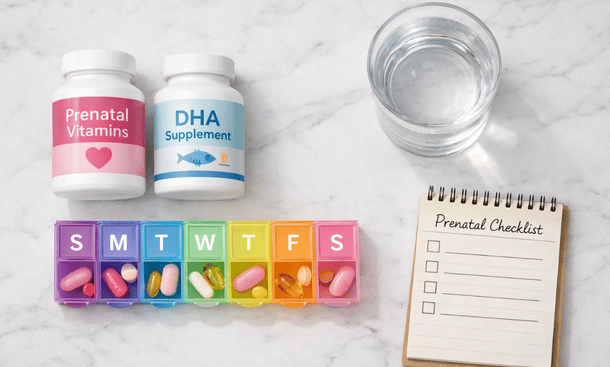
Since most prenatals either skip DHA entirely or include inadequate amounts, you’ll likely need a separate omega-3 supplement.
Look for one that provides at least 200 to 300 milligrams of DHA specifically (not just total omega-3s). The form should be triglyceride or phospholipid rather than ethyl ester for better absorption.
Nordic Naturals Prenatal DHA is the gold standard. It’s third-party tested for purity and mercury, contains 480 milligrams of DHA per serving, and uses triglyceride form fish oil. About 20 to 30 dollars monthly.
Ritual Essential Prenatal already includes DHA from algae, so if you choose this prenatal, you don’t need a separate omega-3.
For vegan options, Ovega-3 DHA provides algae-based omega-3s with 300 milligrams of DHA per softgel.
The Third-Party Testing Question
This is something a lotta people overlook, but it’s actually really important.
Supplements aren’t regulated the same way prescription medications are. The FDA doesn’t test or approve supplements before they hit the market. Companies are responsible for ensuring their own products are safe and accurately labeled.
Third-party testing organizations like NSF International, USP, and ConsumerLab independently verify that supplements contain what they claim and are free from contaminants like heavy metals, pesticides, and microorganisms.
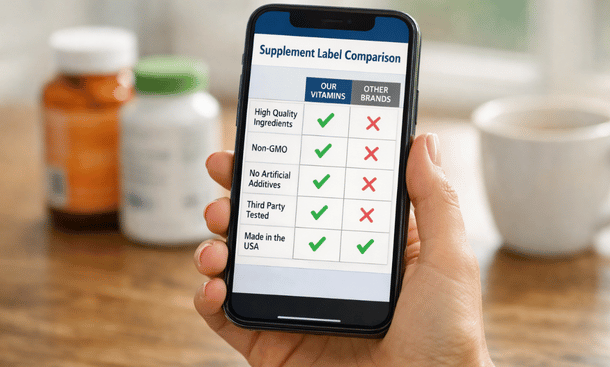
When you see these certifications on a label, it means the company has paid for independent verification and is confident enough in their manufacturing process to put it through scrutiny.
Is third-party testing required? No. But it’s a sign of a quality brand that’s willing to be transparent and accountable.
Thorne, Ritual, Nordic Naturals, and Nature Made all have third-party testing or certifications. FullWell and Seeking Health publish certificates of analysis for each batch on their websites.
If a brand doesn’t mention any third-party testing or verification, that doesn’t automatically mean it’s bad, but it does mean you’re taking their word for it that what’s on the label is accurate.
When to Start Taking Your Prenatal
You should start taking a prenatal vitamin at least one month before you start trying to conceive. Three months is even better.
Why? Because it takes time for your body to build up nutrient stores, especially for things like folate and iron. The neural tube develops in the first 28 days after conception—often before you even know you’re pregnant—so you want those nutrients on board already.
If you’re reading this and you’re already trying to conceive or you just found out you’re pregnant and you haven’t been taking anything, don’t panic. Start now. It’s never too late to begin giving your body the support it needs.
But if you’re in the planning stages, use that time wisely. Get your nutrition dialed in now, and you’ll have one less thing to worry about when you get that positive test.
For the complete timeline of when to start everything and what else you should be doing to prepare your body, check out our guide on when to start taking preconception vitamins—because timing matters more than most people realize.
The Bottom Line
Here’s what I want you to take away from all this.
The “best” prenatal vitamin is the one that contains the right forms of nutrients in adequate doses, that you’ll actually take consistently, and that fits your budget and lifestyle.
A 60-dollar prenatal that makes you so nauseous you can’t keep it down isn’t better than a 25-dollar one that you tolerate well. A comprehensive formula that requires eight capsules daily isn’t better if you can’t stick with it.
Start with the criteria that matter most—methylfolate, absorbable iron, adequate vitamin D, iodine, and B12. Then factor in your budget, your tolerance for pills versus powders versus gummies, and whether you need DHA included or you’re willing to take it separately.
Read labels carefully. Don’t be swayed by pretty packaging or influencer endorsements. Look for third-party testing certifications. And remember that supplements are meant to supplement a healthy diet, not replace it.
You’re doing the right thing by researching this stuff and taking your preconception health seriously. That matters more than which specific brand you choose.
Choosing a prenatal vitamin shouldn’t feel like you need a PhD in nutrition, but I’ll be real with you—the supplement industry doesn’t make it easy. Between the marketing hype and the massive price differences, it’s tough to know what you’re actually paying for.
Now that you know which brands deliver real value and which nutrients matter most, you’re equipped to make a smart decision. Just remember: the fancy bottle means nothing if you’re not actually taking it consistently or if it doesn’t contain the right forms of what you need.
And here’s the thing—getting the right prenatal is just one piece of your preconception strategy. Knowing exactly how far in advance to start taking everything makes a real difference in building up those nutrient stores your body needs. That’s why you should read up on the complete timeline for when to start preconception vitamins so you’re not leaving anything to chance.
Of course, all of this fits into the bigger picture of preconception nutrition. Head back to our complete guide to preconception vitamins to see how everything works together and make sure you’re covering all your bases before you start trying.
