
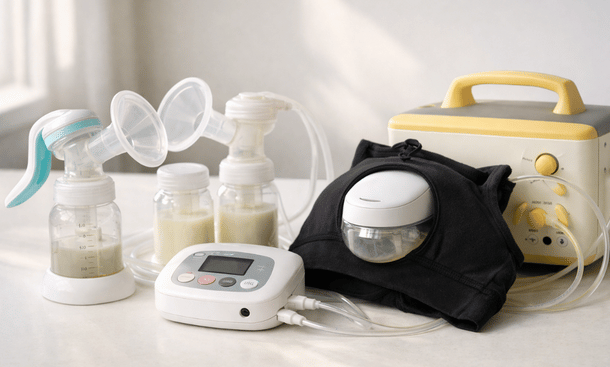
Listen, walkin’ into a baby store and seein’ fifty different pumps on the shelf? Totally overwhelming. I get it. Whether you’re pumpin’ once a day or eight times, there’s a pump style that’ll match your rhythm—and honestly, pickin’ the wrong one can make this whole breastfeeding thing way harder than it needs to be. That’s why I put together this breakdown of every pump type out there, from old-school manual to those fancy hands-free models everyone’s talkin’ about. And if you’re still figurin’ out which specific brand or model to grab, my full comparison of the best pumps available right now covers all the top picks for 2026.
Manual Breast Pumps: The Budget-Friendly Backup
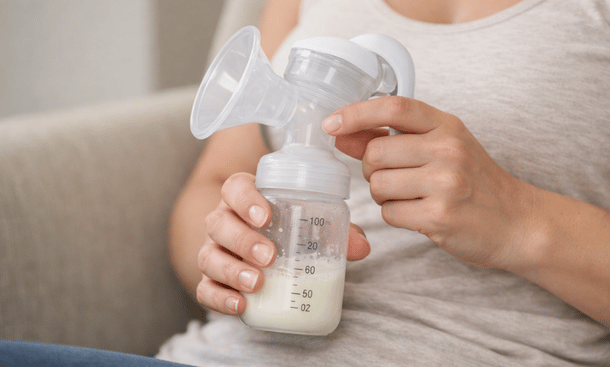
Manual pumps are exactly what they sound like—you’re doin’ all the work yourself. No batteries, no electricity, just you and a handle that you squeeze to create suction. Think of it like a bicycle pump but for your breasts.
Now before you roll your eyes and move on, hear me out. Manual pumps aren’t gonna be your go-to if you’re pumpin’ eight times a day at work. But they’ve got their place, especially for moms who only need to pump occasionally or want a solid backup option.
The beauty of manual pumps is their simplicity. They’re quiet as a mouse, fit in your purse without takin’ up half the space, and you can use ’em literally anywhere. No need to hunt for an outlet or worry about dead batteries when you’re visitin’ your mother-in-law in Jersey.
I always tell moms to keep one around even if it’s not their main pump. Got a clogged duct? Manual pumps give you total control over the suction and angle. Need to relieve engorgement in the middle of the night without wakin’ up the baby with motor noise? Manual pump’s got your back.
The downside is pretty obvious—your hand’s gonna get tired. If you’re pumpin’ for twenty minutes on each side multiple times a day, that repetitive motion adds up fast. Plus, most manual pumps are single-sided only, which means double the time compared to a double electric.
Price-wise, you’re lookin’ at anywhere from twenty to fifty bucks for a decent manual pump. The Haakaa is super popular right now and it’s basically a silicone suction cup that works on the letdown reflex. Some moms swear by it for catchin’ milk from one side while baby nurses on the other.
Electric Single Pumps: The Middle Ground
Electric single pumps do the work for you but only on one breast at a time. They run on either batteries or plug into the wall, and they’ve got a motor that creates the suction rhythm automatically.
These are a step up from manual in terms of convenience but they’re not quite as efficient as double pumps. If you’re only pumpin’ once or twice a day—maybe to build a small freezer stash or to cover an occasional night out—a single electric might be all you need.
The main advantage here is that you get the hands-free suction without the premium price tag of a double pump. Your hand gets a break and you can scroll through your phone or actually drink your coffee while it’s still hot.
But here’s the reality check. If you’re back at work and pumpin’ on lunch breaks, that extra time adds up. Pumpin’ each side separately means you’re lookin’ at thirty to forty minutes total instead of fifteen to twenty with a double pump. That might not sound like much but when you’re squeezin’ it into a busy day, those minutes matter.
Battery life can be hit or miss with single electrics too. Some of ’em eat through AAs like candy, which gets expensive fast. If you go this route, invest in rechargeable batteries or spring for a model with a built-in rechargeable battery.
Most single pumps run between sixty and a hundred and twenty dollars. They’re not typically covered by insurance the way double electrics are, so you’re usually payin’ out of pocket.
Double Electric Pumps: The Workhorse for Working Moms
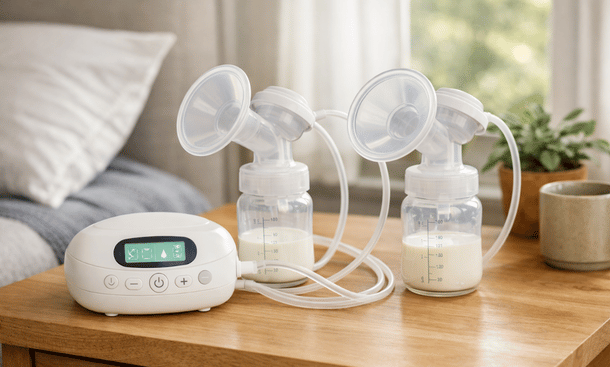
Alright, this is where most exclusive pumpers and workin’ mamas end up. Double electric pumps let you pump both breasts at the same time, which cuts your pumpin’ sessions in half. If efficiency is what you’re after, this is your answer.
These pumps come with two flanges, which are the cone-shaped parts that go over your nipple, two bottles, and tubing that connects everything to the motor. You get adjustable suction levels and speed settings so you can customize what feels comfortable and what gets you the best output.
The time-savin’ alone is huge. When you’re pumpin’ three or four times during an eight-hour workday, shavin’ ten or fifteen minutes off each session means you’re not livin’ in the pump room. You actually get to eat lunch or return a few emails.
Most double electrics these days also have a letdown mode that mimics how babies nurse—faster, lighter sucking at the start to trigger your milk ejection reflex, which is the fancy term for letdown, then switching to slower, deeper pulls once the milk’s flowin’. This makes a real difference in how much milk you get and how comfortable the whole process feels.
The trade-off is size and noise. Double electrics are bulkier than manual or single pumps. You’re not tossin’ this in your crossbody bag for a quick trip to Target. And while manufacturers keep tryin’ to make ’em quieter, there’s still a rhythmic motor sound that some moms find embarrassin’ in shared pump rooms or thin-walled offices.
Insurance coverage is your friend here. Thanks to the Affordable Care Act, most insurance plans cover one breast pump per pregnancy. Double electrics from brands like Spectra, Medela, and Motif are usually on the approved list. You might have to go through a specific supplier or fill out some paperwork, but it beats payin’ two hundred to three hundred dollars out of pocket.
Wearable Pumps: Hands-Free Freedom
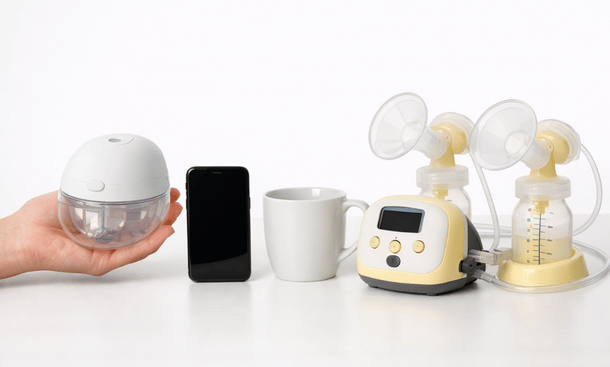
Wearable pumps are the new kids on the block and they’re changin’ the game for a lot of moms. These are compact, cordless pumps that fit inside your bra so you can move around while pumpin’. No tubes danglin’, no bottles to balance, no being tethered to an outlet.
Brands like Elvie, Willow, and Momcozy pioneered this category and now there’s a bunch of options at different price points. The idea is that you can pump while you’re workin’ at your computer, foldin’ laundry, or even drivin’—though I’d argue that last one’s a bit ambitious dependin’ on your letdown strength.
The freedom is legit. For moms who work from home or have jobs where they’re movin’ around a lot, wearable pumps mean you don’t lose chunks of your day to sittin’ still in a pump room. You pop ’em in your bra, turn ’em on with an app on your phone, and go about your business.
But let’s keep it real. Wearable pumps don’t work equally well for everyone. If you’ve got a heavy letdown or produce a lot of milk per session, some of these pumps max out their collection capacity pretty quick. The smaller collection cups mean you might need to empty them mid-session, which kinda defeats the hands-free purpose.
They’re also not as powerful as traditional double electrics. Some moms find they don’t empty as thoroughly, which over time can mess with your supply. And the price tag is rough—most wearable pumps run between three hundred and five hundred dollars, and insurance coverage is spottier than with traditional pumps.
Cleaning is another consideration. Wearable pumps have more small parts and sometimes trickier designs to get fully clean. When you’re already exhausted and pumpin’ multiple times a day, that extra hassle adds up.
That said, for the right person in the right situation, wearable pumps are absolute lifesavers. I’ve talked to moms who say they couldn’t have kept up their supply without the flexibility these pumps gave them.
Hospital-Grade Pumps: The Heavy Artillery
Hospital-grade pumps are the most powerful option out there. These are the big, often bulky machines you see in NICUs and lactation clinics. They’re built to withstand heavy use and provide stronger, more consistent suction than personal-use pumps.
The main difference is in the motor. Hospital-grade pumps have closed systems, which means there’s a barrier that keeps milk from gettin’ into the tubing and motor. This makes them safer for multiple users, which is why hospitals can rent them out. They also maintain suction strength even with frequent, long pumpin’ sessions.
Most moms don’t need a hospital-grade pump. But there are specific situations where they make a huge difference. If your baby’s in the NICU and can’t nurse directly, a hospital-grade pump helps you establish and maintain your supply during those crucial early weeks. If you’re pumpin’ for multiples, dealin’ with low supply issues, or exclusively pumpin’ for months on end, the extra power and reliability matter.
You typically don’t buy these outright. Instead, you rent them monthly through medical supply companies or lactation consultants. Insurance often covers rentals for medical necessity, especially in NICU situations. Rental fees run anywhere from fifty to a hundred and fifty dollars a month dependin’ on the model.
The downside is obvious—they’re not portable. You’re not takin’ a hospital-grade pump to work every day. They’re meant to stay in one spot at home where you do most of your pumpin’.
Matching Your Pump to Your Life
Here’s the bottom line. The right pump for you depends on your specific situation, not on what worked for your sister or what some influencer’s pushin’ on Instagram.
If you’re pumpin’ occasionally and mainly nurse directly, a manual pump or single electric probably does the job. If you’re back at work full-time and pumpin’ multiple times a day, a double electric is pretty much essential. If you need max flexibility and portability and you’ve got the budget for it, wearable pumps might be worth explorin’. And if you’re in a medical situation where supply is critical, don’t mess around—go straight for a hospital-grade rental.
Think about where you’ll be pumpin’ most often. Is it at home with access to outlets? In a car? In a shared office pump room? How much time do you realistically have for each session? What’s your insurance gonna cover?
There’s no shame in startin’ with one type and switchin’ if it’s not workin’. Plenty of moms end up with two pumps—maybe a double electric for work and a manual for the diaper bag. Or a wearable for day-to-day and a hospital-grade rental for power pumpin’ sessions to boost supply.
The pump that helps you meet your breastfeeding goals—whatever those goals are—is the right pump. Period.
Your Next Steps
Now that you know what each pump type brings to the table, you can start narrowin’ down what makes sense for your situation. Sometimes though, even after understandin’ all the categories, you’re still stuck wonderin’ whether you genuinely need the muscle of a hospital-grade machine or if a solid personal pump will handle your needs just fine—and that’s where understandin’ the real differences between hospital-grade and personal pumps beyond just the sticker price becomes super important.
And once you’ve settled on your pump type, don’t forget that the pump itself is just one piece of the puzzle. The accessories and extras you pair with it can make or break your pumpin’ experience, so make sure you’re set up with everything you actually need before baby arrives. For the complete picture of how all these pump types stack up when you’re lookin’ at specific models and brands, my comprehensive guide to the best breast pumps available this year walks you through all the top options across every category so you can make your final choice with confidence.

As a Felyro.com content author, I develop actionable content on breastfeeding, translating research-backed information into practical advice for mothers. My goal is to help families establish healthy feeding habits, improve maternal confidence, and support infant development.