
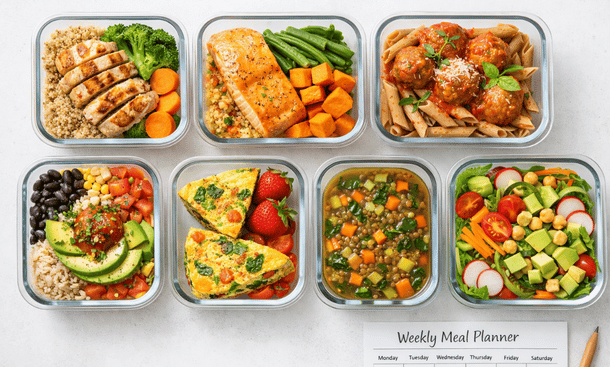
I’ll never forget standing in front of my open refrigerator at seven months pregnant, absolutely starving but unable to figure out what to eat. I had groceries. I had ingredients. But putting together an actual meal felt completely overwhelming when I was exhausted and my brain was in pregnancy fog.
That’s when I realized I needed a system. Not some complicated meal plan from a fancy wellness blog, but a simple, realistic approach to making sure I was eating well without having to think too hard about it every single day.
Meal planning during pregnancy isn’t about being perfect or following some strict diet. It’s about making your life easier while making sure you and your baby get the nutrients you need. And honestly, it saved my sanity during both pregnancies.
Let me walk you through practical meal planning strategies that actually work for real life, plus everything you need to know about staying hydrated.
Why Meal Planning Matters During Pregnancy
When you’re pregnant, your nutritional needs change and increase significantly. You need more protein, more iron, more calcium, more folate and more of basically everything. But you’re also dealing with fatigue, nausea, food aversions, heartburn and a million other things that make eating well more challenging.
Meal planning takes the guesswork out of what to eat. You’re not standing in the kitchen at six o’clock, hungry and tired, trying to figure out dinner. You already know what you’re making because you planned it ahead.
It also helps ensure you’re getting a good variety of nutrients throughout the week instead of falling into a rut of eating the same three things over and over.
Plus it saves money. When you plan meals around what’s on sale and what you already have, you waste less food and spend less on random takeout because you couldn’t figure out what to cook.
I saved probably two hours per week just by not having to think about meals every single day. That time went toward resting, which I desperately needed.
First Trimester Meal Planning: Surviving Morning Sickness
The first trimester is rough for most women. Between the nausea, exhaustion and food aversions, eating anything at all can feel like an accomplishment.
Your meal plan during this time needs to be flexible and focused on foods that don’t trigger nausea. Forget about elaborate recipes or perfectly balanced meals. The goal is getting calories and nutrients down and keeping them down.
First Trimester Weekly Menu Example
Monday
- Breakfast: Plain oatmeal with sliced banana
- Snack: Saltine crackers with ginger tea
- Lunch: Chicken noodle soup with whole grain crackers
- Snack: Apple slices with string cheese
- Dinner: Baked potato with butter and a small side salad
Tuesday
- Breakfast: Whole wheat toast with avocado
- Snack: Greek yogurt
- Lunch: Turkey and cheese sandwich on white bread (whatever you can handle)
- Snack: Pretzels
- Dinner: Plain pasta with a little olive oil and parmesan
Wednesday
- Breakfast: Scrambled eggs with toast
- Snack: Banana
- Lunch: Grilled cheese sandwich with tomato soup
- Snack: Handful of almonds
- Dinner: Rice bowl with plain grilled chicken and steamed carrots
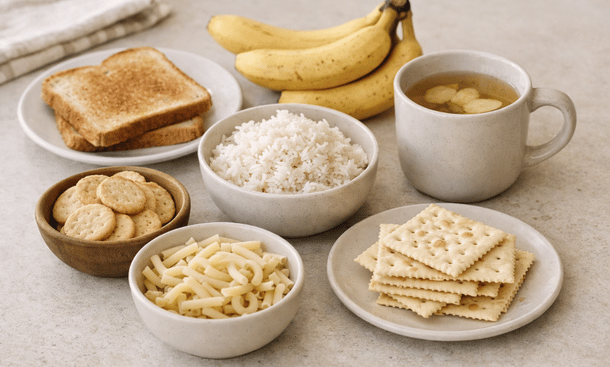
Comforting Bland Foods
Thursday
- Breakfast: Smoothie with banana, yogurt and a little honey
- Snack: Graham crackers
- Lunch: Leftover rice bowl
- Snack: Orange slices
- Dinner: Baked chicken breast with mashed potatoes
Friday
- Breakfast: Cereal with milk
- Snack: Cheese and crackers
- Lunch: Quesadilla with just cheese
- Snack: Applesauce
- Dinner: Mild fish like tilapia with white rice and green beans
Saturday
- Breakfast: Pancakes with a little syrup
- Snack: Smoothie
- Lunch: Leftovers or whatever sounds good
- Snack: Popcorn
- Dinner: Homemade pizza with simple toppings
Sunday
- Breakfast: French toast
- Snack: Fruit salad
- Lunch: Baked potato with toppings
- Snack: Trail mix
- Dinner: Slow cooker chicken with vegetables
Notice these meals are pretty simple and bland. That’s on purpose. When you’re nauseous, complicated flavors and strong smells can make everything worse.
Keep backup options like frozen meals, canned soup and simple sandwiches available for days when even your planned meals sound terrible.
I lived on bagels, plain pasta and chicken noodle soup for about six weeks. It wasn’t fancy but it kept me fed.
Second Trimester Meal Planning: Getting Nutrients Back on Track
The second trimester is usually when energy returns and appetite comes back. This is your opportunity to focus on nutrient-dense meals now that you can actually enjoy eating again.
Your baby is growing rapidly and your nutritional needs are increasing, especially for protein, iron and calcium.
Second Trimester Weekly Menu Example
Monday
- Breakfast: Greek yogurt parfait with granola and berries
- Snack: Hard-boiled egg with whole grain crackers
- Lunch: Spinach salad with grilled chicken, chickpeas, tomatoes and balsamic dressing
- Snack: Apple with peanut butter
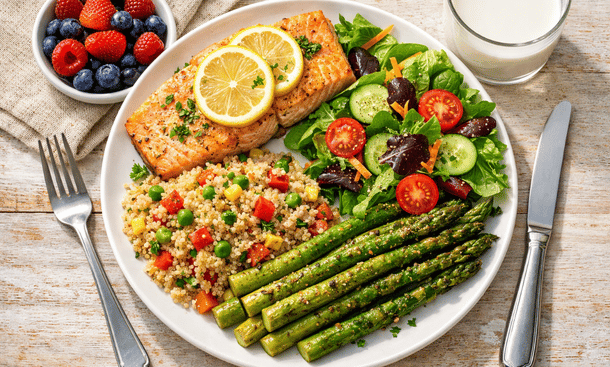
- Dinner: Baked salmon with quinoa and roasted broccoli
Tuesday
- Breakfast: Scrambled eggs with spinach, whole wheat toast and orange juice
- Snack: String cheese with grapes
- Lunch: Turkey and avocado wrap with carrot sticks and hummus
- Snack: Trail mix
- Dinner: Beef and vegetable stir-fry over brown rice
Wednesday
- Breakfast: Oatmeal with walnuts, chia seeds and sliced strawberries
- Snack: Cottage cheese with pineapple
- Lunch: Lentil soup with a side salad and whole grain roll
- Snack: Celery with almond butter
- Dinner: Chicken fajitas with peppers, onions and whole wheat tortillas
Thursday
- Breakfast: Whole grain waffles with yogurt and fresh fruit
- Snack: Handful of almonds
- Lunch: Leftover stir-fry
- Snack: Smoothie with spinach, banana, berries and protein powder
- Dinner: Baked chicken breast with sweet potato and green beans
Friday
- Breakfast: Veggie omelet with whole wheat toast
- Snack: Greek yogurt with honey
- Lunch: Quinoa bowl with black beans, corn, avocado and salsa
- Snack: Cheese and whole grain crackers
- Dinner: Whole wheat pasta with turkey meatballs and marinara sauce
Saturday
- Breakfast: Breakfast burrito with eggs, cheese, beans and salsa
- Snack: Fresh fruit salad
- Lunch: Grilled chicken Caesar salad with whole grain bread
- Snack: Edamame
- Dinner: Homemade pizza on whole wheat crust with vegetables and part-skim mozzarella
Sunday
- Breakfast: Pancakes with berries and a side of turkey sausage
- Snack: Protein shake
- Lunch: Leftover pizza
- Snack: Veggies with ranch dip
- Dinner: Slow cooker pot roast with carrots, potatoes and onions
These meals are more nutrient-dense and include plenty of protein, healthy fats, whole grains and colorful vegetables. Portion sizes can be normal to slightly larger as your appetite increases.
Third Trimester Meal Planning: Smaller, Frequent Meals
By the third trimester, your growing baby is literally squishing your stomach and digestive system. You might find that large meals cause uncomfortable fullness, heartburn or indigestion.
The solution is eating smaller portions more frequently throughout the day. Plan for three moderate meals and three substantial snacks rather than three big meals.
Third Trimester Daily Eating Schedule Example
7:00 AM – Breakfast Scrambled eggs with cheese, half a whole wheat English muffin and berries
10:00 AM – Morning Snack Greek yogurt with granola
12:30 PM – Lunch Half a turkey and avocado sandwich with a small side salad
3:00 PM – Afternoon Snack Apple slices with almond butter and a handful of nuts
6:00 PM – Dinner Smaller portion of baked chicken with quinoa and steamed vegetables
8:30 PM – Evening Snack Cottage cheese with fruit or whole grain crackers with hummus
Notice the meals are smaller but you’re eating more often. This helps prevent heartburn, keeps your energy stable and ensures you’re getting enough calories without feeling overly full.
I set alarms on my phone to remind me to eat every few hours in my third trimester. Otherwise I’d get busy and realize I hadn’t eaten in five hours, which left me feeling shaky and starving.
Weekly Meal Prep Strategies
Spending a couple hours on the weekend preparing components for the week ahead makes daily cooking so much easier.
Proteins Grill or bake several chicken breasts, cook a batch of ground turkey or beef, hard-boil a dozen eggs, cook a pot of beans or lentils. Store in containers and use throughout the week.
Grains Cook a big batch of brown rice, quinoa or whole wheat pasta. These keep well in the fridge for four to five days.
Vegetables Wash and chop raw vegetables for snacking and salads. Roast a big pan of mixed vegetables to add to meals throughout the week.
Snacks Portion out nuts, trail mix, cheese and crackers into individual servings so they’re grab-and-go ready.
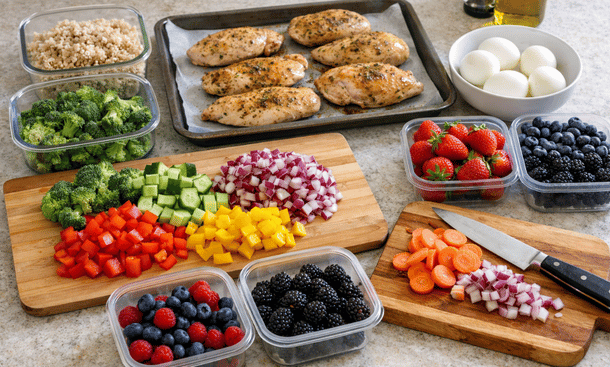
I usually spent about two hours on Sunday afternoon doing meal prep. It made weeknight dinners so much faster and easier.
Grocery Shopping Tips for Pregnant Women
Shop with a list based on your meal plan. This prevents impulse purchases and ensures you have everything you need.
Don’t shop when you’re hungry. Pregnancy hunger combined with grocery shopping leads to a cart full of random snacks and way more spending than necessary.
Stock up on staples you use regularly when they’re on sale. Canned beans, pasta, rice, frozen vegetables and proteins can all be bought in bulk.
Choose convenience items when they make sense. Pre-cut vegetables, rotisserie chicken and bagged salads cost more but they’re worth it if they mean you’ll actually eat healthy food instead of ordering takeout.
Keep healthy frozen meals on hand for days when you just can’t cook. There are actually some decent options now with reasonable ingredients and good nutrition.
Hydration During Pregnancy: More Important Than You Think
Everyone talks about what to eat during pregnancy but hydration gets overlooked. You need significantly more fluids when you’re pregnant.
Your blood volume increases by about 50 percent. You’re producing amniotic fluid. Your body is working harder to regulate temperature and transport nutrients. All of this requires water.
Aim for eight to twelve cups of fluids daily, more if you’re exercising or it’s hot outside. That sounds like a lot because it is.
Signs You’re Not Drinking Enough
- Dark yellow urine (should be pale yellow)
- Infrequent urination
- Dry mouth or lips
- Headaches
- Dizziness
- Constipation
- Swelling beyond normal pregnancy swelling
I kept a large water bottle with me at all times and set goals to finish it by certain times of day. First bottle by noon, second by dinner, third before bed.
Best Beverages for Pregnancy Hydration
Water Plain water is obviously the best choice. If plain water is boring, add lemon, cucumber, berries or mint for flavor without added sugar.
Coconut Water Provides natural electrolytes along with hydration. Great after exercise or on hot days.
Milk Counts toward both hydration and calcium needs. One cup provides about eight grams of protein too.
Herbal Tea Ginger tea helps with nausea. Peppermint tea aids digestion. Just avoid teas with high caffeine or herbs that aren’t pregnancy-safe.
100% Fruit Juice Provides some vitamins along with hydration, but limit intake due to natural sugar content. Dilute with water to reduce sugar.
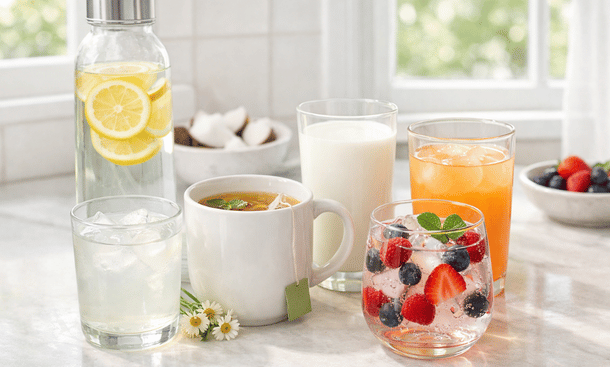
Sparkling Water Can help with nausea and makes hydration more interesting. Choose varieties without added sugar or artificial sweeteners.
Bone Broth Technically a food but it’s hydrating and provides minerals, protein and collagen.
Beverages to Limit or Avoid
Caffeine Limit to 200 milligrams daily, about one 12-ounce cup of coffee. Remember that tea, soda and chocolate also contain caffeine.
Sugary Drinks Soda, sweetened iced tea, energy drinks and fancy coffee drinks pack a lot of empty calories and can contribute to excessive weight gain and blood sugar issues.
Alcohol No amount of alcohol is considered safe during pregnancy. Avoid it completely.
Unpasteurized Juice Can contain harmful bacteria. Stick to pasteurized juice or make your own fresh at home.
Artificial Sweeteners Research on artificial sweeteners during pregnancy is mixed. Most doctors say moderate amounts are fine, but water is still the better choice.
Hydration Strategies That Actually Work
Drink a glass of water first thing in the morning before you even have coffee or breakfast. This helps rehydrate after sleep.
Keep water accessible everywhere. Water bottle at your desk, in your car, on your nightstand, in your bag. If it’s right there, you’ll drink more.
Eat water-rich foods like cucumbers, watermelon, oranges, strawberries, lettuce and soup. These contribute to overall hydration.
Set reminders on your phone to drink water throughout the day if you tend to forget.
Use a straw if that makes drinking easier or more enjoyable. Some women find they drink more with a straw.
Track your intake if you’re competitive or motivated by numbers. Apps or even just marking your water bottle can help you stay on track.
Managing Frequent Bathroom Trips
Yes, drinking more water means more bathroom trips. There’s no way around it, especially with a baby pressing on your bladder.
But dehydration causes its own problems including urinary tract infections, constipation and even preterm contractions. The bathroom trips are worth it.
Stop drinking large amounts right before bed if nighttime bathroom trips are disrupting your sleep. Front-load your hydration earlier in the day.
I peed constantly during both pregnancies. It was annoying but I reminded myself it meant I was staying hydrated, which was good for my baby.
Quick and Easy Snack Ideas
Having go-to snacks ready makes it easier to eat frequently without a lot of effort.
- Greek yogurt with berries and granola
- Apple slices with peanut or almond butter
- Cheese and whole grain crackers
- Hard-boiled eggs
- Trail mix with nuts and dried fruit
- Hummus with baby carrots and cucumbers
- Cottage cheese with pineapple
- Whole grain toast with avocado
- Smoothie with fruit, yogurt and spinach
- String cheese with grapes
Keep these items stocked so you always have easy options available.
Eating Out and Social Situations
You can still eat at restaurants and attend social events. Just make choices that align with your nutritional needs and food safety guidelines.
Check menus ahead of time if possible so you can plan what to order without feeling pressured in the moment.
Don’t be afraid to ask how food is prepared. Request that meat be cooked well-done, ask if cheese is pasteurized, or request dressings and sauces on the side.
Bring a snack in your bag in case you get hungry and there aren’t good options available.
I brought protein bars and almonds everywhere during pregnancy. So many times I was stuck somewhere longer than expected and desperately needed food.
When You Just Can’t Follow the Plan
Some days you’ll be too tired to cook. Some weeks morning sickness will ruin your entire meal plan. Your baby might decide they hate all the foods you planned.
That’s completely normal and okay. Meal planning is a tool to make life easier, not another source of stress or guilt.
Have backup options. Frozen meals, canned soup, rotisserie chicken, pre-made salads and simple sandwiches can fill in when the plan falls apart.
Order takeout sometimes. Choose healthier options when possible but don’t beat yourself up about it.
The goal is doing your best most of the time, not perfection every single day.
The Bottom Line
Meal planning during pregnancy doesn’t have to be complicated or time-consuming. Simple strategies like batch cooking proteins, keeping healthy snacks available and planning flexible weekly menus can make eating well so much easier.
Adjust your approach for each trimester based on how you’re feeling and what your body needs. First trimester is about survival and eating whatever you can keep down. Second trimester is about building nutrient density back into your diet. Third trimester is about smaller, more frequent meals to manage discomfort.
Staying hydrated is just as important as eating well. Aim for eight to twelve cups of fluids daily, mostly from water, and keep beverages accessible throughout the day.
Give yourself grace when things don’t go according to plan. Meal planning is meant to support you, not add more pressure to an already demanding time.
For the complete overview of pregnancy nutrition including what to eat, what to avoid, protein needs and managing cravings, explore our full pregnancy nutrition guide. Now that you understand how to plan balanced meals and stay hydrated throughout your pregnancy, you’ll want to make sure you’re also getting all the essential vitamins and minerals your growing baby needs. Head over to our guide on essential pregnancy vitamins and minerals…

Carlene R. Priddy offers strategic advice and practical guidance for governorsbefore, during, and after their mandatesto strengthen governance and public leadership.