
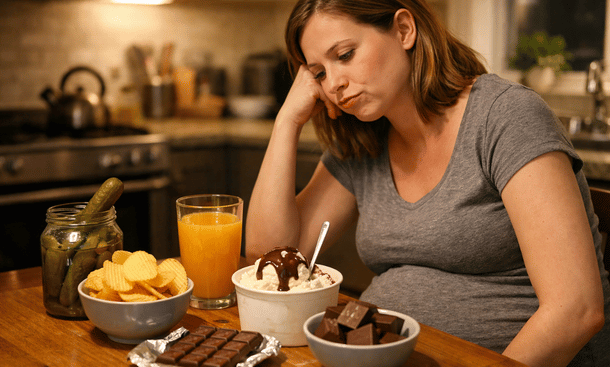
At two in the morning during my first pregnancy, I woke up absolutely desperate for dill pickles dipped in peanut butter. Not pickles and peanut butter separately. Together. On the same fork going into my mouth at the same time.
My husband looked at me like I’d lost my mind. Maybe I had. But that combination tasted better than anything I’d ever eaten in my life, and nothing else would satisfy me until I had it.
Pregnancy cravings are wild, unpredictable and sometimes completely bizarre. One day you need ice cream immediately or you might actually cry. The next week you can’t stand the smell of your favorite foods and suddenly you’re obsessed with foods you never cared about before.
But here’s what I really want to talk about. What do these cravings actually mean? Are they your body trying to tell you something important, or just random hormonal chaos? And how do you handle them without completely throwing your nutrition goals out the window?
Why Pregnancy Cravings Happen
Scientists don’t fully understand why pregnancy cravings occur, but there are several theories that make sense based on the massive hormonal and physical changes happening in your body.
Hormonal fluctuations, especially increases in estrogen and progesterone, affect your sense of taste and smell. Foods that tasted normal before might suddenly seem too strong or not appealing at all. Meanwhile other foods become intensely desirable.
Your body’s nutritional needs skyrocket during pregnancy. Some experts believe cravings might be your body’s way of directing you toward nutrients you need. But the research on this is mixed and doesn’t explain why you’d crave ice chips or laundry detergent.
Blood sugar fluctuations can trigger intense hunger and specific food cravings, especially for carbohydrates and sweets that provide quick energy.
Emotional and psychological factors play a role too. Pregnancy is stressful, and many women turn to comfort foods for emotional support. Cultural expectations about pregnancy cravings might also influence what you think you should be craving.
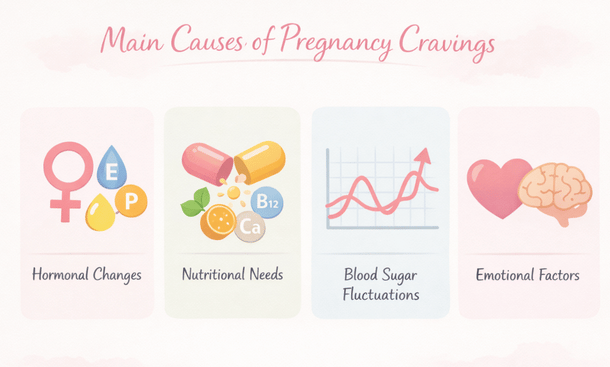
Honestly, I think it’s a combination of all these factors. Some of my cravings made nutritional sense, like when I desperately wanted oranges during my first trimester. Others, like the pickles and peanut butter situation, were just pure weirdness.
Common Pregnancy Cravings
Certain foods show up on pregnancy craving lists over and over again across different cultures and time periods.
Sweet Foods
Ice cream, chocolate, candy, cookies and other sweets are among the most common cravings. This makes sense from a blood sugar perspective since your body needs more calories and energy during pregnancy.
I craved chocolate constantly during both pregnancies. Not just a little chocolate. Like an entire chocolate bar every single day for months.
Salty and Savory Foods
Pickles, potato chips, french fries, pizza and salty snacks are super common. Your blood volume increases dramatically during pregnancy, which requires more sodium. Your body might be driving you toward salty foods to meet this need.
Sour Foods
Citrus fruits, sour candy, pickles and vinegar-based foods appeal to many pregnant women. The sour taste might help with nausea for some women, or it might just be a taste preference shift caused by hormones.
Dairy Products
Milk, cheese, ice cream and yogurt cravings could indicate your body needs more calcium and protein. Or you might just really want ice cream because it tastes good and feels comforting.
Spicy Foods
Some women who never liked spicy food suddenly crave it during pregnancy. Others who loved spicy food can’t tolerate it anymore. Hormones affect everyone differently.
Carbohydrates
Bread, pasta, rice and potatoes provide quick energy and can help settle an upset stomach. Carb cravings are incredibly common, especially in the first trimester when nausea is an issue.
I lived on plain bagels for the first 12 weeks of my second pregnancy. Nothing else sounded remotely appealing.
Do Cravings Mean You’re Deficient in Something
This is the big question everyone asks. If you’re craving red meat, does that mean you need iron? If you want dairy, are you low on calcium?
Sometimes maybe. But often no.
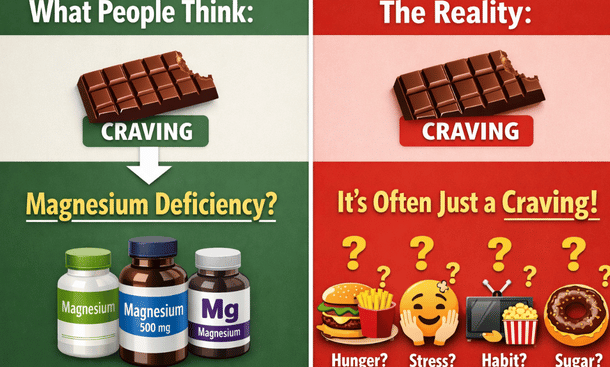
Research shows that pregnancy cravings don’t reliably correlate with nutritional deficiencies. Women with adequate iron levels still crave red meat. Women getting plenty of calcium still desperately want ice cream.
If cravings were really about nutritional needs, we’d crave liver and leafy greens, not ice cream and french fries. Your body doesn’t have a sophisticated system that translates nutrient deficiencies into specific food cravings.
That said, pay attention to patterns. If you’re consistently craving red meat or ice, mention it to your doctor. These could potentially indicate anemia, though they’re not reliable indicators on their own.
The important thing is making sure you’re meeting your nutritional needs through a balanced diet and prenatal vitamins, regardless of what you’re craving.
What Is Pica and Should You Worry
Pica is the medical term for craving and eating non-food substances. We’re talking ice, dirt, clay, chalk, laundry detergent, soap, paper or other items that aren’t meant to be consumed.
This is different from regular food cravings and it’s more common than you might think. Some studies suggest up to 30 percent of pregnant women experience pica to some degree.
Ice craving is the most common form and it’s often associated with iron deficiency anemia. If you’re constantly chewing ice, get your iron levels checked.
Craving dirt, clay or starch is more common in certain cultural backgrounds and geographic regions. But regardless of cultural context, consuming non-food items during pregnancy can be dangerous.
Eating dirt or clay can expose you to parasites, bacteria and toxic substances. Laundry detergent and cleaning products are obviously poisonous. Even seemingly harmless things like excessive ice can damage your teeth or indicate serious nutritional deficiencies.
If you’re experiencing pica cravings, talk to your doctor immediately. Don’t feel embarrassed. This is a recognized medical condition that needs to be addressed, not something you should try to hide or manage on your own.
I never experienced pica myself, but I had a friend who craved the smell of gasoline during her pregnancy. She didn’t consume it, but the craving to smell it was intense. Her doctor monitored her closely and everything turned out fine.
Managing Sweet Cravings Without Overdoing Sugar
Sweet cravings can be the hardest to manage because giving in completely can lead to excessive weight gain, blood sugar issues and potentially gestational diabetes.
The key is finding balance between satisfying the craving and not eating candy bars for every meal.
Choose naturally sweet options when possible. Fresh fruit, dried fruit, smoothies with banana and berries, or yogurt with honey can satisfy sweet cravings while providing actual nutrients.
If you really want chocolate or ice cream, have it. Just pay attention to portion sizes. A small serving that you actually enjoy is better than trying to resist until you crack and eat way more than you would have in the first place.
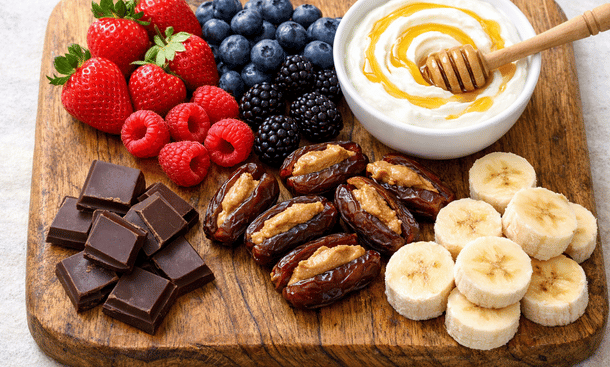
Pair sweets with protein or healthy fat to slow down sugar absorption. Have your cookie with a glass of milk. Eat chocolate with almonds. This helps prevent blood sugar spikes and crashes.
Time your treats strategically. Having dessert after a balanced meal is better than eating sweets on an empty stomach.
I allowed myself one intentional sweet treat daily during pregnancy. Some days it was ice cream. Other days it was a couple squares of dark chocolate. Knowing I could have something sweet every day made it easier not to go overboard.
Handling Salty and Savory Cravings
Salt cravings are common and somewhat expected during pregnancy since your blood volume increases and you need more sodium. But too much sodium can contribute to swelling and high blood pressure.
Choose salty foods that also provide nutrients. Olives, pickles, salted nuts, cheese and pretzels with hummus give you salt plus other beneficial nutrients.
Make your own versions of fast food favorites at home where you can control ingredients. Homemade pizza on whole wheat crust with vegetables, baked sweet potato fries, or air-fried chicken nuggets satisfy cravings with better nutrition.
Watch your overall sodium intake, especially if you have high blood pressure or are at risk for preeclampsia. The recommended limit is less than 2,300 milligrams per day.
Stay hydrated. Sometimes what feels like a salt craving is actually thirst or dehydration.
I craved salty foods more during hot summer months when I was sweating more and probably losing more sodium that way.
When Food Aversions Strike
Food aversions are the opposite of cravings but they’re just as intense. Suddenly foods you loved before make you nauseous just thinking about them.
Common aversions include coffee, meat, eggs, fish and strong-smelling vegetables. The exact foods vary from person to person and pregnancy to pregnancy.
Don’t force yourself to eat foods that make you feel sick. Find alternative sources for the nutrients those foods provide.
If you can’t stand meat, get protein from beans, lentils, tofu, eggs, dairy or protein shakes. If vegetables sound terrible, try sneaking them into smoothies or soups where the texture and taste are less noticeable.
Food aversions usually improve after the first trimester, though some persist throughout pregnancy. Be patient with yourself and work around them as best you can.
I couldn’t stand the smell of cooking chicken during my first pregnancy. Just the thought of it made me gag. I switched to other protein sources for a few months until the aversion passed.
Emotional Eating During Pregnancy
Pregnancy is emotionally intense. Your hormones are all over the place, you’re dealing with physical discomfort, you might be anxious about becoming a parent, and food becomes a source of comfort and control.
There’s nothing wrong with occasionally eating for emotional reasons. Food is tied to comfort and celebration in every culture. The problem comes when it becomes your primary coping mechanism for stress or difficult emotions.
Pay attention to whether you’re actually hungry or eating because you’re bored, stressed, anxious or sad. Ask yourself what you really need in that moment. Sometimes it’s food. Other times it might be rest, connection, movement or just processing your feelings.
Find non-food ways to cope with stress. Take a walk, call a friend, take a bath, journal, practice breathing exercises, watch something funny or do something creative.
If you find yourself binge eating or feeling out of control around food, talk to your doctor or a therapist who specializes in prenatal mental health. Disordered eating patterns during pregnancy deserve professional support.
I definitely ate emotionally during both pregnancies, especially when I was stressed about work or anxious about labor. Recognizing the pattern helped me find other coping strategies most of the time.
Cravings and Cultural Expectations
There’s a lot of cultural baggage around pregnancy cravings. Society expects pregnant women to have weird cravings and gives them permission to indulge in ways that wouldn’t be acceptable otherwise.
This can actually create pressure to have cravings even if you don’t, or to exaggerate the ones you do have because that’s what pregnant women are “supposed” to do.
Some women feel judged for not giving in to every craving, like they’re depriving themselves or their baby. Others feel judged for indulging too much.
Ignore the cultural noise and do what works for you. Your pregnancy and your cravings are your own. You don’t owe anyone an explanation for what you eat or don’t eat.
When Cravings Indicate Gestational Diabetes Risk
Intense sugar cravings, especially if they’re new or excessive, can sometimes indicate blood sugar regulation issues or increased risk for gestational diabetes.
If you’re craving sweets constantly and feel shaky or irritable between meals, mention it to your doctor. These could be signs of blood sugar instability.
Your doctor will screen you for gestational diabetes between 24 and 28 weeks, but don’t wait if you’re concerned about symptoms earlier.
Managing blood sugar through balanced meals with protein, healthy fats and complex carbohydrates can actually reduce intense sugar cravings for many women.
Satisfying Cravings on a Budget
Pregnancy cravings can get expensive, especially if you’re buying specialty foods or eating out frequently to satisfy them.
Plan ahead and keep craving-friendly foods stocked at home. Frozen fruit for smoothies, good quality chocolate bars, pickles, crackers, cheese and whatever else you tend to crave.
Make homemade versions of restaurant favorites. Milkshakes, nachos, pizza and most other craveable foods can be made at home for a fraction of the cost.
Don’t grocery shop when you’re hungry and craving everything. You’ll end up with a cart full of random impulse purchases.
Set a monthly treat budget if needed. This gives you permission to satisfy cravings without guilt while also keeping spending under control.
Midnight Cravings and Sleep Disruption
Waking up in the middle of the night with intense food cravings is surprisingly common, especially in the third trimester.
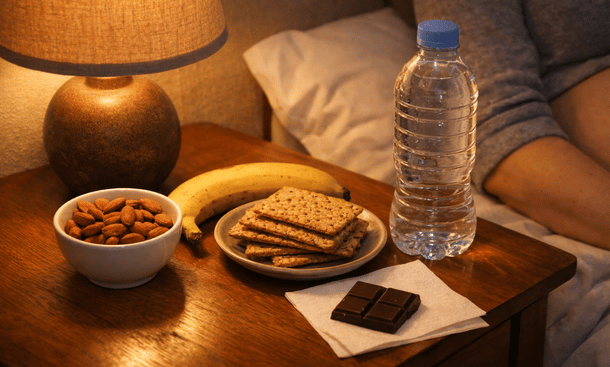
Keep simple snacks by your bed so you don’t have to go all the way to the kitchen. Crackers, nuts, dried fruit or a granola bar can satisfy hunger without fully waking you up.
If you’re consistently waking up hungry, you might need more food at dinner or a substantial bedtime snack with protein and complex carbs.
Sometimes what feels like hunger is actually thirst or discomfort from heartburn or your baby moving around. Try drinking water first before assuming you need food.
I kept crackers and almonds on my nightstand during my third trimester. More nights than I can count, I woke up starving at three in the morning.
Partner and Family Responses to Cravings
The way people around you respond to your cravings can either support or stress you out. Some partners are amazing about making midnight snack runs or keeping favorite foods stocked. Others make you feel ridiculous for wanting pickles at weird times.
Communicate clearly about what you need. If you want your partner to pick up specific foods on their way home, text them a list. If you just want to vent about weird cravings without them trying to fix anything, tell them that.
Don’t let anyone shame you for what you’re craving or not craving. You’re growing a human and your body has its own agenda right now.
At the same time, be reasonable. Your partner isn’t obligated to make emergency grocery runs at two in the morning unless it’s truly urgent. Keep backup options at home so you’re not completely dependent on someone else.
My husband was incredibly supportive but he drew the line at going to three different stores to find the exact brand of ice cream I wanted. Fair enough.
The Bottom Line
Pregnancy cravings are a normal part of the experience for most women, though they vary dramatically from person to person. They’re likely caused by a combination of hormonal changes, nutritional needs, blood sugar fluctuations and emotional factors.
While cravings don’t reliably indicate specific nutritional deficiencies, they’re worth paying attention to, especially if you’re craving non-food items. The key is finding balance between satisfying cravings and maintaining overall nutritional quality.
Give yourself permission to enjoy the foods you’re craving in reasonable portions while making sure you’re also getting the nutrients you and your baby need. Don’t stress about occasional indulgences, but also don’t use pregnancy as an excuse to completely abandon healthy eating habits.
Your cravings will likely change throughout your pregnancy and might even disappear entirely after you give birth. Embrace the weirdness, satisfy what you can in healthy ways, and remember that this is just one temporary phase of an incredible journey.
For a complete approach to pregnancy nutrition that covers everything from essential vitamins to hydration strategies, see our comprehensive pregnancy nutrition guide. Speaking of making sure you’re getting proper nutrition, having a solid meal plan can help you balance satisfying cravings with meeting all your nutritional needs. Check out our pregnancy meal planning guide.

Carlene R. Priddy offers strategic advice and practical guidance for governorsbefore, during, and after their mandatesto strengthen governance and public leadership.