
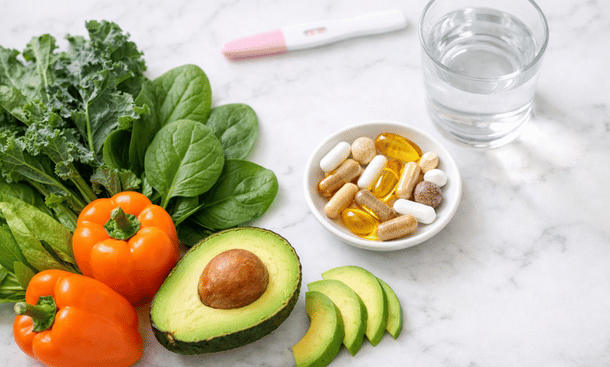
Look, when I started researching what my body actually needed before getting pregnant, I felt like I needed a medical degree just to understand the labels. Between the conflicting advice online and the overwhelming number of supplements screaming at me from the pharmacy shelves, I was ready to throw my hands up and just wing it.
But here’s the thing: your body’s nutritional status before conception directly impacts your baby’s development in those critical first weeks—often before you even know you’re pregnant. So yeah, this stuff matters. A lot.
The good news? You don’t need to take thirty different pills or spend a fortune. There are really just a handful of essential nutrients that make the biggest difference, and once you understand what they do and why you need them, the whole process becomes way less stressful.
Folate: The Absolute Non-Negotiable
If there’s one nutrient you take away from this entire article, it’s folate. I’m not being dramatic here—this is literally the most important preconception nutrient, and the research backs that up completely.
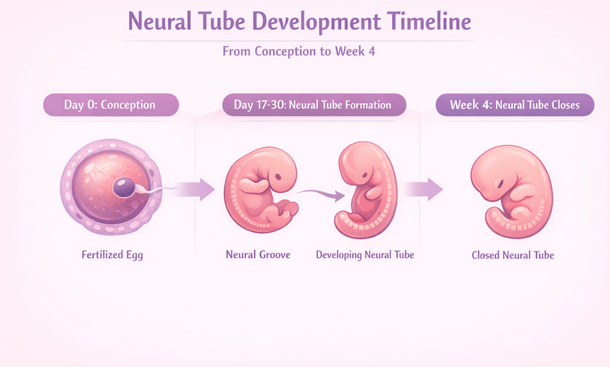
Folate, which is a B vitamin (specifically B9), plays a massive role in DNA synthesis and cell division. Translation? Your baby’s neural tube develops in the first 28 days after conception, and adequate folate reduces the risk of neural tube defects like spina bifida by up to 70 percent.
The recommended dose is 400 to 800 micrograms daily, and you should start taking it at least one month before you even try to conceive. Honestly, three months is better if you can swing it. Your body needs time to build up those stores.
Now, here’s where it gets a little tricky. There’s a difference between folic acid (the synthetic form) and folate (the natural form your body actually uses). Some women—about 40 to 60 percent of us—have a genetic variation called MTHFR that makes it harder to convert folic acid into the active form our bodies need. If you’re curious about which form is right for you and why this matters so much, the folate versus folic acid conversation deserves its own deep dive.
Food sources of natural folate include dark leafy greens like spinach and kale, lentils, chickpeas, asparagus, and avocado. But real talk? It’s really hard to get enough from food alone, which is why supplementation is recommended across the board.
Iron: Building Your Blood Supply
Iron doesn’t get nearly enough attention in preconception discussions, and that drives me crazy because your iron status before pregnancy sets the stage for the entire nine months ahead.
During pregnancy, your blood volume increases by about 50 percent. That’s a huge jump, and your body needs iron to produce all that extra hemoglobin—the protein in red blood cells that carries oxygen to you and your baby.
Starting pregnancy with low iron stores (even if you’re not technically anemic yet) puts you at higher risk for iron deficiency anemia during pregnancy, which is linked to preterm delivery, low birth weight, and postpartum depression.
The thing is, building up iron stores takes time. Your body can’t just magically create adequate iron levels overnight. You need about 18 milligrams daily before conception if you’re still menstruating, and some women need more depending on their baseline levels.
Here’s my advice: get your ferritin levels checked before you start trying. Ferritin measures your iron storage, and it’s a better indicator than a standard hemoglobin test for catching low stores early. If your ferritin is below 30 nanograms per milliliter, you’ve got some work to do.
Food sources include red meat, poultry, fish, beans, fortified cereals, and spinach. Pro tip: vitamin C helps your body absorb iron better, so pair iron-rich foods with citrus, tomatoes, or bell peppers.
Vitamin D: The Sunshine Vitamin You’re Probably Lacking
I’ll be straight with you: most of us are walking around with suboptimal vitamin D levels, especially if you live anywhere that gets actual winter or you spend your days inside an office.
Vitamin D is crucial for fertility, implantation, and early pregnancy development. Low vitamin D has been linked to higher rates of miscarriage, preeclampsia, and gestational diabetes. It also plays a role in regulating your menstrual cycle and supporting healthy ovulation.
You need at least 600 to 800 international units (IU) daily, but many experts recommend 1,000 to 2,000 IU for preconception. Some women need even more if they’re deficient to start with.
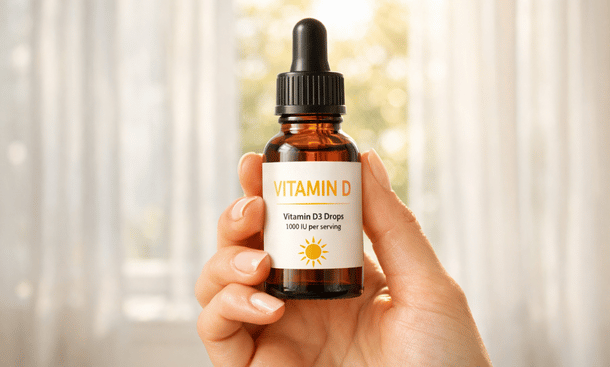
Again, testing is your friend here. Ask your doctor for a 25-hydroxyvitamin D test. Optimal levels for fertility are generally considered to be between 30 and 50 nanograms per milliliter.
Very few foods naturally contain vitamin D—fatty fish like salmon and mackerel, egg yolks, and fortified milk are about it. So supplementation is pretty much essential for most women.
Omega-3 Fatty Acids: Brain Development Starts Early
Omega-3s, particularly DHA (docosahexaenoic acid) and EPA (eicosapentaenoic acid), are fundamental for fetal brain and eye development. But here’s what most people don’t realize: you want these nutrients in your system before conception, not just during pregnancy.
DHA makes up a significant portion of the brain’s structural fat, and adequate levels support cognitive development that starts in the earliest weeks of pregnancy. Research also suggests omega-3s may improve egg quality and support healthy implantation.
Aim for at least 200 to 300 milligrams of DHA daily. You can get this from fatty fish like salmon, sardines, and mackerel, or from algae-based supplements if you’re vegetarian or vegan.
One word of caution: watch your mercury intake. Stick to low-mercury fish options and avoid shark, swordfish, king mackerel, and tilefish completely. If you’re relying on supplements, choose ones that are third-party tested for purity.
Iodine: The Thyroid Connection
Iodine doesn’t get the spotlight it deserves, but it’s absolutely essential for thyroid function, and your thyroid regulates basically everything related to metabolism and hormone production.
During pregnancy, iodine requirements jump by about 50 percent because your baby depends entirely on you for thyroid hormone production in the first trimester. Those hormones are critical for brain development.
You need 150 micrograms daily before conception, increasing to 220 micrograms once you’re pregnant. Many prenatal vitamins don’t contain adequate iodine, so check your label carefully.
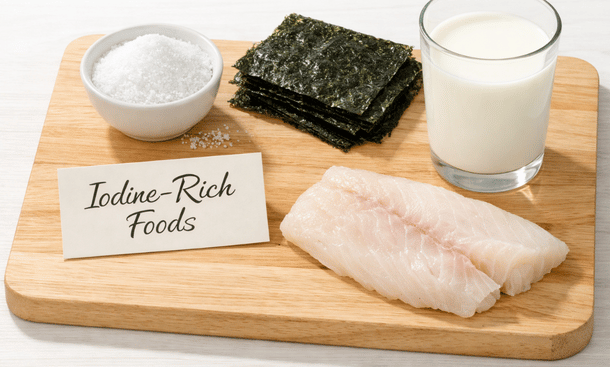
Food sources include iodized salt (that “iodized” part matters—sea salt and kosher salt typically don’t contain iodine), dairy products, eggs, seaweed, and fish. But unless you’re regularly eating these foods, you probably need a supplement.
Calcium: Beyond Bone Health
Yeah, calcium builds strong bones and teeth—you’ve heard that since elementary school. But during preconception and pregnancy, calcium does so much more.
It supports proper muscle function, nerve transmission, and hormone secretion. If you don’t get enough calcium, your body will actually pull it from your own bones to support your developing baby. Not ideal.
You need 1,000 milligrams daily. Dairy products are the most obvious source—milk, yogurt, cheese—but you can also get calcium from fortified plant milks, leafy greens, tofu, and canned fish with bones like sardines.
Most prenatal vitamins contain some calcium, but usually not the full daily amount because calcium is bulky and would make the pill enormous. So you’ll likely need to focus on food sources or take a separate calcium supplement.
Vitamin B12: Essential for Cell Division
B12 works alongside folate to support DNA synthesis and red blood cell formation. It’s particularly important for women following vegetarian or vegan diets because B12 is naturally found almost exclusively in animal products.
Low B12 levels have been associated with increased risk of neural tube defects and developmental delays. You need 2.4 micrograms daily before conception.
If you eat meat, poultry, fish, eggs, and dairy regularly, you’re probably fine. But if you’re plant-based, you absolutely need to supplement or consume fortified foods like nutritional yeast and plant milks.
Zinc: The Fertility Mineral
Zinc plays a crucial role in cell division, DNA synthesis, and protein production. It’s involved in ovulation, fertilization, and early embryo development—basically every step of the conception process.
Studies suggest that adequate zinc levels support better egg quality and may reduce the risk of miscarriage. You need 8 to 11 milligrams daily.
Food sources include oysters (which have more zinc than any other food), red meat, poultry, beans, nuts, and whole grains. Vegetarians and vegans may need to pay extra attention here since plant-based sources aren’t absorbed as efficiently.
Putting It All Together
Look, when I started researching what my body actually needed before getting pregnant, I felt like I needed a medical degree just to understand the basics. Between the conflicting advice online and the overwhelming number of supplements, it was exhausting.
But here’s what I want you to take away from all this: you don’t need to obsess over hitting every single nutrient target from food every single day. That’s why quality prenatal vitamins exist. Your goal is to choose a supplement that covers these essential nutrients at appropriate doses, then focus on eating a varied, nutrient-dense diet that fills in the gaps.
Get baseline testing done for vitamin D, iron (ferritin), and potentially B12 if you’re vegetarian or vegan. This gives you actual data to work with instead of guessing.
Now that you understand which nutrients your body actually needs and why they matter, the next critical step is understanding the difference between folic acid and folate—because this confusion trips up nearly every woman I talk to. The form of folate you choose directly affects whether your body can actually use this critical nutrient, especially if you have the MTHFR gene variation that affects 40 to 60 percent of women. Check out our breakdown of folate versus folic acid for pregnancy to make sure you’re choosing the right form for your body.
And when you’re ready to see how all of these nutrients fit together—the complete picture of timing, dosing, and what you really need before conception—head back to our complete guide to preconception vitamins so you’re not missing anything important.
Start where you are. Do what you can. Your body (and your future baby) will thank you.
