
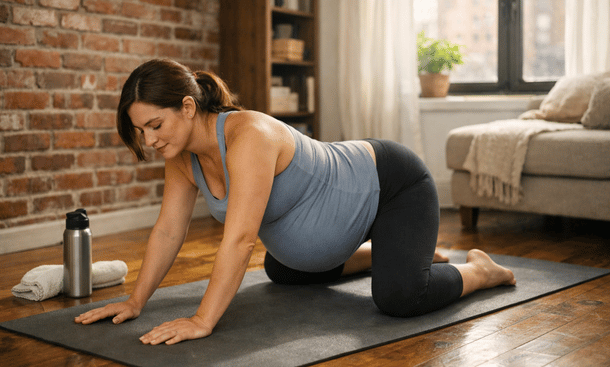
So your doctor just told you that you’re high-risk and now everyone’s got opinions about what you should and shouldn’t be doing.
Your mom thinks you need to be on complete bed rest immediately. Your coworker keeps sending you articles about superfoods that will magically fix everything. Random people on the internet are either telling you to wrap yourself in bubble wrap or acting like pregnancy complications are no big deal if you just think positive thoughts.
Real talk? Living with a high-risk pregnancy is about finding the balance between being appropriately cautious and not losing your damn mind. You can’t just stop living for nine months, but you also can’t pretend nothing is different.
I spent six months on modified bed rest during my pregnancy. Six months of feeling like my whole life was on pause while everyone else kept moving forward. I had to quit my job. I couldn’t exercise the way I wanted to. I felt isolated and frustrated and scared pretty much all the time.
But I also learned some things about taking care of myself during that period that made a real difference. Not just physically but mentally and emotionally too. Because managing a complicated pregnancy isn’t just about following doctor’s orders. It’s about maintaining some quality of life while doing what you need to do to keep yourself and your baby safe.
Nutrition When Every Food Choice Feels Critical
Let’s start with food because everybody has opinions about what pregnant women should eat and it gets even more complicated when you’re high-risk.
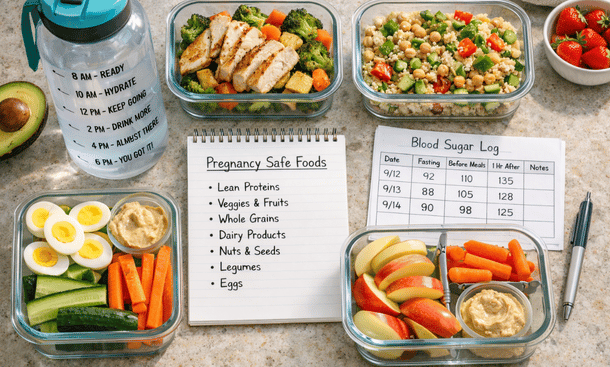
The basic principles of good pregnancy nutrition still apply. You need adequate protein, healthy fats, complex carbohydrates, and plenty of fruits and vegetables. But your specific situation might require modifications.
If you have gestational diabetes, you’re counting carbs and pairing them with protein to keep your blood sugar stable. That means saying goodbye to pasta and bread and all the comfort foods you’re craving. It sucks but it’s necessary.
Focus on foods that give you the most nutritional bang for your buck. Eggs are fantastic – lots of protein, healthy fats, and nutrients like choline that support fetal brain development. Greek yogurt without added sugar. Nuts and nut butters. Lean meats and fish that are low in mercury.
Load up on non-starchy vegetables. They’re full of vitamins and fiber, they help you feel full, and they barely affect your blood sugar if you’re managing diabetes. Leafy greens, broccoli, cauliflower, peppers, zucchini, green beans – eat as much as you want.
For those dealing with preeclampsia or high blood pressure, reducing sodium is important. That means cooking at home more because restaurant food and processed foods are loaded with salt. Use herbs and spices for flavor instead.
Staying hydrated matters more than most people realize. Dehydration can trigger contractions and make pretty much everything worse. Aim for at least eight glasses of water a day, more if it’s hot or you’re having issues with swelling.
If you’re on bed rest, you’re burning fewer calories than you were when you were active. It’s easy to gain excessive weight lying around all day, which can complicate things further. But you’re also growing a baby and need adequate nutrition. Work with a nutritionist if you can to find the right balance.
Small frequent meals throughout the day work better than three large meals for most high-risk situations. It keeps your blood sugar more stable, helps with nausea if that’s still an issue, and is easier on your digestive system when you’re not moving around much.
I basically lived on scrambled eggs, turkey slices, cheese sticks, almonds, berries, and salads during my bed rest months. It got boring but my blood work stayed good and I didn’t gain excessive weight despite barely moving.
Exercise and Movement: What You Can Actually Do
The question everyone with a high-risk pregnancy asks is whether they can still exercise and the answer is almost always “it depends.”
If you have placenta previa or are at risk for preterm labor, your doctor might say no exercise at all. If you have well-controlled gestational diabetes and no other complications, exercise might be encouraged because it helps manage blood sugar.
You need specific guidance from your doctor about what’s safe for your particular situation. Don’t assume anything is okay without asking.
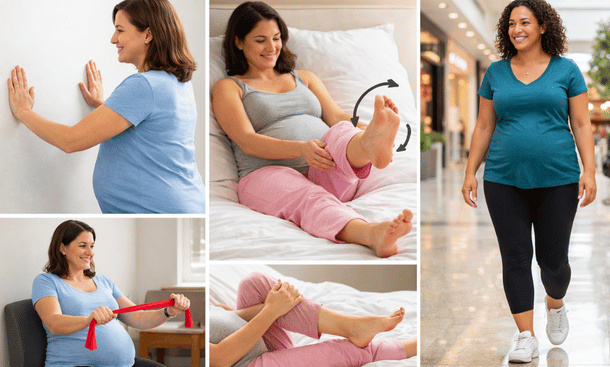
For most high-risk pregnancies, gentle movement is better than complete inactivity unless you’re on strict bed rest. Walking is usually safe and beneficial. Even just 10-15 minutes after meals can help with blood sugar control and reduce swelling.
Prenatal yoga can be great if your doctor approves it. The stretching and breathing exercises help with stress management and the modified poses are designed for pregnant bodies. Just avoid anything that requires lying flat on your back after the first trimester or any poses that put pressure on your abdomen.
Swimming and water aerobics are low-impact options that take pressure off your joints and feel amazing when you’re carrying around extra weight. The water supports you in ways that make movement easier.
What you definitely need to avoid: anything with risk of falling or abdominal trauma like horseback riding, skiing, or contact sports. Activities that spike your heart rate too high. Heavy weightlifting or straining. Hot yoga or anything that raises your core temperature too much.
If you were super active before pregnancy and now you’re limited, the mental adjustment is really hard. You feel like your body is betraying you. You miss the endorphin rush and the sense of accomplishment from pushing yourself.
I used to run half marathons before my pregnancy. Being told I couldn’t even do a light jog was crushing. I had to find other ways to feel strong and capable, which wasn’t easy when my main identity had been as an athlete.
Focus on what you can do rather than what you can’t. Maybe you can’t run but you can walk. Maybe you can’t do power yoga but you can do gentle stretching. Find movement that feels good within your restrictions.
Pelvic floor exercises are safe for almost everyone and super important. Kegels strengthen the muscles that support your uterus and bladder. They can help prevent incontinence and may make pushing during delivery easier.
Upper body exercises with light weights or resistance bands might be okay if you’re on bed rest and your doctor approves. Just moving your arms and doing some light strength work can help maintain muscle and make you feel less like you’re wasting away.
Managing Stress When Everything Feels Stressful
Let’s be real. High-risk pregnancy is inherently stressful. You’re worried about your baby constantly. You’re dealing with medical appointments and tests and uncertainty. You might be on restricted activity or bed rest. Maybe you had to stop working. Your whole life has been upended.
Telling you to “just relax and don’t stress” is useless advice. Of course you’re stressed. The question is how to manage it so it doesn’t completely overwhelm you.
Therapy is one of the best investments you can make. Find a therapist who specializes in pregnancy and perinatal mental health. They understand the unique challenges of high-risk pregnancy and can give you actual coping strategies.
Some therapists do video sessions which is perfect if you’re on bed rest or just can’t get to appointments easily. Insurance often covers mental health care, though you might have a copay.
Mindfulness and meditation can help even if you’ve never done it before. There are tons of apps with guided meditations specifically for pregnancy. Even just five or ten minutes a day of focused breathing can lower your stress hormones.
I was skeptical about meditation until I was lying in a hospital bed at 2am having a panic attack about whether my baby would survive. A nurse taught me a simple breathing technique – breathe in for four counts, hold for four, out for four, hold for four. Repeat. It didn’t fix everything but it gave me something to focus on besides the fear.
Journaling helps some people process their emotions. Writing down your fears and frustrations gets them out of your head where they just loop endlessly. You don’t have to be a good writer. Just dump your thoughts onto paper.
Connection with other women going through similar situations makes a huge difference. Online support groups for high-risk pregnancy can be lifesavers, especially if you’re isolated on bed rest. Knowing you’re not alone in this really helps.
Setting boundaries around medical information and pregnancy talk is okay. If you need a break from constantly discussing your pregnancy and complications, tell people that. It’s fine to say “I need to talk about something else right now.”
Find small things that bring you joy or comfort. Good TV shows. Audiobooks. Podcasts that make you laugh. Video calls with friends. Ordering yourself something nice online. Whatever gives you little moments of happiness within the restrictions you’re dealing with.
Accepting that some days are just going to be hard is part of it too. You don’t have to be positive and optimistic every single day. Sometimes you’re allowed to be sad and scared and angry about the situation.
Sleep Positions and Rest Strategies
Getting good sleep during pregnancy is hard enough without adding complications to the mix.
The basic rule is to sleep on your side, preferably your left side, after the first trimester. This position optimizes blood flow to your baby and prevents the weight of your uterus from compressing major blood vessels.
A pregnancy pillow makes a huge difference. The long U-shaped ones support your whole body – back, belly, and between your knees. They help you stay in position and reduce hip and back pain.
If you don’t want to invest in a pregnancy pillow, regular pillows work too. One between your knees, one supporting your belly, one behind your back. Build yourself a pillow fortress.
Propping yourself up with pillows can help if you’re dealing with heartburn or shortness of breath. You don’t have to lie completely flat. A slight incline can make breathing easier.
For women on bed rest, changing positions regularly helps prevent pressure sores and muscle stiffness. Roll from your left side to your right side every couple hours. Sit up for meals if allowed.
Sleep quality often goes to hell during complicated pregnancies. You’re uncomfortable. You’re worried. You have to pee constantly. Your mind won’t shut off.
Creating a bedtime routine helps signal to your body that it’s time to sleep. Same time every night. Maybe a warm shower, some gentle stretching, reading something light, meditation or breathing exercises.
Limiting screen time before bed is the advice everyone gives but it actually helps. The blue light from phones and computers interferes with melatonin production. Try reading a physical book instead.
If you can’t sleep, don’t just lie there getting frustrated. Get up, move to another room if possible, do something quiet and boring until you feel sleepy again. Fighting with insomnia just makes it worse.
Naps are not a sign of laziness when you’re dealing with pregnancy complications. If you’re exhausted, rest. Your body is working incredibly hard right now and sometimes you just need more sleep.

Work and Daily Responsibilities
Figuring out how to handle work when you’re high-risk is complicated and depends entirely on your specific situation and job.
Some women can work normally with minor modifications. Others need to cut back hours or switch to desk duty if they have physical jobs. Some end up on complete leave, either voluntary or medically mandated.
If your doctor puts you on restricted activity or bed rest, you need a note for your employer documenting the medical necessity. This protects you under pregnancy discrimination laws and may qualify you for short-term disability or FMLA.
Having honest conversations with your employer early is usually better than trying to hide what’s going on. Most jobs can make at least some accommodations – letting you sit instead of stand, reducing travel, allowing more frequent breaks, permitting work from home.
Know your rights. The Pregnancy Discrimination Act requires employers to treat pregnancy-related conditions the same as other temporary disabilities. You can’t be fired or demoted just because you need accommodations.
That said, the reality is that not all employers are understanding or supportive. Some women face pressure to keep working when they shouldn’t or experience discrimination despite legal protections. If that’s your situation, document everything and consider consulting an employment lawyer.
The financial stress of not being able to work is real. Short-term disability only covers a percentage of your income if you even qualify. You might have to dip into savings or rely on your partner’s income. It’s scary.
I had to quit my job entirely because they wouldn’t accommodate my bed rest requirements and I didn’t have remote work options. We went from two incomes to one overnight. It put enormous financial strain on us right when we were preparing for a baby.
If working isn’t possible, try to let go of guilt about it. You’re not lazy or weak. You’re following medical advice to protect your baby. That’s your job right now.
For daily responsibilities at home, accept that things will slide. Your house doesn’t need to be perfect. It’s okay to order takeout more often. Let your partner or family help with household tasks.
If you live alone or don’t have built-in support, reach out to friends or look into services. Grocery delivery, meal prep services, house cleaning help if you can afford it. This is not the time to be stoic and independent.
Building Your Support System
You cannot do this alone. Nobody can manage a high-risk pregnancy in isolation.
Your partner, if you have one, needs to step up in major ways. They might need to take on more household responsibilities, come to medical appointments, provide emotional support when you’re scared or frustrated.
Communication is critical. Your partner can’t read your mind. Tell them what you need, whether that’s help with specific tasks, someone to talk to, or just space to process your emotions.
Sometimes partners struggle too. They’re scared and feel helpless watching you go through this. They might not know what to say or do. Couples counseling can help you navigate the stress together.
Family support is invaluable if you have it. Parents, siblings, close relatives who can help with practical things or just be there for you. But family can also be overwhelming with unwanted advice and opinions.
Set boundaries with family members who aren’t helpful. You don’t need to justify your medical decisions or listen to horror stories about their cousin’s friend’s pregnancy. It’s okay to limit contact with people who increase your stress.
Friends often want to help but don’t know how. Be specific about what would actually be useful. “Can you drop off dinner on Tuesday?” is easier to respond to than vague offers of “let me know if you need anything.”
Online communities for high-risk pregnancy are amazing for connecting with people who truly understand what you’re going through. The women in these groups get it in ways that even well-meaning friends and family sometimes don’t.
Hiring help if you can afford it is worth considering. A house cleaner every couple weeks. Grocery delivery service. Meal prep service. Postpartum doula who can support you after delivery. These things cost money but they can significantly reduce your stress.
Don’t be afraid to ask your medical team for resources. Many hospitals have social workers who can connect you with support services, financial assistance programs, mental health resources, and practical help.
Self-Advocacy in Medical Settings
This is huge and something I wish I’d understood earlier in my pregnancy.
You have the right to ask questions and get clear answers. If your doctor uses medical jargon you don’t understand, ask them to explain it in plain English. If you’re not clear on the plan or why they’re recommending something, say so.
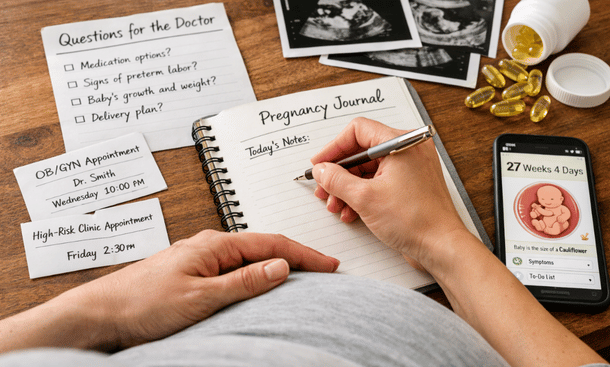
Bring a list of questions to appointments. Pregnancy brain is real and you will forget what you wanted to ask if you don’t write it down.
Don’t let anyone dismiss your concerns. If something feels wrong or you’re having symptoms that worry you, insist on being evaluated. Trust your instincts about your body.
If you’re not comfortable with your care team or feel like they’re not taking you seriously, get a second opinion or switch providers. This is your pregnancy and your baby, and being an active participant in your care decisions is essential when navigating complex medical situations. You deserve doctors who listen to you.
Take notes during appointments or bring someone with you who can help remember information. When you’re anxious, it’s hard to retain everything the doctor says.
Ask for copies of all your test results and keep them organized. This is especially important if you see multiple specialists or might end up at the hospital. Having your records readily available can be crucial.
If you end up hospitalized, don’t be afraid to speak up about your care. Ask why they’re doing certain tests or giving certain medications. Request to speak with the attending physician if residents or nurses can’t answer your questions.
Some women feel like they’re being difficult or annoying by asking questions. You’re not. You’re being an informed patient and a good advocate for yourself and your baby.
Preparing for Delivery with a High-Risk Diagnosis
Delivery planning looks different when you’re high-risk and it’s important to think about this before you’re in labor.
You’ll probably deliver at a hospital rather than a birth center or at home. You need access to specialists and NICU facilities in case your baby needs extra care.
Some high-risk conditions mean scheduled delivery rather than waiting to go into labor naturally. Placenta previa requires a scheduled C-section. Severe preeclampsia might mean induction or C-section before your due date.
Even if you were hoping for an unmedicated birth, you need to be flexible. High-risk pregnancies often require continuous fetal monitoring, IV access, and possibly interventions that aren’t compatible with certain birth plans.
That doesn’t mean you have no choices or preferences. You can still communicate what’s important to you – who you want in the room, your preferences around immediate skin-to-skin contact if possible, how you want to handle feeding.
Tour the labor and delivery unit ahead of time if you can. Know where to go when it’s time. Understand the policies around visitors and support people.
Pack your hospital bag earlier than you would for a normal pregnancy. If you’re at risk for preterm delivery, have it ready by 32-34 weeks. Include comfortable clothes, toiletries, phone charger, and anything that will make you more comfortable.
If there’s a chance your baby will need NICU care, tour the NICU beforehand if possible. Understanding what to expect can reduce some of the fear and overwhelm if your baby does end up there.
Talk to your doctor about what will happen immediately after delivery. Will your baby stay with you or need to go to NICU? How long might you be in the hospital? What kind of recovery can you expect given your complications?
Having realistic expectations helps. A complicated pregnancy often means a more complicated delivery and recovery. That’s okay. The goal is getting you and your baby through it safely.
Staying Connected to Your Baby
One of the hardest parts of high-risk pregnancy is feeling disconnected from the joy and excitement that’s supposed to come with expecting a baby.
You’re so focused on complications and risks and just getting through each day that you might not feel that bonding or connection people talk about. That’s completely normal and doesn’t mean anything is wrong with you.
But finding small ways to connect with your baby can help you remember why you’re going through all this.
Talking or singing to your baby, even just in your head, creates connection. They can hear your voice in the third trimester and find it comforting.
Feeling your baby move and kick is reassuring and helps you feel connected. Pay attention to their patterns of activity. Some babies are night owls. Others are morning people. Getting to know your baby’s personality even before birth is special.
Looking at ultrasound pictures and imagining what your baby will be like helps make them feel real when pregnancy complications make everything feel abstract and scary.
Planning for after delivery, even in small ways, can give you something positive to focus on. Setting up the nursery if you’re able. Picking out a coming home outfit. Thinking about names.
But it’s also okay if you can’t do those things because you’re too scared or overwhelmed. Some women can’t connect until they know their baby is actually okay. There’s no wrong way to feel.
The Emotional Roller Coaster
Let’s talk about the mental and emotional reality of high-risk pregnancy because this stuff is hard and nobody prepares you for it.
You’re going to have days where you feel strong and positive and like you can handle whatever comes. And you’re going to have days where you’re terrified and convinced something terrible will happen and you can’t stop crying.
Both are normal. You’re dealing with intense medical stress, hormones, physical discomfort, and massive life changes all at once. Of course you’re an emotional mess.
Anxiety is incredibly common in high-risk pregnancies. You’re hyperaware of every symptom, constantly worried about test results, scared of losing your baby. That level of sustained anxiety is exhausting.
Depression can happen too. Feeling hopeless, losing interest in things you normally enjoy, struggling to see a positive future. If you’re experiencing these symptoms, please talk to your doctor. Prenatal depression is real and treatable.
Grief over the pregnancy experience you’re not having is valid. It’s okay to be sad that your pregnancy isn’t what you imagined. You can grieve the loss of that vision while still doing what you need to do.
Anger is normal too. It’s not fair that some women sail through pregnancy while you’re dealing with all this. It’s okay to be angry about that.
Let yourself feel whatever you’re feeling without judgment. You don’t have to be grateful and positive all the time. You don’t have to find the silver lining. Sometimes things just suck and it’s okay to acknowledge that.
Looking Ahead to Recovery and Beyond
Recovery after a high-risk pregnancy and delivery often takes longer than after an uncomplicated pregnancy.
If you had preeclampsia, your blood pressure might take weeks or even months to normalize. You’ll need follow-up appointments to monitor it.
If you had gestational diabetes, you’ll need glucose testing after delivery to make sure it resolved. You’re at higher risk for developing type 2 diabetes later, so ongoing monitoring and healthy lifestyle habits matter.
Physical recovery from bed rest means rebuilding strength and stamina. You lost muscle mass and cardiovascular fitness. Be patient with yourself as you work back to normal activity levels.
Emotional recovery is just as important as physical recovery. Some women experience postpartum PTSD after traumatic high-risk pregnancies and deliveries. If you’re having intrusive thoughts, flashbacks, or severe anxiety after delivery, get help.
The experience of high-risk pregnancy changes you. You might feel more anxious about your baby’s health even after delivery. You might have complicated feelings about future pregnancies if you want more children.
Debriefing with your doctor after delivery can help you understand what happened and why. Ask questions about what caused your complications and what it means for future pregnancies.
Give yourself grace as you process everything you went through. Managing a high-risk pregnancy is genuinely hard. You did something difficult and you survived it. That deserves recognition.
Managing day-to-day life with a high-risk pregnancy is just one piece of the puzzle. Understanding exactly what puts you in the high-risk category in the first place helps you know what you’re dealing with and why certain precautions matter for your specific situation.

Carlene R. Priddy offers strategic advice and practical guidance for governorsbefore, during, and after their mandatesto strengthen governance and public leadership.