

One of the most common pumping questions is also one of the hardest to answer with a single number. How long should I pump for? The honest answer depends on why you are pumping in the first place. A mom replacing a missed feeding does not need the exact same routine as a mom trying to relieve engorgement or build a small freezer stash.
That is why pumping advice can feel confusing. You hear one person say ten minutes, another says thirty, and somebody else says pump until nothing comes out. Real life is a little more nuanced than that. Timing with a manual pump depends on your body, your goal, and how comfortable the session feels. If you want the wider framework for choosing and using this kind of pump, this complete manual breast pump guide pulls the whole picture together in a practical way.
table of contents
- why pumping time is not one size fits all
- what affects how long you should pump
- how long to pump to replace a feeding
- how long to pump for relief only
- how long to pump to build a small stash
- signs it is time to stop pumping
- why output is not the whole story
- how manual pumping feels different from electric pumping
- common timing mistakes
- conclusion
why pumping time is not one size fits all
Pumping time depends on purpose. That is the big thing. A short session can be enough in one situation and not nearly enough in another. If you only need to soften the breast because you are uncomfortably full, a few minutes may do it. If you are replacing a feeding while your baby takes a bottle, you may need a more complete session.
A manual pump adds another layer because you control the rhythm with your hand. That can be a good thing. You can adjust based on comfort and milk flow instead of following one fixed machine pattern. But it also means your session may not look exactly like someone else’s.
The right question is not only how long should I pump for. It is also what am I trying to accomplish with this session.
what affects how long you should pump
A few things influence pumping time more than most people expect.
your reason for pumping
Are you replacing a feed, easing fullness, collecting extra milk, or trying to support supply? The goal changes the timing.
your letdown pattern
Letdown, meaning the moment milk starts releasing more actively, happens quickly for some moms and more slowly for others. Stress, fatigue, and hydration can affect it too.
how recently baby fed
If your baby just nursed, you may not pump much and you may not need a long session. If it has been a while, milk may flow more easily.
how your body responds to a pump
Some women respond very well to pumping. Others do not get much from a pump even when supply is fine. That does not mean anything is wrong.
flange fit and comfort
If the fit is off, pumping may feel uncomfortable and milk removal may be less efficient. That can change how long a session needs to be.
how long to pump to replace a feeding
If you are pumping instead of nursing for one feeding, a manual pump session should usually last until milk flow slows significantly and your breasts feel softer. For many moms, that often lands around 15 to 25 minutes total, pumping one side and then the other.
Some moms do better alternating sides a couple of times. For example:
- 7 to 10 minutes on one side
- 7 to 10 minutes on the other side
- then a few more minutes on each side if milk is still flowing
A manual pump can take a little longer than an electric one because you are doing one breast at a time and controlling the rhythm yourself. That is normal. The goal is not racing the clock. The goal is removing milk well enough to replace the feed.
If your baby usually takes one full feeding and you stop pumping after just a few quick minutes, you may not be fully replacing that session. That matters more when pumping becomes part of a regular routine.
how long to pump for relief only
Sometimes you are not trying to empty the breast. You just want relief. Maybe you are out without the baby, maybe a feeding got delayed, or maybe your breasts feel tight and uncomfortable.
In that case, a shorter session is usually enough. Around 5 to 10 minutes total may do the job, depending on how full you feel. The goal is to soften the breast and reduce discomfort, not necessarily remove every possible ounce.
This distinction matters because pumping too much for relief can sometimes encourage the body to keep making more milk than you actually need in that moment. If oversupply is already an issue, keeping relief sessions shorter can help.
how long to pump to build a small stash
If you are pumping to store some milk for later, the best timing often depends on when you pump, not just how long.
Many moms like to pump after the first morning feed because supply is often higher then. A manual pump session for stash-building might run 10 to 20 minutes after nursing, depending on comfort and flow. Some women collect a little at a time and build a stash slowly, which is often more manageable than trying to pump a lot at once.
This is where patience really matters. You do not need huge bottles every session to make progress. A few ounces here and there add up.
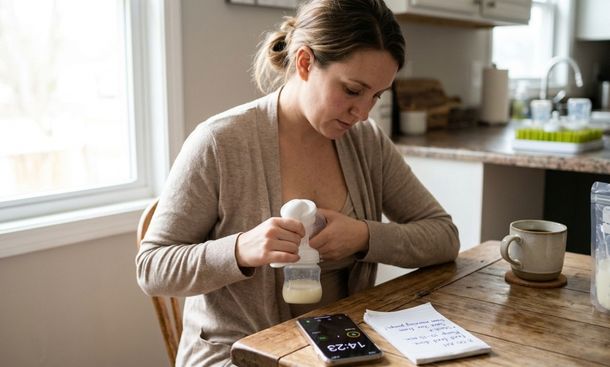
signs it is time to stop pumping
A clock can help, but your body gives useful signals too. With a manual pump, it is smart to watch milk flow and breast softness, not just the minutes.
It may be time to stop when:
- milk flow has slowed to drops with little response to continued pumping
- your breast feels noticeably softer
- you have reached the goal of the session, like relief or replacing a feed
- your hand is getting tired and output has clearly tapered off
- pumping starts to feel uncomfortable instead of productive
That last point matters. You do not get bonus points for pushing through pain or irritation. A session that has stopped being useful usually does not need to keep going.
why output is not the whole story
A lot of moms judge pumping time by how much milk ends up in the bottle. That makes sense, but it is not the whole story. Pump output can change for many reasons that have nothing to do with supply.
You may pump less because:
- your baby fed recently
- you are tired or stressed
- the flange fit is off
- your letdown is slower that day
- a manual pump simply works differently with your body
This is especially important if you are using a manual pump. Some moms respond beautifully to the direct, controlled rhythm. Others get less milk than they would with an electric pump. That does not automatically mean the session failed.
The better question is whether the session matched the goal. Did you get relief? Replace the feed? Collect a bit extra? If yes, that is useful.
how manual pumping feels different from electric pumping
Manual pumping usually feels more hands-on and a little slower. That can be a positive. You get control over the pace and pressure, and some moms find that helps them relax more and pump more comfortably.
Because it is hand-powered, your session may naturally include tiny pauses, rhythm changes, and adjustments as milk flow changes. That is okay. It does not have to look perfectly steady to work.
A few practical tips for timing a manual session:
- start with quick, lighter squeezes to encourage letdown
- once milk starts flowing, slow into a steady rhythm
- switch sides when flow slows or your hand needs a break
- return to the first side if milk picks up again
That pattern often works better than trying to force one long uninterrupted round on each side.

common timing mistakes
A lot of pumping frustration comes from timing mistakes that are easy to fix.
One common mistake is stopping too early because not much milk appears in the first minute or two. Letdown can take time. Another is pumping way too long once milk flow has clearly tapered off, thinking longer always means better.
Other mistakes include:
- comparing your timing to another mom’s routine
- pumping for relief but accidentally turning it into a full session
- ignoring pain because you think the session has to hit a certain number of minutes
- assuming low output means you must keep pumping longer
The best timing is usually consistent, comfortable, and tied to a real goal. Not random. Not punishing. Not based on internet pressure.
finding your own rhythm
A manual pump works best when you learn your own patterns. That takes a little observation. You may notice you get a faster letdown in the morning. You may find that one breast responds more quickly. You may learn that 12 minutes is enough for relief but 20 minutes works better when replacing a bottle feed.
That kind of rhythm is worth paying attention to because it turns pumping into something more predictable. And when feeding feels more predictable, everything gets a little easier.
You do not have to chase the perfect session. You just need a routine that supports you and your baby.
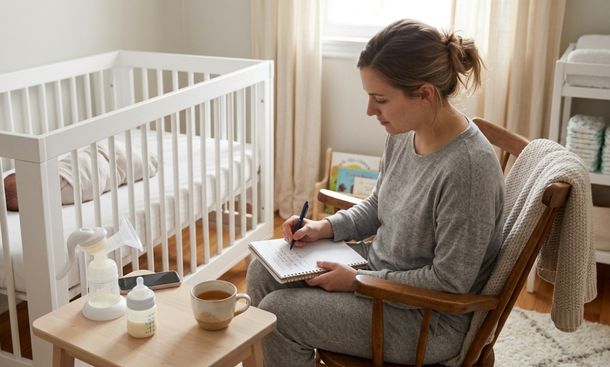
The answer to how long should I pump for with a manual pump depends on your goal, your comfort, and how your body responds that day. Most sessions fall somewhere between a few minutes for relief and 15 to 25 minutes to replace a feeding, but the most useful guide is a mix of timing, milk flow, and how your breasts feel by the end. If your next focus is supply, learning how to increase milk supply can help you build on that timing

As a Felyro.com content author, I develop actionable content on breastfeeding, translating research-backed information into practical advice for mothers. My goal is to help families establish healthy feeding habits, improve maternal confidence, and support infant development.