

Low milk supply anxiety is real, and if you’re here reading this, you’re probably worried you’re not making enough milk for your baby. Maybe your baby seems fussy at the breast, or they’re nursing constantly, or someone made a comment about your baby being small. Whatever brought you here, I want you to take a breath because here’s the truth. Most moms produce plenty of milk, but the fear of not making enough is one of the top reasons women stop breastfeeding early.
That said, some moms genuinely do need to boost their supply, and there are legit, evidence-based ways to do it. We’re gonna separate what actually works from the stuff that’s just internet noise, and I’ll walk you through exactly how milk production works so you can make informed decisions about your situation.
How milk supply actually works
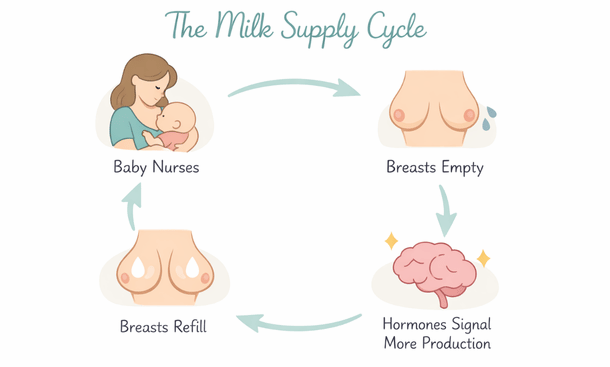
Your body operates on a supply and demand system when it comes to breast milk. The more your breasts are emptied, the more milk they make. It’s pretty straightforward biology, but understanding the details helps you work with your body instead of against it.
Every time your baby nurses or you pump, it sends signals to your brain to produce more milk. Specifically, the hormone prolactin kicks in to create more milk, and oxytocin helps release it from your breasts. The more frequently and thoroughly your breasts get emptied, the stronger these signals become.
In the early weeks after birth, your body is still figuring out exactly how much milk your baby needs. This is why newborns nurse so frequently, sometimes every hour or two. They’re not doing it because you don’t have enough milk. They’re literally programming your body to make the right amount for them.
Most perceived low supply issues aren’t actually supply issues at all. Babies go through growth spurts where they suddenly want to eat all the time. They cluster feed in the evenings. They nurse for comfort, not just food. Your breasts might feel softer after the first few weeks because the initial engorgement goes away, but that doesn’t mean you’re making less milk. It just means your body got more efficient.
Real low supply happens when your body genuinely isn’t producing enough milk to meet your baby’s needs. This shows up as poor weight gain, fewer than six wet diapers a day after the first week, dark concentrated urine, or a baby who seems genuinely hungry and unsatisfied after long nursing sessions.
What actually boosts milk production
Let’s get into the strategies that have real evidence behind them, not just wishful thinking.
Nurse or pump more frequently. This is the number one way to increase supply, period. Your body responds to demand, so you need to create more demand. If you’re exclusively breastfeeding, try nursing every two to three hours during the day and at least once or twice at night. I know that sounds exhausting, but it’s temporary and it works.
Power pumping mimics cluster feeding and can jump-start production. Pick one hour each day and pump for twenty minutes, rest for ten, pump for ten, rest for ten, then pump for ten more. Do this once a day for a few days and you’ll likely see an increase.
Make sure your baby is actually draining your breasts effectively. A poor latch or tongue tie means your baby might be nursing constantly but not actually removing much milk. If your breasts still feel full after nursing, that’s a red flag. Get a lactation consultant to evaluate your baby’s suck and your latch.
Empty both breasts at each feeding. Let your baby finish the first side completely before offering the second. Some babies only need one breast per feeding, which is fine, but if you’re trying to increase supply, encourage them to take both sides when possible.
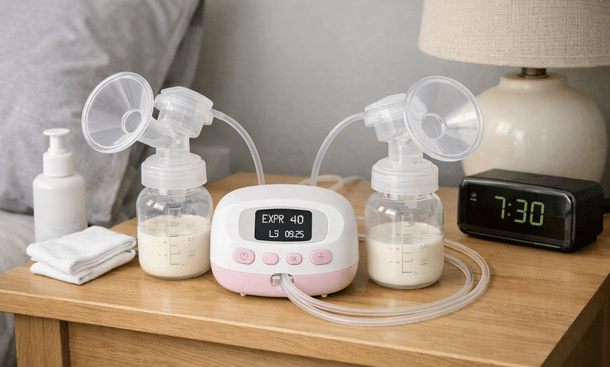
Add pumping sessions between nursing if you need a bigger boost. Even just ten to fifteen minutes of pumping after your baby nurses tells your body to make more milk. The best times are usually early morning when prolactin levels are highest, or right after the first morning feeding.
Stay hydrated and fed. You can’t make milk if you’re running on empty. Drink water every time you nurse, keep snacks nearby, and don’t skip meals. You need an extra three hundred to five hundred calories a day while breastfeeding, and cutting calories to lose weight can absolutely tank your supply.
Skin-to-skin contact with your baby boosts hormones that support milk production. Spend time each day with your baby against your bare chest, even if you’re not actively nursing. This biological connection triggers all kinds of helpful responses in your body.
Get more sleep, which I know sounds impossible with a newborn, but chronic exhaustion messes with your hormones. Even an extra hour here and there helps. Ask someone to take the baby for a nap shift while you actually rest.
Galactagogues and supplements
Galactagogues are foods or herbs that supposedly increase milk supply. Some have decent evidence behind them, others are mostly folklore.
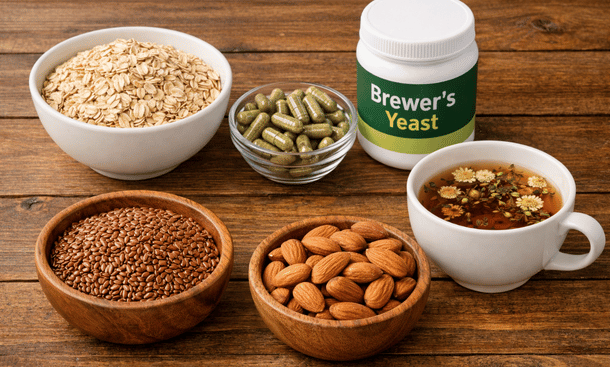
Oats contain beta-glucan which may help boost prolactin levels. There’s not a ton of research here, but many moms swear by oatmeal for breakfast. It’s cheap, healthy, and can’t hurt, so if you want to try it, go for it.
Fenugreek is probably the most popular herbal supplement for milk supply. Some studies show it works, others show no difference. If you try it, you need to take enough for it to work, usually three capsules three times a day. You’ll know you’re taking enough when your sweat and urine start smelling like maple syrup, which is weird but harmless. Don’t take it if you have diabetes or thyroid issues though.
Blessed thistle often gets paired with fenugreek. Again, evidence is mixed, but some moms find the combination helpful.
Brewer’s yeast contains B vitamins and minerals that support lactation. You can buy it in tablet form or add the powder to smoothies.
Lactation cookies and teas are basically just oats, flax, and brewer’s yeast packaged in a tasty format. They’re fine to try, but don’t expect miracles. The actual act of eating and staying nourished probably matters more than the specific ingredients.
Prescription medications like domperidone or metoclopramide can increase milk supply by raising prolactin levels. These are typically reserved for moms who’ve tried everything else or have specific medical reasons for low supply. They come with potential side effects, so you need to work closely with a doctor who’s knowledgeable about breastfeeding medicine.
What doesn’t work and what to avoid
Let’s clear up some myths so you don’t waste time and money on stuff that won’t help.
Drinking a ton of water beyond normal thirst doesn’t increase supply. Your body regulates this automatically. Drink when you’re thirsty, but chugging gallons won’t make more milk.
Beer or alcohol won’t boost supply. The old wives’ tale about beer helping lactation is just that, a tale. Alcohol actually inhibits letdown and decreases the amount of milk your baby gets.
Eating massive amounts of food won’t necessarily increase supply either. You need adequate nutrition, but stuffing yourself doesn’t translate to more milk.
Certain medications can decrease supply, especially hormonal birth control containing estrogen, antihistamines, and decongestants. If you started a new medication right before your supply dropped, that might be your culprit.
Stress and anxiety can interfere with letdown, which makes it harder for your baby to get milk even if you’re producing enough. This creates a vicious cycle where you stress about supply, which makes nursing harder, which makes you stress more. Easier said than done, but try to relax during feedings.
When to consider supplementing
Sometimes despite your best efforts, you need to add formula or donor milk to make sure your baby is thriving. This doesn’t mean you failed, and it doesn’t mean you have to stop breastfeeding.
If your baby isn’t gaining weight appropriately and you’ve worked with a lactation consultant and tried increasing supply for a couple weeks without improvement, supplementing might be necessary. You can still breastfeed and offer formula afterward, which is called combo feeding.
Use a supplemental nursing system if you want to maintain breastfeeding while adding extra calories. These devices let you tube-feed your baby formula or pumped milk while they’re latched at your breast, so they still get the stimulation and practice of nursing.
Pace bottle feeding when you do give bottles so your baby doesn’t start preferring the faster flow and rejecting the breast.
Medical conditions like insufficient glandular tissue, previous breast surgery, or hormonal imbalances can genuinely prevent full milk production. If you’ve got one of these situations, you might never make a full supply no matter what you try, and that’s not your fault.
Realistic expectations and timelines
Increasing milk supply doesn’t happen overnight. Most interventions take three to five days before you notice a difference, and sometimes up to two weeks to reach their full effect.
Track your baby’s output instead of obsessing over ounces when you pump. Six to eight wet diapers a day and steady weight gain are better indicators of adequate milk than how much you can pump. Many moms don’t respond well to pumps even when they have plenty of milk for direct nursing.
Growth spurts at three weeks, six weeks, three months, and six months will make your baby suddenly nurse like crazy. This is normal and temporary. Your supply will catch up in a few days if you just keep nursing frequently.
Your supply might dip when you get your period back, when you’re ovulating, or if you’re sick. These are usually temporary drops that resolve on their own.
The real bottom line
Most moms worrying about supply are actually making plenty of milk. But if you’re genuinely dealing with low production, the solution almost always comes down to removing milk more frequently and more thoroughly, whether through nursing or pumping.
Before you dive into supplements and special foods, make sure the basics are covered. Is your baby latching well and actually transferring milk efficiently? Are you nursing often enough? Are you getting adequate rest and nutrition? These fundamentals matter way more than any lactation cookie ever will.
If you’ve been working on supply for a couple weeks without seeing improvement in your baby’s weight gain or output, reach out to a lactation consultant or your pediatrician. There might be an underlying issue that needs addressing, or you might need to add supplementation to keep your baby healthy while you work on building supply.
And remember, fed is best. Whether that’s exclusive breastfeeding, combo feeding, or formula feeding, what matters is that your baby is growing and you’re not making yourself miserable in the process.
Now that you’ve got your supply sorted, you might run into another common challenge like clogged ducts or engorgement. Our guide on clogged milk duct relief walks you through fast solutions when you’re dealing with painful blockages. And if you want the complete picture of nursing challenges and solutions, check out our comprehensive resource on common breastfeeding problems and how to solve them.

As a Felyro.com content author, I develop actionable content on breastfeeding, translating research-backed information into practical advice for mothers. My goal is to help families establish healthy feeding habits, improve maternal confidence, and support infant development.