

Sore nipples during breastfeeding are no joke. If you’re reading this right now, chances are you’re dealing with pain that makes you wince every time your baby latches on. Maybe you’ve got cracks, bleeding, or just this constant burning sensation that has you dreading the next feeding session. I get it, and honestly, this is one of the biggest reasons moms consider quitting breastfeeding altogether.
But here’s what I want you to know right off the bat. Sore nipples are almost always fixable. They’re not something you just have to endure for weeks on end. Most nipple pain comes down to a handful of common causes, and once you figure out what’s going on, relief usually comes pretty quickly.
Why your nipples hurt in the first place
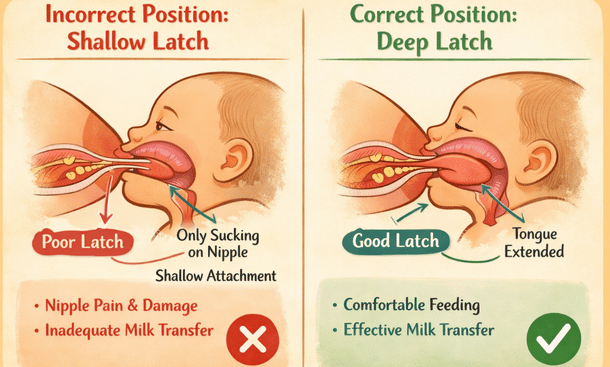
The vast majority of nipple soreness boils down to how your baby is latching. When a baby doesn’t take enough of the breast tissue into their mouth, they end up chomping down on just the nipple itself. That creates friction and pressure in all the wrong spots, leading to cracked, damaged skin.
A proper latch means your baby’s mouth covers not just the nipple but a good portion of the areola, which is the darker area around your nipple. Their chin should be pressed into your breast, nose clear, and you should see their jaw moving in a deep, rhythmic motion. When the latch is shallow, you’ll feel a pinching or sharp pain right from the start.
Positioning matters just as much as the latch itself. If you’re hunched over, holding your baby at an awkward angle, or not bringing them close enough to your body, it affects how well they can latch. Your baby should be tummy-to-tummy with you, head tilted back slightly, and their mouth should be wide open before they latch on.
Beyond latch issues, thrush is another culprit. This is a yeast infection that can develop on your nipples and in your baby’s mouth. It causes intense burning pain that doesn’t go away between feedings, and you might notice shiny or flaky skin on your nipples. Your baby might have white patches in their mouth that don’t wipe away easily. Thrush requires antifungal treatment for both you and your baby, so if you suspect it, talk to your doctor.
Skin conditions like eczema or dermatitis can also flare up on your nipples, especially if you’ve got a history of sensitive skin. And sometimes, nipple pain comes from engorgement or a clogged duct putting pressure on the tissue.
What works right now for relief
Let’s talk about immediate comfort because you need relief yesterday, not next week.
Medical-grade lanolin is your first line of defense. This thick, sticky ointment creates a protective barrier over damaged skin and helps it heal faster. You don’t need to wash it off before nursing, which is a huge plus. Apply it after every feeding and let your nipples air dry first.
Hydrogel pads are absolute lifesavers for cracked or bleeding nipples. These cooling pads stick right onto your skin and provide instant soothing relief. You can keep them in the fridge for extra cooling power. They create a moist healing environment that speeds up recovery.
Your own breast milk is actually one of the best healing agents out there. After nursing, express a few drops and rub them gently onto your nipples. Breast milk has antibacterial and healing properties that help damaged skin repair itself. Let it air dry completely before putting your bra back on.
Speaking of air drying, this is crucial. Moisture trapped against your nipples slows down healing and can lead to infections. After every feeding, leave your bra open for ten to fifteen minutes if you can. Some moms even go topless around the house between feedings when possible.
Warm compresses before nursing can help with letdown and make latching less painful. Cold compresses after nursing reduce inflammation and numb the area slightly. Alternate between the two based on what feels better to you.
If the pain is severe, you can take ibuprofen. It’s safe while breastfeeding and helps with both pain and inflammation. Don’t try to tough it out if you’re miserable.
Fixing the root cause so this doesn’t keep happening
Relief is great, but you need to address why your nipples got sore in the first place, otherwise you’re just gonna be in the same painful boat tomorrow.
Get someone who knows what they’re doing to watch you nurse. A lactation consultant can spot latch problems you might not even realize are there. Sometimes it’s a tiny adjustment in how you hold your baby or position your breast that makes all the difference. Many hospitals offer free lactation support for the first few weeks, and there are also private consultants you can hire for home visits.

Practice the deep latch technique. Wait until your baby opens their mouth really wide, like they’re yawning. Then bring them quickly onto your breast, aiming your nipple toward the roof of their mouth. Their bottom lip should be far below your nipple, and you should see more areola visible above their top lip than below their bottom lip.
Try different nursing positions. The cross-cradle hold gives you more control over your baby’s head and makes it easier to get a good latch. The football hold works great if you’ve had a c-section or have large breasts. Side-lying is perfect for middle-of-the-night feeds and takes all the pressure off your back and arms. Experiment until you find what works best for your body and your baby.
Check for tongue tie or lip tie. These are physical restrictions where the tissue under your baby’s tongue or upper lip is too tight, preventing them from opening wide or moving their tongue properly. This makes it impossible for them to latch deeply no matter how hard you both try. A pediatrician or lactation consultant can diagnose this, and it’s usually a quick procedure to fix.
Break the latch properly when you need to end a feeding. Don’t just pull your baby off, because that yanks on already tender tissue. Instead, slip your clean finger into the corner of their mouth to break the suction first, then gently remove them.
Watch out for nipple confusion if you’re using bottles or pacifiers. Some babies start preferring the faster flow or different sucking motion and then struggle with the breast. If you need to supplement, try paced bottle feeding and consider waiting on the pacifier until breastfeeding is well established.
When to get medical help
Most sore nipples improve within a few days once you fix the latch and use the right treatments. But some situations need professional attention.
If you’ve got cracks that won’t heal after a week of proper care, see your doctor. Deep cracks can get infected and might need prescription antibiotic ointment.
Fever, warmth, or red streaks spreading from your nipple could mean you’re developing mastitis, which is a breast infection that needs antibiotics. Don’t mess around with this one.
Intense burning pain that feels like it’s shooting deep into your breast, especially if it happens during and after feedings, might be thrush. You’ll need antifungal medication for both you and your baby.
If your baby isn’t gaining weight properly or seems frustrated at the breast, there might be a deeper issue like tongue tie or low milk supply that needs addressing.
Persistent pain despite trying everything on this list deserves a consultation with a lactation specialist who can do a full assessment.
The bottom line on sore nipples
Breastfeeding shouldn’t hurt once you and your baby get the hang of it. That first week or two might involve some tenderness as your nipples adjust, but sharp pain, cracks, and bleeding are signs something needs to change.
Nine times out of ten, it’s the latch. Fix the latch, and the pain goes away. Use the comfort measures I mentioned while you’re working on technique, and don’t be afraid to ask for help. Lactation consultants exist for exactly this reason, and there’s zero shame in needing support.
Your nipples can heal remarkably fast once the source of damage stops. Most moms see major improvement within three to five days of getting the latch right and using proper aftercare. Stick with it, because once you get past this rough patch, breastfeeding usually becomes way easier and more comfortable.
If you’re worried about your milk supply on top of dealing with nipple pain, our detailed guide on how to increase breast milk production covers everything you need to know about boosting output naturally and separating real supply issues from normal nursing patterns. For a complete overview of all the breastfeeding challenges you might encounter and how to handle them effectively, check out our comprehensive resource on common breastfeeding problems and how to solve them.
You’ve got this. Sore nipples suck, but they’re temporary and totally fixable.

As a Felyro.com content author, I develop actionable content on breastfeeding, translating research-backed information into practical advice for mothers. My goal is to help families establish healthy feeding habits, improve maternal confidence, and support infant development.