
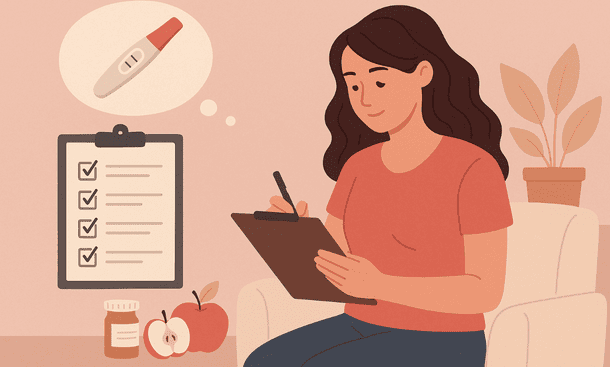
Preparing for pregnancy is a journey that begins long before conception. It involves understanding your body, reviewing your lifestyle, and taking steps that support both your health and fertility. Many women underestimate how much preparation can influence conception and early pregnancy. A structured approach helps you feel confident, reduces stress, and ensures nothing important is overlooked. From medical assessments to emotional readiness, each component plays a role in creating the ideal foundation for a healthy pregnancy. This guide provides a comprehensive pre-pregnancy checklist to help you organise every step before trying to conceive.
Essential Health Checks Before Pregnancy
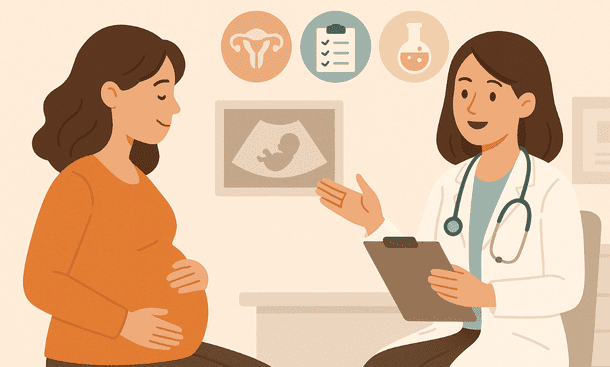
Understanding your health is the first step in preparing for pregnancy. A thorough pre pregnancy health check allows you to identify potential risks and address them early. It includes both routine assessments and specific tests that help evaluate your fertility and overall readiness for conception. Knowing your baseline health gives peace of mind and allows you to plan confidently.
A general physical examination is often the starting point. Blood pressure, weight, and a review of your medical history provide essential insights. Family history also matters; conditions such as thyroid disorders, diabetes, or genetic diseases can affect fertility or pregnancy outcomes. Identifying these factors early helps your doctor recommend targeted screenings or preventive measures.
Blood tests are a critical part of preparation. Common assessments include iron levels, vitamin D, thyroid hormones, and immunity for rubella or other infections. These tests ensure your body is ready to support a developing pregnancy. Small deficiencies can be corrected easily and may improve cycle regularity and overall energy.
Fertility-focused evaluations also play a role. Tracking your cycle, understanding ovulation patterns, and assessing hormonal balance give valuable information. Ultrasounds or additional tests may be recommended if there are irregularities or previous fertility challenges. For couples, a partner’s fertility check can also provide important insights into conception potential.
Vaccination updates are another essential aspect. Ensuring immunity against rubella and varicella, along with relevant vaccines for influenza or COVID, reduces risks during early pregnancy. Timing vaccines before conception allows your body to develop adequate protection.
Lifestyle and medication review completes the health check. Nutrition, exercise, sleep, and stress management are evaluated alongside any prescription or over-the-counter medications. Adjusting habits and reviewing supplements ensures that your body is fully prepared for conception.
Mental and emotional well-being is often overlooked but equally important. Stress, anxiety, or unresolved emotional challenges can affect hormone balance and cycle regularity. Addressing these aspects supports both fertility and a smoother transition into pregnancy. Professional guidance or counselling may be beneficial when needed.
After assessments, your doctor can help build a personalised plan. This plan outlines steps to correct deficiencies, optimise health, and address any identified risks. Following this plan ensures your body is ready, giving you confidence as you move forward.
For women looking for detailed guidance on medical preparation, our article on essential pre pregnancy health checks provides actionable tips and practical advice to complement this step.
Pre Pregnancy Vitamins and Nutrition
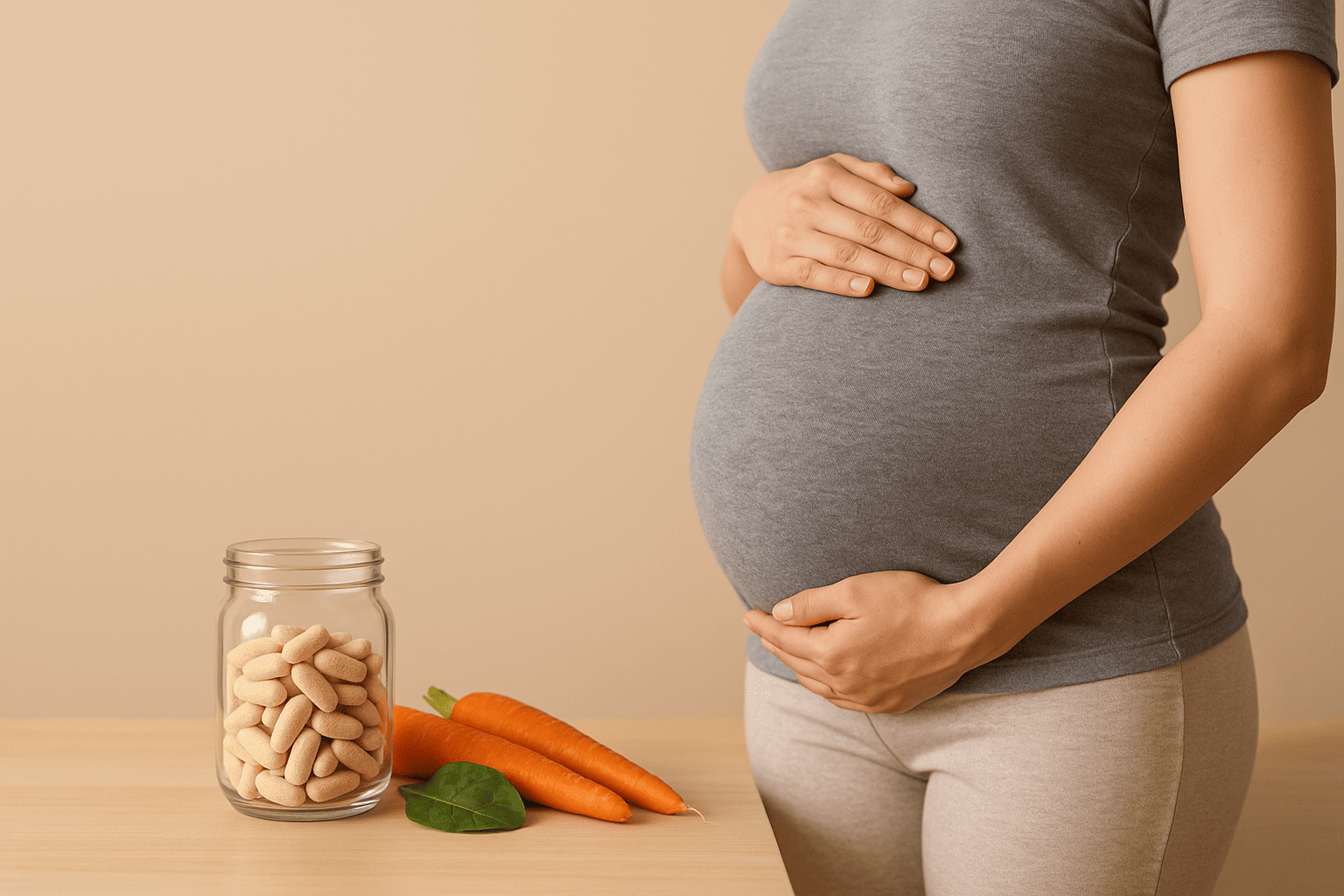
Nutrition is a cornerstone of pre pregnancy preparation. The right combination of vitamins and minerals supports fertility, hormonal balance, and early fetal development. Even women with a balanced diet may lack essential nutrients, making supplementation an important consideration. Starting vitamins several months before conception ensures your body is ready to support a healthy pregnancy from the very beginning.
Folic acid is the most critical nutrient before pregnancy. It aids in cell division and reduces the risk of neural tube defects. Most healthcare providers recommend at least 400 mcg daily, with some women choosing methylated folate for better absorption. Vitamin D also plays a key role, supporting hormone regulation, immunity, and bone health. Many women have low levels and benefit from supplementation.
Iron, omega 3, vitamin B12, iodine, and choline are additional nutrients that contribute to pre pregnancy readiness. Iron helps prevent anemia and supports healthy ovulation. Omega 3 supports hormone function and early brain development. B12 works with folate to maintain energy and red blood cell production. Iodine regulates thyroid function, and choline aids in neural development.
Choosing the right prenatal vitamin is essential. Look for clear labeling, balanced doses, and inclusion of critical nutrients such as folate, vitamin D, iron, and iodine. Omega 3 may require a separate supplement. Consistency matters more than brand or cost. Taking supplements at the same time daily helps ensure steady absorption.
Dietary habits complement supplementation. Prioritise protein, whole grains, fruits, vegetables, and healthy fats. Limit processed foods, excess sugar, and unnecessary caffeine or alcohol. These habits enhance the effectiveness of vitamins and support overall reproductive health.
Monitoring your nutrient intake can help identify gaps. Blood tests provide insights into vitamin D, iron, or B12 levels and allow for personalised adjustments. Correcting deficiencies often improves energy, cycle regularity, and general well-being, creating a stronger foundation for conception.
Small lifestyle changes reinforce the benefits of vitamins. Regular exercise, adequate sleep, and stress management help your body use nutrients efficiently. A balanced lifestyle supports hormonal stability and fertility naturally.
For a detailed guide on selecting and using supplements effectively, the article on best pre pregnancy
Emotional and Financial Preparation
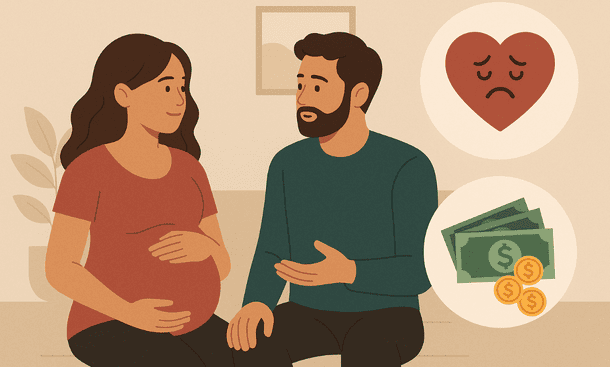
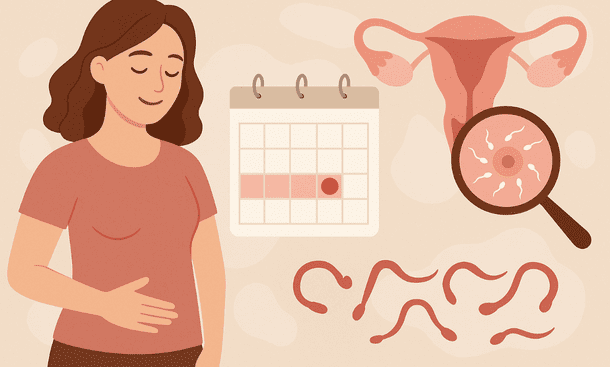
Preparing for pregnancy involves more than physical readiness. Emotional stability and financial planning are crucial components that influence how smoothly the journey unfolds. Addressing these aspects early reduces stress, fosters confidence, and creates a supportive environment for conception and pregnancy. Integrating emotional and financial planning into a broader pre-pregnancy checklist ensures a comprehensive approach.
Emotional preparation begins with self-awareness. Understanding your feelings about parenthood, discussing expectations with your partner, and addressing any anxiety or unresolved experiences creates a solid foundation. Journaling, mindfulness, or counselling can help process concerns and improve mental clarity. Couples who communicate openly about fears, roles, and responsibilities often feel more aligned and supported.
Financial readiness also plays a key role. Reviewing your budget, savings, and insurance coverage helps anticipate pregnancy-related costs. Consider medical appointments, prenatal care, and baby essentials, along with maternity leave and emergency funds. Even small steps, like setting aside a monthly amount for future expenses, can build confidence and reduce stress.
Practical planning extends to your home environment. Preparing spaces for baby care, storage, and daily routines helps create a calm, organised setting. Decluttering and organising early prevents last-minute stress and allows you to focus on health and well-being.
Building daily routines that support emotional well-being complements physical preparation. Adequate sleep, balanced meals, exercise, and stress-reduction techniques all reinforce a healthy mindset. When combined with financial planning and open communication, these routines create stability that benefits both partners.
Professional guidance can enhance preparation. Counselors, financial advisors, or fertility specialists provide personalised advice. Incorporating their insights ensures you cover areas that may not be immediately apparent and strengthens overall readiness.
For practical strategies on managing emotional and financial aspects of pregnancy preparation, the article on how to prepare emotionally and financially before pregnancy provides actionable steps to help you plan effectively and feel secure in your readiness.
Habits and Behaviors to Avoid Before Conception
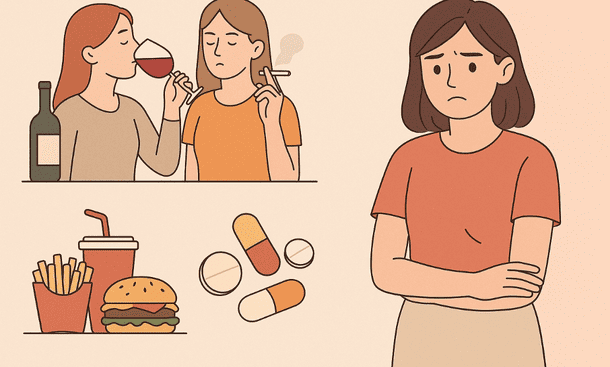
Knowing what to avoid is as important as knowing what to do when preparing for pregnancy. Certain habits, substances, and exposures can affect fertility and early fetal development. Being mindful of these risks allows you to make informed choices and create an environment that supports conception. This aspect naturally aligns with a broader pre-pregnancy checklist to ensure your preparation is comprehensive.
Lifestyle habits significantly impact fertility. Smoking reduces fertility and increases the risk of pregnancy complications. Eliminating tobacco well before conception improves overall health and supports a healthier start. Alcohol consumption can affect egg quality and early development; reducing or abstaining is recommended. High caffeine intake may also influence fertility, so keeping consumption moderate, typically under 200 mg per day, is advised.
Medications and supplements require careful review. Certain prescription drugs, over-the-counter medications, or herbal products may interfere with fertility or early pregnancy. Consulting a healthcare provider ensures safe adjustments. Even supplements should remain within recommended doses unless specifically advised.
Environmental exposures can pose hidden risks. Pesticides, heavy metals, and harsh chemicals in cleaning products can affect reproductive health. Choosing natural alternatives and handling chemicals with care reduces exposure. Prolonged high heat, such as from saunas or hot tubs, may also impact fertility and should be used cautiously.
Sleep and stress management are integral to preparation. Chronic stress can disrupt hormonal balance, while insufficient sleep may affect cycle regularity. Prioritising rest and incorporating stress-reduction techniques, such as meditation or gentle exercise, supports both fertility and overall well-being.
Dietary choices matter as well. Raw or undercooked meats and unpasteurised dairy may carry pathogens that pose risks before pregnancy. Limiting processed foods high in sugar or trans fats helps maintain hormonal stability and fertility. Focusing on nutrient-rich meals reinforces your body’s readiness for conception.
Consistency and timing enhance the effectiveness of these precautions. Many substances require weeks or months to clear from the body, so starting early ensures your body is optimally prepared. Small, intentional changes in daily habits accumulate into a healthier, more fertile environment.
For a practical guide on avoiding risks while preparing for pregnancy, see the article on things to avoid before getting pregnant, which offers detailed recommendations to protect fertility and support early pregnancy development.
Building Your Personal Pre-Pregnancy Checklist
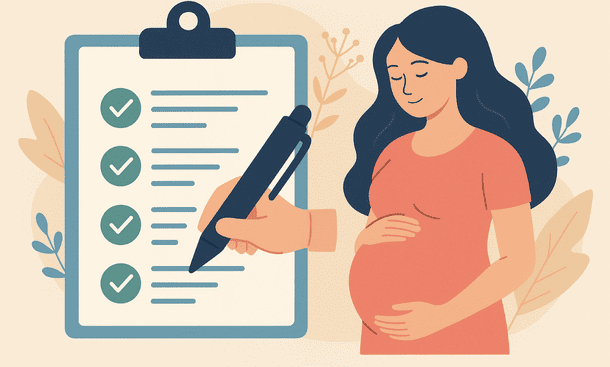
Creating a personalised pre-pregnancy checklist turns preparation into manageable, actionable steps. It organises health, nutrition, lifestyle, emotional readiness, and practical planning in a way that reduces stress and ensures nothing is overlooked. This approach complements a broader pre-pregnancy checklist by giving structure and clarity to your preparation.
Begin by assessing your current health. Include medical checkups, blood tests, and vaccinations. Track your cycle and ovulation patterns to understand fertility timing. Recording these steps ensures your body is physically ready and provides a baseline for monitoring progress.
Next, incorporate nutrition and supplementation goals. Add daily vitamins, balanced meals, hydration, and moderation of caffeine, alcohol, or smoking. Tracking intake helps maintain consistency and prevents deficiencies. Pair these with lifestyle habits, such as regular exercise, adequate sleep, and stress management routines, to support hormonal balance and overall fertility.
Emotional and financial preparation should also be included. Reflection prompts, journaling, partner discussions, and budgeting tasks all contribute to a calmer, more organised approach. Preparing your home environment—decluttering, organising spaces, and planning for baby essentials—completes the checklist. Breaking tasks into weekly or monthly goals makes them achievable without overwhelming you.
Tracking and reviewing your checklist regularly allows adjustments based on progress or changing circumstances. Flexibility is key; some steps may take longer than expected while others can be completed quickly. The goal is steady, consistent progress rather than perfection.
A personalised checklist also improves communication with your partner. Sharing tasks and responsibilities ensures both of you are engaged and informed. Small milestones, like completing health screenings or starting a vitamin regimen, provide motivation and confidence along the journey.
For guidance on building an actionable and structured plan, the article on pregnancy preparation checklist: build your own plan provides step-by-step tips to organise your readiness and track your progress effectively.
A comprehensive pre-pregnancy checklist combines health assessments, nutrition, lifestyle adjustments, emotional readiness, and practical planning to create the best foundation for conception. Each step reinforces the others, helping you feel confident, organised, and prepared. Taking time to address these areas early increases the likelihood of a healthy pregnancy and reduces unnecessary stress along the way.
Consistency and self-awareness are key. Monitoring your cycle, maintaining a balanced diet, managing stress, and planning finances all contribute to a smoother journey toward parenthood. By integrating these practices, you transform preparation into a structured, manageable process rather than a series of uncertain tasks.
For women seeking practical tools to organise their preparation effectively, exploring the guide on building your own pregnancy preparation checklist offers a structured approach that complements every aspect covered in this pillar article.
