
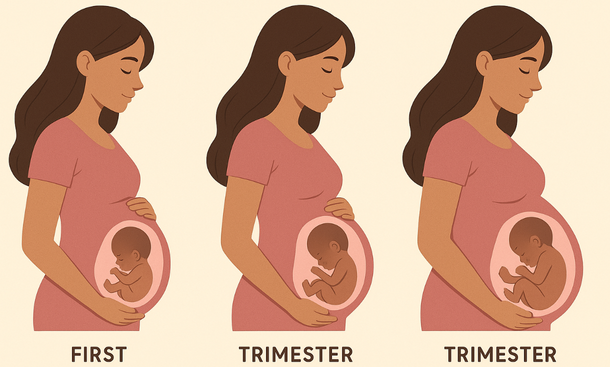
Pregnancy unfolds in three distinct trimesters, each bringing its own set of changes for both the baby and the mother. Understanding these stages helps expectant parents prepare for what lies ahead and make informed decisions about health and lifestyle. Every week introduces something new, from subtle physical shifts to remarkable developments in the baby’s growth.
First trimester: the beginning of life
The first trimester spans weeks one through twelve and is often the most delicate stage. At this point, the body is adjusting to hormonal changes that support the developing embryo. Common early symptoms include fatigue, mild nausea, and heightened sensitivity to smells. While these changes can feel overwhelming, they are usually a normal part of early pregnancy.
During these initial weeks, the embryo undergoes rapid growth. By the end of week twelve, major organs start forming, and the basic structure of the body becomes evident. Regular medical checkups are essential at this stage to monitor both maternal health and fetal development. Staying well-nourished, avoiding harmful substances, and listening to the body’s signals are key strategies for navigating the first trimester safely.
Second trimester: A period of stability
Weeks thirteen to twenty-seven mark the second trimester, often described as the most comfortable phase. Many early pregnancy symptoms begin to subside, and energy levels tend to improve. Physical changes become more noticeable as the abdomen starts to expand and the baby grows rapidly.
This trimester allows parents to enjoy milestones like the first detectable movements and more detailed ultrasounds. Blood tests and prenatal visits help ensure both mother and baby remain healthy. Paying attention to posture, practicing gentle exercise, and maintaining balanced nutrition support the body as it adapts to a growing baby. Understanding what to expect during these weeks reduces anxiety and helps parents embrace the experience more fully.
Third trimester: preparing for arrival
The third trimester runs from week twenty-eight to birth. This stage involves significant physical and emotional preparation as labor approaches. Mothers often experience increased fatigue, back discomfort, and difficulty sleeping. These changes reflect the baby’s rapid growth and the body’s adaptation to support late-stage development.
During this time, it becomes increasingly important to monitor both maternal and fetal health closely. Birth plans, hospital visits, and final medical checks help ensure readiness. Understanding fetal positioning, recognizing signs of labor, and staying informed about delivery options provide confidence as the due date nears. The third trimester requires careful attention but also offers the excitement of seeing the baby’s growth almost fully formed.
Understanding ùilestones across trimesters
Each trimester brings unique milestones. In the first trimester, organ development and early growth set the foundation. The second trimester focuses on refinement, movement, and sensory development. The third trimester prepares the baby for independent life outside the womb. Monitoring weight gain, tracking fetal growth, and noting changes in the mother’s body are essential across all stages.
Expectant parents benefit from tracking tools, journals, and apps that record each week’s changes. This helps in spotting patterns, understanding normal development, and identifying potential issues early. Learning to listen to the body, manage stress, and maintain a supportive environment enhances overall pregnancy health.
Tips for navigating each stage
Maintaining a balanced diet, staying hydrated, and engaging in light to moderate exercise tailored to each trimester are practical strategies. Prenatal vitamins and consistent medical supervision support both mother and baby. Emotional well-being is equally important, so building a support network and communicating openly with healthcare providers reduces anxiety and promotes confidence.
Planning ahead for lifestyle adjustments, work schedules, and family support ensures smoother transitions between each trimester. Keeping a diary of symptoms and developments provides valuable reference points for discussions with healthcare providers. Understanding the natural progression of pregnancy makes every stage more predictable and manageable.
Recognizing what to expect in each trimester allows mothers and families to approach pregnancy with confidence and clarity. Each stage brings new experiences and milestones that shape both maternal and fetal well-being. For a deeper dive into week-by-week changes and detailed tracking, the first trimester guide provides practical insights to complement trimester knowledge.

As an author at Felyro.com, I create actionable content on pregnancy tracking, offering practical tools, tips, and insights that empower mothers-to-be to stay informed and confident throughout their pregnancy.